




Carved Outdoor Urns
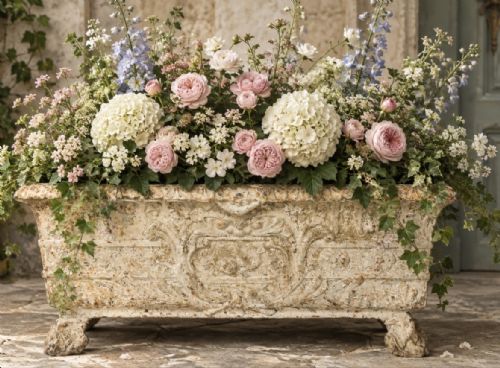
Carved outdoor urns bring gravitas and classic planting space to a garden, shifting effortlessly from formal terraces to quiet lawn edges.
Carved Outdoor Urns
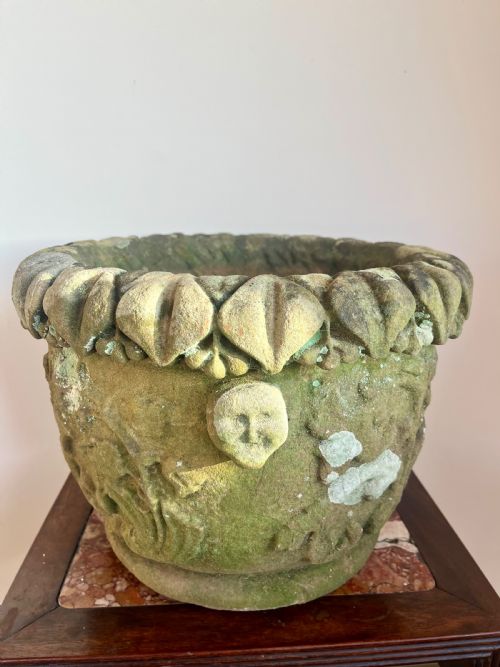
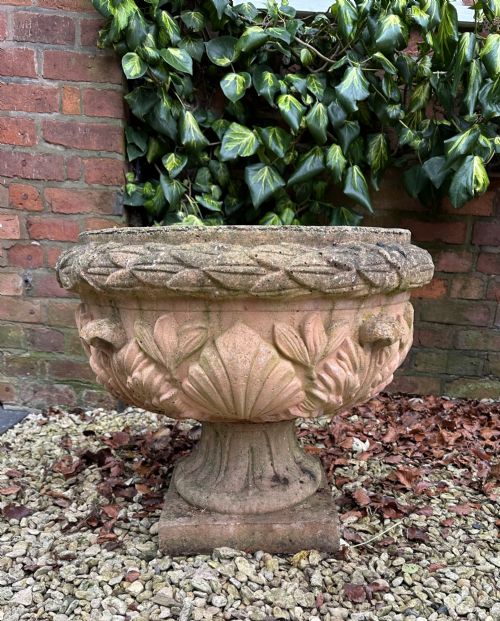
When you search for carved outdoor urns, you encounter robust garden vessels designed to hold seasonal planting while anchoring a landscape scheme. The examples gathered here span centuries of design, ranging from classical forms to later vernacular interpretations.
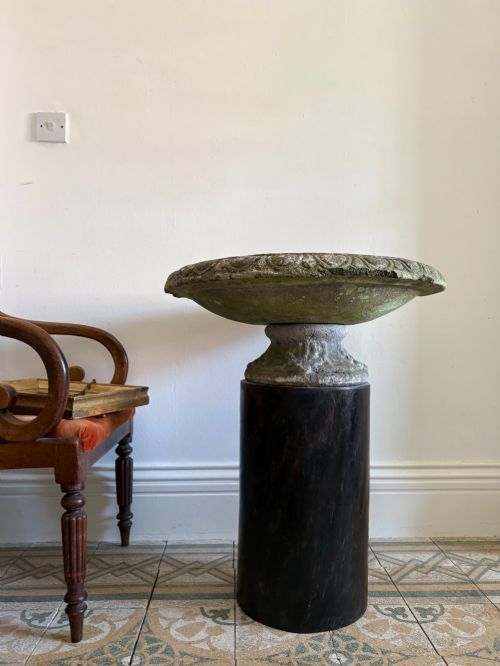
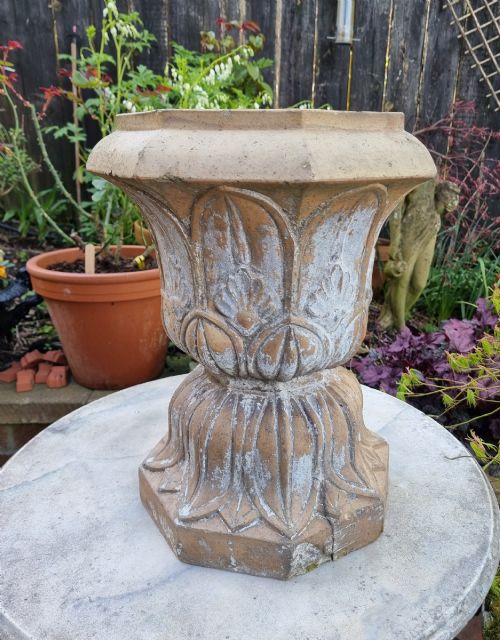
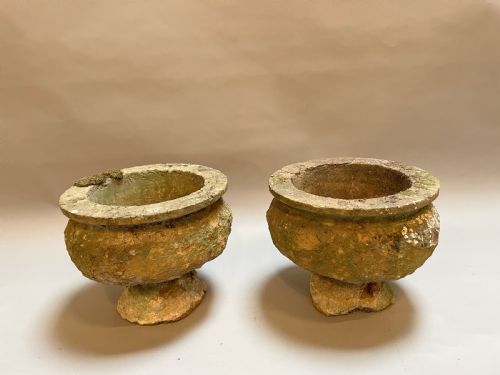
You are most likely to meet pieces shaped from terracotta and various types of stone, such as reconstituted stone, soft stone, and carved marble. These garden urns frequently appear paired or as single statement pieces, sometimes accompanied by matching pedestals or plinths.
The styles represented across these listings draw heavily on historical architectural traditions, including Neoclassical, Victorian, Gothic Revival, and Italianate influences. Such vessels serve both a practical function as planters and an architectural purpose within a garden design.
How they were made
Makers shaped these garden pieces using traditional methods suited to the medium, whether carving directly from blocks of stone and marble or casting terracotta and stone mixtures in moulds. Carved examples display the deliberate marks of the chisel, while cast varieties rely on detailed formwork to achieve their decorative profiles.
Iron versions involve metal casting techniques to produce durable vessels with structural integrity for exterior use. Salt glazing and weathering processes further alter the surface textures of these materials over decades of exposure to the elements.
One extraordinary stone planter incorporates material salvaged directly from the Houses of Parliament after the Blitz.
What varies in quality
The distinction between ordinary and exceptional pieces lies in the crispness of the modelled or carved detail, such as the definition in handle heads, foliage swags, and rim mouldings. Superior vessels maintain their structural proportion and decorative harmony even when heavily weathered by time.
The selection of the raw material also dictates the character of the piece, with dense marbles and well-fired terracotta holding sharper lines across centuries compared to softer stones that weather more rapidly.
The Carved Outdoor Urns Glossary
- Campana urn
- A bell-shaped garden vessel with an everted rim and a pedestal foot, originating in classical antiquity. This form remains a staple of formal garden design.
- Terracotta
- Fired unglazed clay possessing a warm reddish hue that develops an organic mossy patina outdoors. It is a traditional medium for garden planters and jardinières.
- Reconstituted stone
- A composite material made from crushed stone aggregate mixed with a binder to imitate natural stone. It allows for the reproducible casting of architectural garden ornaments.
- Plinth
- A heavy stone or masonry base block that elevates an urn or planter above ground level. Plinths lend additional presence and stability to garden ornaments.
- Salt glaze
- A glassy, slightly textured coating formed on pottery by throwing salt into the kiln during high-temperature firing. This finish offers durability against frost and moisture.
Carved Outdoor Urns: Frequently Asked Questions
How do I care for antique garden urns?
Position your vessels on bricks or feet during freezing weather to allow proper drainage and prevent cracking from trapped ice expanding.
Wash the surfaces gently with water and a soft brush when needed, avoiding harsh chemicals that strip the natural weathered patina.
Can these stone and terracotta urns stay outside all year?
Most of these materials are fired or cast for exterior use and tolerate seasonal weather changes well over many decades.
Protect softer stone or delicate terracotta varieties by moving them into a sheltered greenhouse or shed during severe winter frosts.
How do I tell an 19th-century urn from a later copy?
Examine the surface for signs of natural weathering, tool marks, and historical wear patterns that modern replicas struggle to replicate convincingly.
Consider the weight, material composition, and consistency of the casting seams or hand-carved details against known period examples.
Do garden urns require a matching plinth?
Plinths are not strictly necessary, but they elevate the visual impact of an urn and protect the base from damp ground contact.
Many period urns were specifically designed to sit atop stone pedestals to create a balanced architectural silhouette on a terrace or lawn.