
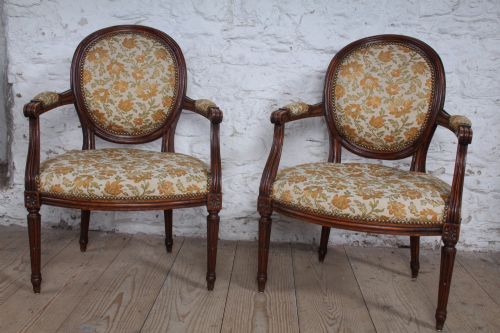
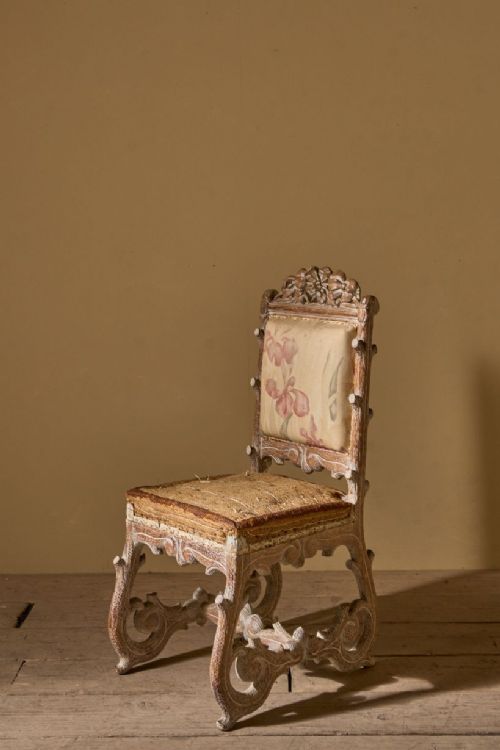
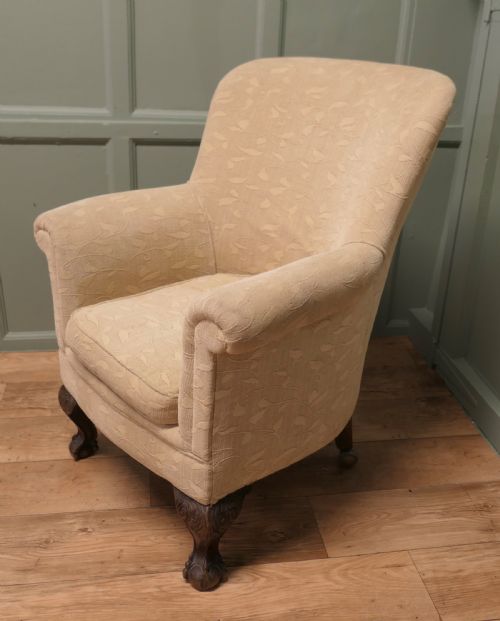
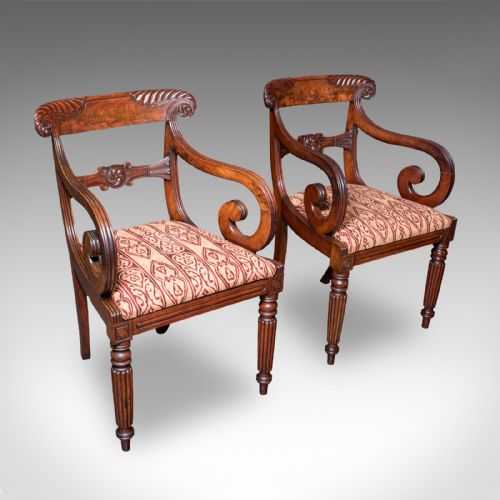
Carved Occasional Chairs
Carved occasional chairs are flexible seating options shaped by Victorian, Edwardian, and Regency hands, offering compact charm and decorative woodwork to any room.
Carved Occasional Chairs
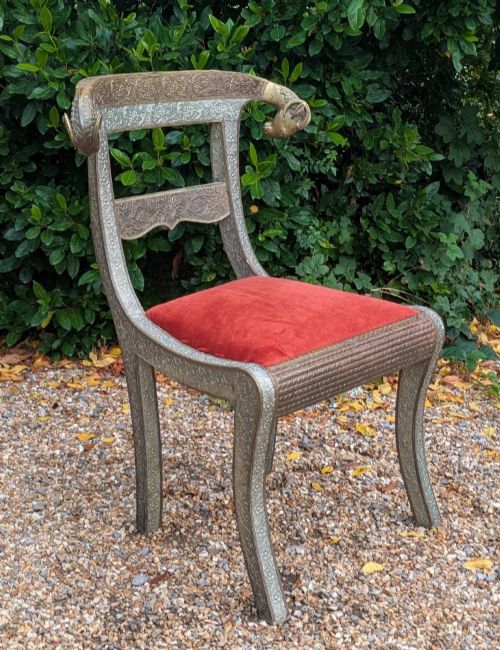
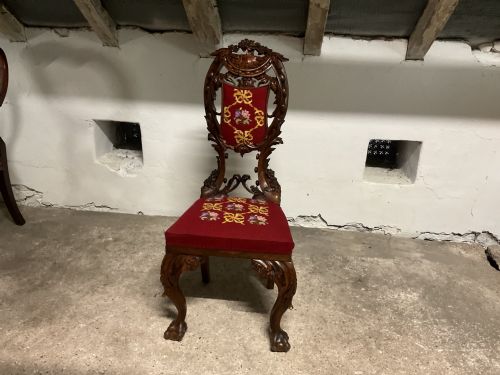
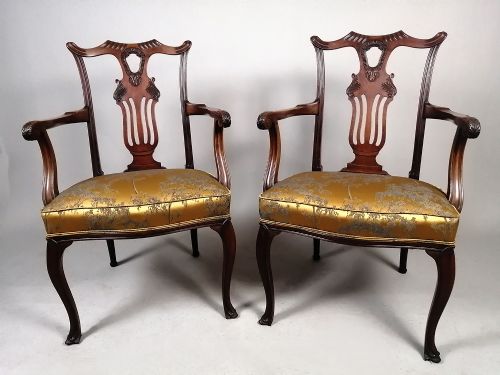
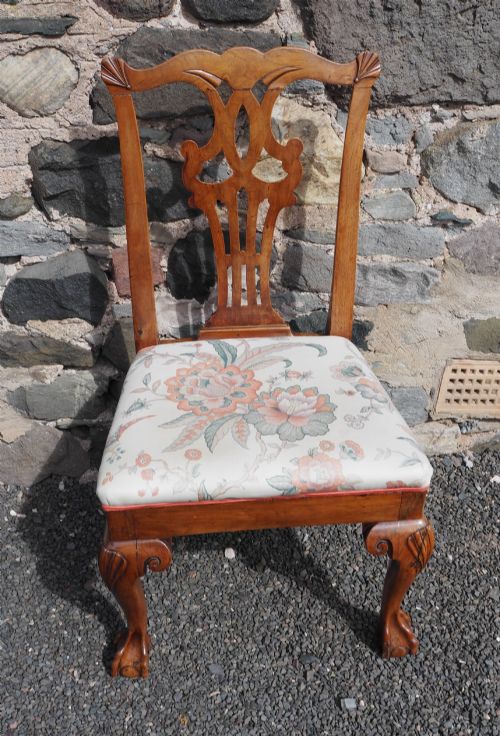
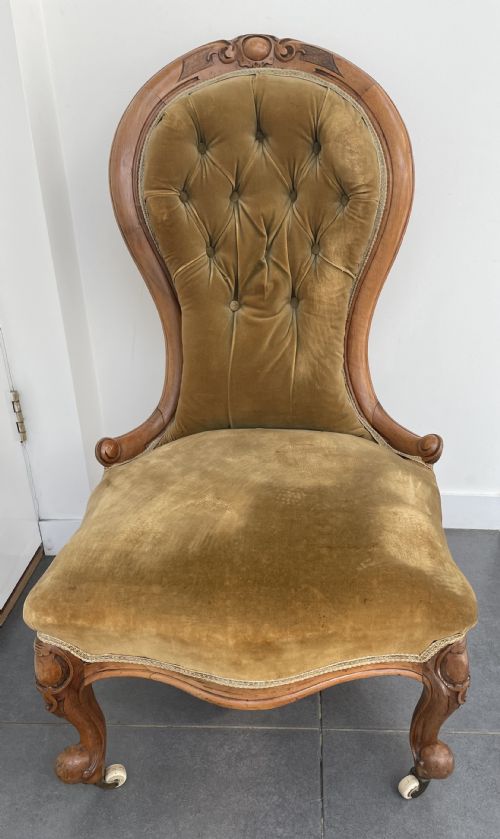
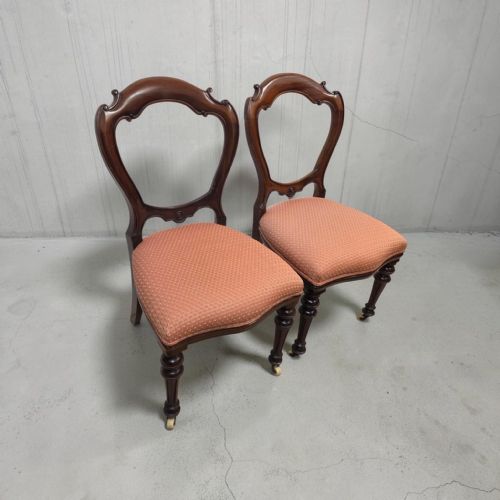
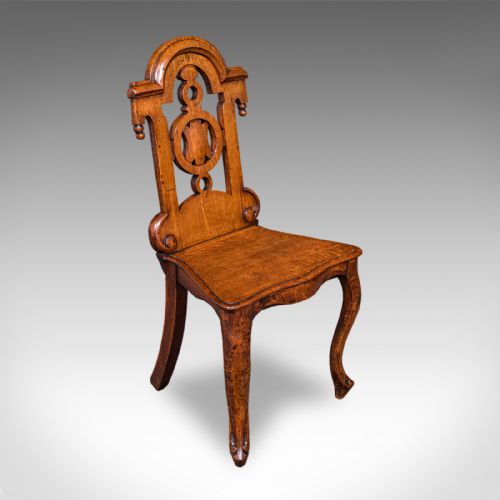
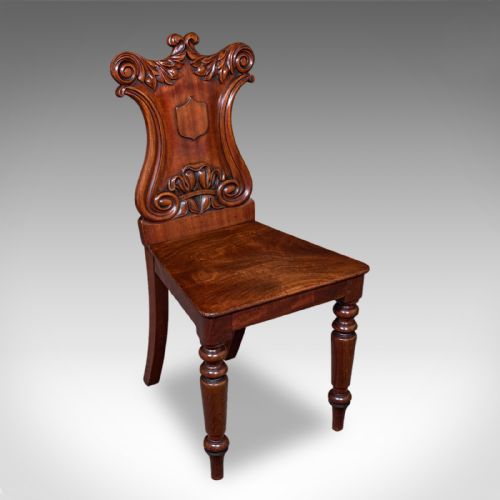
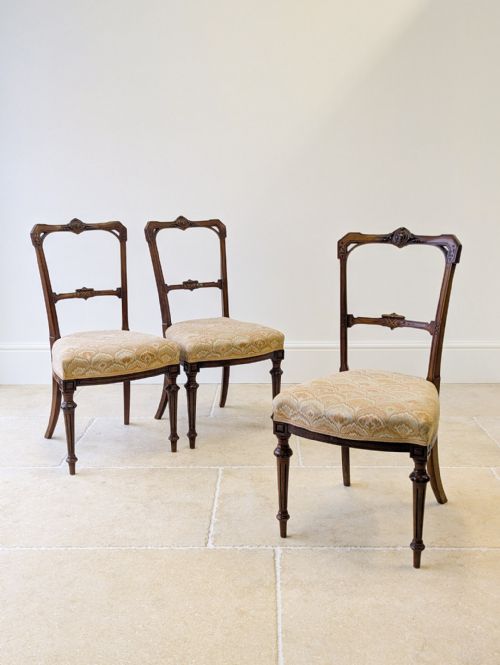
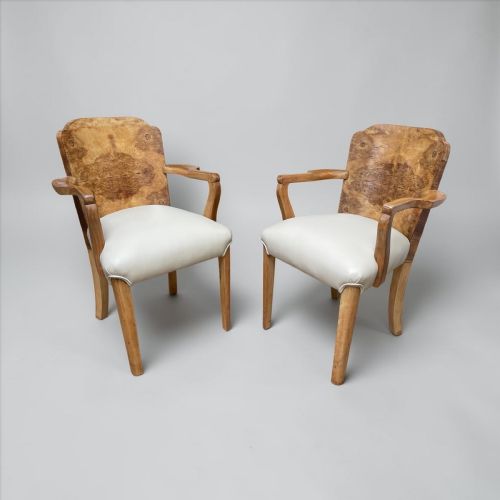
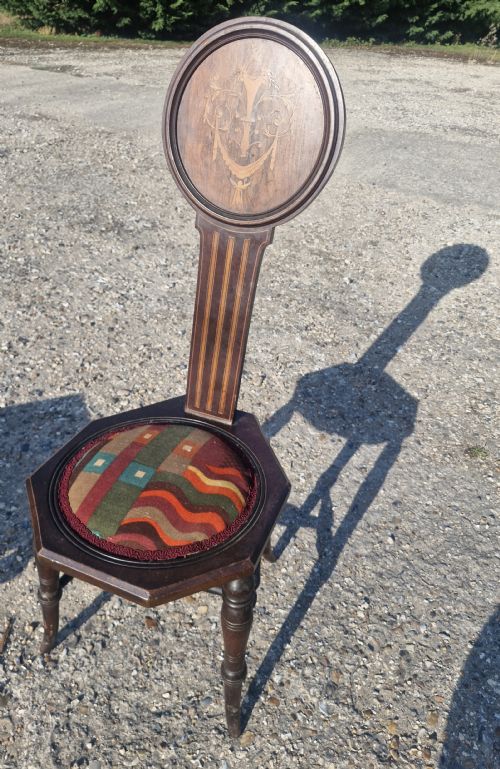
When you search for carved occasional chairs, you look at movable seats designed for specific corners, halls, and parlours rather than main dining tables. The pieces on this page span several eras, from the 18th century through the Victorian and Edwardian periods up to the 1930s.
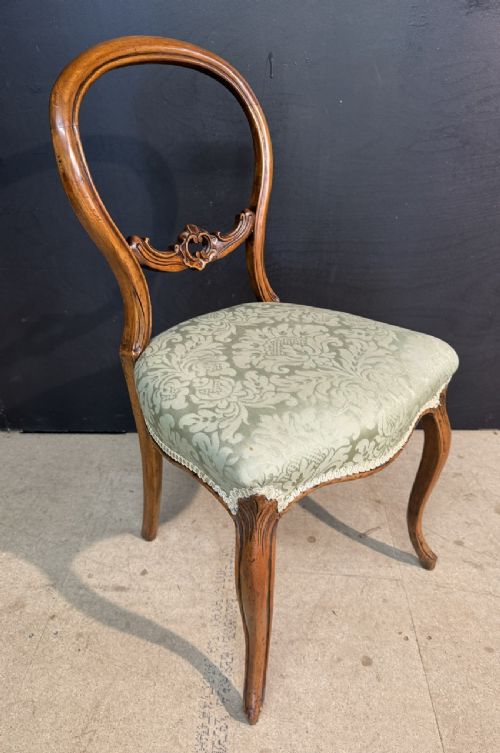
The most common forms you will meet include side chairs, armchairs, tub chairs, salon chairs, and nursing chairs. Many examples feature timber frames with detailed carving on the backsplats, legs, or crest rails.
Origins range across English, Scottish, French, and Indian workshops, showing styles from Chippendale Revival and Neoclassical to Louis XV and Anglo-Indian designs.
How They Were Made
Timbers such as mahogany, walnut, oak, beech, ebony, and occasional exotic woods form the primary structural frames. Cabinetmakers shaped these hardwoods using hand tools to create cabriole legs, pierced splats, and curved frames.
Surface decoration relies on direct carving into the timber, sometimes enhanced with giltwood, brass accents, or inlaid details. Upholstery fabrics, velvet, leather, and cane provide the seat and back support where specified.
Listings feature timbers including mahogany, walnut, oak, beech, ebony, and giltwood across Victorian, Edwardian, Regency, and 18th-century periods.
What Varies in Quality
The depth and crispness of the hand carving separate standard commercial seating from finer cabinet work. Sharp relief work and clean lines on the woodwork indicate a more skilled hand during construction.
The choice of timber and stability of the frame joints dictate longevity. Solid hardwoods like walnut and Cuban mahogany hold structural integrity better than softer alternatives over decades of use.
The Carved Occasional Chairs Glossary
- Cabriole leg
- A furniture leg that curves out at the knee and tapers inward to an ankle, often ending in a pad or claw foot. This form draws inspiration from animal limbs and appears frequently on 18th-century and revival seating.
- Balloon back
- A rounded, oval-shaped backrest popular in Victorian chairs. The curved wooden frame resembles the profile of a hot-air balloon.
- Lyre-back
- A chair back featuring an open splat shaped like the musical instrument. Makers utilised this classical motif during the Regency and later revival periods.
- Faux bois
- A technique where wood or other materials are painted or carved to imitate natural tree branches and bark. This rustic style surfaces on Victorian garden or conservatory furniture.
- Fauteuil
- An open-armed French armchair with upholstered back and armrests, exposed wooden frame, and carved details. These seats originated in royal courts and influenced later occasional chair designs.
Carved Occasional Chairs: Frequently Asked Questions
What is an occasional chair?
An occasional chair is a movable seat intended to be brought out for use when extra company arrives, rather than remaining at a fixed dining table. These pieces fit easily into parlours, bedrooms, and hallways.
They serve both practical seating needs and decorative purposes, often featuring elaborate carved details that catch the eye in a corner or empty space.
How do I date a carved chair?
Dating relies on examining the timber species, joinery methods, and stylistic cues such as cabriole legs or balloon backs. Victorian and Edwardian pieces often show machine assistance alongside hand work, while 18th-century examples display entirely hand-shaped components.
Comparing the decorative motifs to known periods like Regency or Louis XV style helps narrow the decade of origin.
Where should I place an occasional chair?
These chairs suit smaller spaces where a heavy armchair would overwhelm the room, such as a hallway, bedroom vanity area, or reading nook. They add character to empty wall space without blocking movement.
Ensure the height matches nearby tables if used for writing or vanity tasks.
Can I use antique chairs daily?
Solid hardwood frames in good condition easily support regular daily use in modern homes. Periodic checking of the joints ensures the chair remains stable.
Upholstery fabrics and cane seats may require gentle treatment or occasional professional reupholstering to withstand heavy traffic.