

Carved Oak Wooden Stool
A carved oak wooden stool brings solid domestic utility and historic craft straight to your floor.
Carved Oak Wooden Stool
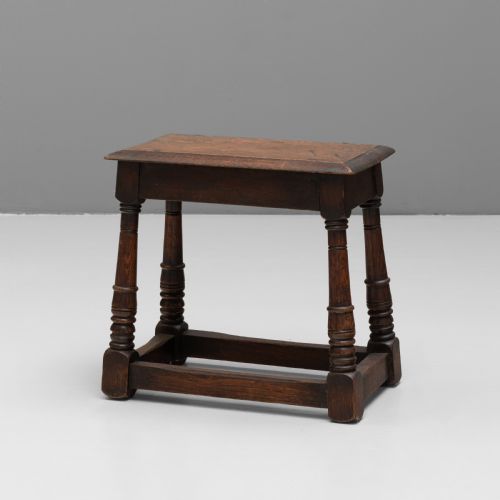
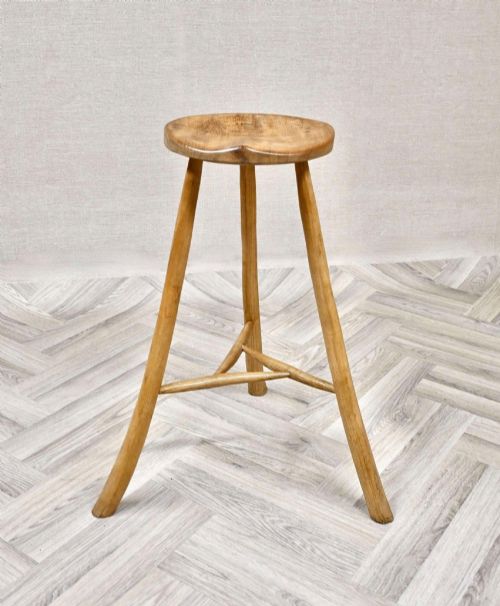
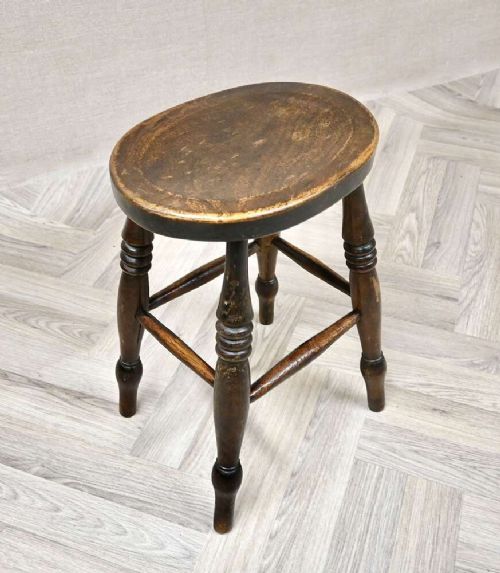
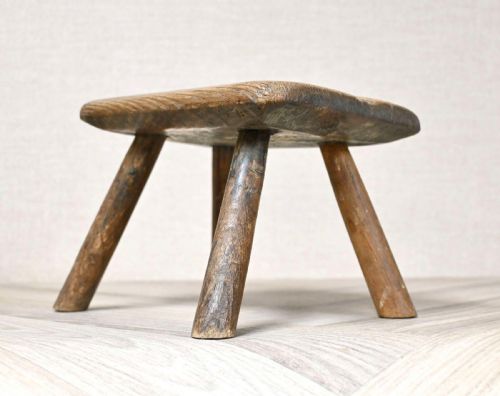
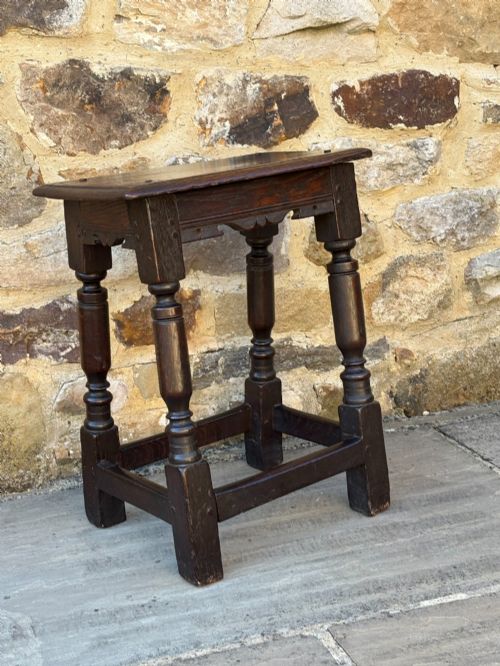
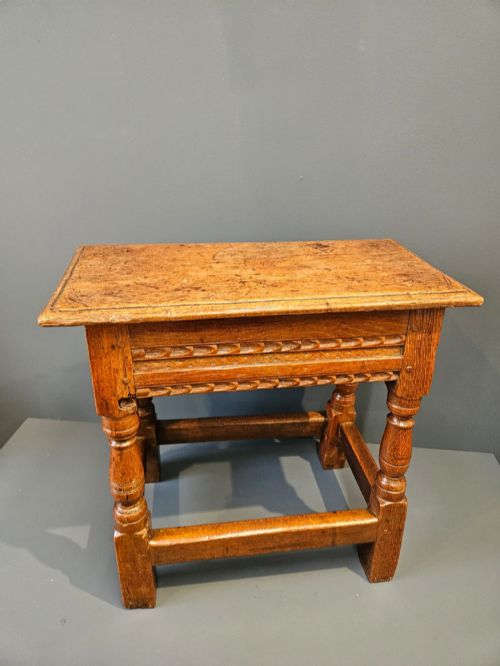
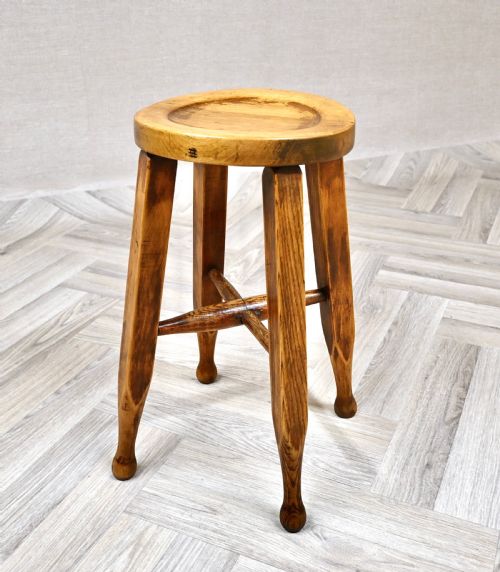
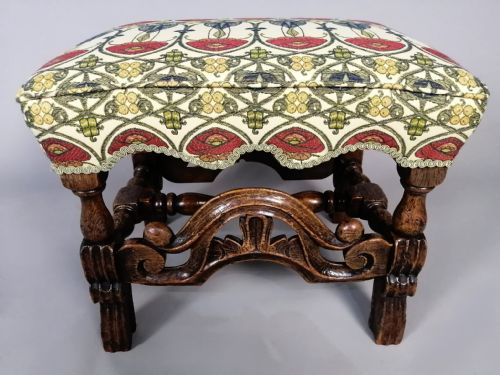
When you search for a carved oak wooden stool, you encounter low seats, tall bar stools, joint stools, and footstools spanning several centuries. These items serve multiple domestic purposes, appearing as low seats, side tables, or footrests.
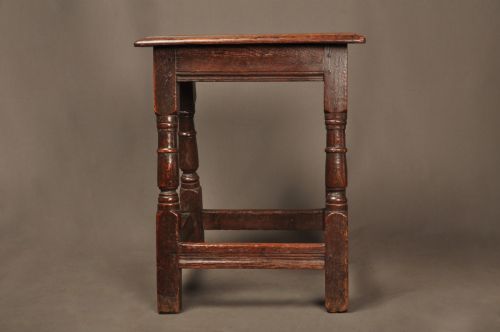
The pieces on this page originate from periods including the seventeenth, eighteenth, and nineteenth centuries, alongside later revivals. Seventeenth-century joint stools and nineteenth-century rustic examples dominate the selections available here.
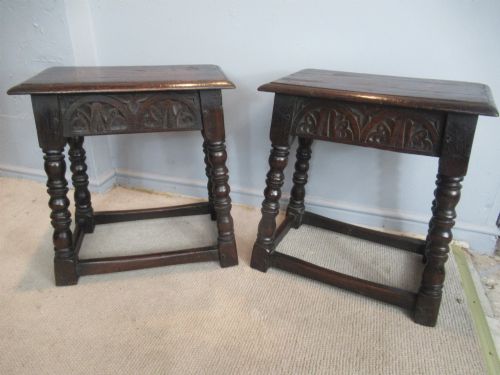
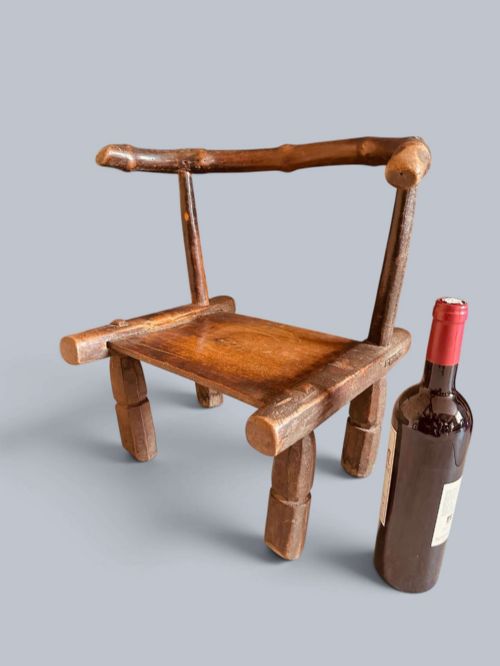
Makers and craftsmen utilised heavy native timber to construct items that survived heavy daily use. Variations span from austere joint construction to heavily carved panel work.
Materials and construction methods
Makers relied primarily on solid oak, supplemented by elm, timber, and occasional brass or iron hardware. Pegged construction and jointed framing provided stability without complex metal fasteners.
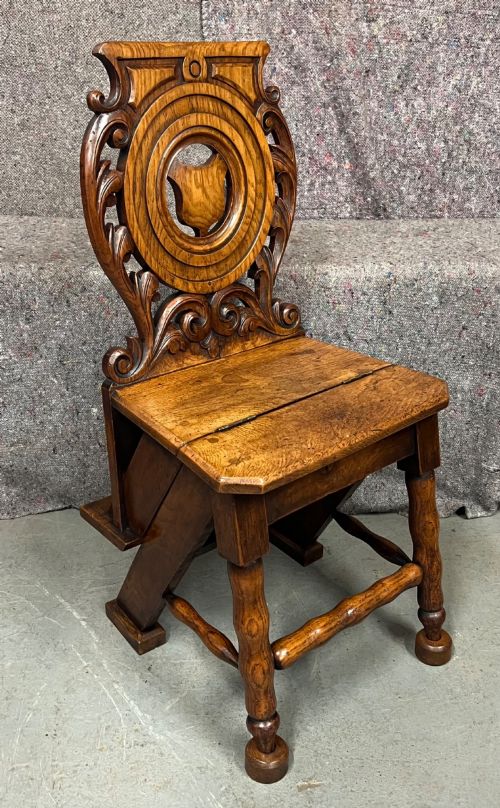
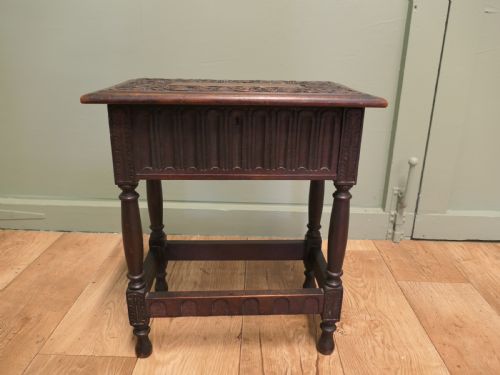
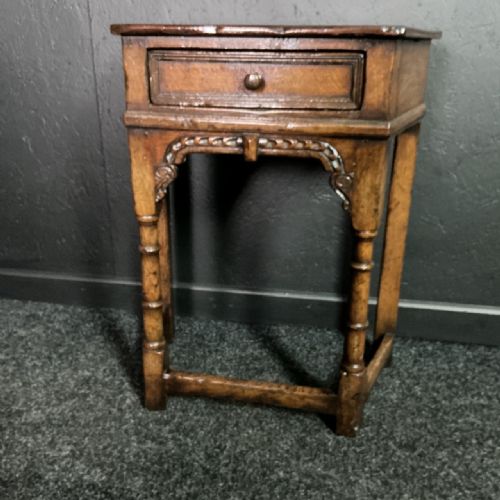
Carving techniques involved chiselling floral, geometric, or strapwork motifs directly into the timber surface. Turnery lathes shaped legs and stretchers, utilising bobbin or straightforward cylindrical profiles.
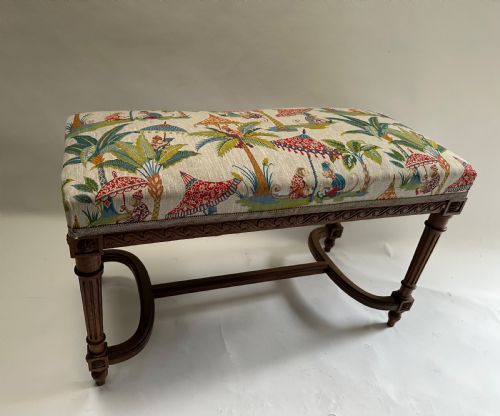
Upholstered variants incorporated fabric or padding over wooden frames, whilst plain timber tops displayed the natural grain of the wood. Finish relied on wax or oil applications to protect the dense material.
Carved Oak Wooden Stool Retail Price Guide 2026
Typical asking prices for carved oak wooden stool among the pieces listed under this phrase on Sellingantiques today, from the lower quarter to the upper quarter. They describe what is for sale here now, not the wider market.
Some seventeenth-century oak seats doubled as commodes, proving our ancestors appreciated multi-tasking furniture just as much as we do today.
Distinguishing quality in older seating
Quality rests upon the integrity of the original construction and the crispness of the hand-carved detail. Dense timber weight and tight joints indicate superior initial production.
The degree of later alteration or replacement timber determines the historical value of each piece. Retaining original pegging and surface patination separates high-grade examples from heavily restored or later revival items.
James Shoolbred Co·Jack Grimble
The Carved Oak Wooden Stool Glossary
- Joint stool
- A sturdy wooden seat constructed with mortise and tenon joints, commonly associated with the seventeenth century and used for seating or domestic tasks.
- Pegged construction
- A method where wooden dowels secure joints together rather than metal nails or screws, typical of older cabinet work.
- Bobbin turned
- A style of leg or stretcher shaped on a lathe to resemble a series of wooden bobbins or spools linked end to end.
- Jacobean Revival
- A nineteenth-century stylistic movement copying the heavy, carved forms of early seventeenth-century English furniture.
- Commode stool
- An enclosed wooden seat designed to house a chamber pot beneath a hinged lid.
Carved Oak Wooden Stool: Frequently Asked Questions
How do I identify a seventeenth century joint stool?
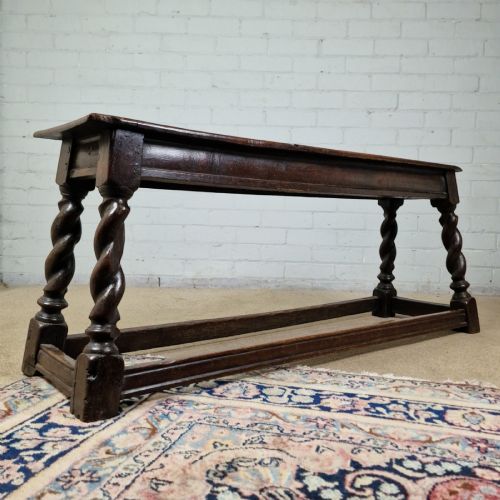
Seventeenth century joint stools feature heavy oak timber, pegged mortise and tenon framing, and outward splaying turned legs connected by low stretchers. Their construction prioritises sheer structural strength over upholstery.
Examine the underside and joints for hand tool marks and uniform timber oxidation. Genuine examples show centuries of wear on the feet and top surface.
Were these stools used only for sitting?
Historical inventory records show these items performed multiple daily duties around the home. They functioned as small tables, steps for reaching high shelves, and portable platforms.
Their robust timber build allowed them to withstand heavy standing weight as well as ordinary sitting.
How do I care for antique oak furniture?
Maintain antique oak by applying a traditional beeswax polish sparingly to nourish the dry timber. Avoid placing wooden seating near direct heat sources or in damp areas.
Regular dusting with a soft dry cloth prevents dirt accumulation in carved recesses and crevices.
What is the difference between a footstool and a joint stool?
Footstools are generally lower to the ground, designed specifically to support feet while sitting in a larger chair. Joint stools stand taller and possess rigid rectangular tops suitable for independent seating or temporary surface use.
Joint stools also utilise thick framing timbers and stretchers built for load-bearing stability.