
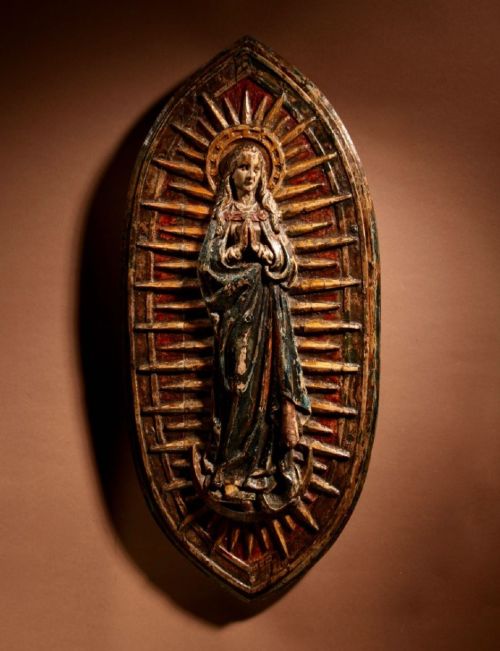
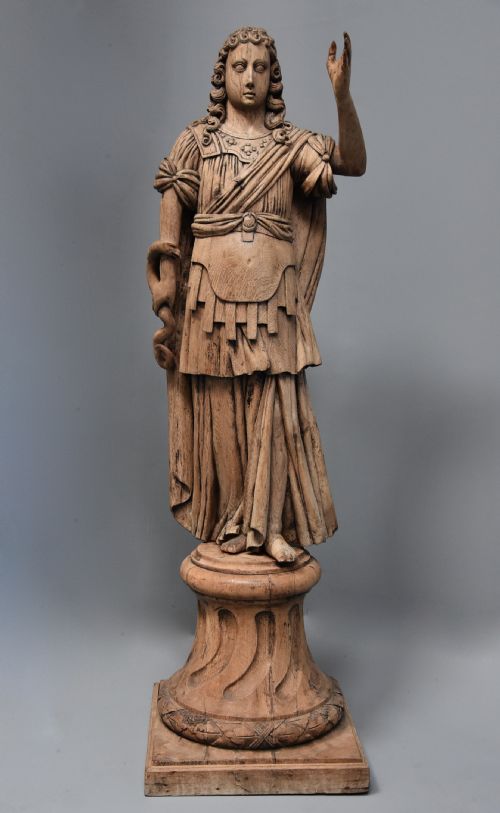
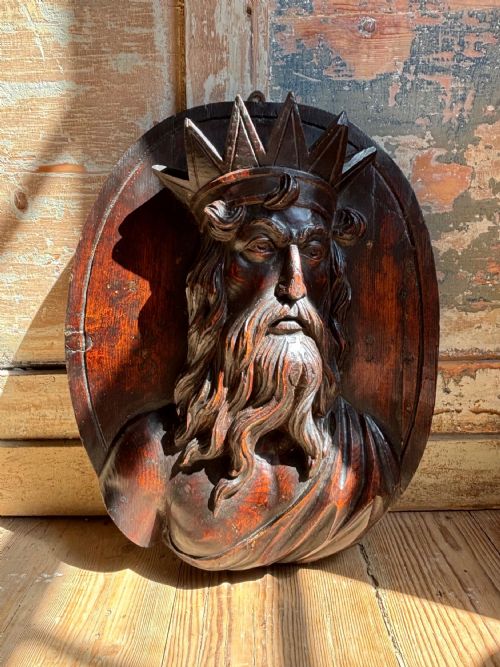
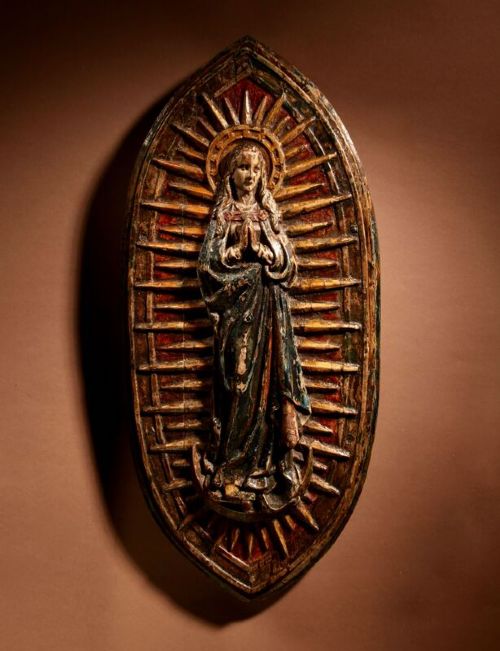


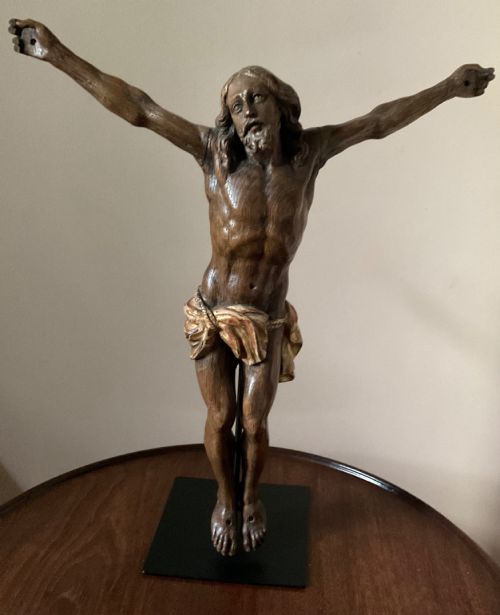
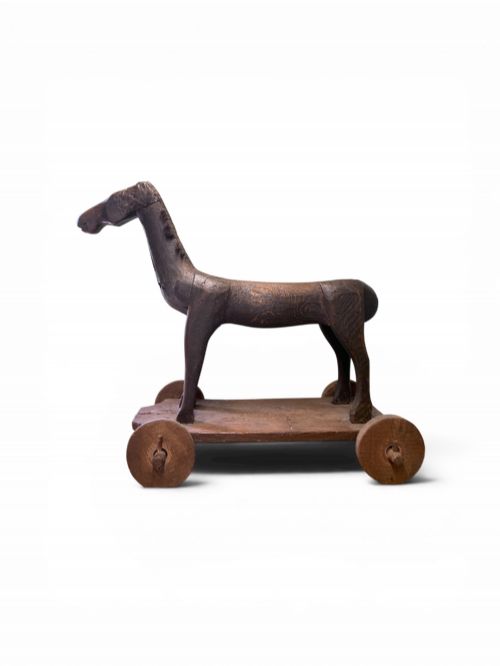
Carved Oak Wooden Sculpture
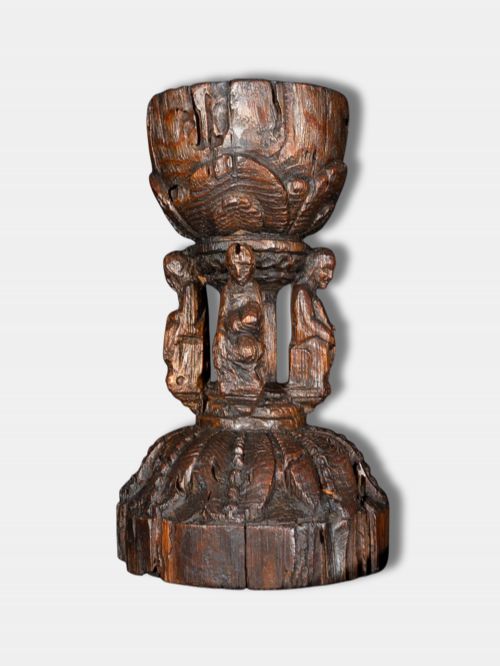
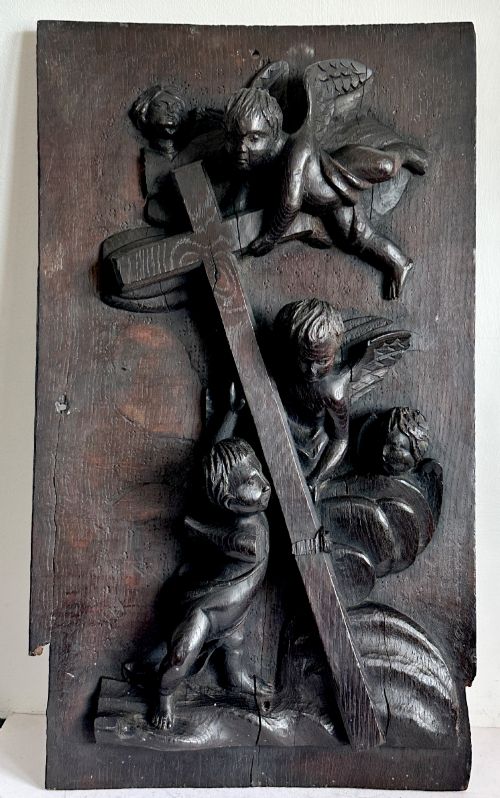
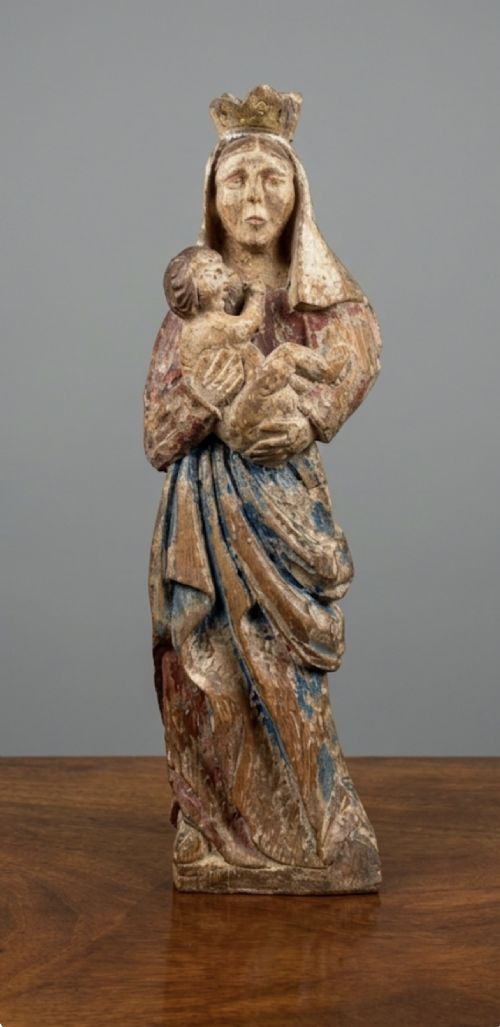
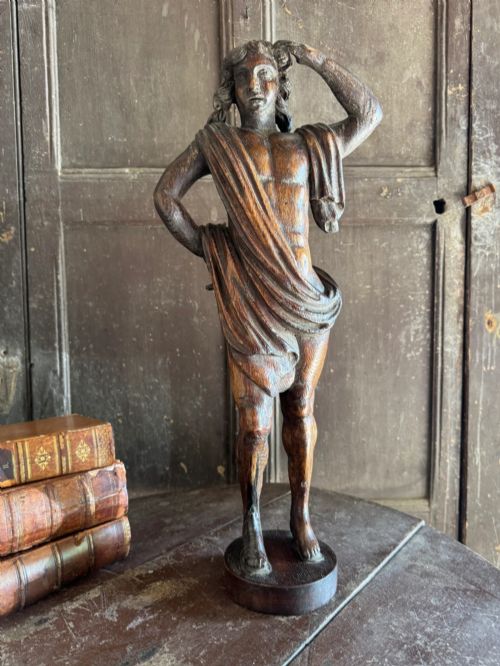
These carved oak wooden sculpture pieces bring centuries of hand-hewn texture and historic presence straight into a room.
Carved Oak Wooden Sculpture
When searching for a carved oak wooden sculpture, buyers encounter a diverse range of historic forms spanning several centuries. The material primarily manifests as architectural fragments, religious figures, wall panels, and decorative pedestals.
Pieces from the sixteenth and seventeenth centuries dominate the aesthetic landscape, alongside later nineteenth-century interpretations. Continental workshops and domestic carvers alike produced these dense timber artefacts for both sacred and secular settings.
The selection ranges from life-size figures and altarpiece panels to functional items such as lecterns and newel post finials. Each item reflects the prevalent architectural and sculptural idioms of its period.
Materials and construction methods
Makers utilised solid timber, selecting dense and durable oak for its longevity and response to chisel work. Hand tools such as gouges and chisels created the deep relief and rounded contours seen across panels and figures.
Selected works received additional surface treatments including polychrome paint, gesso, and gold leaf to heighten their visual impact. Architectural elements and figural groups relied on traditional joinery alongside direct carving from single blocks of timber.
A stoic farm worker stands carved from golden oak alongside a startled mouse on a Pied Piper.
Distinctions in craftsmanship
Proportion and structural integrity separate exceptional survivals from simpler vernacular pieces. The handling of grain and the preservation of original surface finishes significantly influence the character of each work.
Edward Pearce·Franz Keller
The Carved Oak Wooden Sculpture Glossary
- Polychrome
- Painted in several colours. This surface treatment often appears on historic religious figures and panels.
- Gesso
- A plaster-like mixture applied as a smooth base for paint or gold leaf. Artisans used this to prepare wooden surfaces for gilding.
- Caryatid
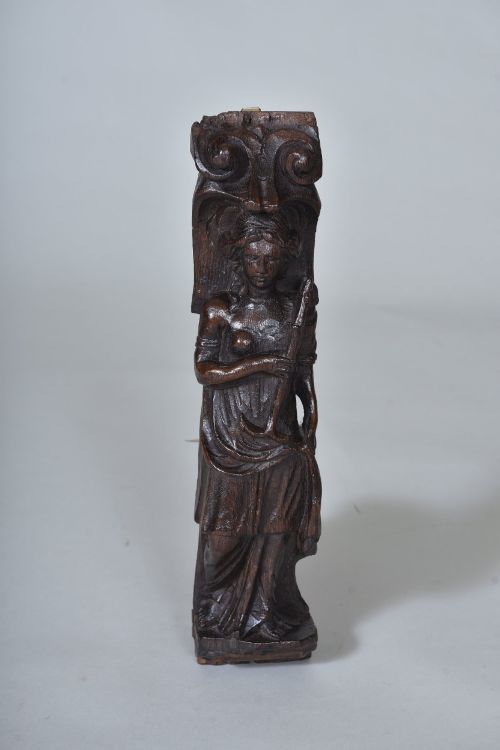
- A sculpted female figure serving as an architectural support. These elements frequently appear on furniture and columns.
- Corbel
- A structural piece of stone or wood projecting from a wall to support a weight. Many examples take carved figural or foliate forms.
- Solomonic
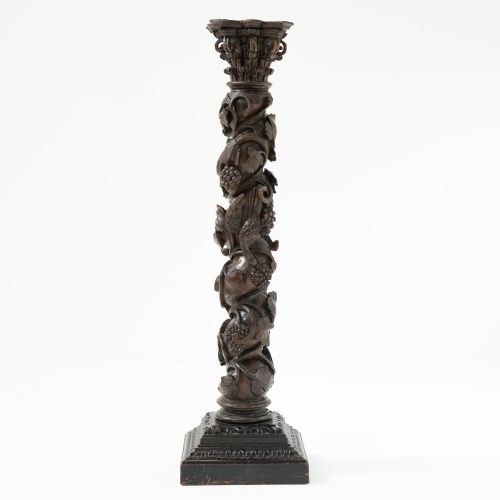
- Having a twisted, spiral shaft resembling a column from the Temple of Solomon. This style appears on decorative pedestals.
Carved Oak Wooden Sculpture: Frequently Asked Questions
What periods do these sculptures cover?
The available selection spans from pre-sixteenth century medieval fragments up through the nineteenth and early twentieth centuries.
Major stylistic shifts are represented across the Renaissance, Baroque, Gothic Revival, and Arts and Crafts movements.
How were these wooden sculptures used?
Many early pieces originated as architectural salvage, altarpiece panels, or religious statues intended for devotional spaces.
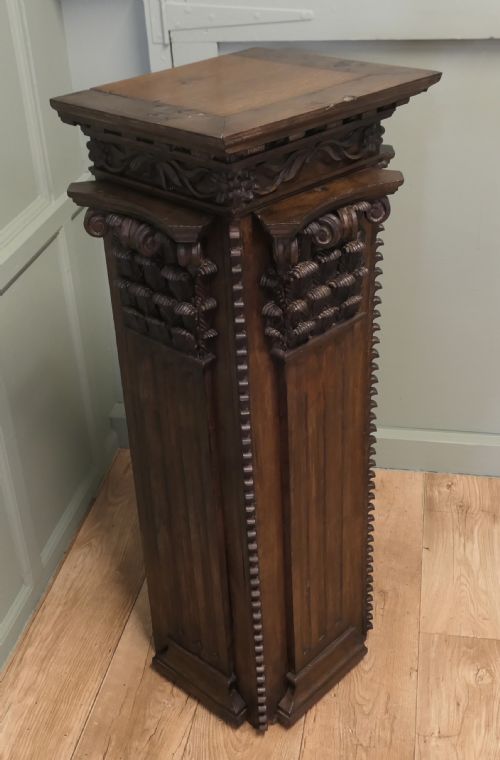
Other examples functioned as secular ornaments, wall masks, structural brackets, and display pedestals for grand interiors.
How do I identify sixteenth-century pieces?
Sixteenth-century works often exhibit Gothic or Renaissance characteristics, including distinct figural proportions and deep relief carving.
Evidence from this era frequently includes architectural fragments and religious panels from European workshops.
Are painted wooden sculptures common?
Surface treatments such as polychrome paint, gesso, and gold leaf appear on specific religious figures and decorative panels.
These finishes provided vibrant colour and ornamentation, though many surviving pieces now show weathered or exposed timber grain.