



Carved Oak Welsh Hutch
These carved oak welsh hutch pieces bring enduring utility and historic character to a room, offering both display space and deep storage.
Carved Oak Welsh Hutch
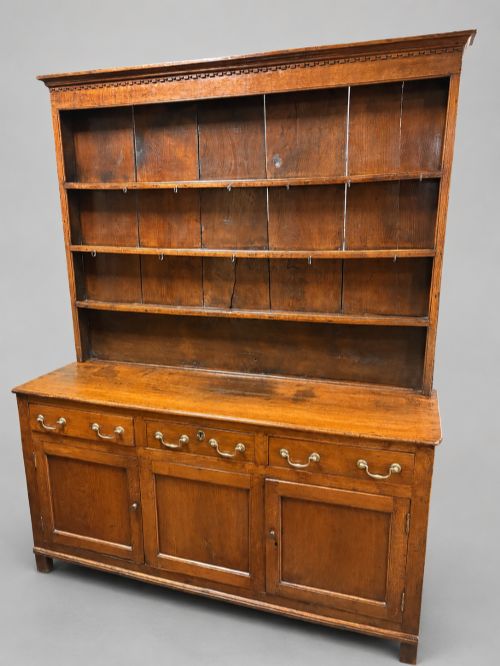
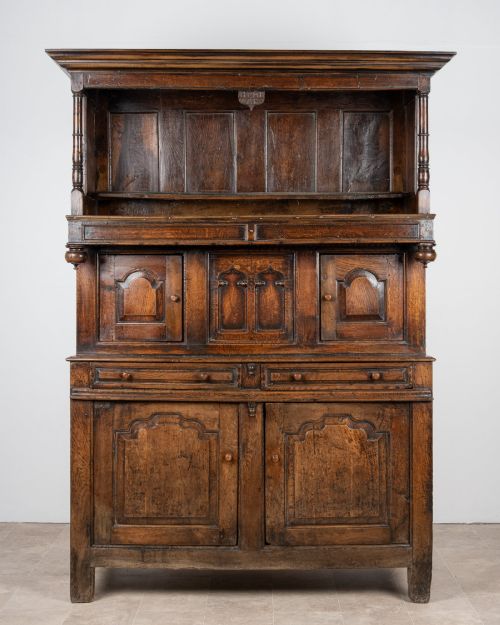
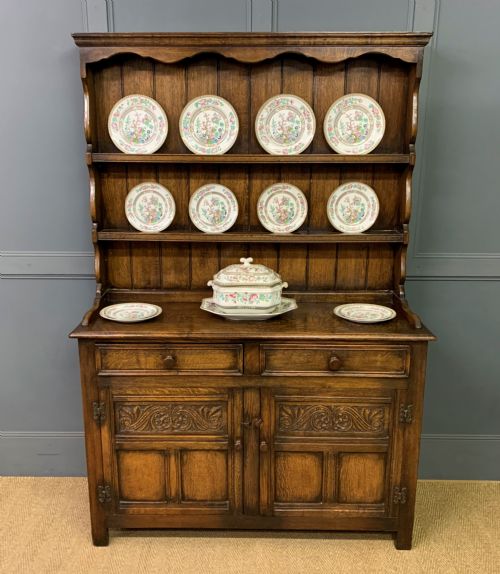
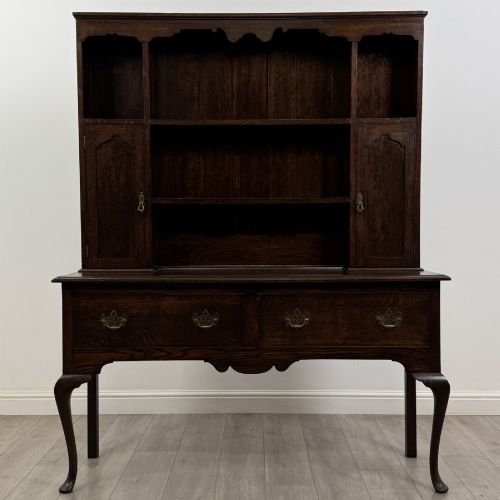
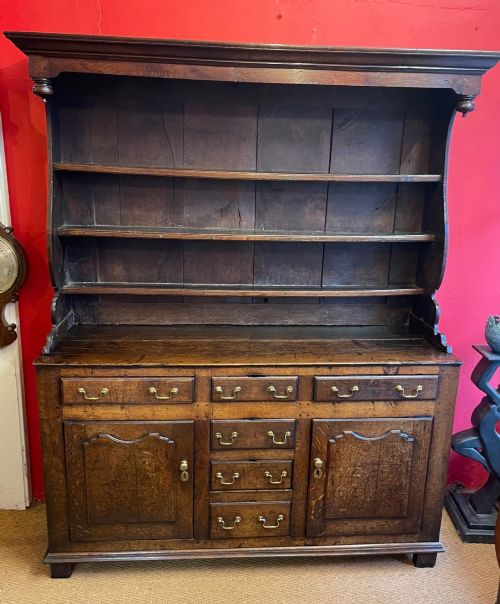
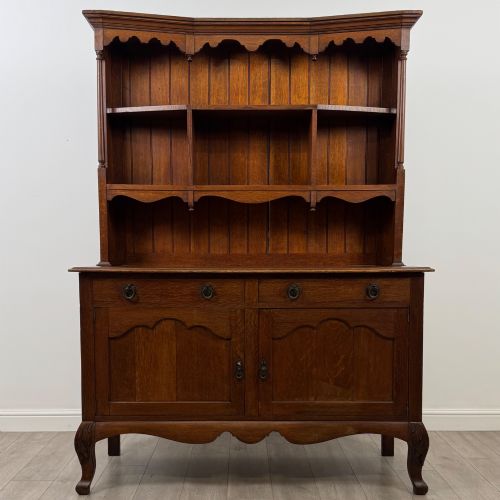
A carved oak welsh hutch typically combines a lower base of drawers or cupboards with an upper plate rack for displaying ceramic dishes. You will encounter examples spanning the eighteenth and nineteenth centuries, alongside revival pieces from the early twentieth century.
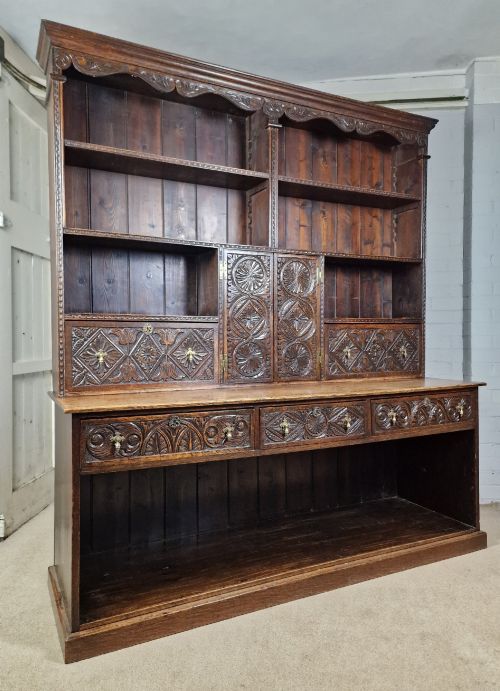
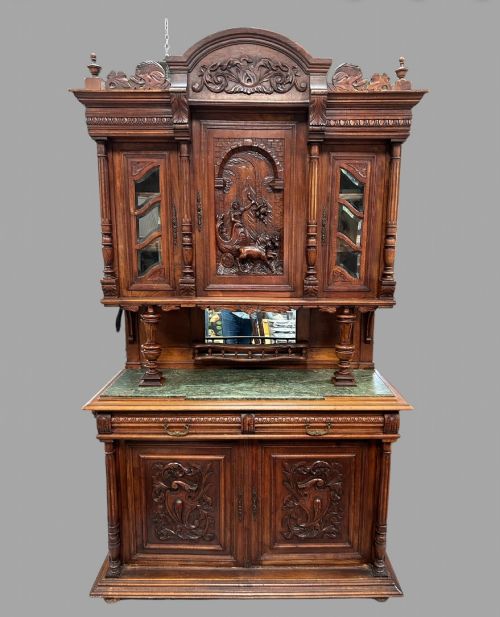
The regional origins and revival movements introduce distinct variations, from simple country pieces to heavily ornamented styles featuring green man carvings and geometric patterns. These items frequently appear under related descriptions like dressers, sideboards, and buffet vaisseliers.
The structure generally divides into two parts for transport, uniting a heavy base with an open or glazed shelving superstructure. Most selections remain steadfastly rooted in regional British and continental farmhouse traditions.
Materials and Technique
Makers relied primarily on solid oak, frequently augmented with secondary timbers such as pine, walnut, and mahogany for internal framing and drawer linings. Brass hardware, iron fittings, and occasional glass doors complete the structural assembly.
Traditional joinery methods dictate the construction, utilising pegged mortise and tenon joints to secure the heavy timber frames. Carving techniques range from disciplined geometric incisions to elaborate figural motifs and revival stylings executed entirely by hand.
Surface finishes developed naturally through decades of waxing and daily use, preserving the deep grain patterns of the timber. Plate racks were constructed with sturdy vertical boards to support heavy earthenware platters without sagging.
Carved Oak Welsh Hutch Retail Price Guide 2026
Typical asking prices for carved oak welsh hutch among the pieces listed under this phrase on Sellingantiques today, from the lower quarter to the upper quarter. They describe what is for sale here now, not the wider market.
Listings span from the early eighteenth century through to 1930s Ipswich oak revival pieces, incorporating French provincial walnut alongside British oak.
Judging Quality
The integrity of the timber and the depth of the carving separate standard examples from finer items. Superior pieces display crisp, purposeful chisel work on the friezes and panels rather than shallow, mechanical impressions.
Proportion and structural balance dictate the standing of a piece within its period. Items retaining their original two-part configuration and unreplaced brass hardware hold greater historical coherence than those altered over time.
Heals of London
The Carved Oak Welsh Hutch Glossary
- Belly rack
- A pronounced convex curvature to the lower cupboard doors or drawer fronts of a dresser base. This sculptural feature adds visual depth to eighteenth-century country furniture.
- Plate rack
- The open shelving superstructure mounted above the main base unit, designed specifically to display ceramic plates and platters upright. It often incorporates plate grooves along the wooden ledges.
- Breakfront
- A cabinet or dresser front where the central section projects forward beyond the flanking sides. This layout creates architectural rhythm across the storage drawers and cupboards.
- Green man
- A sculptural architectural motif depicting a human face disgorging foliage, commonly found on nineteenth-century revival carvings. It represents rebirth and the spirit of vegetation.
- Geometric carvings
- Relief patterns composed of repeating straight lines, diamonds, and polygons cut directly into the oak panels. These decorations are characteristic of seventeenth and early eighteenth-century joinery.
Carved Oak Welsh Hutch: Frequently Asked Questions
What is a welsh hutch used for?
These pieces served as the central storage and display hub for domestic crockery, linens, and dry goods in traditional kitchens. The upper shelves kept everyday ceramics visible and accessible, while enclosed cupboards and drawers secured heavier items.
Today, they function similarly in modern dining spaces and kitchens, housing tableware while introducing substantial architectural presence and historic warmth to an interior.
How do I date an antique oak dresser?
Dating relies on observing construction methods, timber choice, and decorative styles across the piece. Eighteenth-century examples often display hand-sawn boards and pegged joinery, whereas later nineteenth-century items introduce machine-cut elements and revival motifs like green man carvings.
Examining the drawer linings and backboards helps distinguish genuine age from early twentieth-century revival pieces built in the Jacobean style.
Are these dressers heavy to move?
Most traditional examples are constructed from solid oak and walnut, making them exceptionally heavy pieces of furniture. However, the majority of these items separate into two distinct sections, dividing the heavy lower buffet from the lighter upper plate rack.
This two-part construction simplifies transportation and installation, allowing the base and rack to be carried independently before being reunited against a wall.
How should I care for an oak dresser?
Maintenance requires keeping the timber away from direct heat sources and extreme humidity fluctuations to prevent wood movement and splitting. Regular applications of traditional beeswax nourish the grain and preserve the natural patina without sealing the wood.
Avoid using modern silicone sprays, as they can build up on the historic surface and alter the soft sheen developed over centuries.