

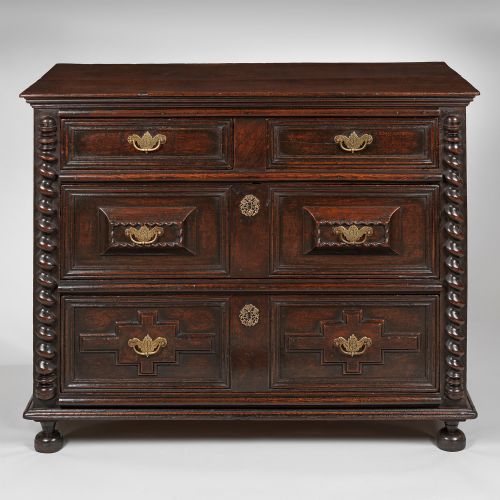


Carved Oak Tallboy Dresser
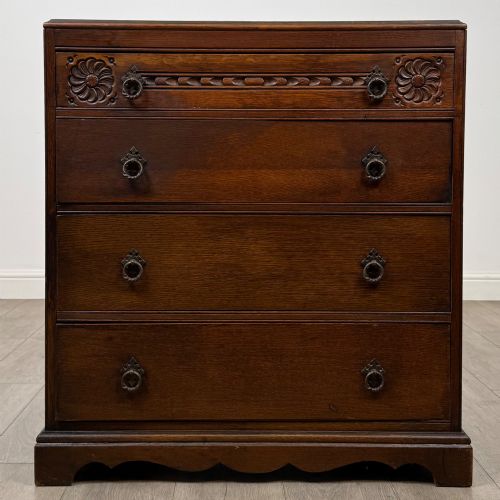
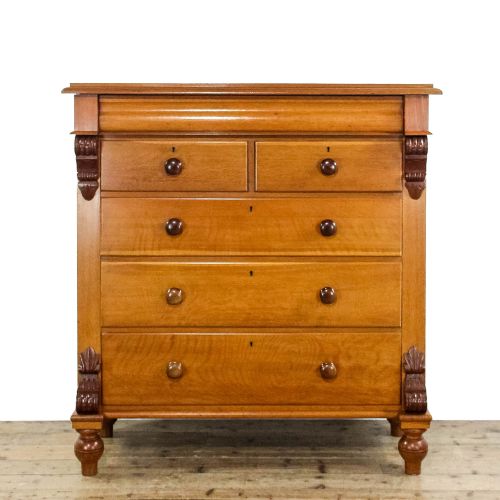
These carved oak tallboy dresser pieces span centuries of regional joinery, offering sturdy storage through substantial timber frames and deep drawer arrangements.
Carved Oak Tallboy Dresser
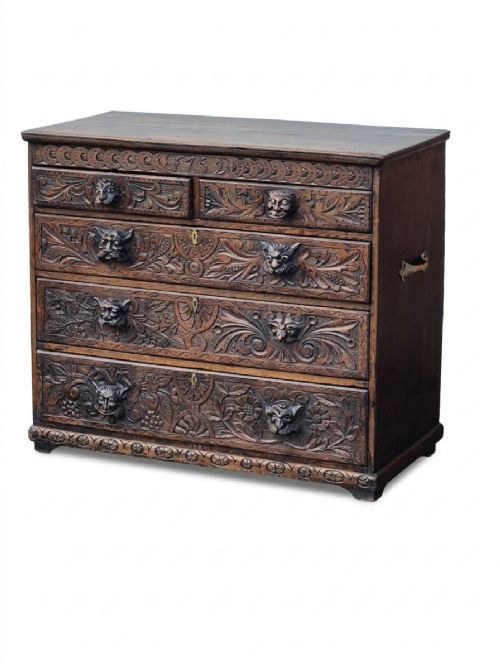
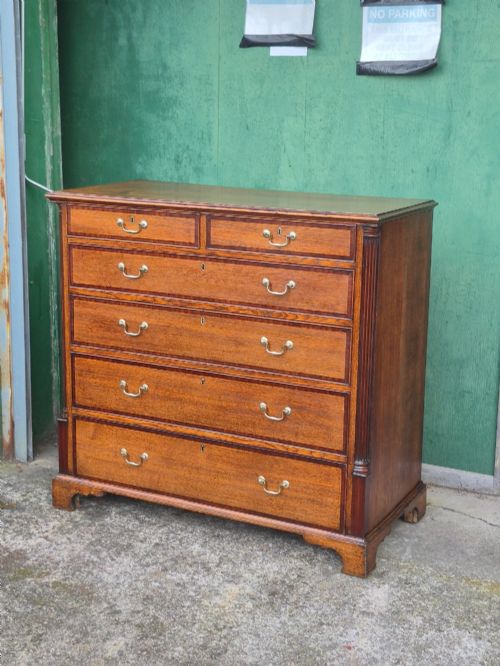
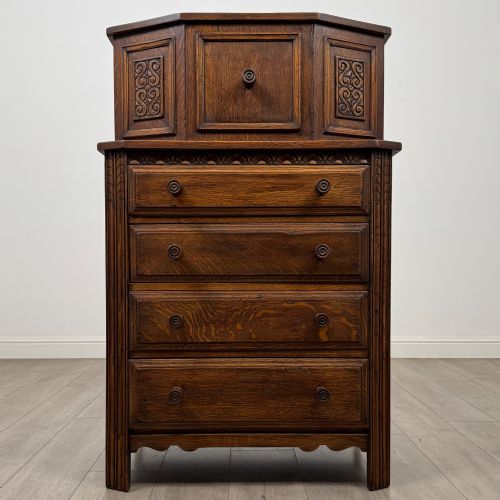
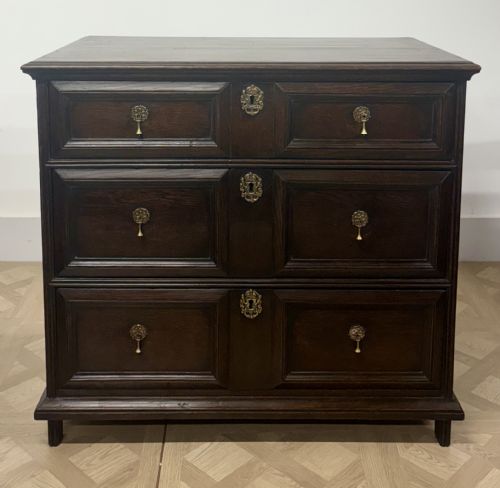
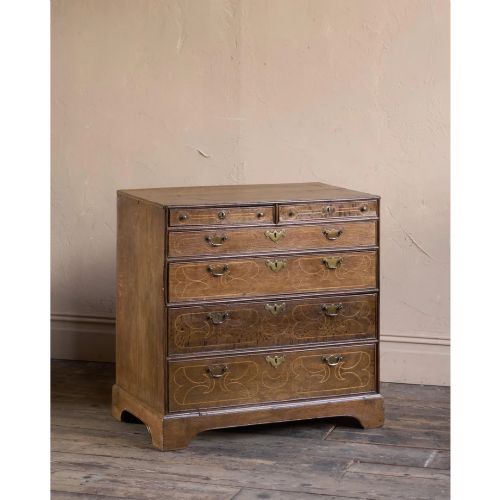
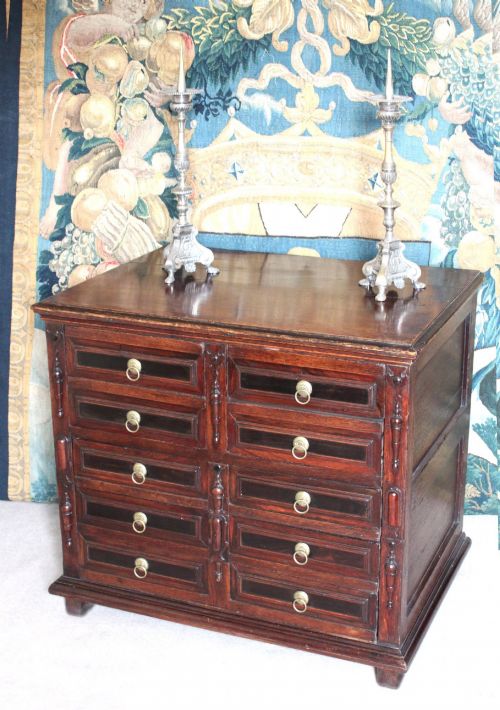
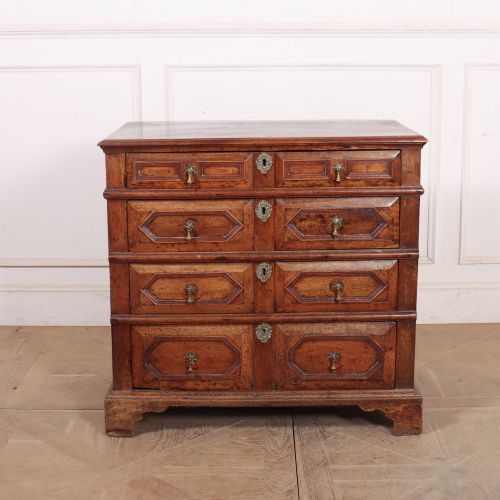
Buyers encounter various configurations including straight front chests, two-part chests with geometric mouldings, and elevated pieces like the chest on stand. These items serve primarily as practical storage vessels while displaying period ornamentation such as linenfold panels, intricate carving, and fruitwood inlay.
The materials pivot predominantly around solid oak, though secondary woods like walnut, mahogany, and fruitwood appear alongside metal and brass hardware. Pieces range from regional English and Norfolk makes to Anglo-Indian and continental variants, each reflecting the domestic carpentry standards of their respective eras.
How They Were Made
Cabinet makers utilised dense native hardwoods, predominantly oak, supplemented by walnut, fruitwood, and mahogany for contrasting inlays and structural components. Timbers were hand-sawn and joined using traditional methods suited to the weight of the wood.
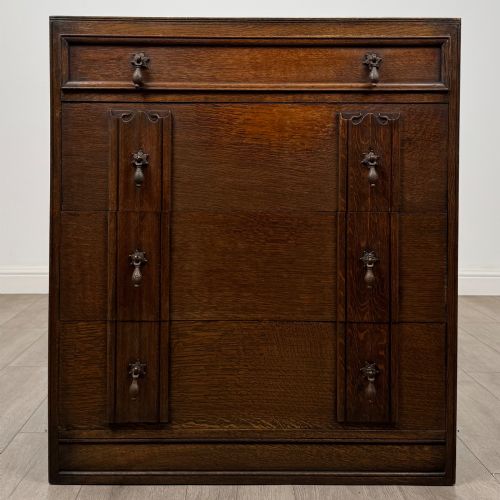
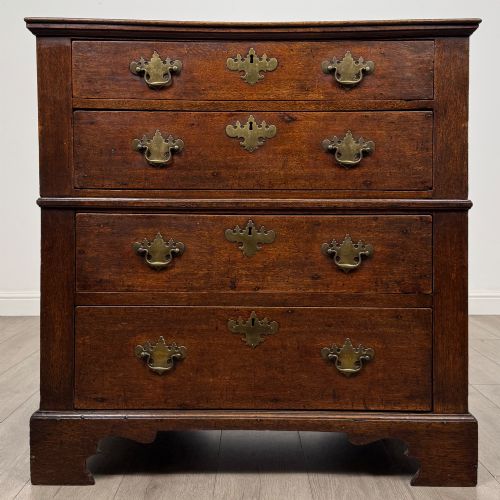
Surface decoration involved skilled carving, geometric mouldings, and applied ornamentation such as linenfold detailing and fielded panels. Hardware frequently included brass drop handles and escutcheons secured to robust drawer fronts.
Listings span from the seventeenth century through the Edwardian period, uniting solid oak, walnut, and mahogany across diverse regional forms.
What Varies in Quality
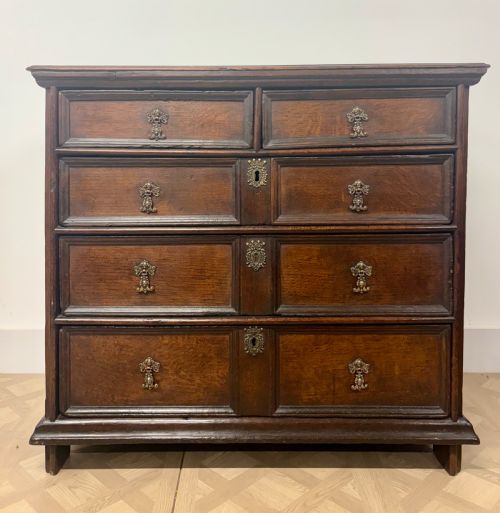
The grade of a piece rests heavily on the crispness of the timber carving and the architectural ambition of the mouldings, such as geometric applied work on two-part chests. Earlier examples from the seventeenth century often display more pronounced hand-tool marks and sophisticated joinery compared to later revival pieces.
Originality of surface finish and hardware dictates much of the standing within this category. Surviving period brasses, intact polish, and minimal timber replacement elevate an item above heavily restored equivalents.
Peter Waals
The Carved Oak Tallboy Dresser Glossary
- Tallboy dresser
- A tall storage furniture piece combining multiple drawers, often vertically stacked to maximise capacity while maintaining a compact footprint.
- Geometric mouldings
- Raised wooden profiles applied to drawer fronts in repeating patterns, popular during the seventeenth century on pieces like Charles II chests.
- Linenfold
- A style of relief carving designed to resemble folded fabric, frequently seen on panelled wooden furniture from the Tudor period onwards.
- Chest on stand
- A form where a primary drawer section rests upon a separate low table base, elevating the storage unit off the floor.
- Limed oak
- A wood treatment involving a white pigment rubbed into the grain to lighten the timber tone, common in Arts and Crafts pieces.
Carved Oak Tallboy Dresser: Frequently Asked Questions
How do I date an oak chest?
Dating relies on observing construction techniques, tool marks, and hardware types used across different centuries. Earlier seventeenth-century pieces show hand-riven timber and pegged joinery.
Later Victorian and Edwardian examples utilise machine-sawn components and standardised drawer runners. Stylistic clues like linenfold panels or geometric mouldings further anchor items to specific reigns.
What is a two-part chest?
A two-part chest consists of two separate carcass sections stacked one upon the other to form a taller storage unit. This construction method aided transportation in earlier centuries.
Such items frequently feature geometric mouldings across the drawer fronts and date from the seventeenth century.
Are these pieces made of solid oak?
Most listings in this category feature solid oak primary construction, often accompanied by secondary timbers like deal or fruitwood inside drawer linings. Cabinet makers selected oak for its durability and abundance in domestic joinery.
Some later or continental variations incorporate walnut, mahogany, or specialised inlays.
How do I clean antique oak furniture?
Maintenance requires gentle dusting with a dry, soft cloth to prevent particulate accumulation on carved surfaces and mouldings. Avoid modern chemical sprays that can degrade historic wax finishes.
Periodic application of traditional beeswax helps nourish the dry timber and maintain a natural sheen.