
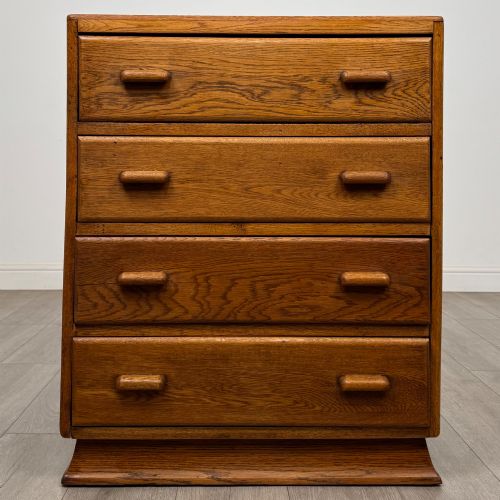

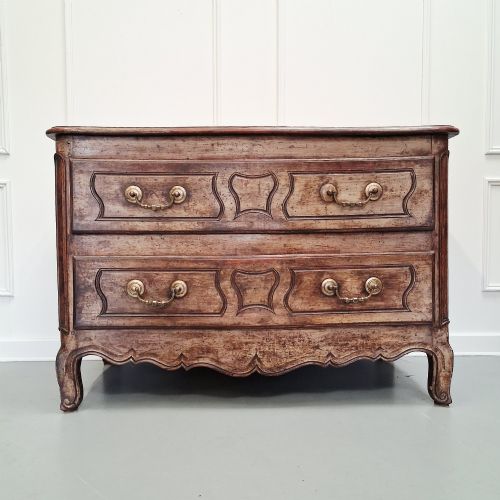
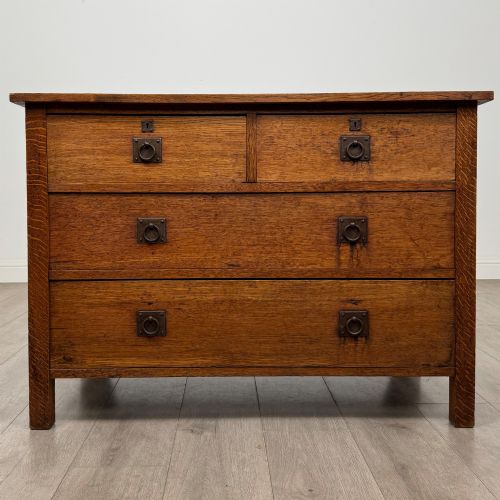
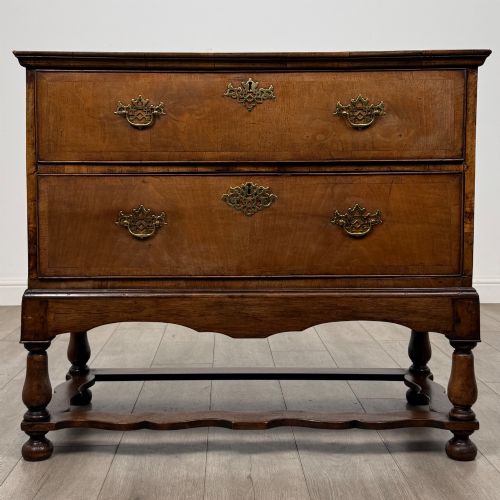
Brown Oak Bedroom Dresser
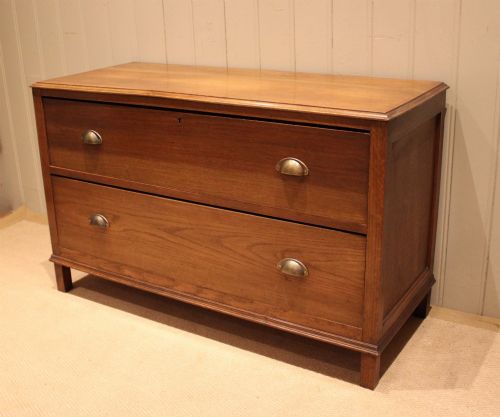
These brown oak bedroom dresser options bring sturdy timber and functional storage into domestic spaces, drawing on centuries of traditional British cabinet-making.
Brown Oak Bedroom Dresser
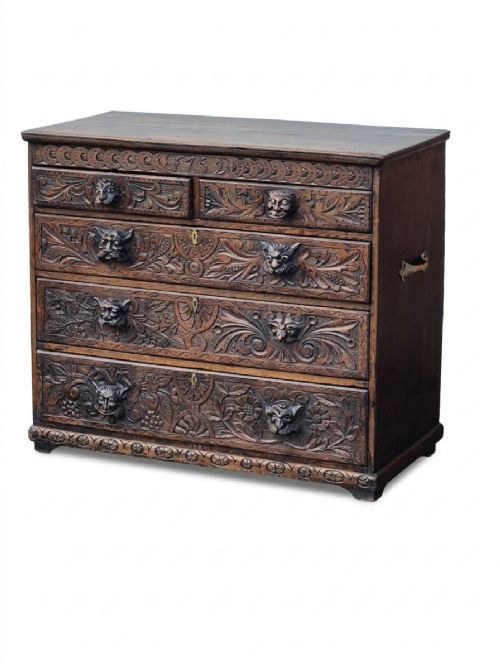
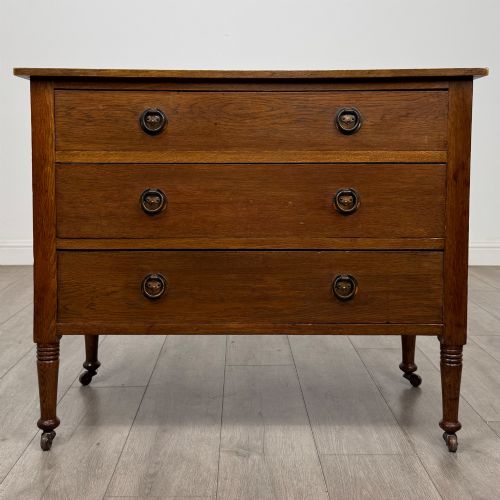
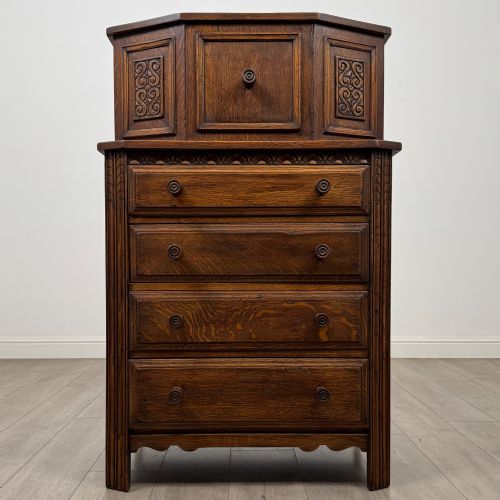
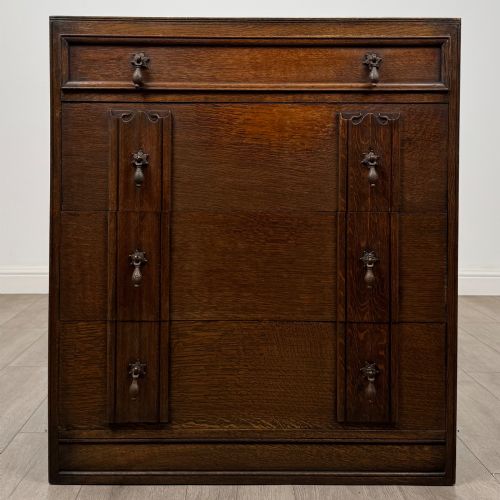
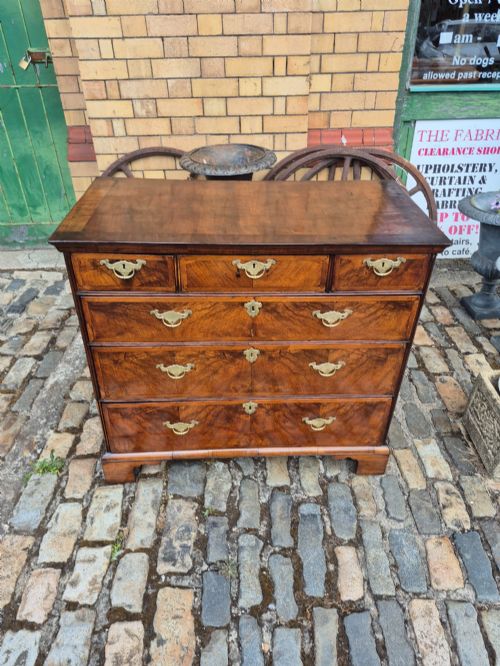
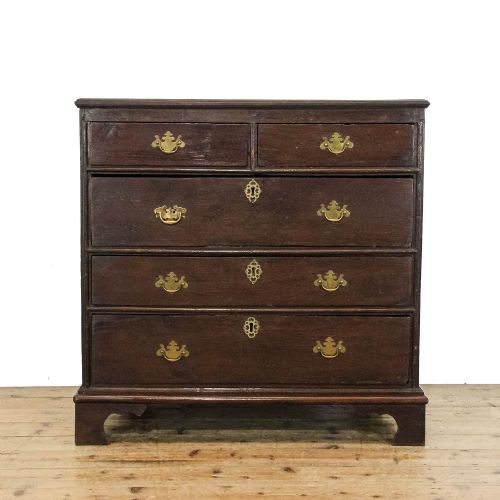
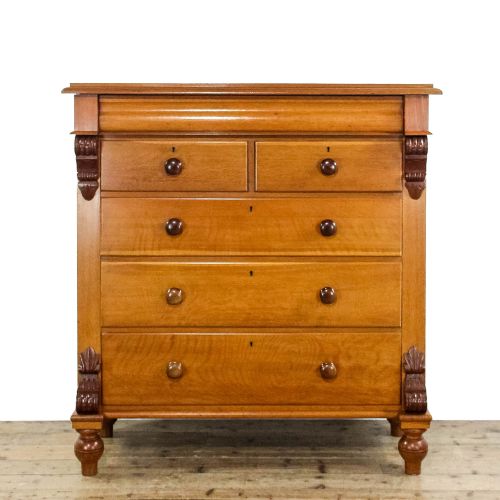
The most common forms on this page are chests of drawers and dressing tables, utilising sturdy timbers like oak alongside occasional accents of mahogany, walnut, or brass handles. Buyers encounter straightforward utilitarian pieces alongside more decorative examples featuring linenfold panels or geometric mouldings.
Origins range across British and continental workshops, incorporating regional English country styles as well as French commodes and American three-drawer chests. The overarching function remains straightforward storage, scaled for bedrooms through various heights and widths.
Materials and construction methods
Cabinet-makers relied primarily on solid oak, selected for its dense grain and durability, frequently supplemented by secondary woods like mahogany and walnut for crossbanding or decorative veneers. Iron and brass hardware completed the construction, securing drawers and doors built to withstand daily domestic use.
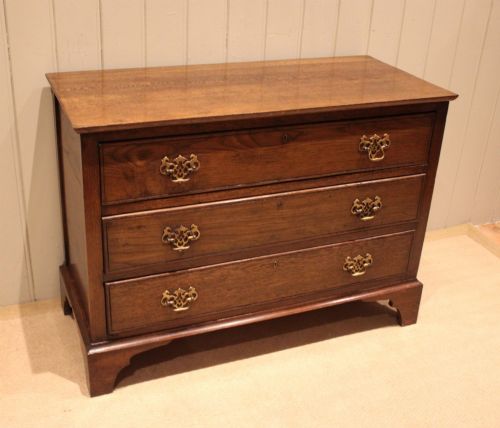
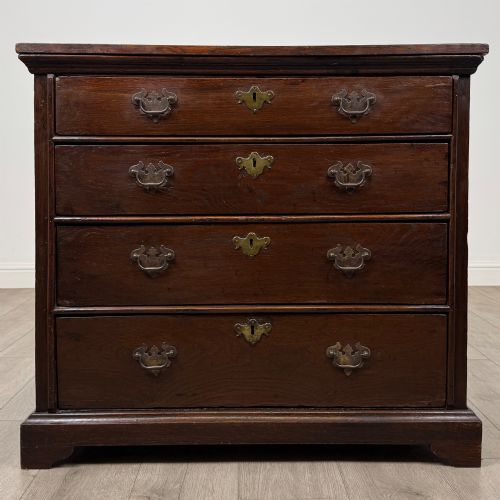
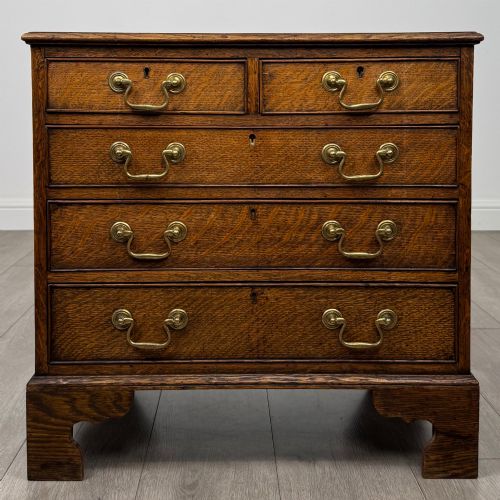
Joinery techniques varied by period, shifting from early seventeenth-century geometric mouldings and hand-carved panels to later eighteenth-century bracket feet and straight-front arrangements. Crossbanding and inlay work added visual contrast to the rich brown timber surfaces.
Several pieces conceal secret compartments behind standard drawers, offering a hidden spot for valuables.
Distinctions in construction and design
Quality rests upon the integrity of the timber selection and the precision of the period joinery, distinguishing straightforward utilitarian storage from elaborately carved or inlaid examples. The presence of original handles, bracket feet, and secondary wood elements elevates the standing of an individual piece.
The sophistication of the stylistic details - ranging from simple Georgian proportions to intricate Jacobean geometric drawer fronts - shapes the character of each cabinet. Pieces maintaining their original surface patination and structural cohesion represent the finer tier of surviving examples.
The Brown Oak Bedroom Dresser Glossary
- Crossbanding
- A narrow strip of veneer applied perpendicularly to the surrounding grain along the edges of a drawer front. This technique frames the primary wood panel with a contrasting border.
- Bracket foot
- A simple foot shaped like a bracket, supporting the corners of a chest of drawers. It typically forms a gentle ogee or plain mitred profile.
- Linenfold
- A style of wood carving that imitates folded parchment or linen. It frequently decorates panels on seventeenth-century and later revival cupboards.
- Geometric moulding
- Raised mouldings applied in geometric patterns to drawer fronts. This decorative approach is particularly characteristic of seventeenth-century Jacobean cabinet-making.
- Straight front
- A chest of drawers design featuring a flat, uncurved facade. It provides a simple, utilitarian profile distinct from serpentine or bow-front alternatives.
Brown Oak Bedroom Dresser: Frequently Asked Questions
What periods do these dressers date from?
The pieces span from the late seventeenth century through the Georgian and Victorian eras up to the Edwardian period. They reflect changing domestic tastes across four centuries of cabinet-making.
Earlier examples often display hand-carved details or geometric mouldings, while later pieces favour clean straight fronts and simpler functional forms.
How were these chests used originally?
These pieces served primarily for storing garments, linens, and personal possessions within domestic bedchambers. Dressing tables provided a dedicated surface for grooming and personal care.
Their robust timber construction ensured they could handle heavy daily use across generations in family homes.
What materials are commonly found?
Oak forms the primary material across the vast majority of pieces, prized for its strength and rich brown colour. Secondary woods such as walnut and mahogany appear in crossbanding and decorative veneers.
Hardware typically consists of brass or iron handles and escutcheons, which secure and operate the drawers.
How do I identify a Georgian style piece?
Georgian and Georgian-style pieces often feature balanced proportions, bracket feet, and neat rectangular drawer configurations. They may incorporate mahogany crossbanding to frame the oak panels.
Subtle cornices and understated brass pull handles further distinguish this eighteenth-century aesthetic from earlier carved styles.