
Carved Oak Sideboard Cupboard
These heavy, timber-framed pieces offer enduring storage, bringing a carved oak sideboard cupboard into a room to anchor the space with substantial character.
Carved Oak Sideboard Cupboard
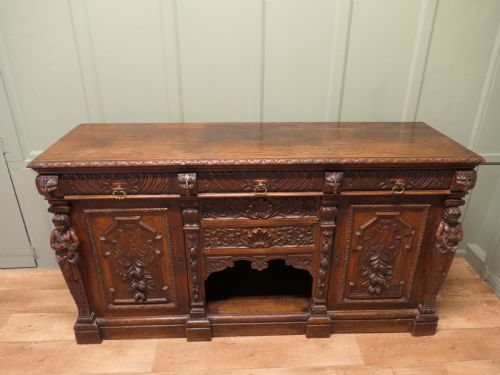
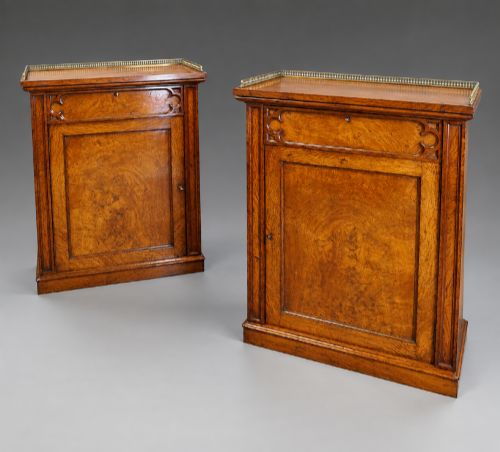
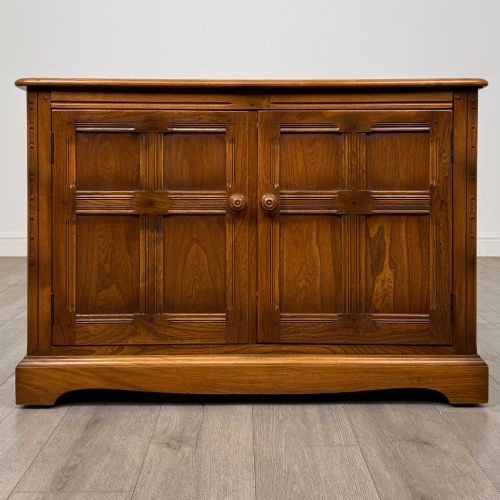
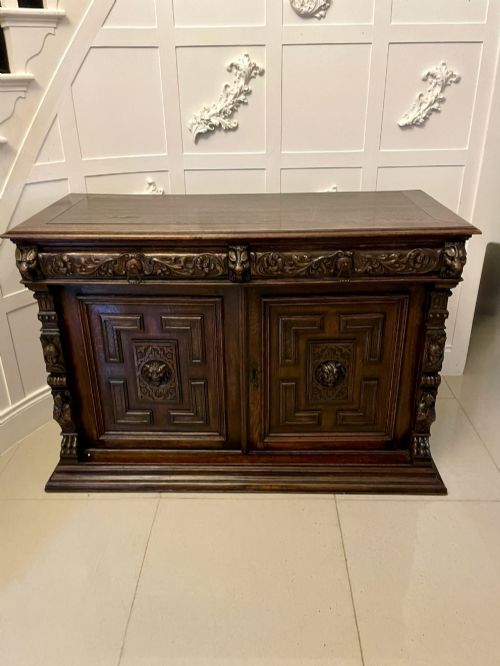
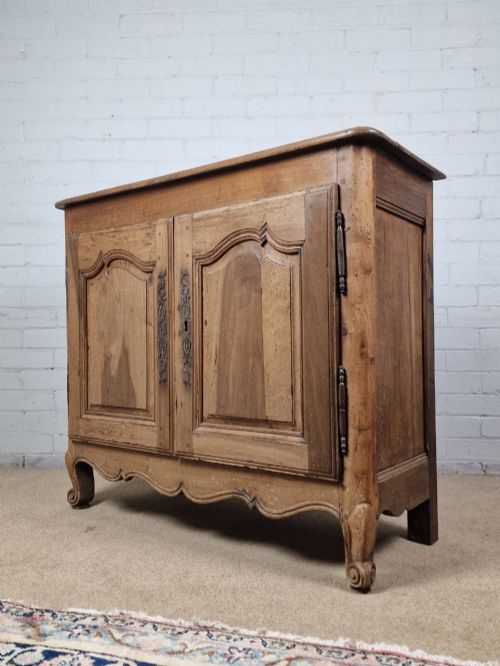
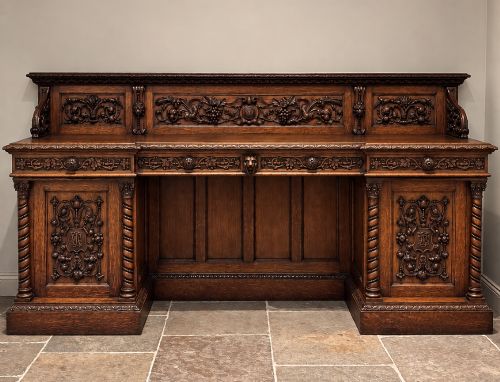
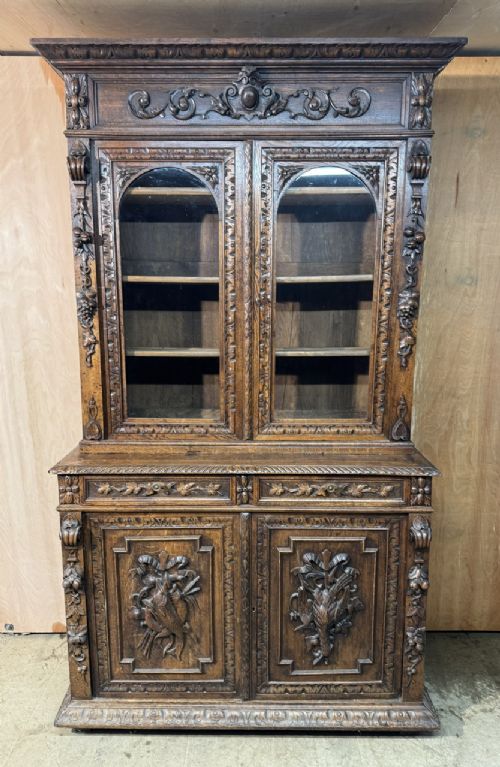
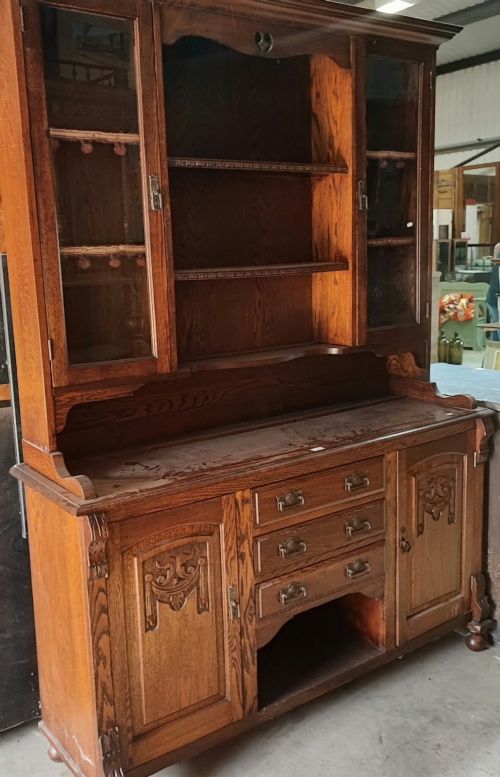
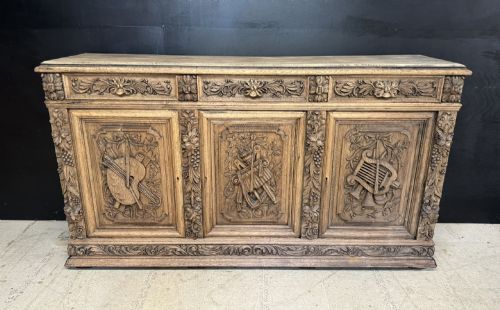
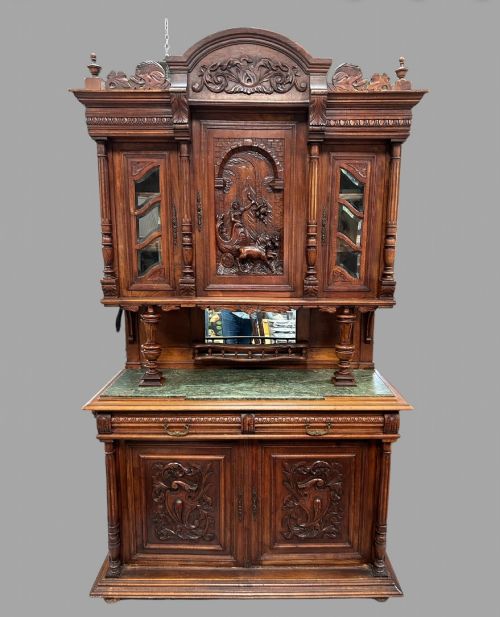
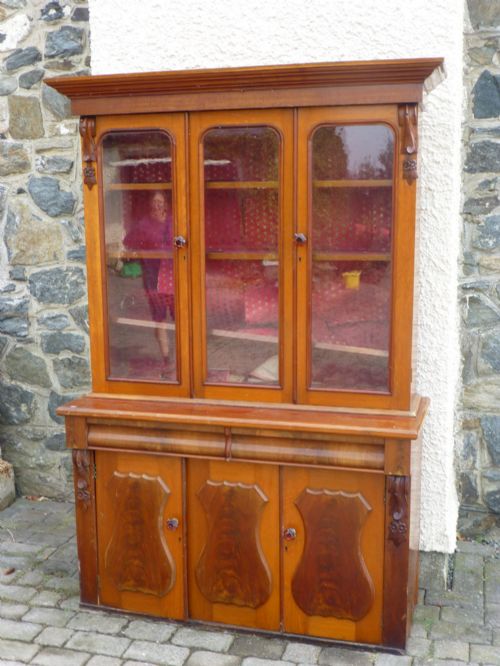
A carved oak sideboard cupboard combines generous storage with deep relief carving, spanning periods from the seventeenth century through to the Edwardian era. You will find forms ranging from court cupboards and dresser bases to heavy Victorian sideboards and French enfilades.
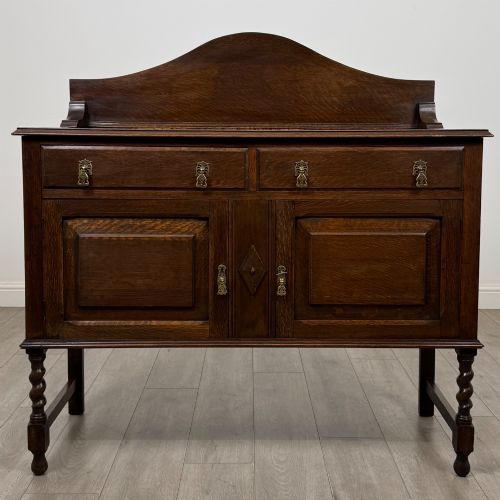
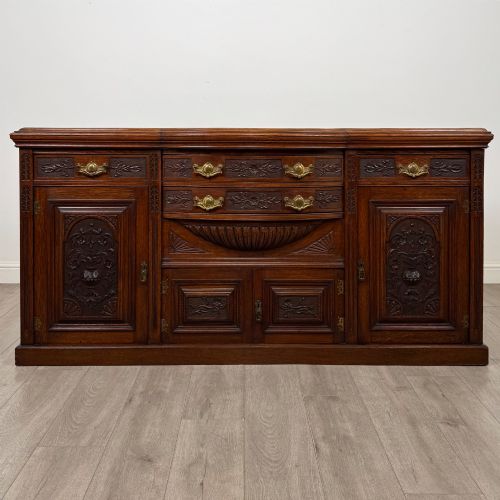
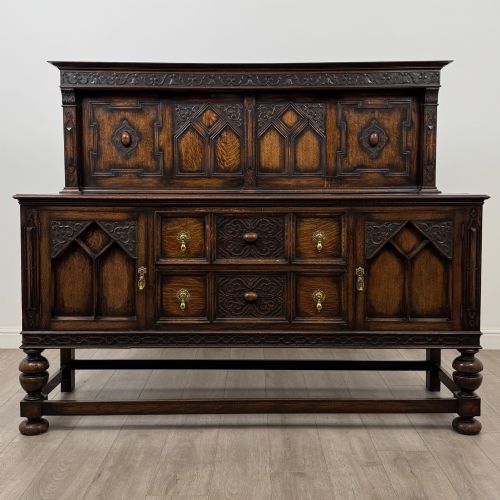
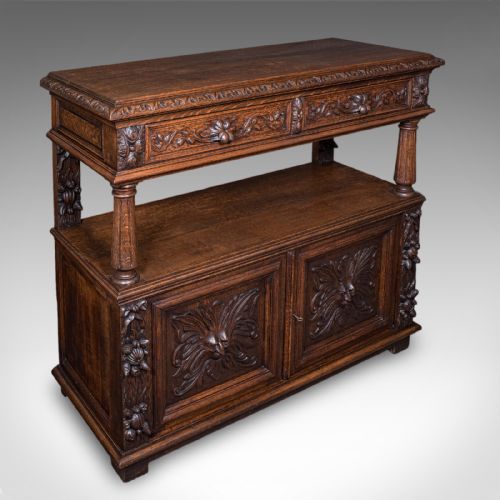
The Edwardian pieces on this page frequently draw upon Jacobean and Gothic styles, utilising golden oak and barley twist legs to lighten traditional heavy formats. Meanwhile, the Victorian and nineteenth-century examples often feature elaborate carving, green man motifs, and substantial proportions designed for dining rooms.
Earlier seventeenth-century examples rely on joined construction and panelled doors, offering a rarer glimpse into vernacular British cabinet making. Buyers searching this phrase meet everything from formal revival sideboards to rustic Welsh dressers and provincial French buffets.
How they were made
Makers relied primarily on solid oak, chosen for its strength and rich grain, sometimes augmented with secondary woods like mahogany or walnut in regional Welsh and French pieces. Construction involved traditional joinery such as mortise and tenon frames, panelled doors, and pegged joints rather than modern fasteners.
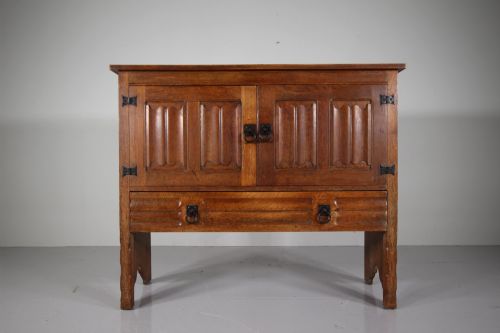
Carving was executed by hand, varying from simple linenfold panels and geometric strapwork to deep figural carvings, lions' masks, and gothic tracery. Brass and iron hardware, including drop handles and butterfly hinges, completed the pieces, often secured with hand-forged nails or screws.
Listings span multiple centuries, uniting seventeenth-century joined cupboards with Edwardian golden oak sideboards and Victorian Gothic revival pieces.
What varies in quality
The depth and crispness of the hand carving dictate much of the visual success, distinguishing finely detailed figures and foliage from flat, mechanical reproduction work. Original surface patination and untouched timber finishes carry significant weight, separating pieces that retain their honest age from those stripped or heavily refinished.
Structural integrity rests on the quality of the timber seasoning and the tightness of the original joints, as unseasoned oak tends to warp or split over centuries. Furthermore, the presence of original iron or brass hardware and unaltered backboards elevates the historical standing of a sideboard cupboard.
Arthur Simpson of Kendal
The Carved Oak Sideboard Cupboard Glossary
- Court cupboard
- A heavy seventeenth-century storage piece featuring an upper recessed cabinet supported by columns above a lower section. These pieces served to display plate and store provisions in wealthy households.
- Linenfold
- A style of wood panel carving resembling folded parchment or linen cloth. It appears frequently on Tudor and Jacobean revival cupboard doors.
- Enfilade
- A long cabinet or sideboard of French origin, typically featuring three or more doors in a straight line. They were designed for grand dining rooms to store serving dishes and linens.
- Green man
- A sculptural architectural ornament depicting a human face emerging from or entwined with foliage. Victorian Gothic revival pieces often incorporate this pagan motif into door panels.
- Barley twist
- A turning technique producing a spiral rope effect on furniture legs and supports. This detail became particularly popular during the seventeenth century and its Edwardian revival.
Carved Oak Sideboard Cupboard: Frequently Asked Questions
What is a court cupboard?
A court cupboard is an enclosed two-tiered storage piece, typically originating from the seventeenth century, used for displaying plate and storing household items.
The upper section is usually recessed and supported by heavy turned columns above a wider lower cabinet or shelf base.
How do I spot a reproduction?
Spotting a reproduction involves examining the tool marks, timber shrinkage, and joinery methods used throughout the internal framework.
Period pieces display irregular hand-cut joints, authentic oxidised patination, and timber movement consistent with centuries of age.
Where should I place a sideboard?
These heavy timber cabinets suit dining rooms, large hallways, or spacious living areas where their substantial proportions anchor the room.
Keep them away from direct heat sources and strong sunlight to protect the aged oak surface and prevent timber splitting.
How do I clean carved oak?
Clean carved oak gently with a dry, soft cloth to remove dust from the recesses of the relief panels without disturbing the wax finish.
Avoid modern liquid polishes containing silicone, choosing instead a traditional beeswax applied sparingly to nourish the dry wood.