
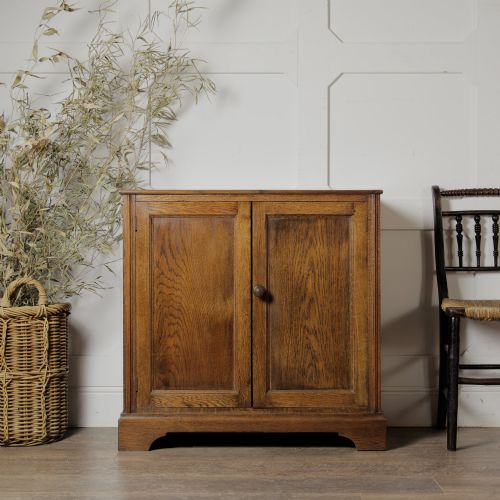
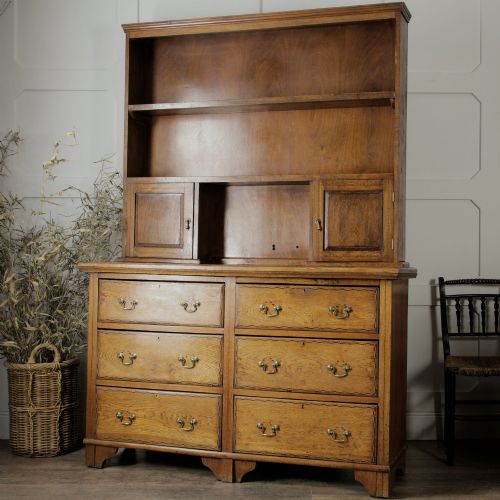
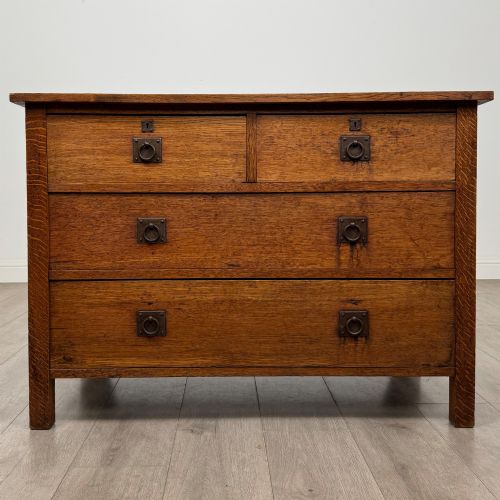
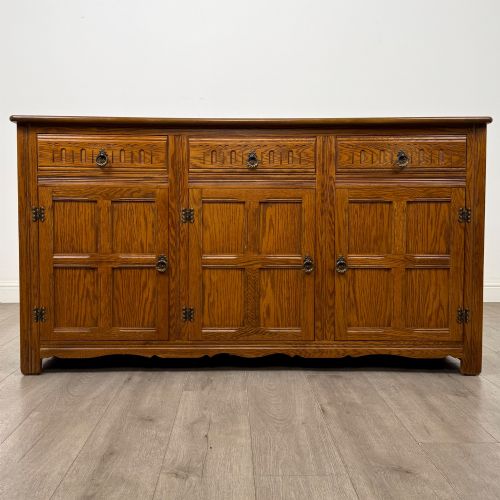
Arts and Crafts Oak Sideboard
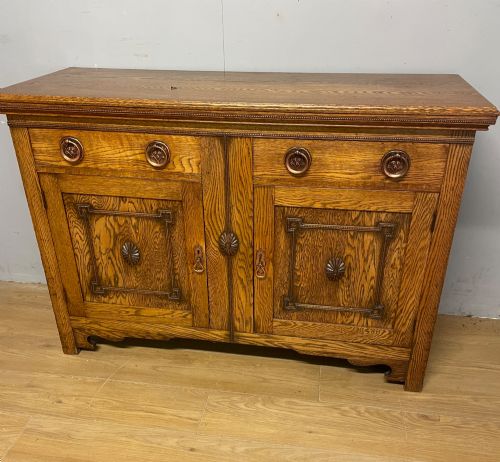
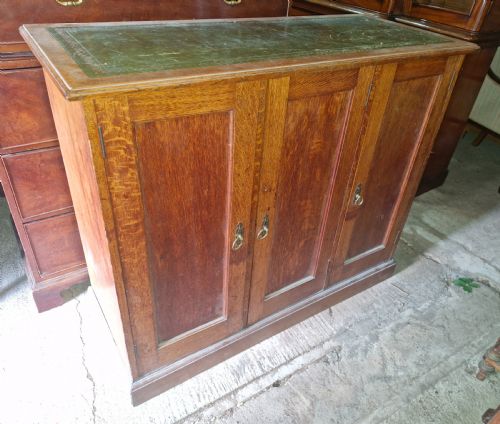
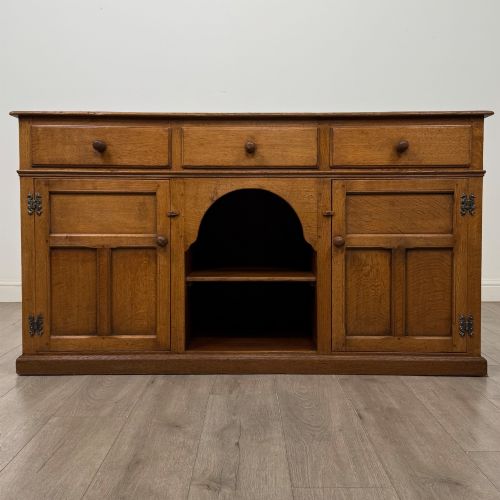
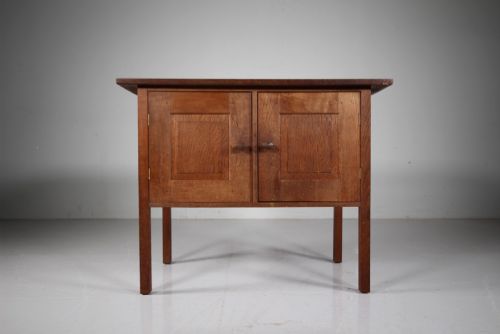
An arts and crafts oak sideboard brings substantial timber construction and thoughtful design into a dining room or living space.
Arts and Crafts Oak Sideboard
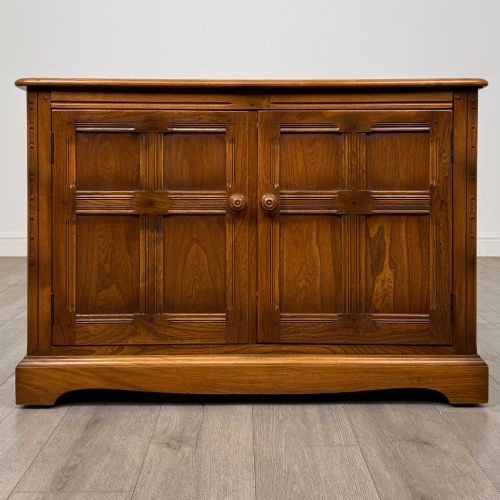
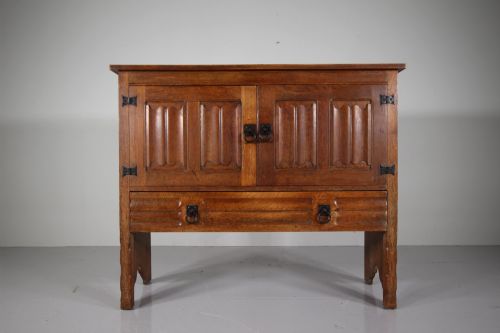
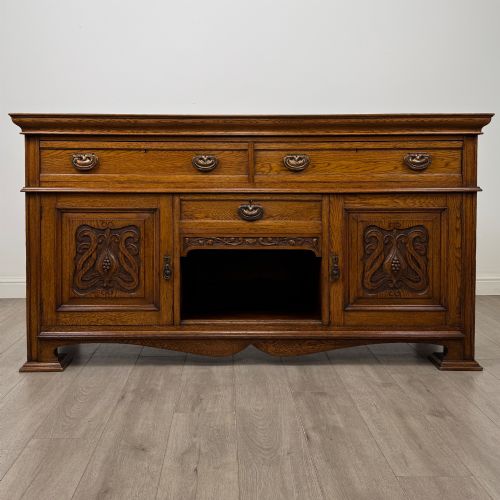
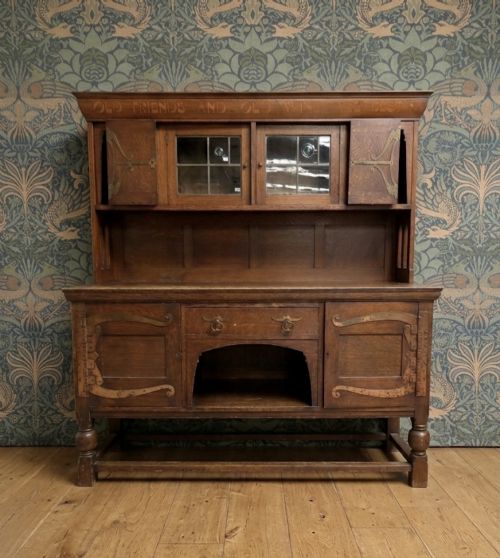
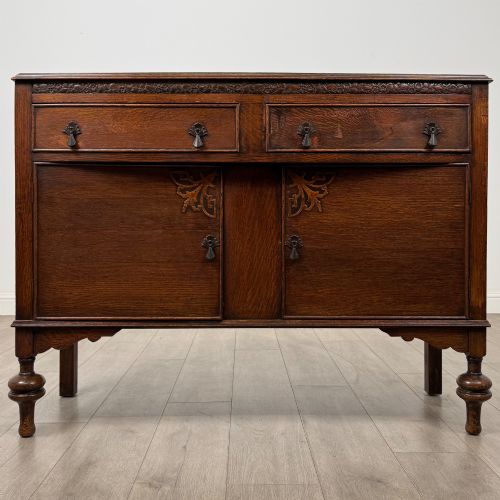
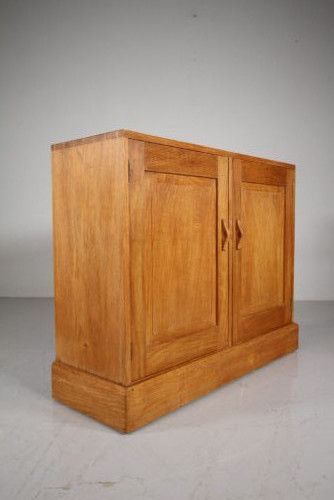
An arts and crafts oak sideboard serves as a practical storage piece for dining rooms, combining cupboards, drawers, and display surfaces. The pieces seen here span from the late nineteenth century through the Edwardian period and into the nineteen-thirties.
Makers utilised solid oak, golden oak, and pollard oak to build these items, reflecting a period of distinct craftsmanship. Alongside traditional sideboards, the selection encompasses dresser bases, low cupboards, and cocktail display cabinets.
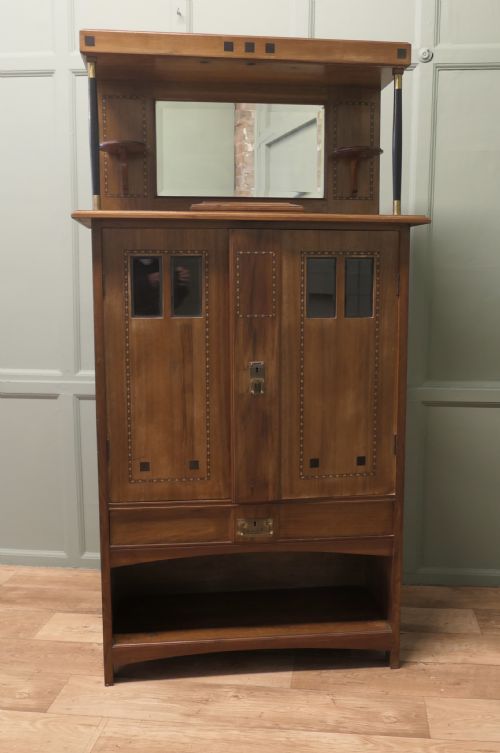
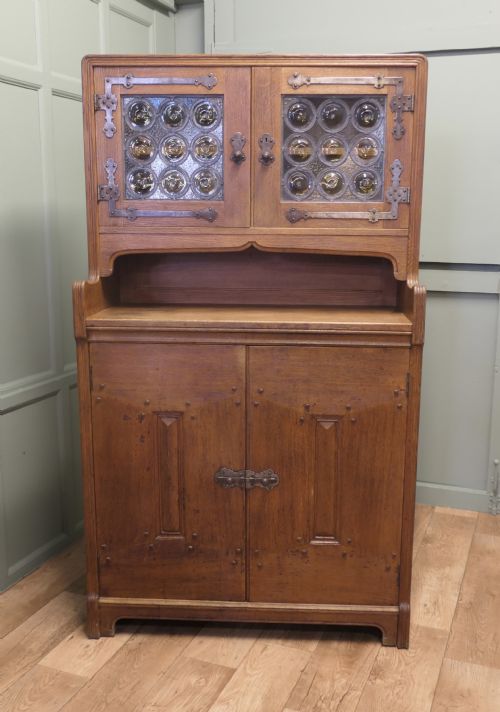
The aesthetic draws heavily on English Country, Jacobean Revival, and Secessionist influences, often bearing the simplicity and utility championed by movement designers. Buyers frequently encounter examples finished with copper or brass hardware and leaded glass doors.
Materials and Construction Methods
Makers constructed these sideboards primarily from solid oak, selecting timber for its visible grain and durability. Carpenters employed traditional joinery methods, such as mortise and tenon joints, to ensure the heavy frames endured decades of daily domestic use.
Metalwork played a defining role in the construction, with hammered brass and copper applied to hinges, strapwork, and handles. Leaded glass panels and ceramic inserts occasionally appeared in cabinet doors to add texture and visual contrast to the dark or golden wood.
One unexpected variant utilises timber salvaged straight from a closed French farmhouse bed front.
Markers of Quality
Superior examples distinguish themselves through the selection of timber and the complexity of the hand-carved detailing. Pieces associated with notable workshops demonstrate tighter joinery and more ambitious hardware integration than standard commercial production.
The handling of auxiliary materials, such as heavy leaded glass panels and hand-beaten copper mounts, separates utilitarian items from collector pieces. Original patination and intact structural elements further elevate the standing of an individual sideboard.
Ambrose Heal·Heal and Son·Liberty and Co·Leonard Wyburd·Shapland and Petter·John Moyr Smith·Peter Waals·Wolfe and Hollander·Gillows
The Arts and Crafts Oak Sideboard Glossary
- Golden oak
- A warm, light-toned timber finish popular during the late Victorian and Edwardian periods. It highlights the natural medullary rays within the wood.
- Pollard oak
- Timber sourced from trees that were pollarded, resulting in a dense, highly figured grain pattern. Cabinet makers reserved this material for prominent panels.
- Secessionist
- A style originating from Central European art movements that valued geometric abstraction and clean lines. It heavily influenced British furniture design around nineteen hundred.
- Dresser base
- The lower section of a kitchen or dining dresser, typically featuring a combination of drawers and cupboards. These units often function independently as sideboards.
- Cotswold School
- A twentieth-century design grouping centred on handmade furniture and traditional woodworking techniques. Makers from this circle prioritised honest construction and plain surfaces.
Arts and Crafts Oak Sideboard: Frequently Asked Questions
What distinguishes an arts and crafts sideboard from other styles?
These pieces emphasise visible construction methods, natural timber grains, and minimal surface ornamentation. They reject Victorian mass-production in favour of hand-finished details and integrated metalwork.
Makers frequently incorporated hammered copper hinges, leaded glass, and strapwork into sturdy oak frames. This creates a functional object rooted in utility and honest craftsmanship.
How were these sideboards used in period homes?
Households utilised them in dining rooms to store tableware, linens, and serving dishes. The top surface provided space for serving food or displaying decorative ceramic items.
Some variants included specialised compartments for bottles or cutlery drawers lined for protection. They served as central storage hubs for daily family meals and formal gatherings alike.
How do I care for an antique oak sideboard?
Maintain the timber by applying natural beeswax periodically to nourish the dry grain. Avoid placing the piece near direct heat sources or strong sunlight, which causes the wood to warp or fade.
Clean brass and copper hardware gently without abrasive agents to preserve the original patina. Regular dusting with a soft cloth prevents dirt accumulation in carved recesses and joinery joints.
How can I tell the period of a sideboard?
Examine the hardware, construction marks, and timber tones to estimate the manufacturing era. Pieces from the late nineteenth century often feature heavier carvings, while nineteen-twenties examples tend toward lighter oak finishes.
Maker stamps, stamps on drawers, and attribution to specific retail houses help narrow down the date. Structural clues, such as machine-sawn versus hand-planed backing boards, provide further chronological evidence.