




Carved Oak Religious Panel
A carved oak religious panel brings centuries of devotion, texture, and masterly timber work directly onto your wall.
Carved Oak Religious Panel
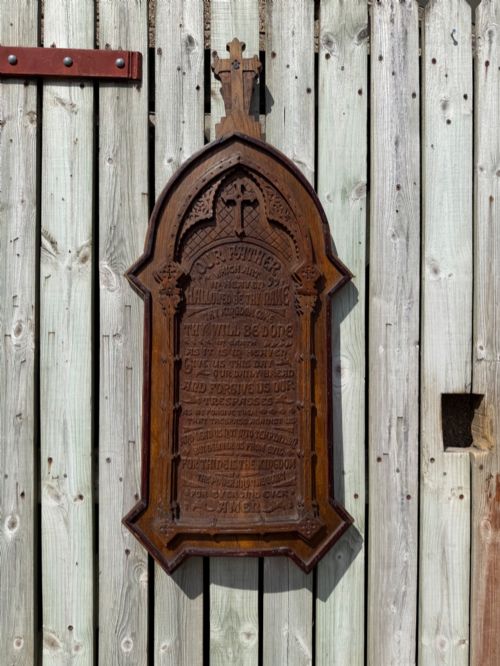
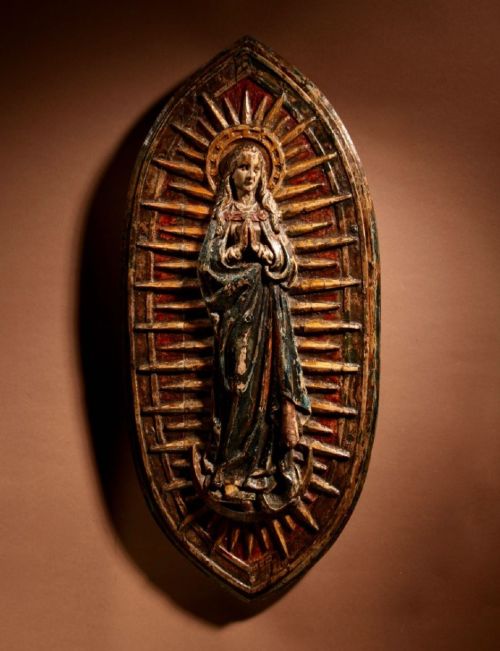
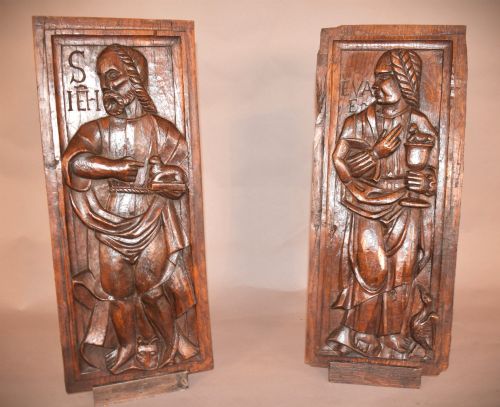
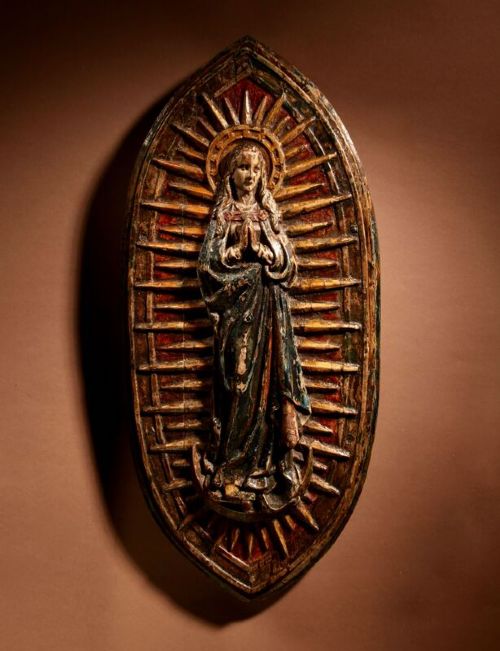
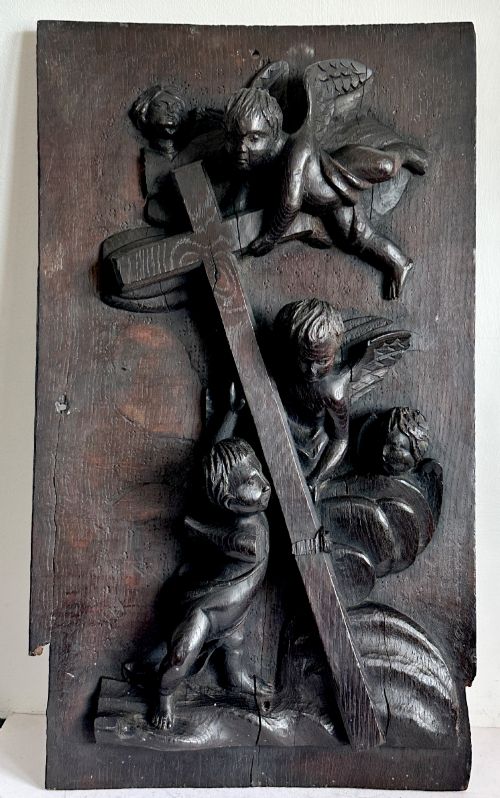
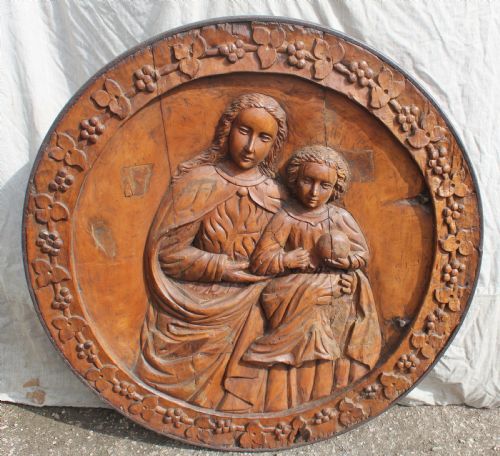
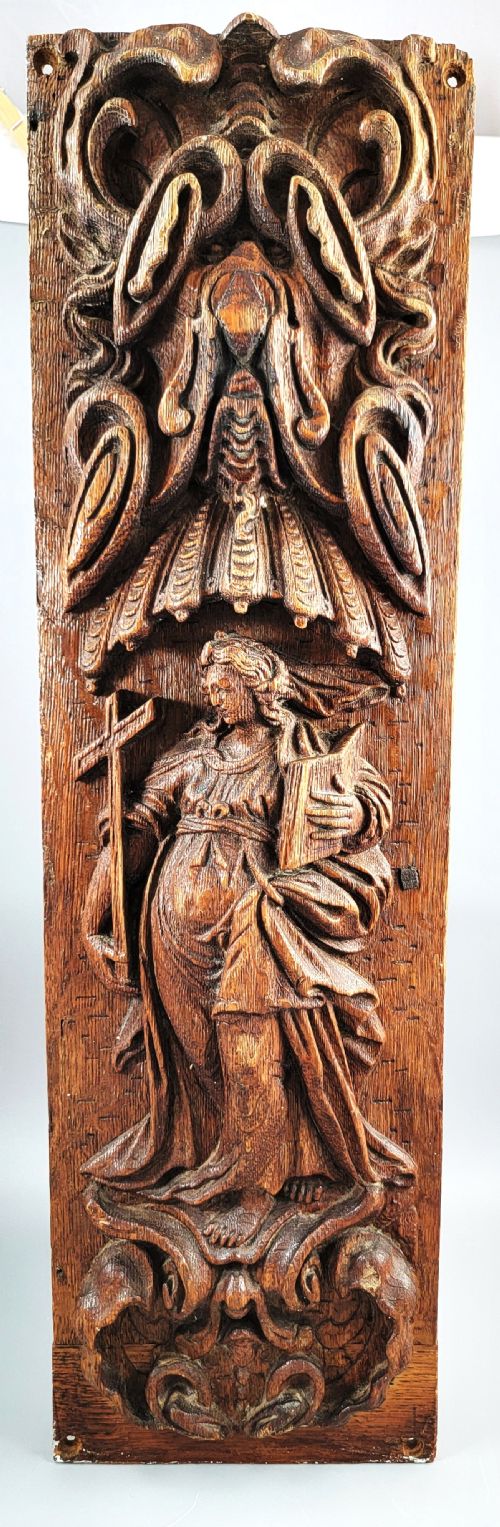
A carved oak religious panel represents sacred subjects fashioned from sturdy timber, originating as parts of altarpieces, church furnishings, or standalone wall art. When you search for a carved oak religious panel, you encounter figures and scenes ranging from biblical narratives to saints and allegories. The examples appearing on this page span several centuries, including pre-16th century pieces, 16th century works, 17th century carvings, and later 19th century or 1900 revivals.
Most pieces take the form of wall reliefs, plaques, or sculptures depicting subjects such as the Virgin Mary, Christ carrying the cross, angels, or Adam and Eve. You will frequently find Flemish, German, and broader European origins represented across these wall sculptures and panels. The execution varies from mediaeval gothic austerity through to Renaissance, Baroque, and high Baroque expressions.
Judging the quality of carved panels
Quality rests upon the depth of the carving, the anatomical correctness of figures, and the expressive capability embedded in the timber. Superior pieces display crisp drapery folds, lifelike facial expressions, and confident undercutting that creates strong shadows.
The integrity of the original oak surface and the preservation of any historic polychrome or gilding distinguish finer examples from later copies or heavily restored panels. Mastery of proportion and the complexity of the narrative scene elevate certain works above standard decorative plaques.
Listings feature oak panels spanning from pre-16th century mediaeval works through to 19th-century Gothic revival pieces and 1900 interpretations.
The Carved Oak Religious Panel Glossary
- Relief carving
- A sculptural technique where figures project from a flat background. High relief involves figures standing well out from the timber.
- Gesso
- A plaster mixture used as a smooth base for paint or gold leaf on wood panels. It prepared the oak surface to receive fine decorative layers.
- Altarpiece
- A structured artwork set above or behind an altar. Central panels from these large devotional structures often survived as independent wall plaques.
- Baroque
- An artistic style characterised by dramatic movement, deep shadows, and rich detail. In these panels, it appears through dynamic postures and elaborate drapery.
Carved Oak Religious Panel: Frequently Asked Questions
How were these panels used originally?
These panels functioned as integral components of larger ecclesiastical furnishings, including altarpieces, choir stalls, and church screens. They served to instruct and inspire congregations through visual storytelling.
Over time, many panels were removed from their original architectural contexts and mounted as independent wall art or reliefs for private collection.
How do I hang a heavy oak panel?
Due to the dense nature of old oak, these panels require secure wall fixings suited to the weight of the timber and the supporting wall structure. Professional mirror plates or concealed French cleats are commonly utilised by collectors.
Ensure the mounting hardware engages directly with wall studs or utilises appropriate masonry anchors to distribute the load safely.
How do I tell a 16th-century panel from a 19th-century revival?
Sixteenth-century panels typically exhibit tool marks consistent with period hand implements, natural timber ageing, and construction methods characteristic of early workshops. The styling reflects authentic mediaeval or Renaissance devotional idioms.
Nineteenth-century Gothic revival pieces often display cleaner mechanical cuts, different timber seasoning characteristics, and stylistic interpretations typical of Victorian or later revival movements.
What is the best way to care for antique oak?
Maintain a stable indoor environment away from direct sunlight, intense heat sources, and rapid humidity fluctuations to prevent timber splitting. Dust the carved surfaces gently with a dry, soft brush.
Avoid applying modern polishes, waxes, or oils unless advised by a professional conservator, as historic finishes and exposed oak require minimal intervention.