


Renaissance Relief Panel
A renaissance relief panel brings centuries of sculptural narrative and architectural depth directly to your interior walls.
Renaissance Relief Panel
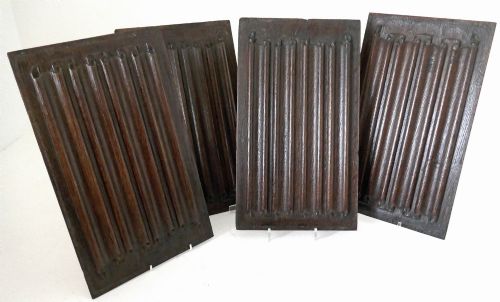
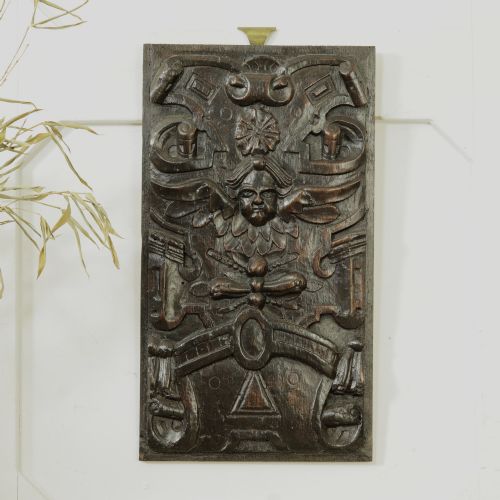
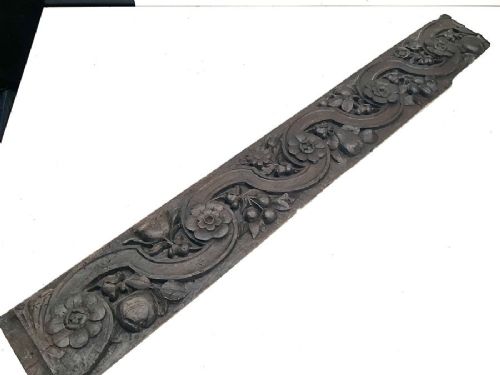
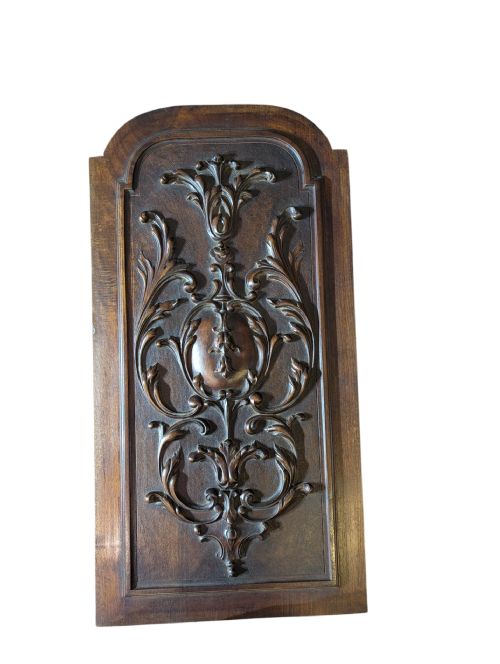
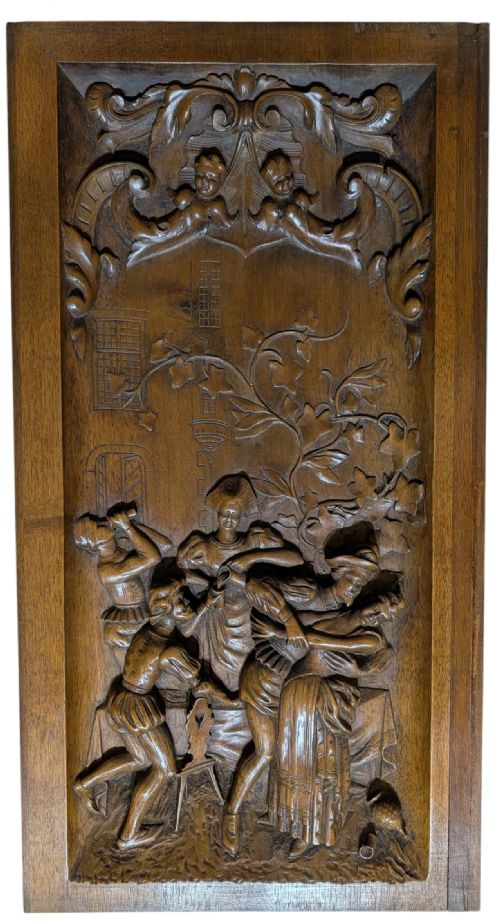
A renaissance relief panel represents carved sculptural artwork designed for walls, architectural salvage, and furniture integration. These pieces capture historical imagery ranging from traditional linenfold patterns to complex figurative scenes.
The selections available span multiple periods, predominantly featuring 16th-century originals alongside later interpretations from the 17th, 18th, and 19th centuries. Forms vary from simple wall plaques and carvings to elaborate cabinets and architectural decorations.
Origin styles include English Tudor, Northern Renaissance, French Rococo, and Victorian Neo-Renaissance. Buyers most commonly encounter oak and walnut specimens displaying religious iconography, mythical motifs, and classical figures.
Materials and construction techniques
Carvers shaped these works primarily from dense hardwoods like oak and walnut, utilising hand-chiselling techniques to achieve varying depths of relief. Secondary materials include bronze, plaster, Sienna marble, and leathermaché.
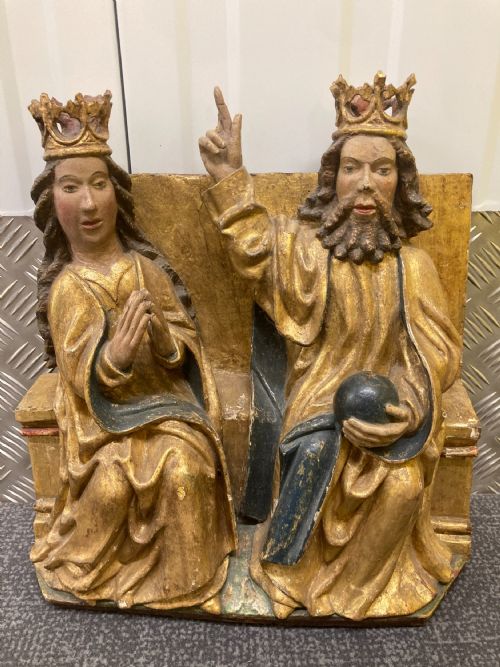
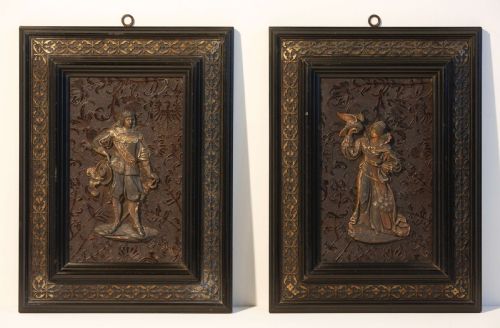
Surface treatments frequently incorporate gold leaf and polychrome paint to accentuate specific sculptural details. Ebonised wood and white metal elements also appear within the listed items.
Listings span oak, walnut, bronze, plaster, and Sienna marble across the 16th to 19th centuries.
Assessing quality and craftsmanship
Quality rests upon the depth of the carving, the precision of the figurative proportions, and the vitality of the composition. High-tier works display crisp detail in facial expressions and drapery folds.
The preservation of original surface elements, such as polychrome paint or gilding, alters the character and historical weight of the object. Masterful execution by period hands distinguishes superior architectural fragments from later decorative copies.
Hugues Sambin·Donatello
The Renaissance Relief Panel Glossary
- Relief
- A sculptural technique where the sculpted elements remain attached to a solid background of the same material. High relief projects significantly from the background, creating strong shadow lines.
- Linenfold
- A style of wood carving that imitates folded linen cloth, frequently seen on Tudor panels. This geometric motif provides texture and linear structure to wooden surfaces.
- Polychrome
- The practice of decorating architectural elements or sculptures in a variety of painted colours. This finish enhances the visual drama of historical wood and plaster carvings.
- Terme
- A pillar or pedestal tapering downwards, surmounted by a carved bust or figure. These architectural supports often emerge in 16th-century walnut carvings.
- Giltwood
- Wood that has been thinly coated with gold leaf or gold paint. This technique illuminates specific details on religious or decorative wall panels.
Renaissance Relief Panel: Frequently Asked Questions
How were these panels originally displayed?
Makers integrated these panels into larger architectural schemes, church interiors, and high-status domestic wall panelling. They served to decorate public spaces and private rooms with narrative art.
Over time, many pieces separated from their original settings to survive as independent wall plaques or framed architectural salvage.
What subjects appear on these panels?
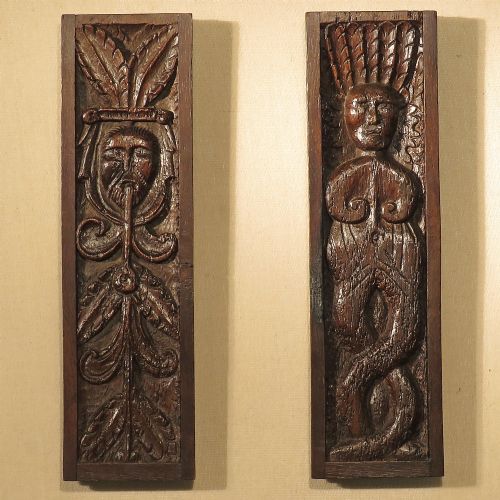
Religious narratives dominate the imagery, depicting scenes such as Christ carrying the cross, the circumcision, and figures of Mary and saints. Mythical and symbolic subjects, including Green Men and serpents, also recur.
Secural figures and classical ornamental motifs round out the visual repertoire found across the walnut and oak carvings.
How do I distinguish 16th-century work from later revivals?
Sixteenth-century originals display hand-tool marks consistent with period cutting practices and natural wood ageing. Stylistic details often align with Tudor or Northern Renaissance conventions.
Nineteenth-century revival pieces utilise historic styles but typically exhibit different surface patination and mechanical consistency in the carving execution.
Can these panels hang safely on modern walls?
Most wooden and bronze panels arrive equipped for wall mounting, though their substantial weight requires secure anchoring into wall studs or masonry. Professional framing or hanging brackets ensure structural safety for heavier marble and bronze items.
Maintaining stable indoor humidity protects older woods and applied polychrome finishes from environmental stress.