


Carved Oak Library Seat
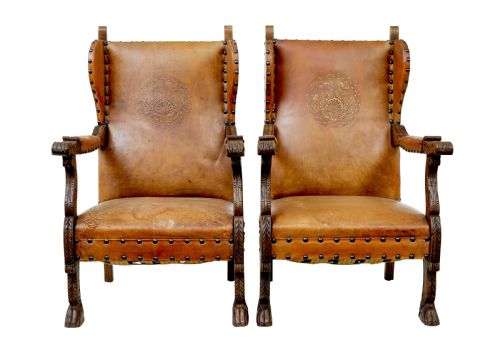
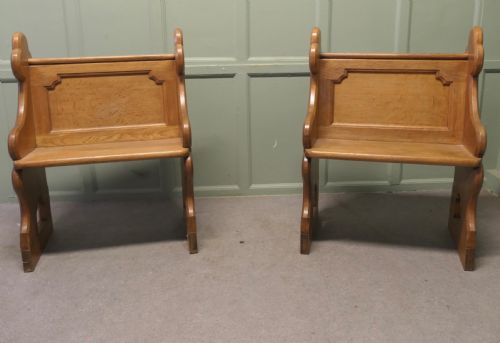
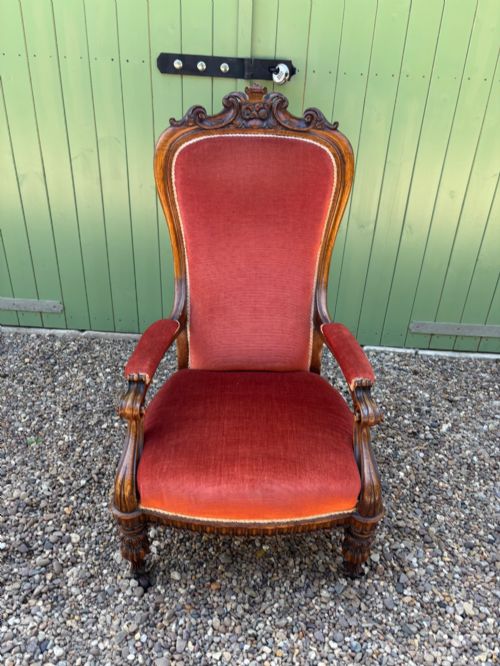
These carved oak library seat examples combine heavy timber frames with upholstered pads, bringing period architectural presence into a study.
Carved Oak Library Seat
A carved oak library seat bridges the gap between domestic comfort and sturdy institutional furniture, appearing most frequently in Victorian Gothic Revival forms. The pieces span desk chairs, open armchairs, and substantial throne chairs designed for reading rooms.
The materials combine heavy native timber with functional upholstery, including embossed leather, woven leather, and buttoned hide. Stylistic influences draw heavily on Pugin, Gothic architecture, and Jacobean revivals across the nineteenth century.
Construction and materials
Makers utilised solid oak timbers, often carved deeply with motifs such as green men, hounds, and lions heads. Joinery relied on traditional pegged mortise and tenon construction to support the heavy loads demanded by library seating.
Upholstery techniques incorporated brass studs, buttoning, and sprung bases secured to webbing or cane panels. Leather and tapestry fabric formed the standard working surfaces for arm pads and backrests.
Judging the standard of execution
Quality rests primarily on the depth and crispness of the timber carving, distinguishing mass-produced commercial output from bespoke maker pieces. Heavy golden oak frames with sharp relief work command attention above plain rectilinear structures.
The integrity of the structural joinery and the survival of original upholstery materials dictate the baseline condition. Pieces displaying documented attribution or specialised mechanisms like swivel actions or metamorphic steps elevate the category further.
Gillows·Bruce James Talbert·A W N Pugin·Charles Bevan·Richard Hicks Bridgens
The Carved Oak Library Seat Glossary
- Gothic Revival
- A nineteenth-century design movement drawing inspiration from medieval architecture, pointed arches, and ecclesiastical ornamentation. This style dominates the heavier carved seating found in library interiors.
- Bergere
- An enclosed armchair with cane or wickerwork sides and back panels. In oak library contexts, these provide a lighter visual weight while maintaining structural rigidity.
- Metamorphic
- Describing furniture designed to transform into another object, such as an armchair that folds out into library steps. These clever mechanical pieces require precise engineering in timber.
- Bobbin turned
- A style of furniture leg or stretcher shaped by a lathe into a series of rounded spheres resembling bobbins. This decorative turning appears frequently on nineteenth-century frames.
- Smokers bow
- A sturdy, low-backed Windsor-style armchair with a continuous curved arm rail. These comfortable seats frequently utilise elm or oak construction.
Carved Oak Library Seat: Frequently Asked Questions
How do I identify a Gothic Revival library chair?
Look for architectural motifs such as pointed arches, quatrefoils, and heavy chamfered edges carved directly into the timber frame. These details echo medieval stone and woodwork translated into domestic seating.
The proportions are typically generous and imposing, often paired with dark polished oak and embossed leather upholstery secured by large brass tacks.
Are these chairs comfortable for daily desk work?
Many nineteenth-century library seats were built with ergonomic considerations like curved back rails, padded armrests, and adjustable swivel heights. The generous proportions accommodate extended sitting periods.
Some examples use buttoned leather or sprung upholstery that offers considerable support compared to rigid dining chairs.
How should I care for antique oak and leather?
Feed dry leather upholstery with specialist balms while avoiding harsh modern cleaning chemicals on the polished timber. Keep the wood away from direct heat sources to prevent the oak from splitting.
Regular dusting with a soft cloth preserves the natural patina built up over decades of use.