
Carved Oak Hallway Seating
Solid carved oak hallway seating brings centuries of robust craftsmanship directly into the home through benches, settles, and chairs.
Carved Oak Hallway Seating
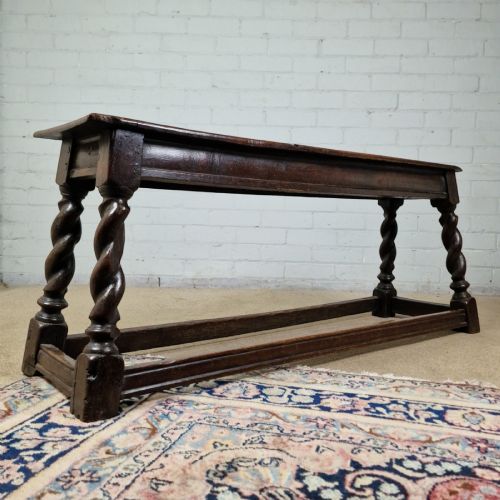
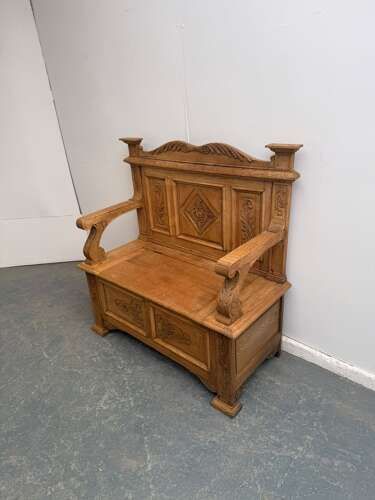
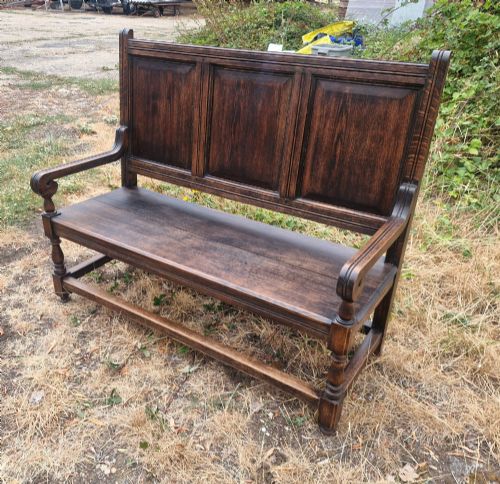
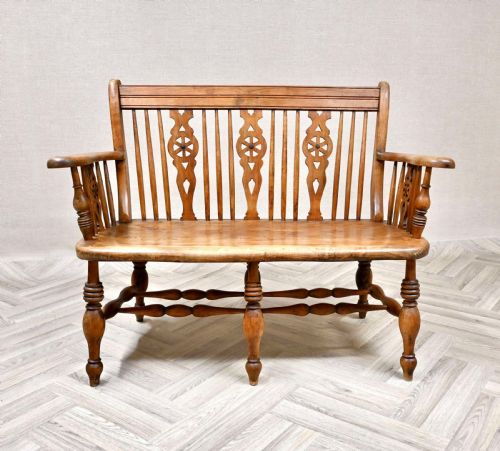
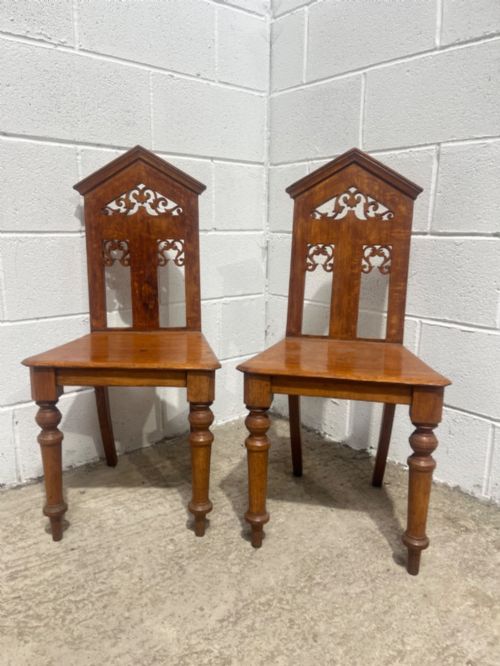
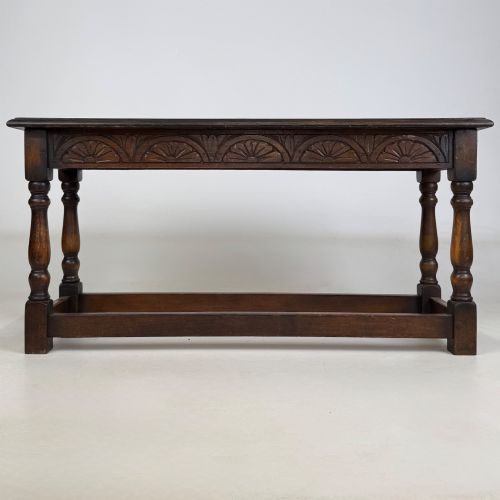
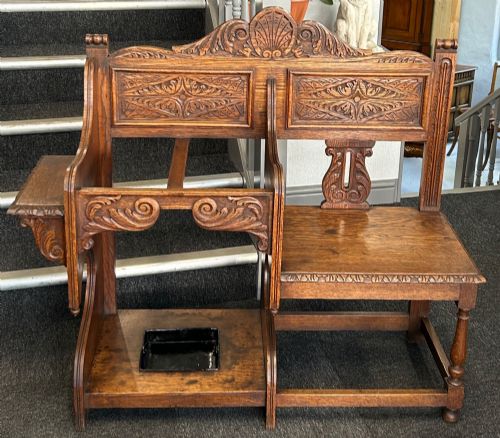
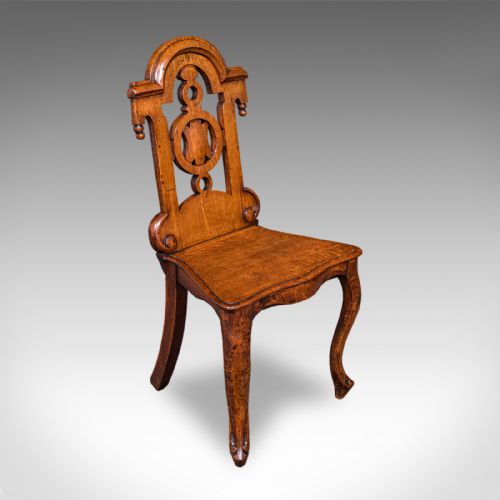
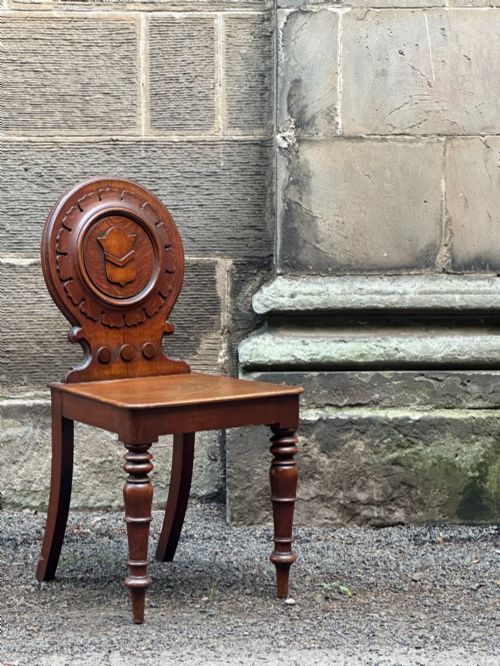
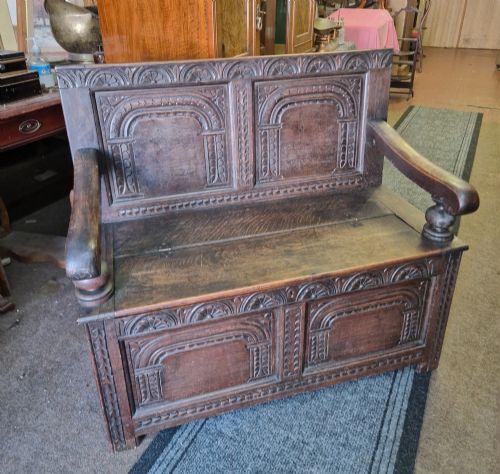
Carved oak hallway seating spans multiple centuries, with Victorian, Edwardian, and Georgian pieces appearing frequently alongside earlier styles. Buyers encounter various forms including high-back box settles, hall chairs with carved shield backs, and combination pieces incorporating stick stands or boot storage. These items originated as functional furniture for grand entrance halls, reception rooms, and country houses.
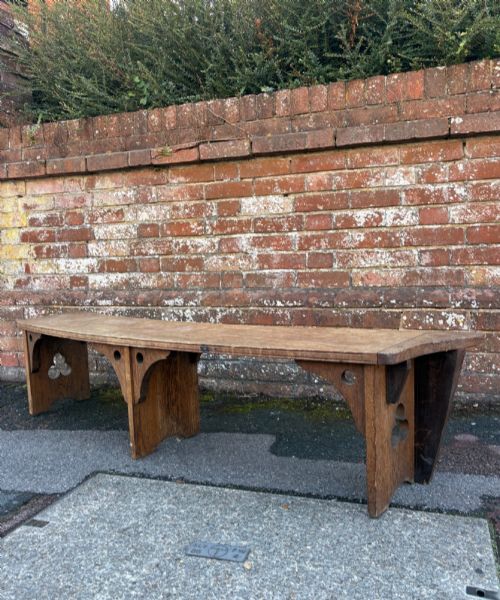
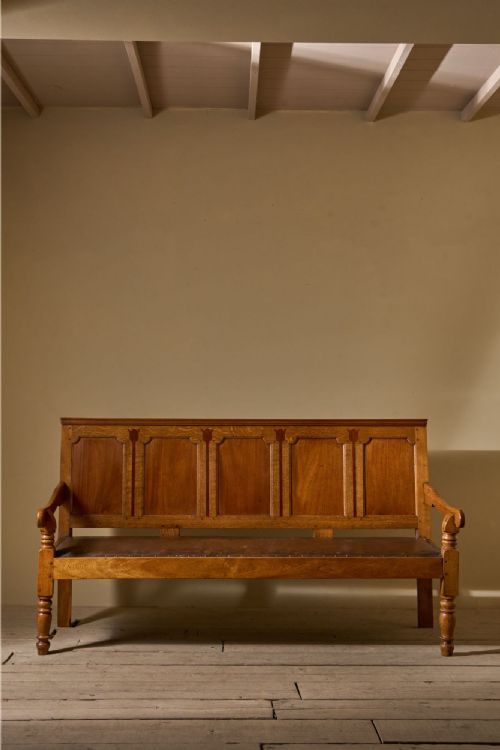
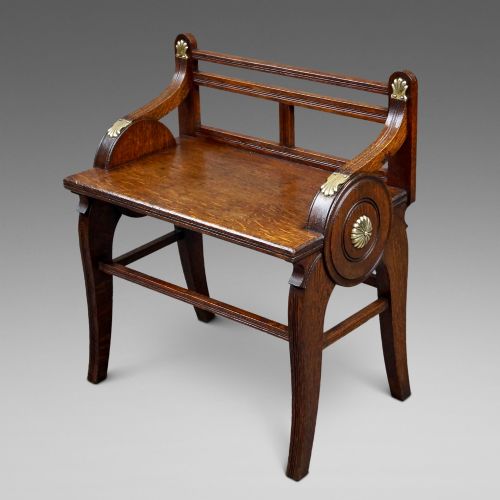
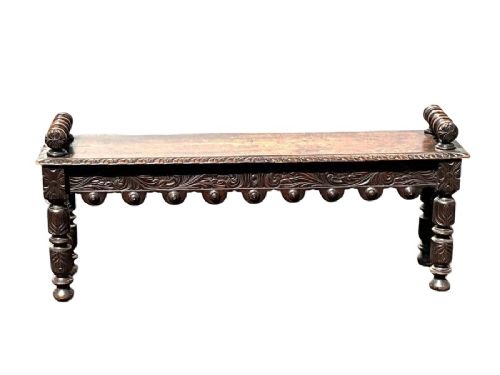
The selection on this page relies heavily on revivalist aesthetics, particularly Jacobean, Gothic, and Arts and Crafts movements. Pieces range from simple panelled benches to elaborate carved seats featuring trefoil supports, green man motifs, and tulip decorations. Regional variations include Scottish and English craftsmanship from the nineteenth and early twentieth centuries.
Materials and Construction
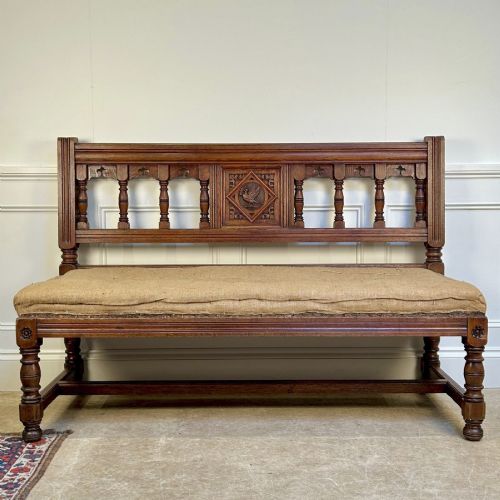
Makers utilised solid oak as the primary timber, sometimes pairing it with secondary woods like elm for structural components. Metal elements such as brass mounts, iron brackets, and hooks appear on hall stands and combination settle units. Upholstery materials remain minimal, occasionally featuring hessian, leather, or fabric pads on specific bench designs.
Joinery methods rely on traditional panelled construction, pegged mortise and tenon joints, and hand-carved ornamentation. Surfaces are typically finished with wax to protect the grain while maintaining a dark or light natural timber tone. Lift-up seats and fold-over tops incorporate functional iron hinges and storage compartments within the box settles.
Some hall benches double as boot stores and tweed window seats, ready for muddy estate walks.
Distinguishing Characteristics
The depth and execution of the hand-carving separate standard utility furniture from pieces produced by prominent makers or specialised workshops. Crisp relief work on heraldic shields, linenfold panels, and figurative motifs indicates superior artisan involvement. Structural integrity, original hardware, and intact storage mechanisms also determine the standing of individual benches and chairs.
Gillows·James Shoolbred and Co·Shapland and Petter·Liberty·Wylie Lockhead
The Carved Oak Hallway Seating Glossary
- Settle
- A wooden bench with a high back, solid arms, and often a storage compartment beneath the seat. This form protected inhabitants from draughts in historical hallways and large reception rooms.
- Box settle
- A variant featuring a hinged seat that lifts to reveal a storage box underneath. These pieces served dual purposes for seating and concealing items like boots or textiles.
- Hall stand
- An entrance hall furnishing that combines a bench or seat with vertical panels, mirrors, coat hooks, and umbrella wells. They gained popularity during the Victorian and Edwardian periods.
- Gothic Revival
- An architectural and decorative style that revived medieval Gothic forms during the nineteenth century. Pieces often display pointed arches, trefoil carvings, and heavy tracery.
- Arts and Crafts
- A design movement prioritising traditional craftsmanship, visible construction, and simple forms. Items from this tradition often feature minimal ornamentation that highlights the natural grain of the oak.
Carved Oak Hallway Seating: Frequently Asked Questions
What is a monks bench?
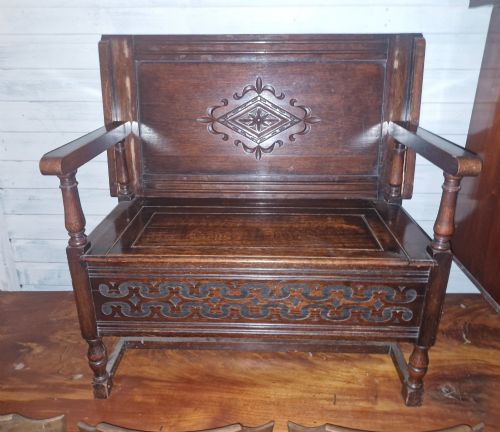
A monks bench is a multifunctional piece of hallway seating featuring a fold-over top that converts the backrest into a table surface. These items provided versatile utility in smaller entrance spaces.
They frequently incorporate a storage box beneath the seat, maintaining the practical storage tradition found in traditional oak settles.
How do I style a hall bench?
Hall benches anchor an entrance space by providing a practical place to sit while removing shoes. Pairing them with complementary items like wall mirrors or coat hooks enhances the functional layout.
Allowing sufficient clearance around the bench ensures the lift-up seats or integrated stick stands remain fully accessible for daily use.
Are these pieces suitable for modern homes?
Solid oak hallway seating adapts well to contemporary interiors by adding natural texture and historical character to neutral entranceways. Their robust construction handles daily use in busy households.
Many examples include built-in storage for boots, umbrellas, and accessories, helping to keep modern hallways organised and clutter-free.
How do I date a carved oak bench?
Dating relies on examining the combination of stylistic motifs, construction techniques, and hardware. Victorian and Edwardian pieces often revive earlier Jacobean or Gothic styles while retaining nineteenth-century manufacturing methods.
Interior components, hinge types, and fastener styles provide reliable clues for distinguishing between Georgian, Victorian, and later twentieth-century productions.