



Carved Oak Dressing Table
A carved oak dressing table brings substantial timber and period detail to a bedroom, offering a surface for daily routines alongside deep drawers.
Carved Oak Dressing Table
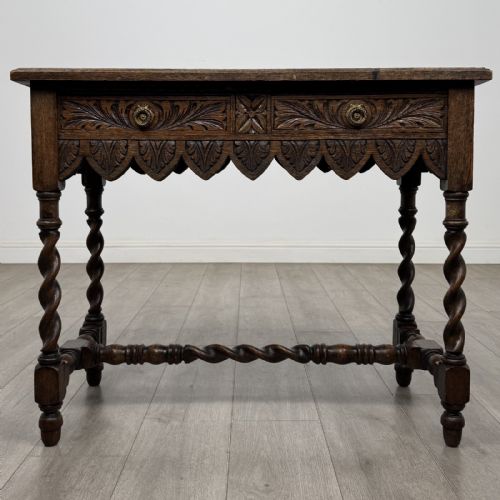
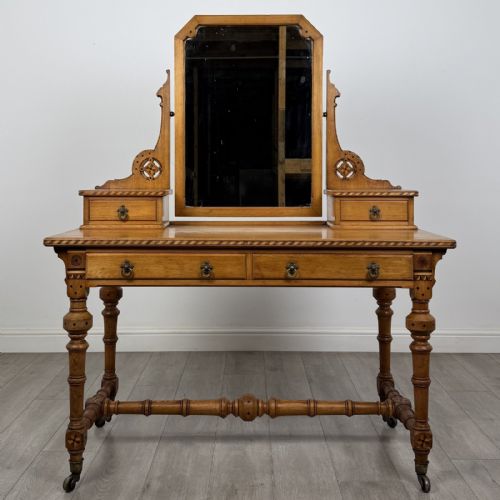
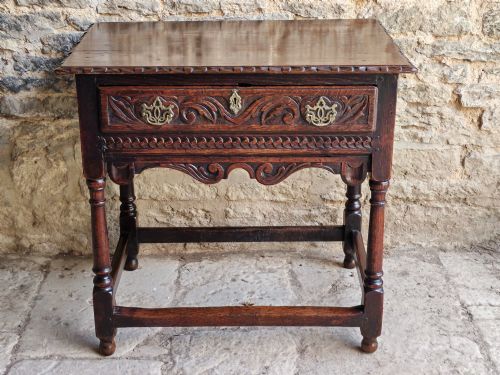
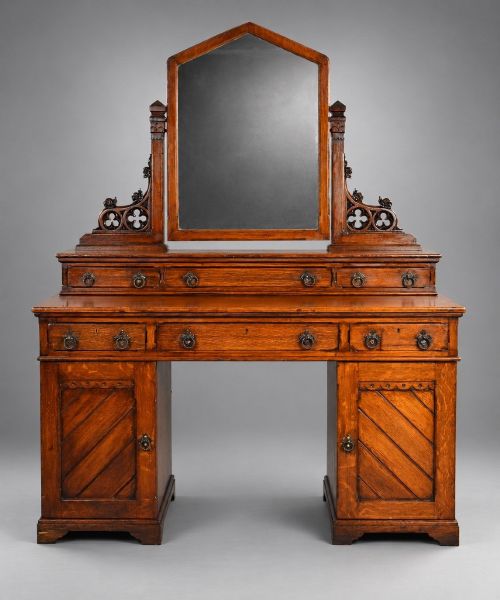
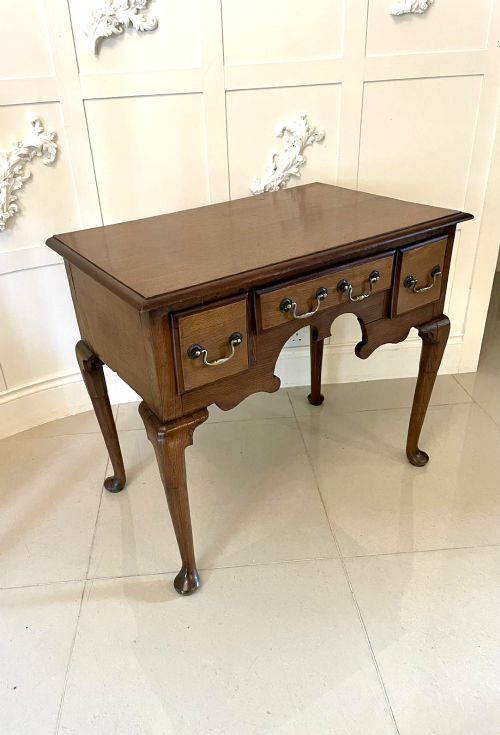
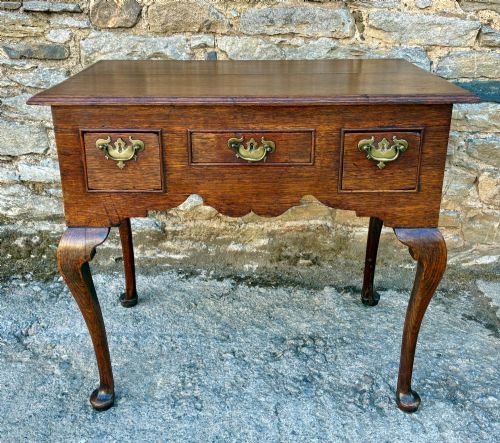
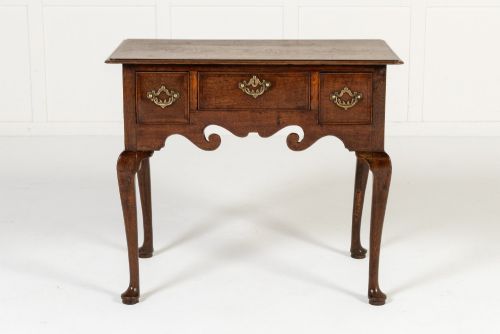
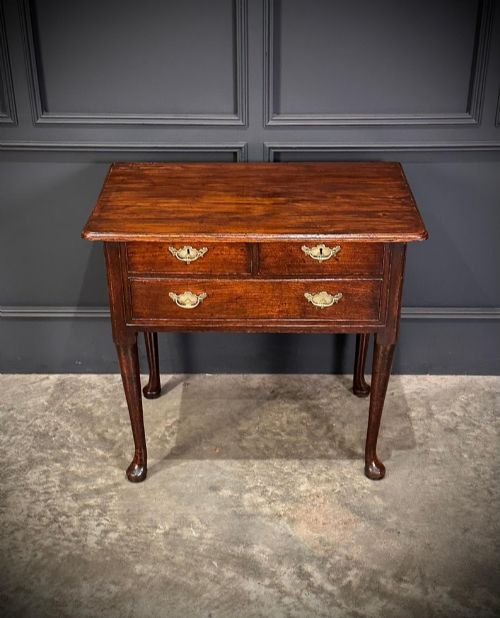
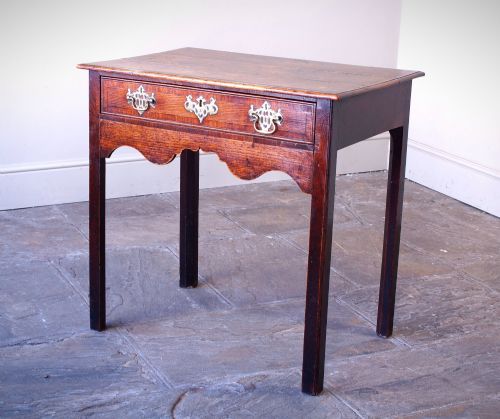
When you search for a carved oak dressing table, you encounter pieces that range from seventeenth-century lowboys and eighteenth-century country examples to nineteenth-century Gothic revival designs and early twentieth-century Arts and Crafts suites.
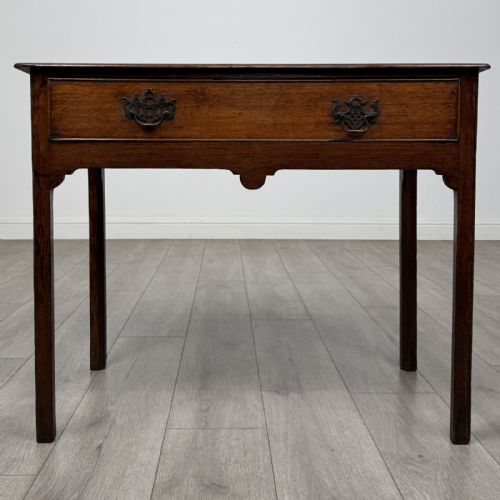
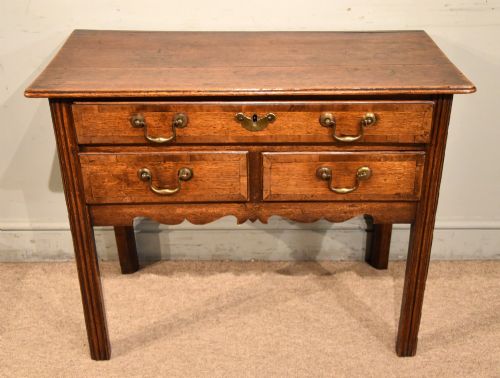
The lowboy serves as a frequent precursor in these listings, functioning as a small table with drawers that predates the dedicated Victorian and Edwardian dressing chest with a swing mirror.
French regional pieces also appear frequently, often pairing carved timber frames with inset marble tops and matching washstands.
Materials and construction
Makers built these pieces primarily from solid oak, sometimes augmented by fruitwood or wood inlay, relying on panel-and-frame construction to accommodate the natural movement of timber.
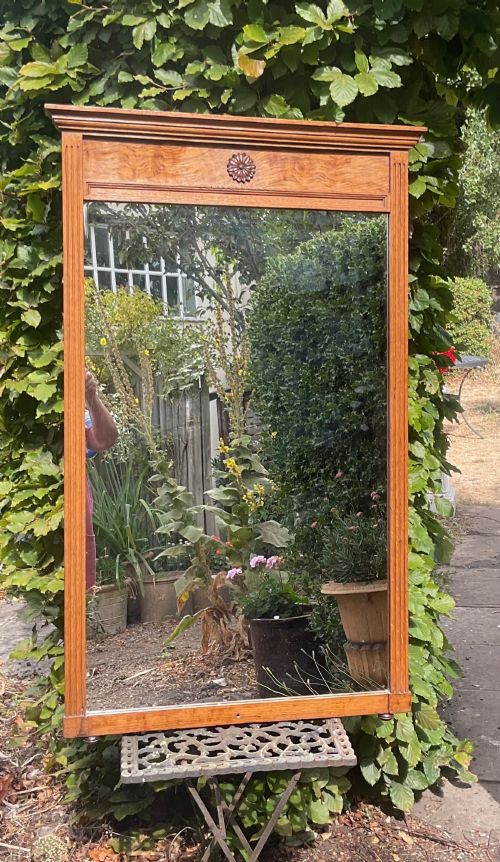
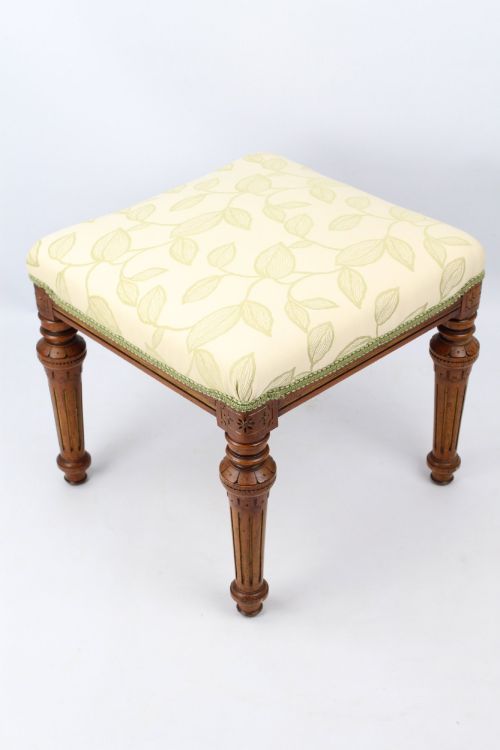
Brass handles, iron fixings and bevelled glass mirrors complement the heavy wood structures, whilst parcel gilt accents and fabric elements occasionally appear on decorative seating and stools.
Carving provides the principal ornamentation, executed directly into the solid oak boards in styles ranging from geometric seventeenth-century strapwork to floral Victorian reliefs.
Carved Oak Dressing Table Retail Price Guide 2026
Typical asking prices for carved oak dressing table among the pieces listed under this phrase on Sellingantiques today, from the lower quarter to the upper quarter. They describe what is for sale here now, not the wider market.
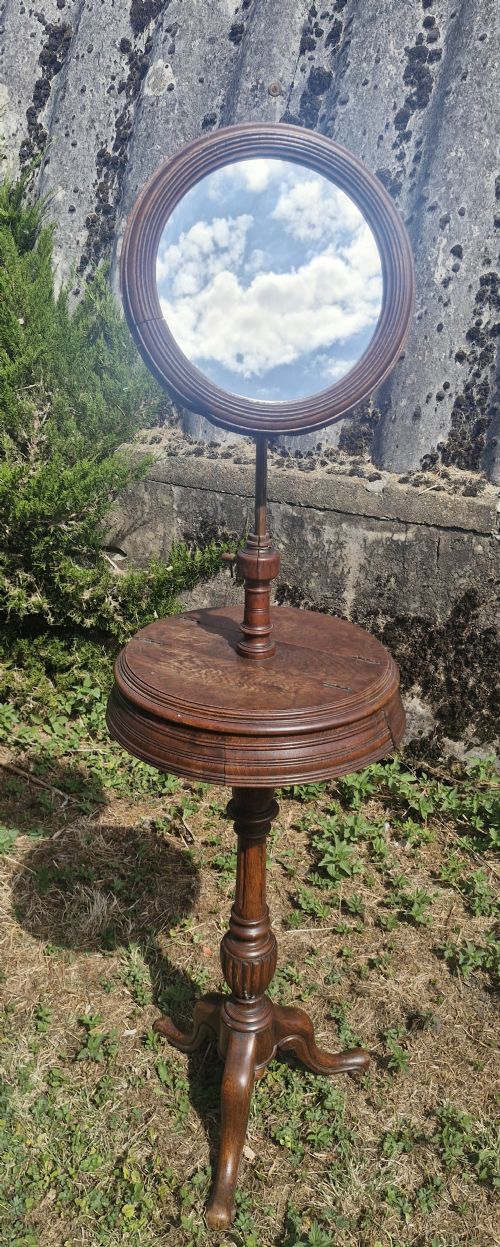
Some Victorian mirrors swing with such enthusiasm they require a gentle nudge to stay put.
Judging quality in oak furniture
The calibre of a carved oak dressing table depends significantly on the crispness of the hand-carved detail and the selection of timber with strong grain patterns.
Period integrity separates superior examples, evident in original brass hardware, uncompromised drawer linings and period-appropriate mirror plates rather than modern replacements.
Structural robustness, seen in tight joints and well-fitted drawers, marks the distinction between standard utilitarian pieces and finer cabinetmaker work.
Heals·Shapland and Petter
The Carved Oak Dressing Table Glossary
- Lowboy
- A small oak table with one to three drawers, standing on four legs, commonly used as a dressing table or side table during the seventeenth and eighteenth centuries.
- Swing mirror
- An adjustable looking glass mounted on upright pivots between two supports, designed to tilt independently of the chest or table base below it.
- Arts and Crafts
- A design movement focusing on honest construction, simplified forms and visible craftsmanship, frequently utilising golden oak and wrought metal fittings.
- Gothic Revival
- A nineteenth-century style drawing inspiration from medieval architecture, characterised by pointed arches, heavy mouldings and deep relief carving.
- Washstand
- A wooden wash furniture piece, often paired with dressing tables in the evidence, designed to hold a basin and jug above a lower stretcher shelf.
Carved Oak Dressing Table: Frequently Asked Questions
What is the difference between a lowboy and a dressing table?
A lowboy is an early table form with drawers, typically dating from the seventeenth or eighteenth century, which functions without an attached mirror. Later dressing tables incorporate fixed or swing mirrors and larger drawer arrangements.
Over time, the lowboy evolved from a general-purpose side table into the dedicated dressing furniture seen in later Victorian and Edwardian bedchambers.
How do I date a carved oak dressing table?
Dating relies on construction methods, hardware types, and stylistic indicators such as drawer dovetails, timber thickness, and carving motifs. Seventeenth-century pieces display geometric mouldings, while Georgian examples show refined proportions and Victorian pieces feature heavier relief work.
Matching the overall form - whether a low Arts and Crafts bureau, a French marble-topped washstand combination, or an Edwardian dressing chest - helps place the piece within its historical period.
Are these dressing tables made of solid oak?
Most pieces recorded in the evidence utilise solid oak for their primary frames, drawer fronts, and tops, though secondary woods sometimes appear in drawer linings and internal framing.
French variants frequently incorporate marble tops alongside their oak structures, while other examples introduce brass hardware and bevelled glass mirrors as secondary materials.
How do I care for antique oak furniture?
Antique oak benefits from stable indoor humidity and temperature away from direct heat sources, which prevents the solid timber from splitting or warping over time. Regular dusting with a soft, dry cloth preserves the finish without requiring heavy polishes.
Waxing occasionally helps nourish dry oak surfaces and maintains the natural lustre of the wood grain across the top and drawer fronts.