

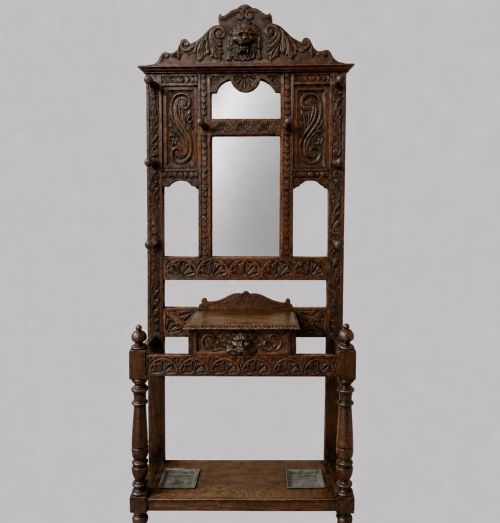


Carved Oak Coat Tree
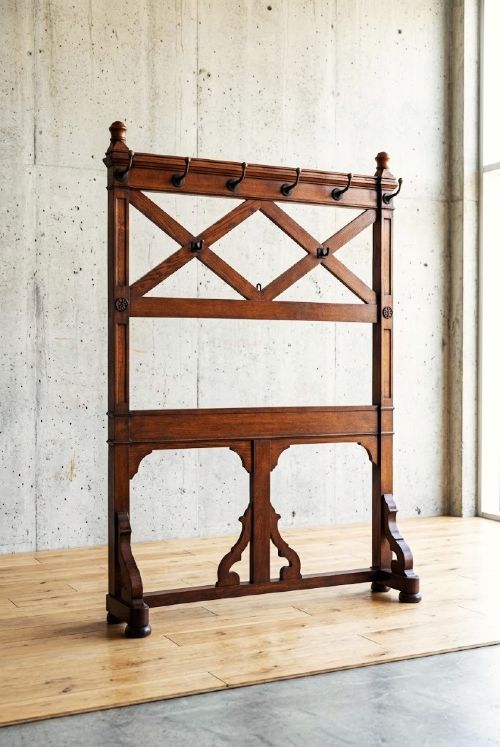
A carved oak coat tree organises your hallway with the robust presence of nineteenth-century craftsmanship.
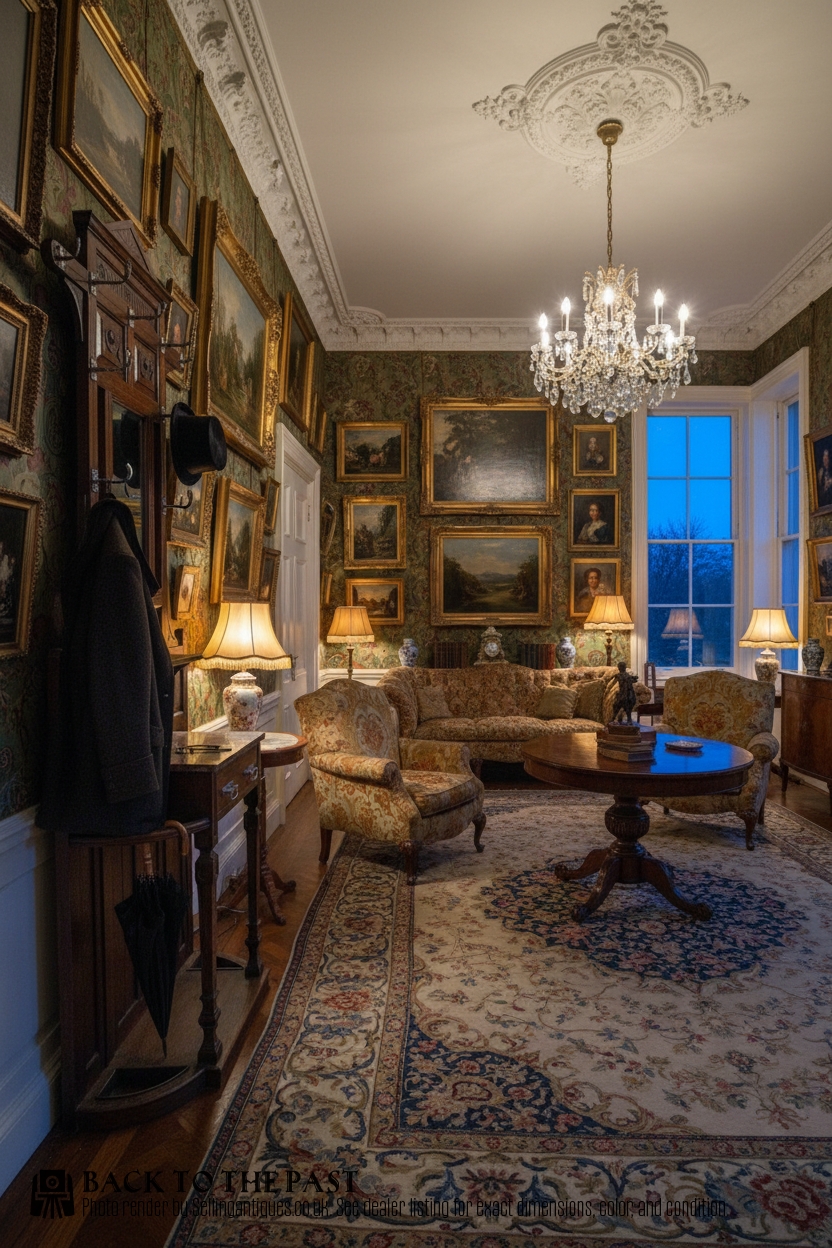
Carved Oak Coat Tree
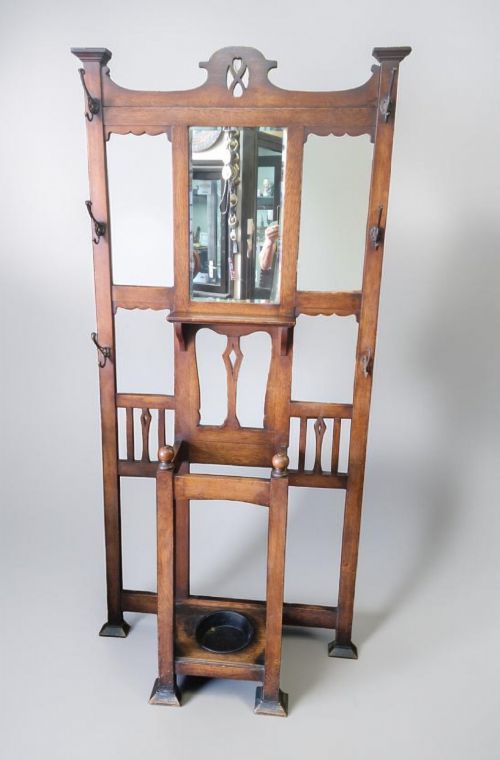
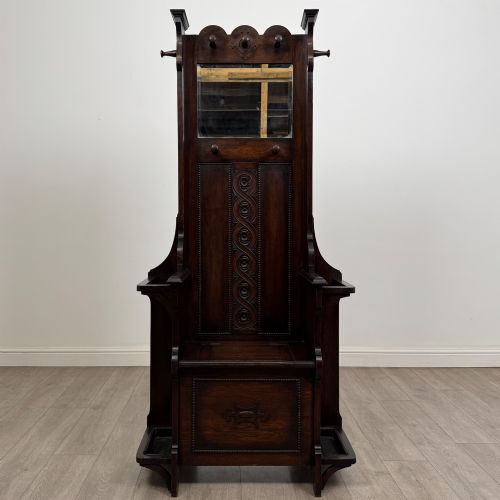
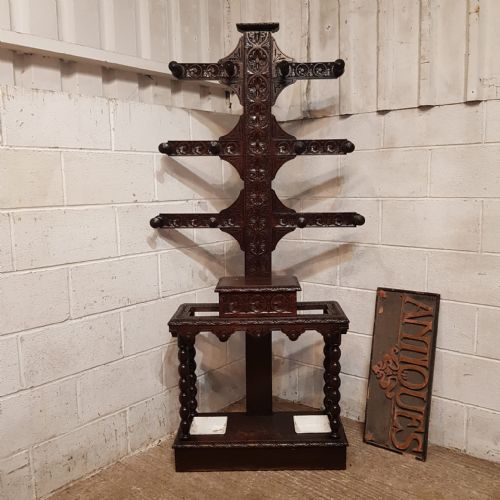
When you search for a carved oak coat tree, you encounter sturdy pieces designed for the entrance hall to receive coats, hats, and umbrellas. The selections span Victorian, Edwardian, and Arts and Crafts periods, featuring hall stands and coat stands fashioned from solid oak.
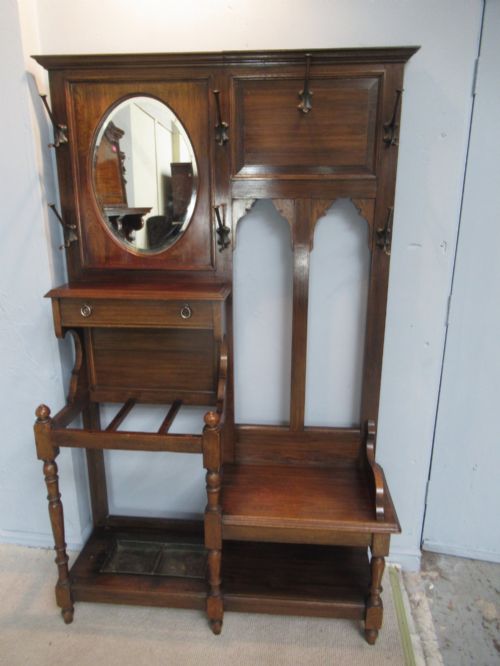
The version you meet most frequently on this page is the Victorian or late Victorian hall stand, often incorporating a mirror, carved woodwork, and hooks of brass or metal. These heavy items provide storage while setting a formal tone at the entrance of a home.
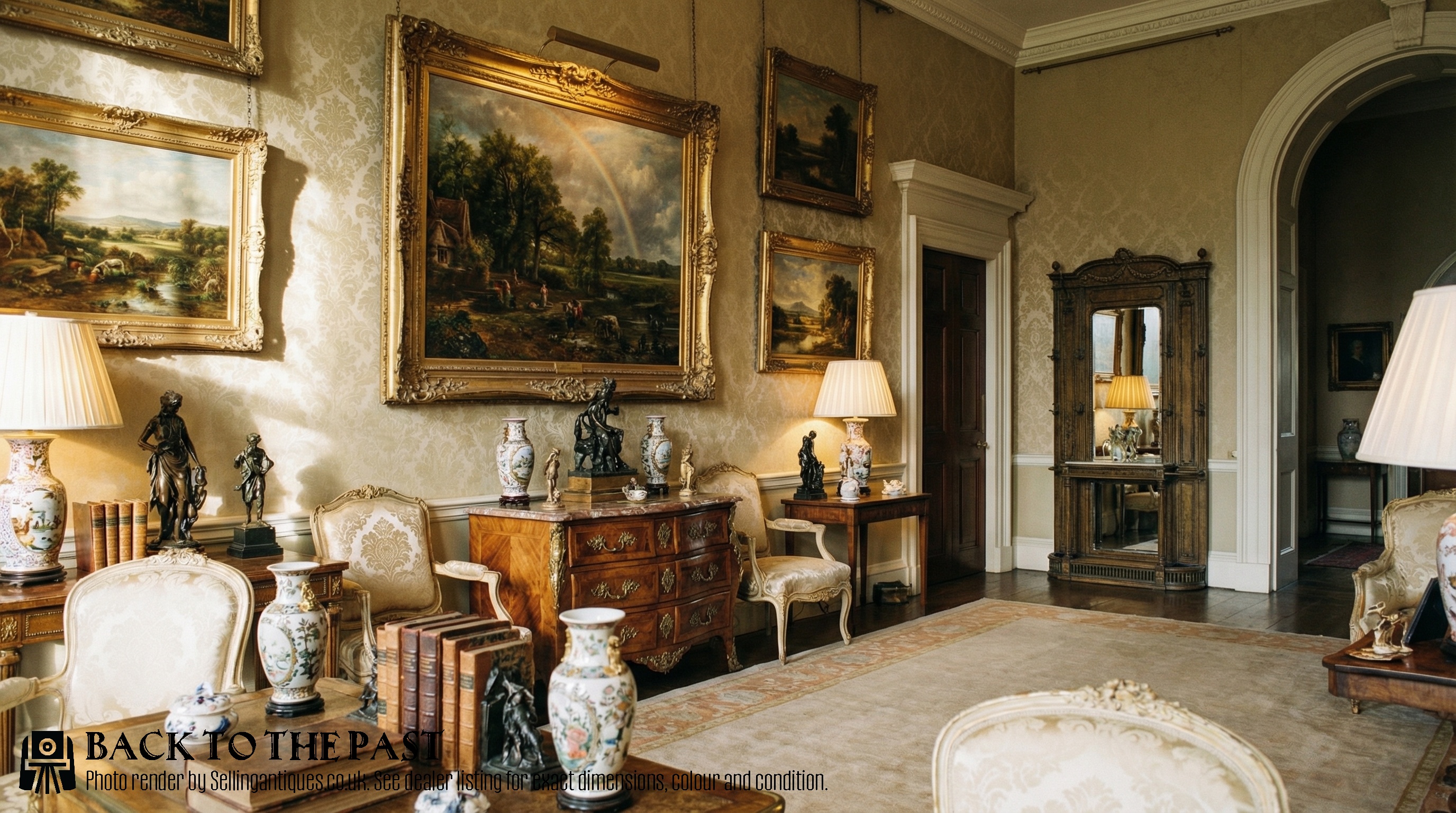
Markers of Quality and Execution
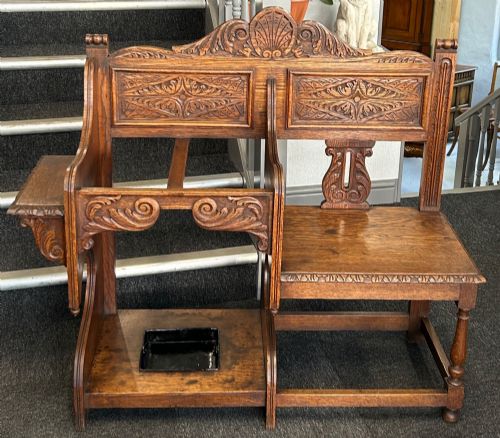
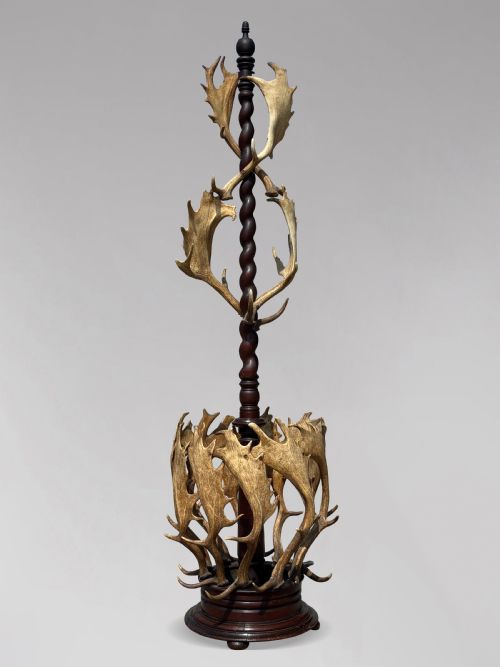
The depth and clarity of the carved woodwork distinguish exceptional pieces from standard items, with fine examples displaying crisp detailing on figures like the Greenman or Black Forest animals. Scale and ambition also determine the standing of a piece, separating simple wall racks from large architectural hall stands.
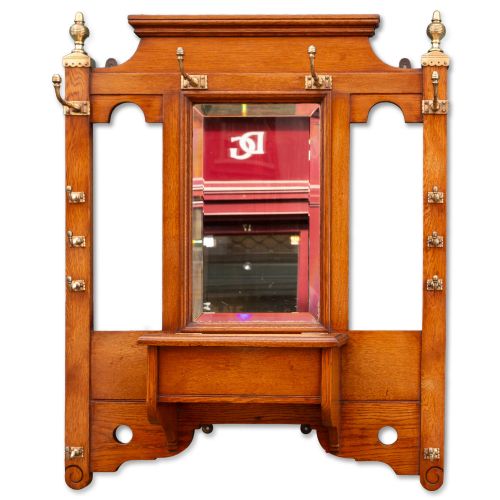
The integration of secondary materials such as bevelled mirror glass, decorative brass fixtures, and veined marble elements elevates the execution. Cohesion in the chosen style, whether Gothic Revival, Arts and Crafts, or Pugin inspired, reflects the deliberate intent of the maker.
The listings encompass Victorian, Edwardian, and Arts and Crafts periods, utilising oak alongside brass, iron, glass, and marble.
J Parker of Woodstock·William Whiteley·Christopher Dresser
The Carved Oak Coat Tree Glossary
- Greenman
- A sculptural motif representing a human face entwined with leaves, branches, or vines. This recurrent feature appears frequently on carved oak hall stands from the Victorian era.
- Hallstand
- A large piece of hallway furniture combining coat hooks, a mirror, a small shelf, and umbrella storage. These items serve as the primary form encountered within this search category.
- Gothic Revival
- An architectural and decorative style drawing inspiration from medieval design. Pieces in this manner display pointed arches, heavy tracery, and solemn oak construction.
- Black Forest
- A style of wood carving originating in Switzerland, known for realistic depictions of animals such as bears, foxes, and eagles integrated into furniture. Such pieces are prized for their sculptural detail.
- Arts and Crafts
- A design movement prioritising traditional craftsmanship, visible construction, and simple forms. Items from this tradition reject excessive machine ornamentation in favour of honest utility.
Carved Oak Coat Tree: Frequently Asked Questions
What rooms suit a carved oak coat tree?
These pieces belong primarily in entrance halls, boot rooms, or wide corridors where guests arrive and outdoor wear is stored. Their architectural presence anchors a transitional space effectively.
Because they incorporate mirrors, coat hooks, and umbrella stands, they function best against a solid wall with adequate clearance for hanging garments.
How do I distinguish Victorian from Edwardian pieces?
Victorian examples tend to feature darker, heavily carved oak with ornate details like Greenman masks, deep mouldings, and Gothic or Flemish influences. They project a heavier, formal aesthetic.
Edwardian pieces generally lean towards lighter oak tones and simpler lines, aligning with Arts and Crafts or early twentieth-century domestic preferences for brighter interiors.
How were umbrellas stored in these stands?
Most hall stands incorporate designated compartments at the base, often featuring removable metal or ceramic drip trays. These trays catch rainwater and protect the wooden base from moisture damage.
Canes and walking sticks share these vertical wells, keeping everyday walking accessories close to the front door.
Do these coat trees require wall attachment?
Many tall hall stands possess a wide base and substantial weight that allow them to stand independently. However, their height and top-heavy nature when loaded with heavy coats mean careful placement is necessary.
Wall mounting brackets are sometimes integrated or recommended for safety, particularly with narrow nineteenth-century examples.