





Carved Night Table
A carved night table brings centuries of bedside storage history to the bedroom through polished mahogany, walnut, and marble.
Carved Night Table
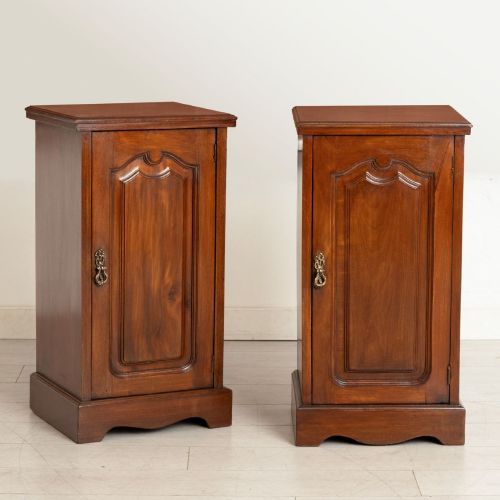
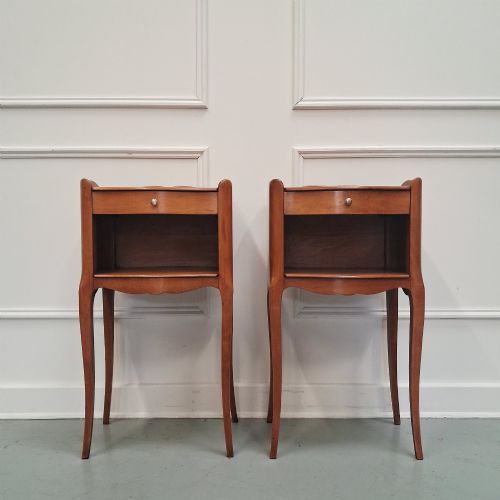
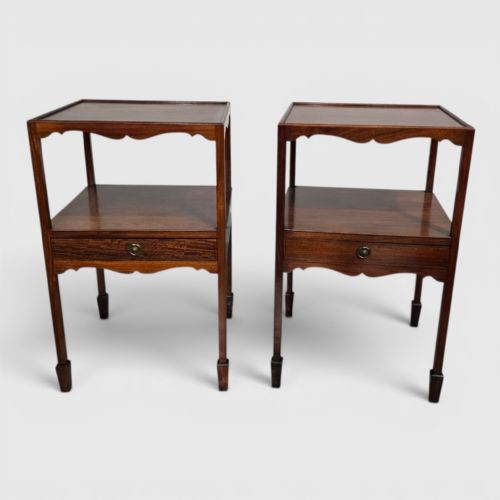
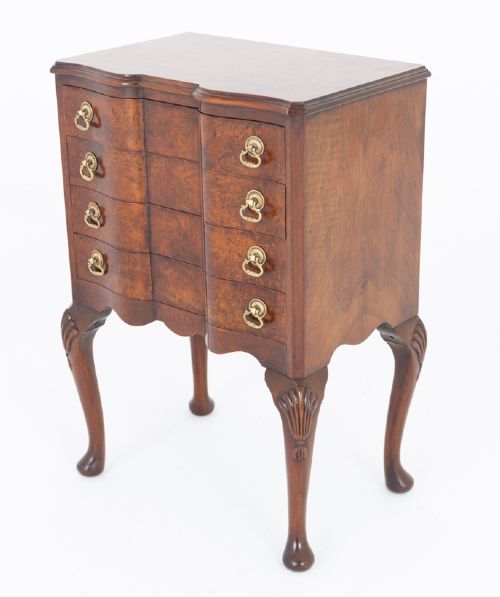
A carved night table selection comprises compact bedside storage, lamp stands, and pot cupboards spanning the eighteenth, nineteenth, and early twentieth centuries. Mahogany, walnut, and oak dominate these compact bedside forms across Victorian, Georgian, and French provincial styles.
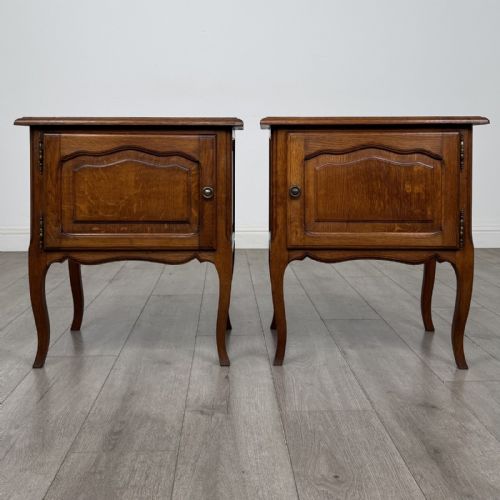
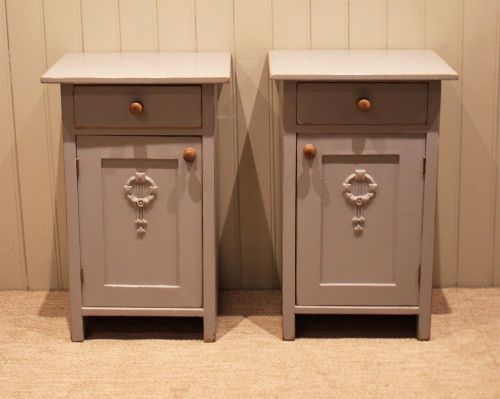
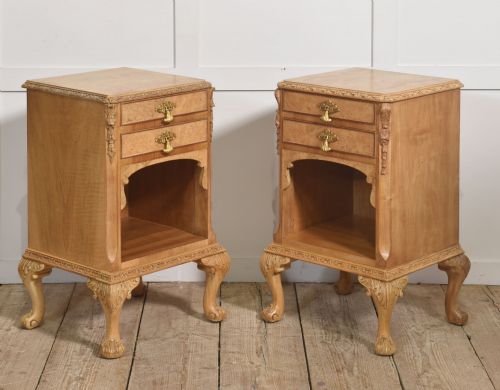
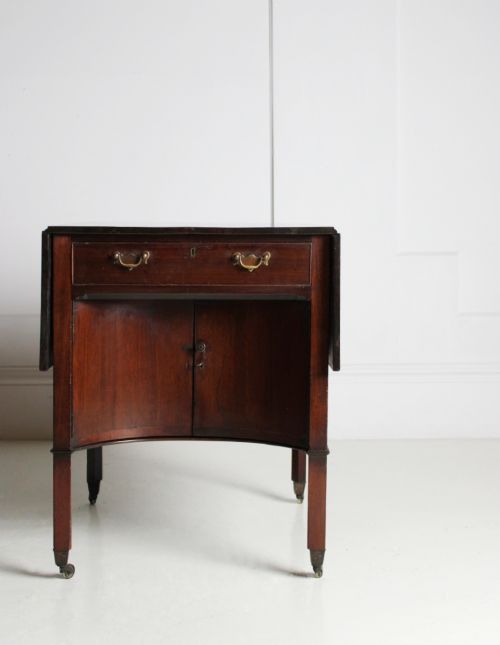
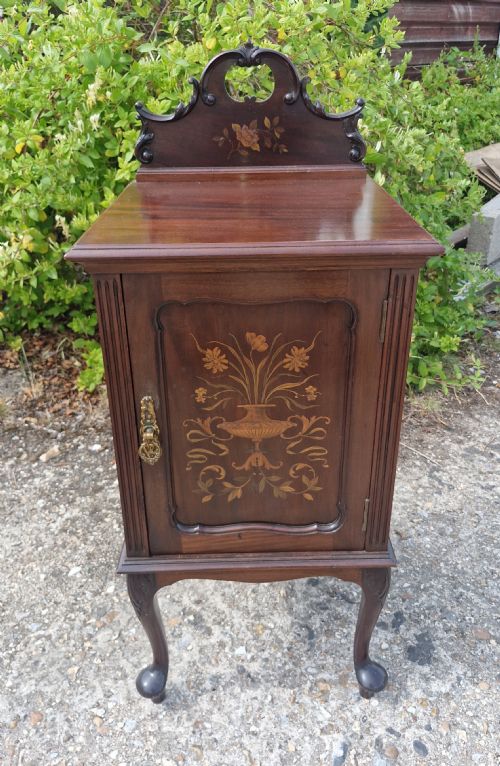
Bedside cabinets and night table cupboards appear frequently as matched pairs, though single tables also occur. The listings show forms ranging from eighteenth-century Georgian night tables to Art Deco walnut cabinets and French marble-topped cupboards.
Materials and Construction
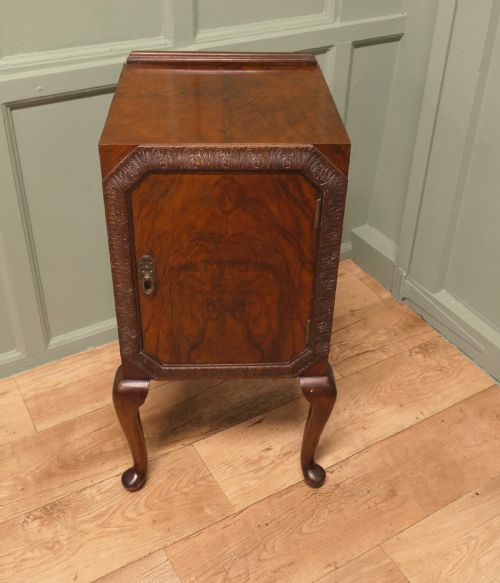
Cabinet makers utilised dense hardwoods such as mahogany, oak, and walnut, often applying flame mahogany veneer or burr walnut to visible surfaces. Carved ornamentation, cabriole legs, and barley twist supports demonstrate traditional woodworking techniques.
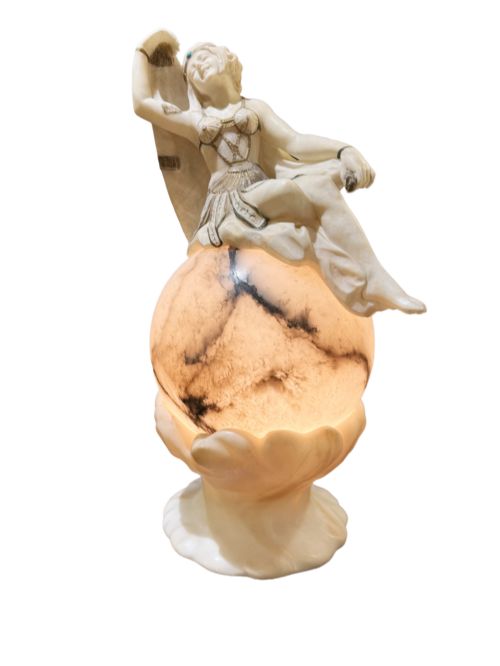
Many French and continental night tables feature inset marble tops and alabaster elements, combining stone surfaces with wooden carcases. Brass hardware and inlaid details provide functional and decorative accents across the various periods.
Carved Night Table Retail Price Guide 2026
Typical asking prices for carved night table among the pieces listed under this phrase on Sellingantiques today, from the lower quarter to the upper quarter. They describe what is for sale here now, not the wider market.
The selection includes mahogany, walnut, oak, and marble across Victorian, Georgian, and Art Deco styles.
Assessment of Quality
Quality rests in the crispness of the carved details and the selection of timber veneers like burr walnut and flame mahogany. Solid construction of drawers and cupboard doors separates standard utilitarian pieces from finer cabinet work.
The integration of materials such as genuine marble tops and brass mounts dictates the standing of individual bedside tables. Proportion, timber figuring, and stylistic coherence across pairs define the upper tier of these pieces.
The Carved Night Table Glossary
- Cabriole leg
- A furniture leg that curves outward and then tapers inward, mimicking an animal limb. This form appears frequently on eighteenth-century and revival pieces.
- Pot cupboard
- A small bedside cabinet originally designed to house a chamber pot. These pieces typically feature a single door above or beside a small drawer.
- Marble top
- A slab of polished stone fitted to the upper surface of a bedside cabinet. This surface provided a durable, water-resistant top for washing jugs and lamps.
- Barley twist
- A carved wooden furniture leg or support resembling a spiralling rope. This turning technique appears on nineteenth-century French furniture.
Carved Night Table: Frequently Asked Questions
What is a night table?
A night table is a small piece of bedside furniture designed to hold lamps, books, and nighttime necessities. They often incorporate enclosed cupboards or small drawers for private storage.
Historically, many versions functioned as pot cupboards before adapting into general bedside cabinets and lamp stands.
How do I date a bedside cabinet?
Dating relies on identifying the primary timbers, construction methods, and stylistic markers such as cabriole legs or barley twist supports. Georgian pieces show different proportions and joinery compared to Victorian or Art Deco examples.
Secondary woods inside drawers and the presence of hand-cut dovetails also help establish the approximate period of manufacture.
Are night tables sold in pairs?
Many bedside cabinets and night tables survive and sell as matched pairs, particularly those originating from the nineteenth and early twentieth centuries. Single tables also appear frequently across various styles.
Pairs often command higher interest for symmetrical placement on either side of a double bed.
What materials are used?
Traditional bedside furniture uses dense timbers including mahogany, walnut, and oak, frequently enhanced with burr walnut or flame mahogany veneers. Some continental examples incorporate marble tops and alabaster elements.
Brass handles, hinges, and occasional inlaid stringing complete the material composition of these pieces.