



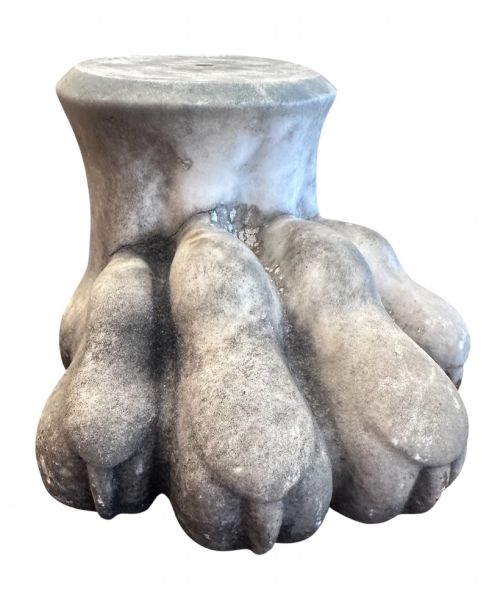
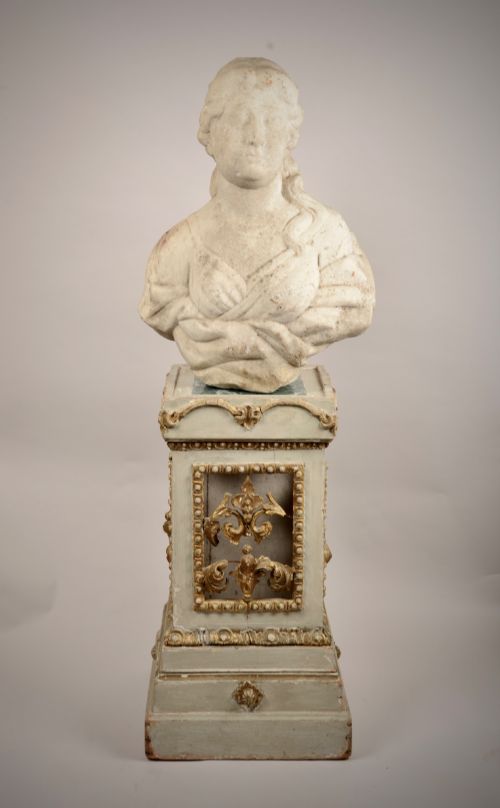


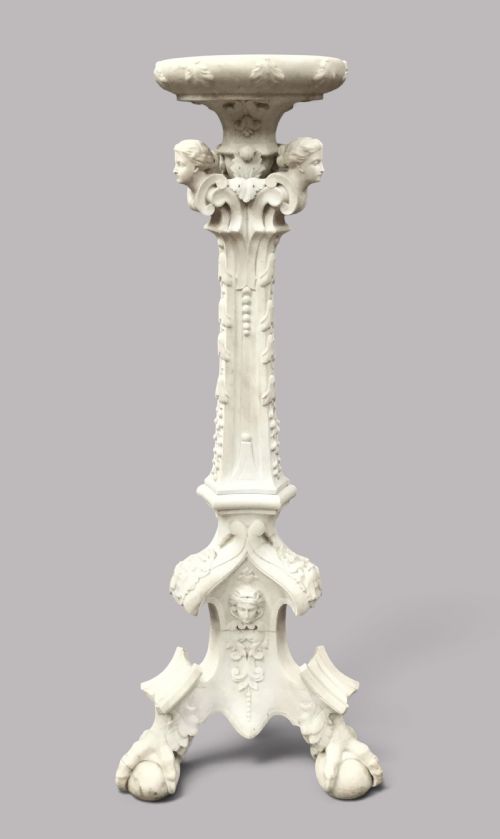

Carved Marble Plinth
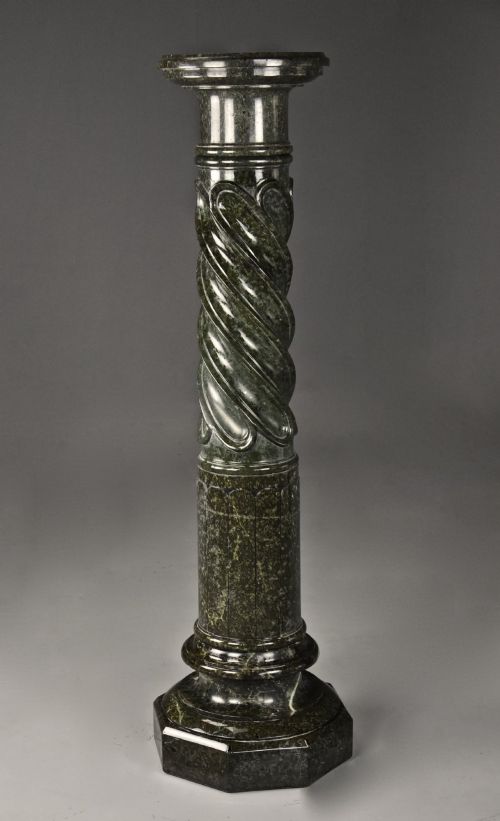
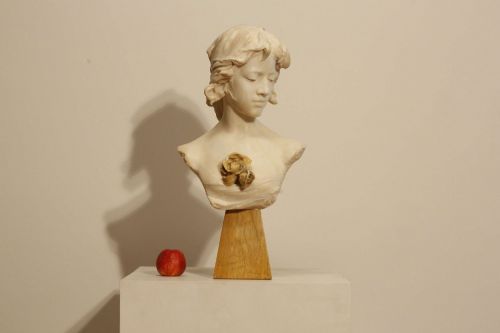
A carved marble plinth holds a bust or bronze steady, lifting sculpture into the light with monumental weight.
Carved Marble Plinth
A carved marble plinth elevates statuary and decorative objects in domestic interiors, operating as a architectural support column or a low display surface. Buyers seek these pieces to anchor sculpture or function as standalone decorative focal points in a room.
The selections span from the seventeenth century through the early twentieth century, with nineteenth-century examples appearing frequently. Italian and French workshops dominate the origin points, producing forms ranging from triform pedestals to classical torchere stands.
Neoclassical and Baroque styles recur across the inventory, alongside Grand Tour souvenirs and architectural elements. Pedestals, columns, and low centre tables comprise the primary functional types available to collectors.
Materials and Construction
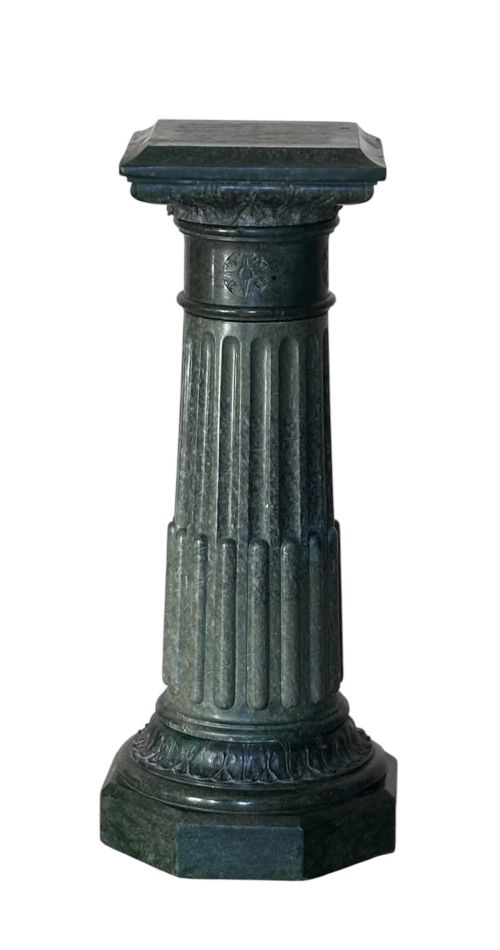
Masons shaped these objects from Carrara marble, Verde Antico, alabaster, onyx, and serpentine, selecting stone for its density and natural veining. Sculptors worked the blocks by hand using chisels and rasps to achieve fluted shafts, capitals, and carved lion paw feet.
Ormolu mounts and bronze components frequently accent the stone work, particularly on French pieces influenced by Louis XVI designs. Scagliola appears as an alternative technique, using pigmented plaster and glue to imitate natural breccia and variegated marbles.
Carved Marble Plinth Retail Price Guide 2026
Typical asking prices for carved marble plinth among the pieces listed under this phrase on Sellingantiques today, from the lower quarter to the upper quarter. They describe what is for sale here now, not the wider market.
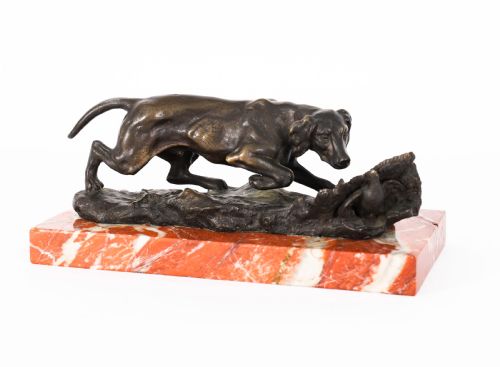
Several columns double as silent but heavy-footed companions for stray hunting dogs cast in bronze.
Craftsmanship and Proportion
Quality rests in the precision of the stone carving and the geological consistency of the marble blocks. Superior pieces exhibit crisp fluting, finely articulated acanthus leaves, and balanced proportions between the capital, shaft, and base.
The integration of cast ormolu mounts and the depth of surface polish distinguish finer workshops from standard production. Natural figuring in the stone enhances the visual impact when the cutter aligns the grain symmetrically around the column shaft.
Carl Kauba·Fritz Kochendorfer
The Carved Marble Plinth Glossary
- Carrara marble
- A white or blue-grey stone quarried in Tuscany, prized for statuary and architectural elements since antiquity. Sculptors select it for its fine, uniform grain.
- Verde Antico
- A dark green serpentine breccia marble marked by white calcite veins, favoured by Italian and French makers for decorative columns. It yields a rich contrast against gilt bronze mounts.
- Torchere
- A tall stand designed to support a lamp, candelabrum, or small sculpture. In marble, these take the form of slender columns with circular tops.
- Scagliola
- A composite material made from pigmented selenite, glue, and plaster, applied to mimic inlaid marble. Artisans polished the surface to achieve the sheen of genuine stone.
- Grand Tour
- A traditional trip through Europe undertaken by upper-class young men in the eighteenth and nineteenth centuries to collect antiquities and classical souvenirs.
Carved Marble Plinth: Frequently Asked Questions
How do I choose the right height?
Consider the scale of the sculpture or bust intended to rest upon the top surface. Taller columns suit hallway corners, while lower pedestals integrate well beside seating.
Ensure the weight capacity matches the object placed above it. Heavy bronze or marble statuary requires a stable, wide base.
Where should I place a heavy pedestal?
Position these heavy stone pieces on level structural flooring that supports concentrated loads without shifting. Corner placements offer natural stability and protect the shaft from accidental knocks.
Keep them away from high-traffic household paths where movement might destabilise tall columns.
How do I clean carved marble?
Dust the stone regularly with a soft, dry cloth to prevent particulate accumulation in the carved crevices. Avoid acidic cleaners, oils, and abrasive agents that etch the polished surface.
Consult a professional restorer if the stone requires deep cleaning or repair of historic chips.
What defines Neoclassical style columns?
Neoclassical pieces draw inspiration from Greek and Roman architectural orders, featuring straight fluted shafts and restrained geometric ornament. They emphasise symmetry, proportion, and classical dignity over elaborate Baroque curves.
capitals often incorporate classical motifs such as acanthus leaves, egg-and-dart moulding, or plain Doric designs.