

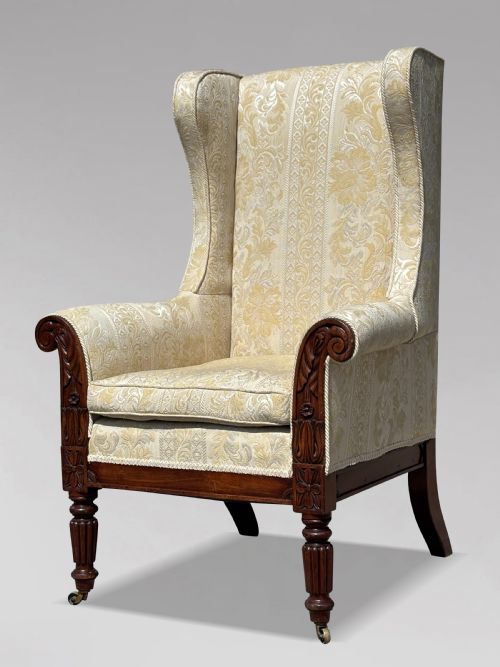


Carved Mahogany Wing Chair
A carved mahogany wing chair brings solid timber frames and deep-set comfort together, offering a stately seat built to last through generations.
Carved Mahogany Wing Chair
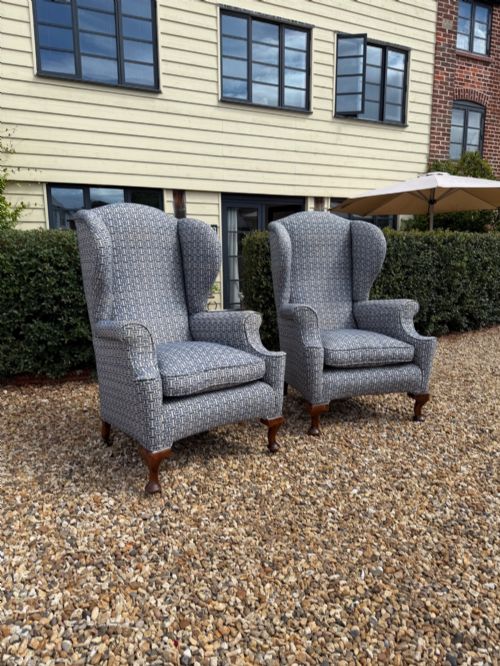
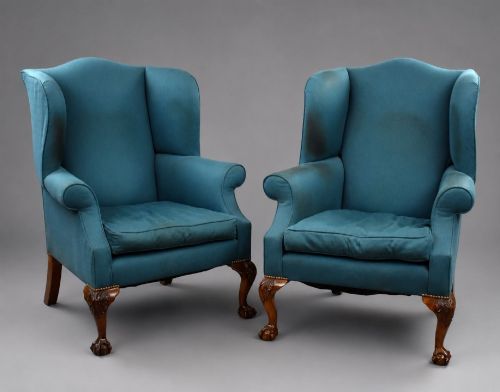
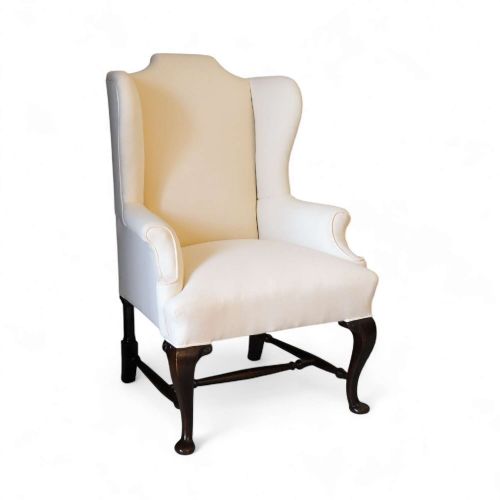
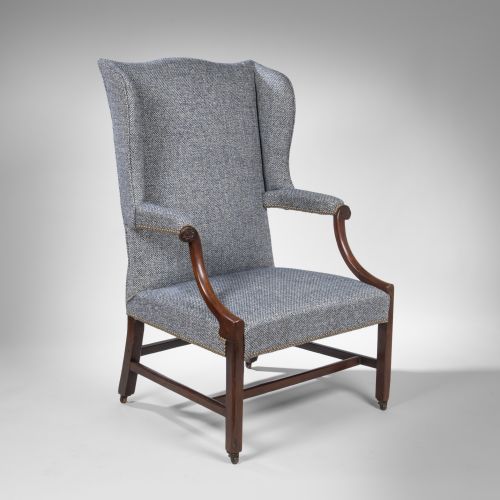
A carved mahogany wing chair is a traditional upholstered seat featuring high side panels designed to trap heat from a fireplace and block draughts. These chairs appear in various historical iterations, ranging from authentic Georgian and Regency examples to later revival pieces from the Victorian and Edwardian eras.
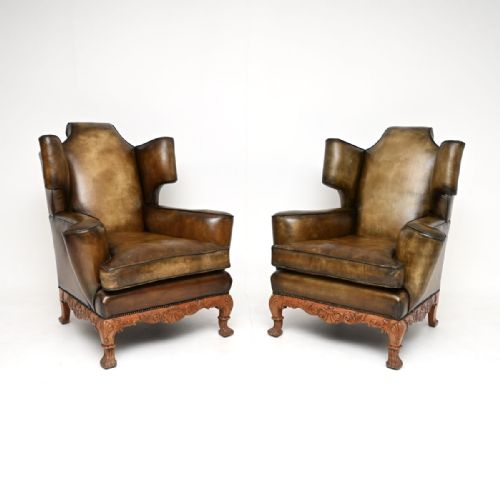
The selections span standard armchairs, library seats, and rocking chairs, often constructed from dense tropical hardwood and finished in leather, velvet, or calico. Buyers frequently encounter nineteenth-century interpretations built in the George II or Chippendale style alongside older eighteenth-century origins.
Materials and construction
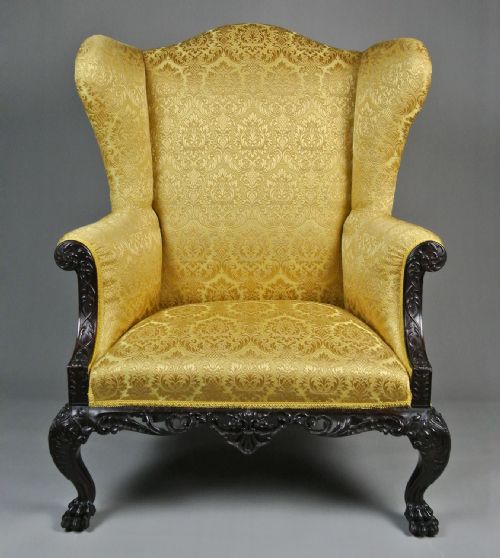
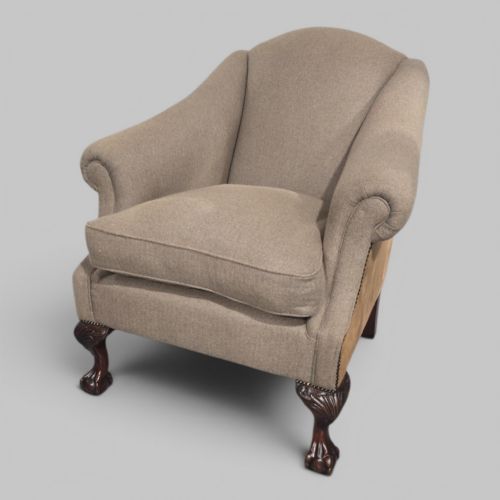
Makers utilised solid mahogany for the exposed framework, allowing for crisp hand-carving along the cabriole legs and arm terminals. Hardwood forms the structural skeleton, while secondary woods support internal webbing and stuffing.
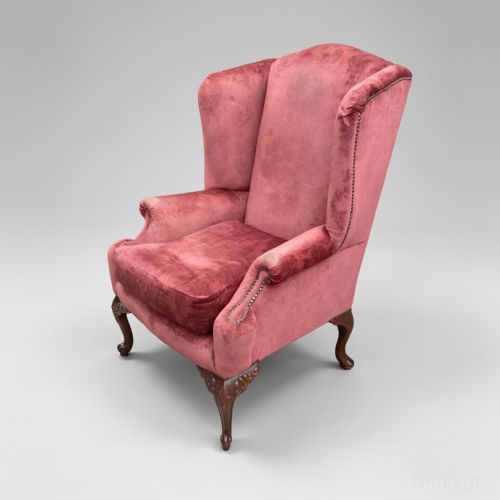
Upholstery methods rely on traditional stuffing materials covered in leather, velvet, fabric, calico, or hessian, often secured with brass tacks. Frames frequently incorporate structural joinery such as mortise and tenon joints to bear the weight of the high back and wings.
Listings feature mahogany, brass, leather, velvet, calico, and hessian across eighteenth, nineteenth, and early twentieth-century periods.
Evaluating craftsmanship and condition
Quality rests primarily on the depth and crispness of the timber carving, where finer pieces display sharp relief work along the knees and rails rather than soft, rounded edges. The weight and grain of the mahogany also indicate the tier of the piece, with dense, well-figured timber denoting superior manufacture.
Structural integrity dictates the standing of an armchair, particularly the firmness of the frame joints and the proportion of the wings to the seat. Originality of the timber components and the presence of period upholstery techniques further separate standard workshop output from exceptional examples.
Howard And Sons·Thomas Chippendale
The Carved Mahogany Wing Chair Glossary
- Wingback
- An upholstered armchair with high side panels attached to the arms to shield the sitter from draughts. This traditional form dates back to the seventeenth century and remains a staple of period seating.
- Cabriole leg
- A furniture leg that curves out in a convex arc at the knee and tapers inward in a concave arc to the foot. It frequently terminates in a claw and foot motif.
- Calico
- A plain-woven cotton textile used historically as an initial upholstery layer or base stage before applying top covers. Many antique chairs appear in this intermediate state.
- Hessian
- A coarse woven fabric, typically made from jute fibres, utilised inside upholstered furniture for webbing and internal padding support. It provides a durable foundation for heavy stuffing.
- Mahogany
- A durable, reddish-brown tropical hardwood prized for stability and fine grain, extensively used in high-grade furniture production from the eighteenth century onward.
Carved Mahogany Wing Chair: Frequently Asked Questions
What is a wing chair used for?
These seats were originally designed to sit near a fireplace, where the high sides trapped heat and protected the occupant from cold draughts.
Today, they serve as prominent reading or fireside armchairs that anchor a room's traditional layout.
How do I identify a Georgian wing chair?
Authentic pieces from the Georgian period typically exhibit restrained proportions, dense mahogany framing, and hand-carved details like claw and foot motifs on cabriole legs.
Later revival pieces often imitate these specific structural cues while showing nineteenth-century construction methods underneath.
Are these chairs comfortable to sit in?
The deep seats and high backrests provide substantial physical support, though comfort levels depend heavily on the internal webbing and padding condition.
Many older frames are re-webbed and re-upholstered to suit modern sitting preferences while retaining their historic timber structures.
What does upholstered to calico stage mean?
This indicates that the interior work, including webbing, stuffing, and the base calico cover, has been completed without the final decorative fabric applied.
It allows the buyer to select their own top upholstery to match an existing interior scheme.