


George II Reading Chair
A george ii reading chair offers exceptional support for the seated reader, combining mid-eighteenth-century design with robust craftsmanship.
George II Reading Chair
When you search for a george ii reading chair, you encounter substantial seating designed primarily for study and quiet contemplation during the eighteenth century and subsequent revival periods. These pieces include authentic eighteenth-century examples alongside later nineteenth-century and early twentieth-century interpretations.
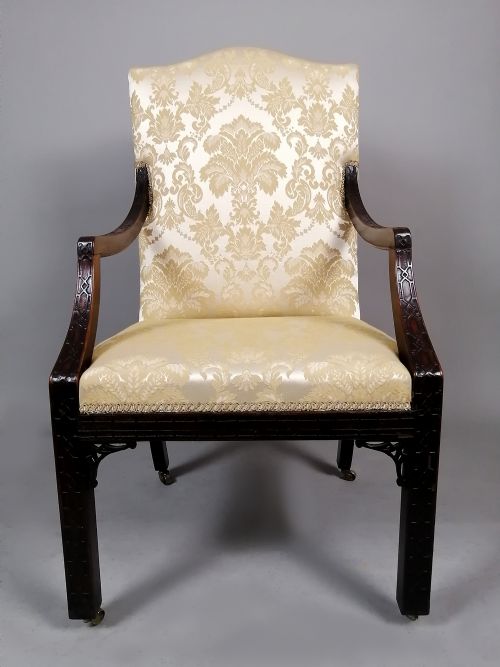
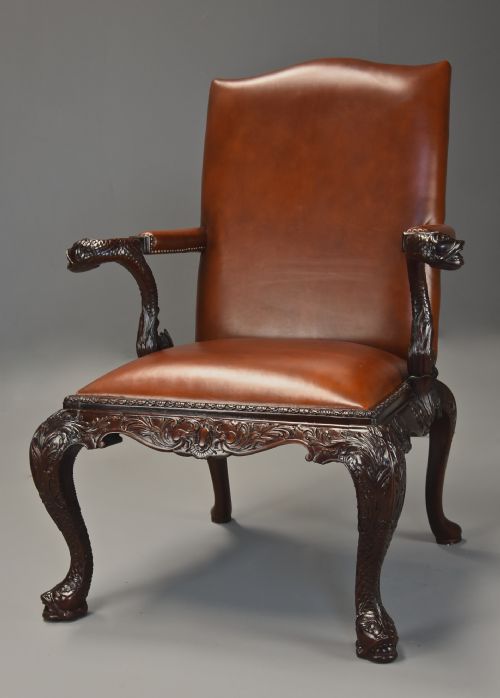
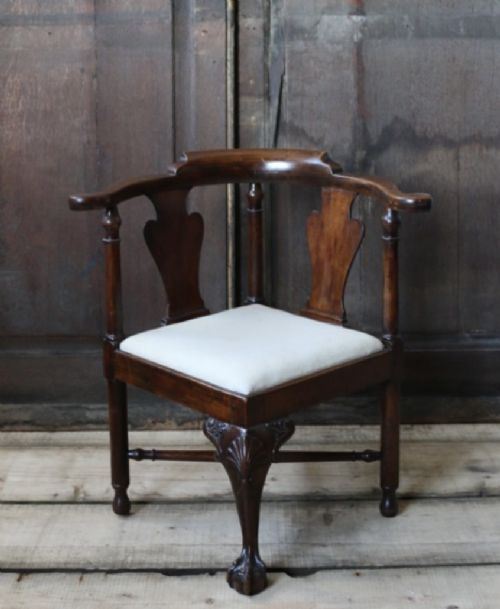
The selection on this page encompasses armchairs, corner chairs, and library chairs built in walnut, oak, and mahogany. Many pieces feature upholstered backs and arms, frequently finished in leather or damask fabric, tailored for comfort during long hours of reading.
How they were made
Cabinetmakers constructed these frames using dense timbers like mahogany, walnut, and oak, often incorporating intricate hand-carved details. Structural stability relied on traditional joinery techniques suited to supporting heavy loads.
Upholstery involved durable internal webbing and stuffing, traditionally finished with quality leather, damask, or woven fabric secured with brass detailing. Wood surfaces received hand-polished finishes that enhanced the natural grain of the timber.
What varies in quality
The depth and crispness of the hand-carving separate standard pieces from exceptional examples, particularly where floral or geometric motifs adorn the frame. Early eighteenth-century originals display distinct chisel work that differs from the mechanical precision found in later revivals.
Proportion and timber selection dictate the overall standing of an armchair. Dense, well-figured mahogany or richly patinated walnut elevates a piece, as does the retention of period upholstery materials like original leather and damask.
The George II Reading Chair Glossary
- Wingback
- An armchair featuring protective side panels designed to shield the sitter from draughts. These panels extend upwards from the armrests.
- Gainsborough armchair
- A wide, open-armed seat with a padded back and seat, typically standing on four legs. This form gained popularity during the mid-eighteenth century for library use.
- Corner chair
- A seating form designed to fit into room angles, featuring a diagonal seat orientation and a continuous curved armrest supported by multiple posts.
- Chinese Chippendale
- A revival and period style characterised by straight, square legs and fretwork lattice ornamentation inspired by Chinese design motifs.
George II Reading Chair: Frequently Asked Questions
How do I identify a genuine eighteenth-century piece?
Examine the timber shrinkage, tool marks, and construction methods used within the unseen frame joints. Eighteenth-century makers utilised hand-sawn components that display subtle irregularities absent in later machine-made reproductions.
Compare the overall proportions and patination of the wood against authenticated examples from the period. Genuine pieces accumulate distinct wear patterns across high-touch areas over centuries of domestic use.
Where should I place a reading chair?
Position the chair in a study, library, or quiet corner alongside a dedicated reading lamp. Their substantial forms require adequate floor space to allow the silhouette and carved details to remain visible.
Keep the timber away from direct heat sources and strong sunlight to prevent the wood from drying out and the leather or fabric from fading.
What is the difference between original and revival pieces?
Original pieces date from the mid-eighteenth century and carry the structural wear and timber patination consistent with that era. They represent the primary aesthetic developments of the Georgian period.
Revival pieces originate from the nineteenth or early twentieth centuries, copying earlier styles with contemporary tools and modified construction methods.
How should I maintain leather upholstery?
Apply a suitable leather dressing periodically to keep the material supple and prevent cracking. Avoid harsh chemical cleaners that strip the natural oils from historic hides.
Dust the crevices of the upholstery regularly with a soft brush to prevent grit accumulation in the folds and tufting.