

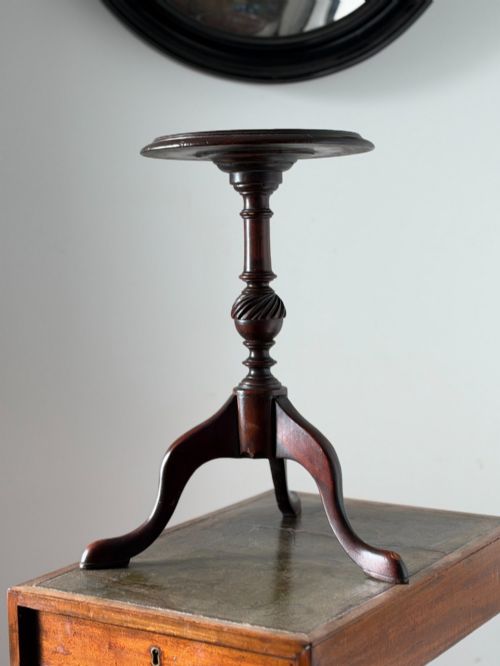
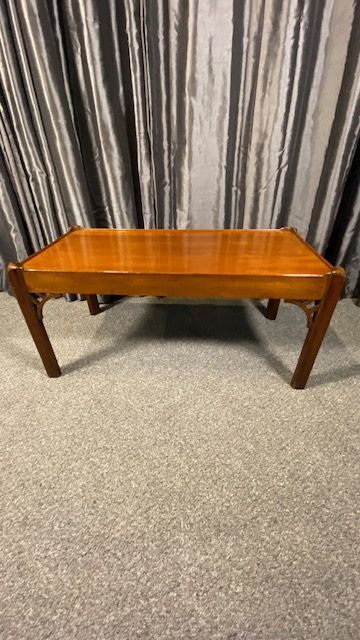
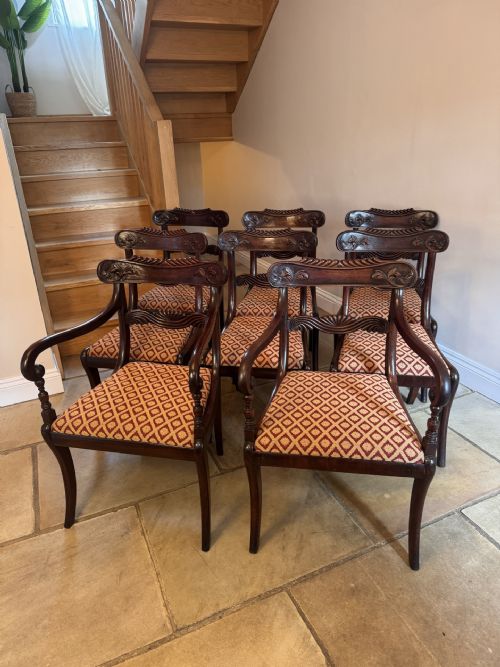
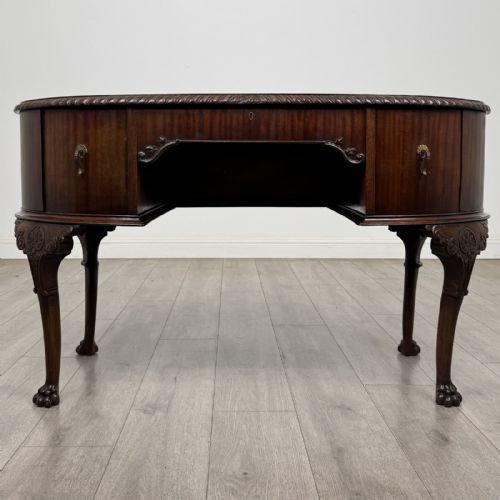
Carved Mahogany Style Table
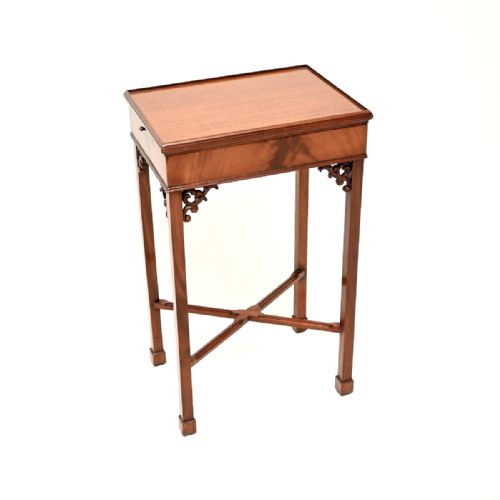
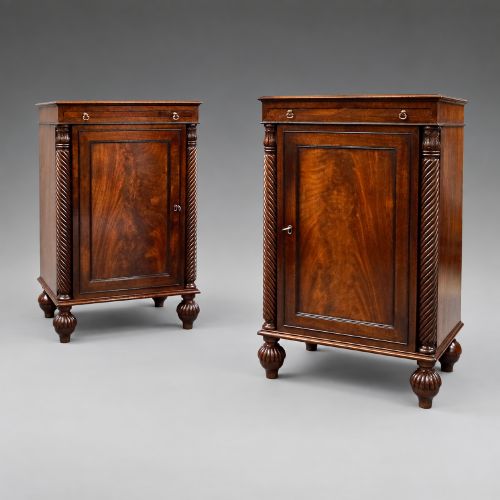
A carved mahogany style table brings rich timber grain and sculptural woodwork into a room, drawing the eye with solid proportions and traditional forms.
Carved Mahogany Style Table
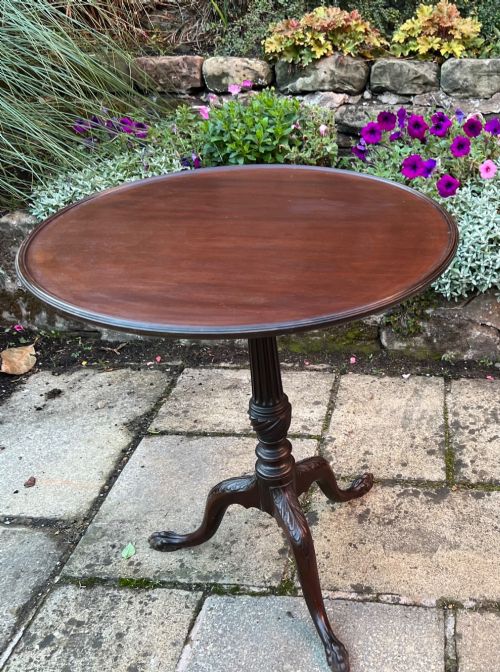
When you search for a carved mahogany style table, you are looking at functional furniture shaped by historical revivals and classic cabinetmaking. The pieces span the eighteenth century, the nineteenth century, and the Edwardian era, showing how later makers adapted earlier aesthetic movements.
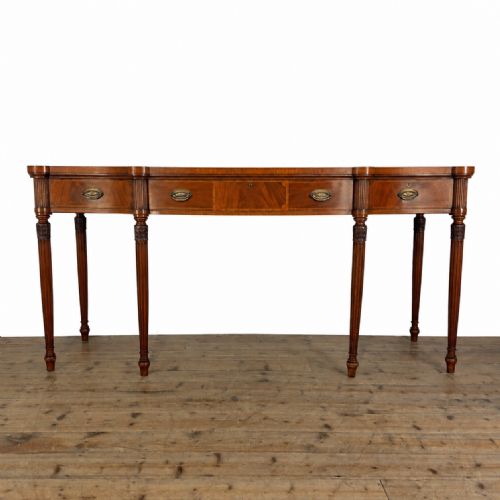
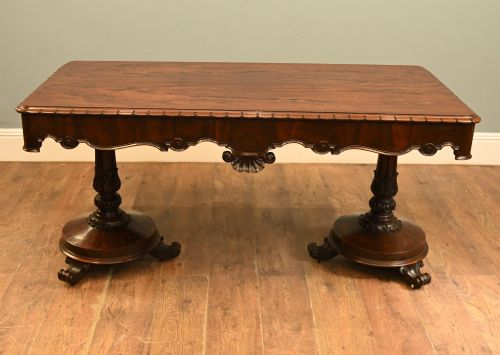
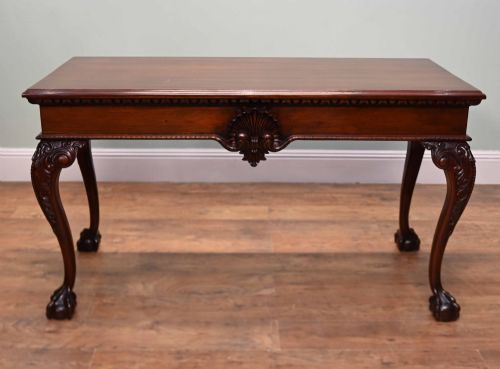
You are most likely to meet occasional tables, console tables, and side tables on this page. These forms range from simpler occasional pieces to larger console and centre tables with detailed classical ornament.
How they were made
Makers relied on mahogany as the primary timber, valued for its rich colour and stable grain which allowed for crisp carving. Brass hardware, leather inserts, and marble tops frequently accompany the timber elements.
Joinery and carving define the construction, utilising traditional techniques to secure pedestals, tilt-top mechanisms, and decorative feet. Artisans shaped borders and aprons directly into the solid wood.
Carved Mahogany Style Table Retail Price Guide 2026
Typical asking prices for carved mahogany style table among the pieces listed under this phrase on Sellingantiques today, from the lower quarter to the upper quarter. They describe what is for sale here now, not the wider market.
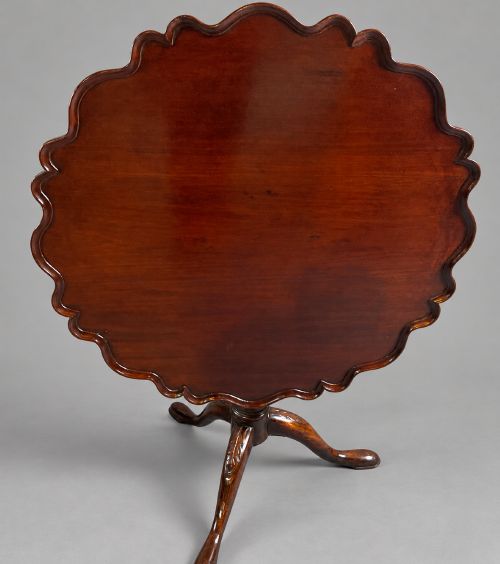
Some tables tilt their tops vertically, behaving like wooden sentinels resting against the wall until tea time calls them back to duty.
What varies in quality
Quality rests on the depth and precision of the carved detail, separating sharp, hand-shaped ornament from softer, less defined moulding. The choice of timber grain also dictates visual richness across the surface.
Structural integrity and the cleverness of mechanisms, such as tilt-top birdcage pivots or drop leaves, distinguish superior examples from standard workshop production.
William and Gibton·Giles Grendey
The Carved Mahogany Style Table Glossary
- Mahogany
- A durable tropical hardwood prized for its deep reddish-brown hue and smooth finishing qualities. It forms the structural and surface foundation for these pieces.
- Tilt Top
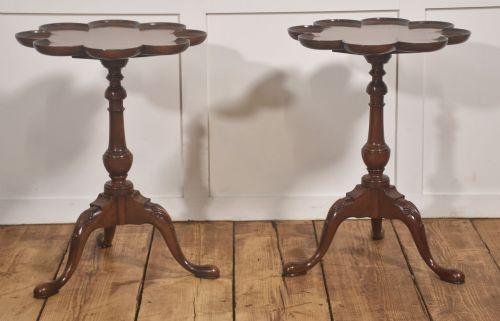
- A tabletop hinged to its central pedestal so it can tilt vertically when not in use. This mechanism allowed tables to stand flat against walls to save floor space.
- Chippendale Style
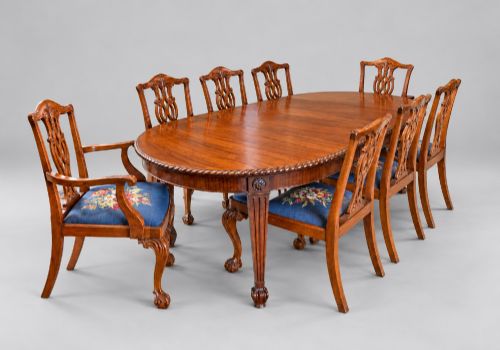
- A design approach inspired by eighteenth-century cabinetmaker aesthetics, recognisable by carved motifs like claw and ball feet and interlaced fretwork. It frequently reappeared in later revival furniture.
- Piecrust Edge
- A raised, scalloped border carved along the perimeter of a circular tabletop. It resembles the fluted pastry edge of a pie.
- Gueridon
- A small, freestanding decorative table supported by a single central column or tripod base. The form originates from seventeenth-century French design.
Carved Mahogany Style Table: Frequently Asked Questions
How do I identify a Chippendale style table?
A Chippendale style table often displays characteristic carved ornamentation such as claw and ball feet, cabriole legs, or intricately shaped aprons.
These details reflect the aesthetic vocabulary popular during the eighteenth century and revived extensively during later periods.
Where should I place a console table?
A console table works best positioned flat against a wall in a hallway, drawing room, or dining space. Its shallow depth provides a surface for decorative objects without blocking movement.
Pairing it with a mirror or placing it beneath artwork creates a balanced focal point in an interior.
What materials accompany mahogany on these tables?
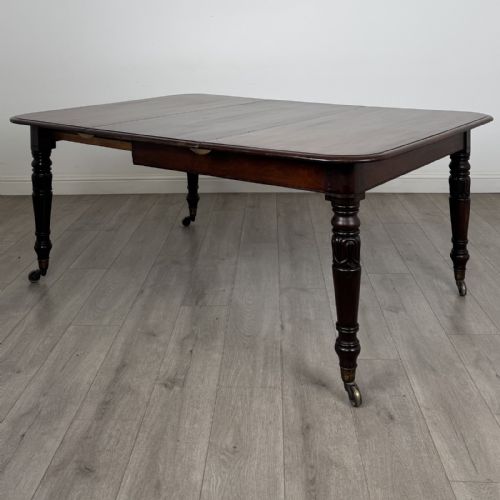
Mahogany tables frequently incorporate brass handles, hinges, or castors to assist with movement and structural reinforcement. Some variants also integrate leather writing surfaces or inset marble slabs.
These supplementary materials highlight the functional purpose of each specific table type.