


Carved Mahogany Mantle Glass
These carved mahogany mantle glass mirrors bring warmth and presence to a room, offering both practical reflection and traditional craftsmanship.
Carved Mahogany Mantle Glass
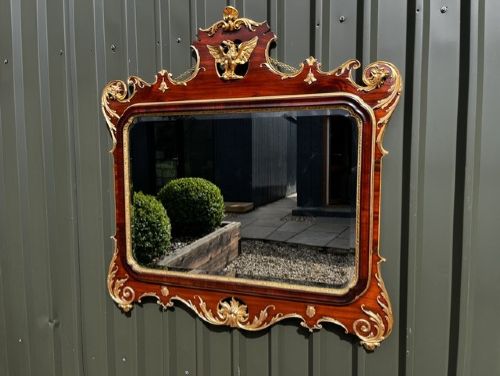
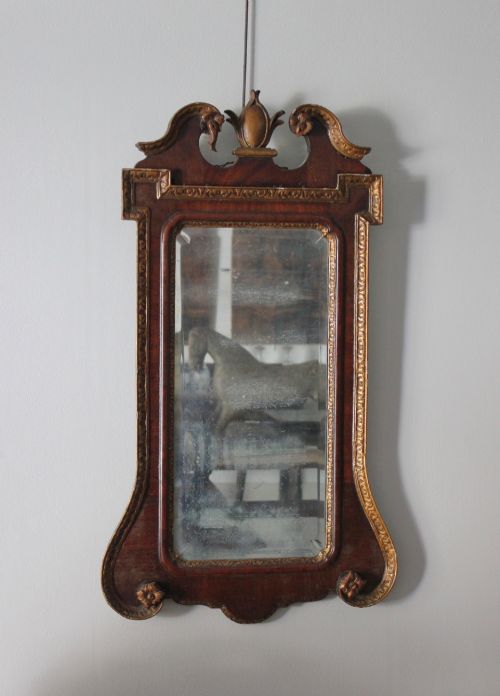
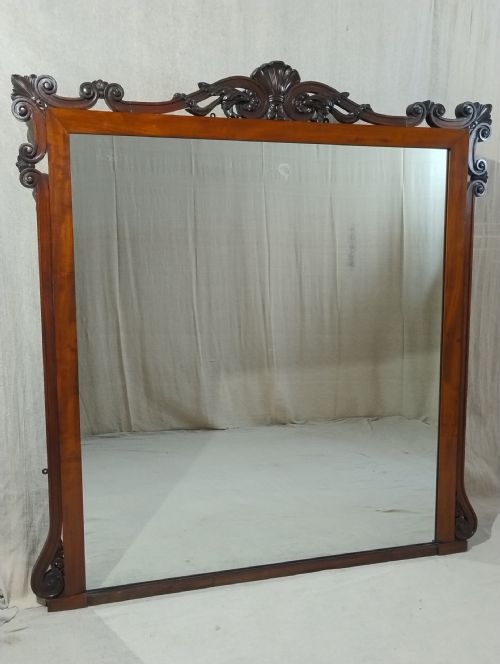
A carved mahogany mantle glass is a substantial wall-hanging or overmantel mirror designed to sit above a fireplace. The pieces on this page span the Georgian, Victorian, and Edwardian periods, stretching from the mid-eighteenth century to around nineteen hundred.
Most examples you will encounter are Victorian overmantel mirrors fashioned from mahogany, often featuring carved wooden frames. Styles range from classical Chippendale revivals and country house vernacular to fretted triptych designs and Arts and Crafts interpretations.
Mantle glasses served as architectural focal points in period interiors, reflecting light and visually expanding the proportions of the room. You will find both large statement pieces intended for principal reception rooms and smaller domestic wall mirrors.
How they were made
Makers constructed these frames primarily using solid mahogany and hardwood, sometimes incorporating pine for secondary framing or backing boards. Parcel gilt details and giltwood accents appear alongside carved wooden ornament to catch the candlelight or daylight.
Mirror glass is set within the wooden rebates, utilising early mirror plate where original glass survives. Joinery techniques and hand-carved mouldings define the construction, from simple moulded frames to elaborate fretwork.
Listings feature mahogany, giltwood, and pine materials across Georgian, Victorian, and Edwardian periods.
What varies in quality
Quality rests upon the depth and precision of the carving, the choice of well-figured mahogany timber, and the integrity of the original construction. Refined proportion distinguishes master cabinet work from simpler provincial joinery.
The survival of original parcel gilding, early mirror plates with authentic foxing, and untouched secondary woods elevate an example above later alterations or marriages of components.
The Carved Mahogany Mantle Glass Glossary
- Overmantel mirror
- A large mirror specifically designed to hang on the wall directly above a fireplace mantlepiece. These frames often reflect the architectural styles of their respective periods.
- Parcel gilt
- A decoration method where selected portions of a wooden frame receive a thin application of gold leaf while the mahogany grain remains visible elsewhere.
- Triptych
- A mirror divided into three distinct vertical sections or panels within a single integrated frame. This configuration became popular during the Victorian era for wider chimney breasts.
- Fretted
- Woodwork pierced or cut through with decorative open patterns using a fretsaw. This technique creates delicate silhouettes seen on Chippendale style and eighteenth-century frames.
Carved Mahogany Mantle Glass: Frequently Asked Questions
Where should I hang a mantle glass?
These mirrors traditionally anchor the space above a fireplace, where their scale balances the hearth below. They work equally well on any principal wall in a reception room to draw light inward.
Ensure the wall construction and fixings can support the substantial weight of a hardwood and glass assembly before hanging.
How do I date a mahogany mirror?
Dating relies on combining the timber characteristics, construction joints, edge bevelling, and the style of carving. Eighteenth-century pieces show different cabinet-making methods compared to Victorian revivals.
Examining the mirror plate and the backing boards often reveals clues regarding the age of assembly.
Are the mirror plates original?
Some pieces retain their original mirror glass, which frequently exhibits minor foxing, silvering loss, or tiny imperfections. These signs of age confirm authenticity and contribute character.
Later replacements are common in antique mirrors due to breakage or deterioration of the reflective backing over centuries of use.
How do I clean the wooden frame?
Dust the carved mahogany gently with a soft, dry cloth to prevent accumulation in the recesses. Avoid modern chemical sprays or silicone polishes that damage traditional finishes.
Feed the timber periodically with appropriate antique wax if the surface appears dry or starved of nourishment.