
Carved Mahogany Frame
A carved mahogany frame brings rich timber grain and sculptural detail to mirrors, seating, and beds across several centuries of British design.
Carved Mahogany Frame
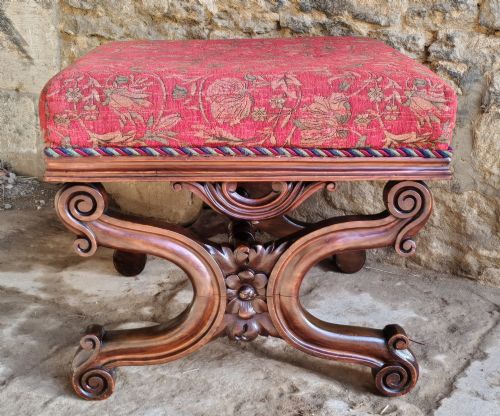
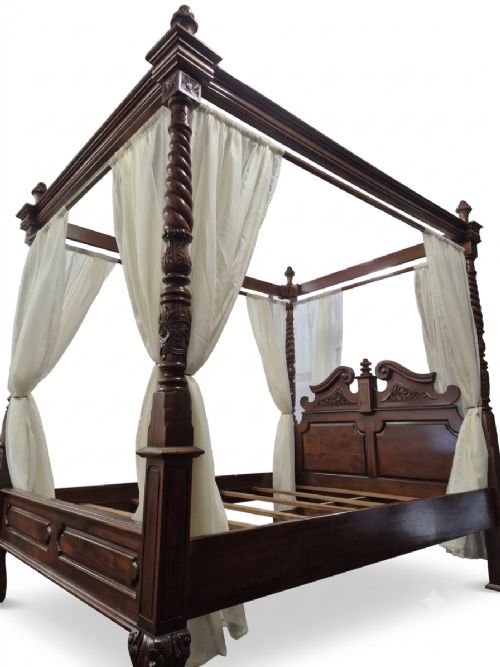
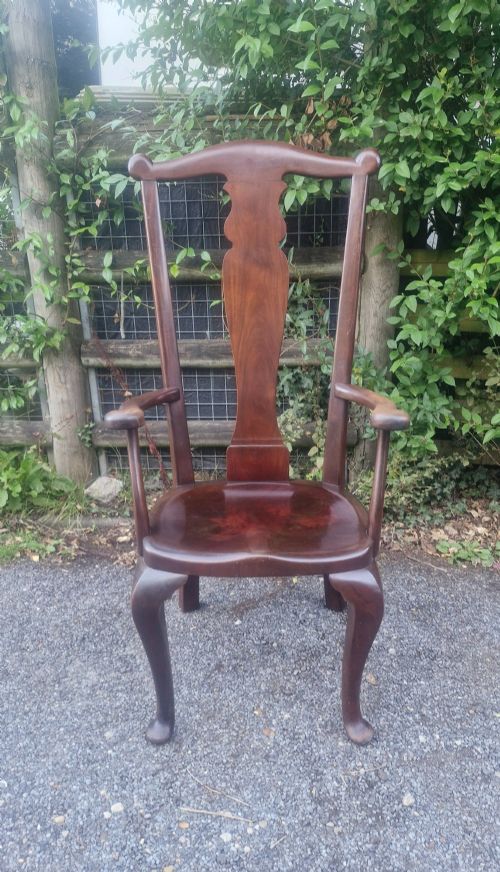
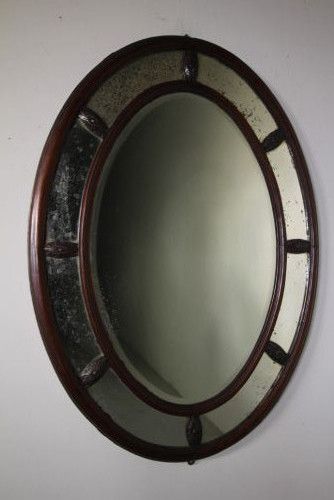
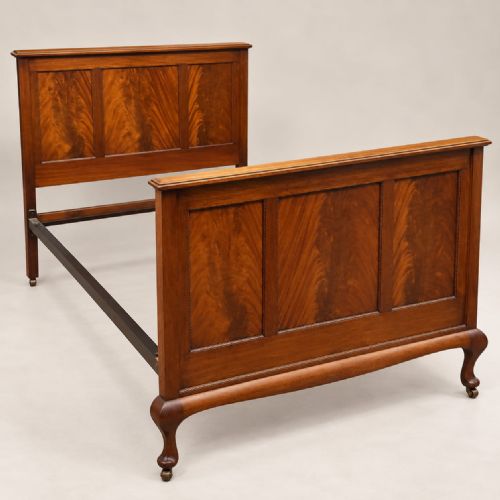
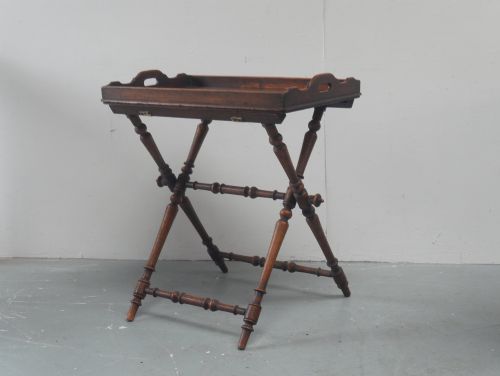
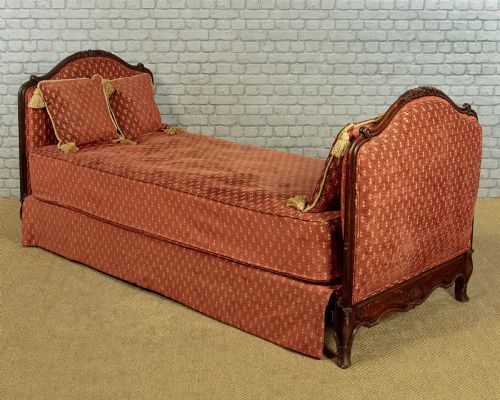
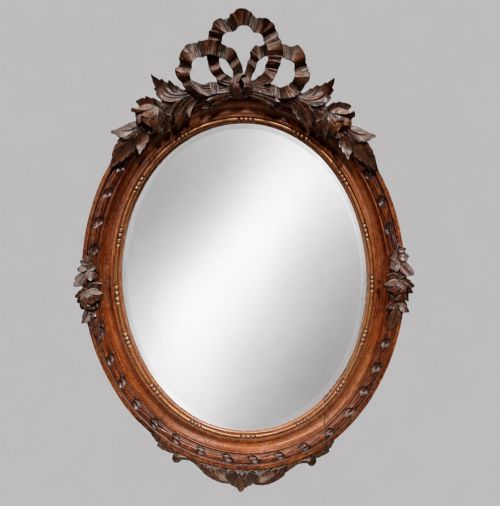
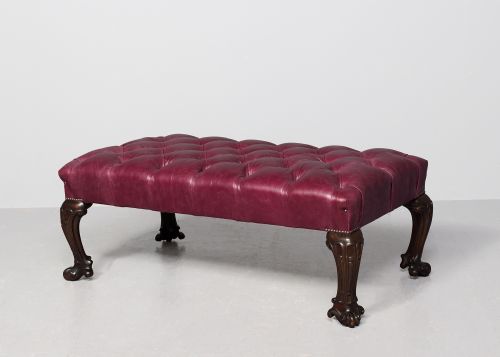
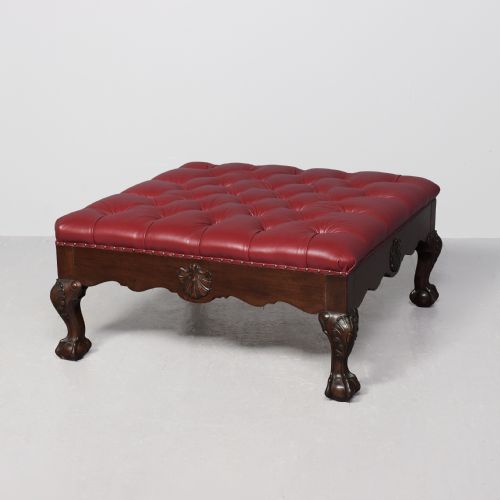
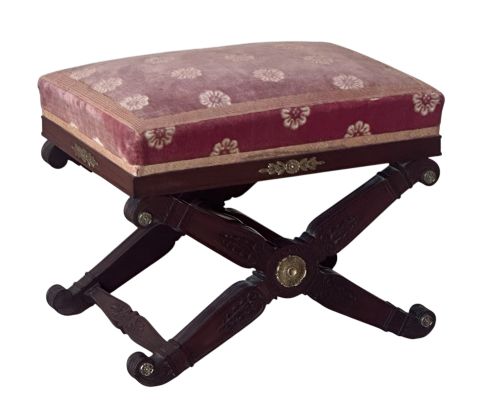
A carved mahogany frame search reveals a diverse group of objects dominated by functional seating, mirrors, and large beds spanning the Georgian, Regency, and Victorian eras. Buyers encounter everything from substantial overmantel and pier mirrors to library armchairs, footstools, and four-poster bedsteads.
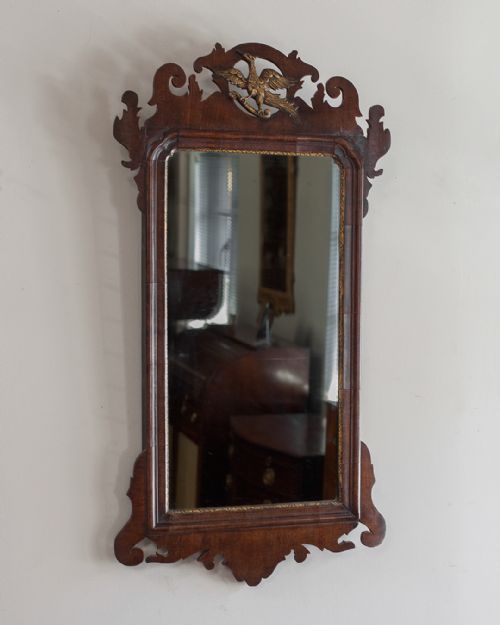
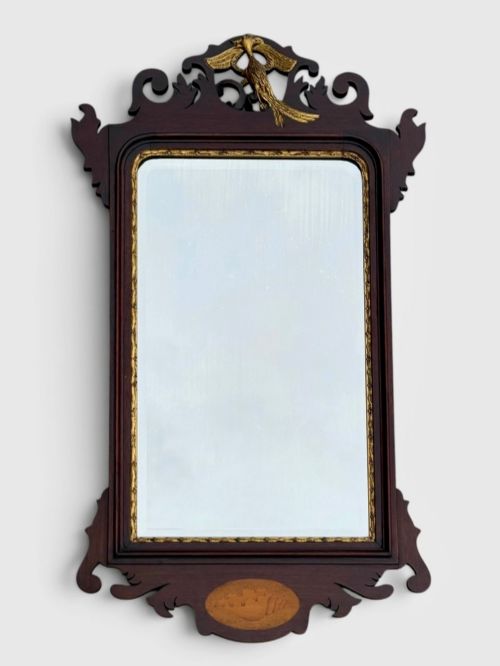
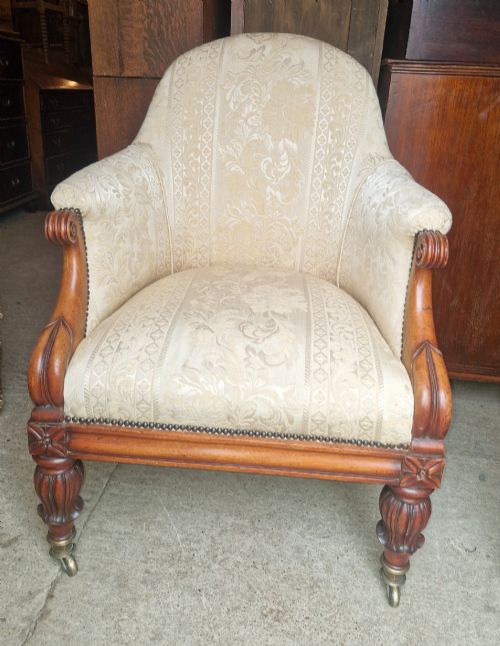
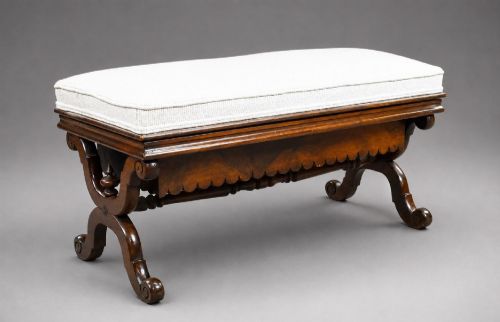
Seating options range from buttoned leather footstools and cabriole-leg vanity chairs to scroll-end sofas and open armchairs in revival styles. Mirrors appear frequently, featuring fretwork, parcel-gilt accents, and crestings such as the Ho-Ho bird.
The material unites domestic utility with decorative ambition, appearing in country house mirrors as well as urban drawing-room seating. Pieces often reflect specific historical revivals, incorporating Chippendale, Adam, or Empire motifs into the carved timber borders.
Distinctions in craftsmanship and design
Quality rests primarily in the depth, crispness, and spatial confidence of the hand-carving. Superior examples display undercut foliage and fluid scrollwork that follows the natural lines of the timber, whereas lesser pieces show shallow, mechanical detailing.
The selection of the mahogany timber itself dictates visual appeal, with premium pieces exhibiting rich figure, consistent grain, and minimal patching. Heavier framing members and robust structural joinery distinguish enduring furniture from lighter, purely decorative items.
Proportion and execution within specific historical styles also separate standard production from master workshops. Well-balanced frames maintain structural integrity under heavy upholstery or large glass loads without relying on excessive external bracing.
P and MA Nicholson·William Kent·Gillows·Heals of London·Howard And Sons
The Carved Mahogany Frame Glossary
- Overmantel mirror
- A large horizontal mirror designed to hang specifically above a fireplace mantelpiece. These often incorporate elaborate carved mahogany frames with gilt accents.
- Cabriole leg
- A furniture leg that curves outward at the knee and tapers inward toward the foot, frequently ending in a pad or claw. This classical shape appears on numerous Victorian and Georgian chairs.
- Parcel-gilt
- Partially gilded woodwork where thin gold leaf is applied selectively to highlight specific carved details against the dark mahogany background. It creates a striking contrast popular in eighteenth-century revival pieces.
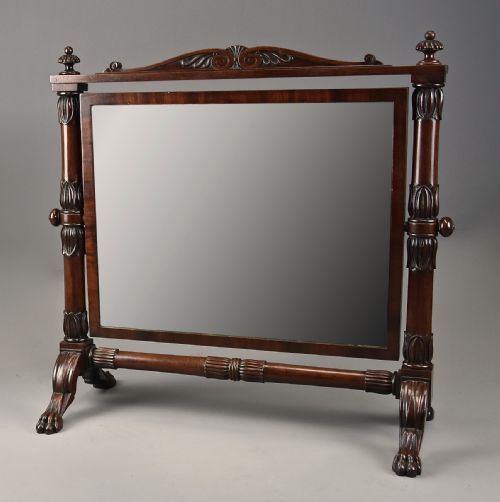
- Cheval mirror
- A full-length dressing mirror suspended on a vertical swiveling frame between two pillars. They often feature heavy mahogany floor stands with substantial carved feet.
- Fret mirror
- A wall mirror featuring a flat wooden frame decorated with intricate fretwork patterns cut out with a scroll saw. Georgian examples frequently display gilded phoenix or Ho-Ho bird crestings at the top.
- Bergere
- An enclosed upholstered armchair with exposed wooden framing and cane or upholstered sides. The carved mahogany show frame defines the structural outline of the seat.
Carved Mahogany Frame: Frequently Asked Questions
What is a carved mahogany frame mirror?
A carved mahogany frame mirror is a wall or dressing glass set into a solid hardwood border shaped by hand with decorative motifs. These pieces range from simple rectangular Georgian fret designs to massive Victorian overmantels featuring gilded crests and deep bevelling.
Craftsmen selected dense mahogany to achieve sharp relief work that stood up to changing interior humidity. They serve both functional dressing purposes and decorative roles in traditional room settings.
How do I date a mahogany frame?
Dating relies on combining the timber characteristics, joinery methods, and the specific decorative style or revival period. Earlier eighteenth-century pieces often show tight, dark Cuban mahogany with hand-cut joinery, while Victorian examples display heavier proportions and machine-assisted preparation.
Examining the backboards, screw types, and secondary woods helps confirm the era of production. Stylistic clues like Chippendale fretwork or Empire scroll ends provide clear chronological markers.
Where were these frames used?
These frames belonged primarily in principal rooms of country houses, town residences, and libraries. Overmantels anchored the chimney breast, while cheval mirrors and dressing tables occupied bedrooms.
Seating frames with carved mahogany sat in parlours and drawing rooms where appearance mattered. Their durable construction suited daily domestic use in high-status household areas.
How do I care for carved mahogany?
Caring for carved mahogany involves maintaining stable indoor humidity to prevent the timber and joinery from drying out. Dusting intricate carvings regularly with a soft brush prevents buildup in recessed areas without harming the finish.
Avoiding direct sunlight protects the rich red-brown tone of the wood from fading over time. Professional waxing preserves the natural sheen of the polished surface.