


Carved Mahogany Display Table
A carved mahogany display table brings warmth and glass-topped visibility to treasured objects, spanning Victorian and Edwardian craftsmanship.
Carved Mahogany Display Table
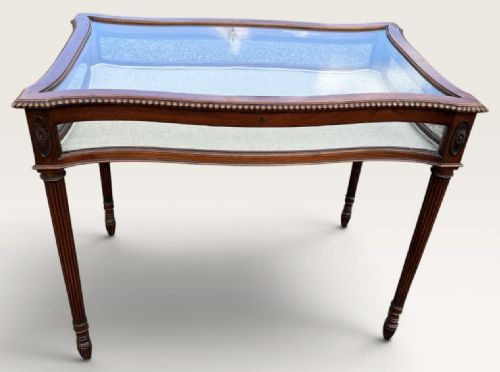
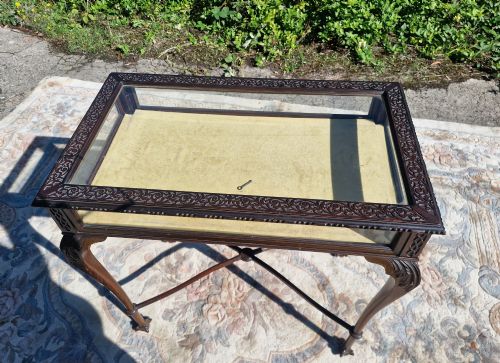
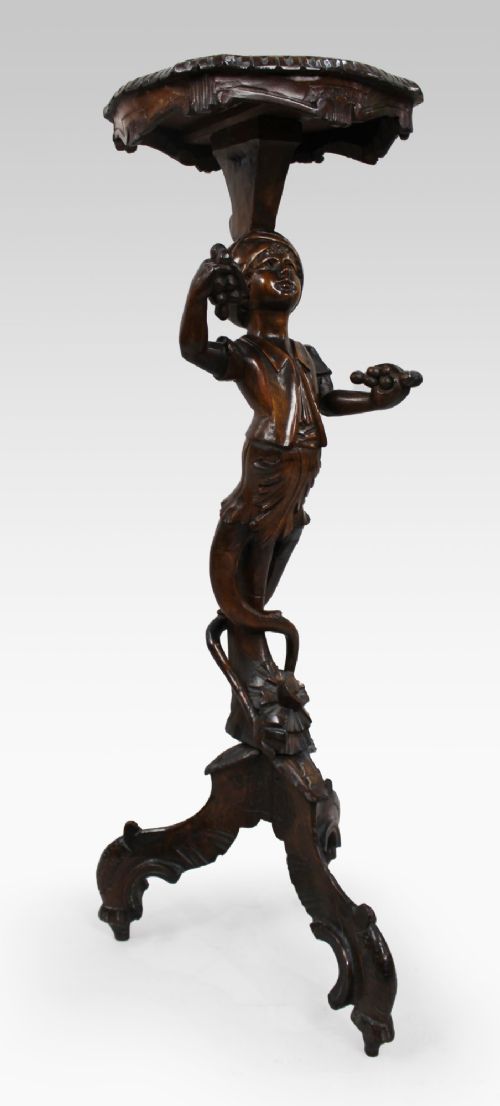
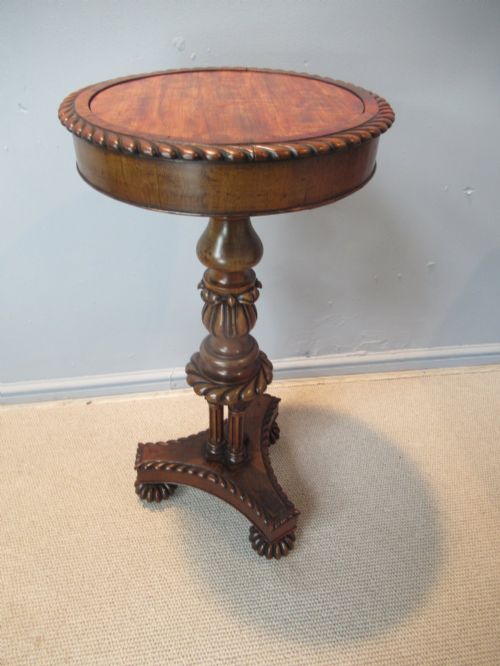
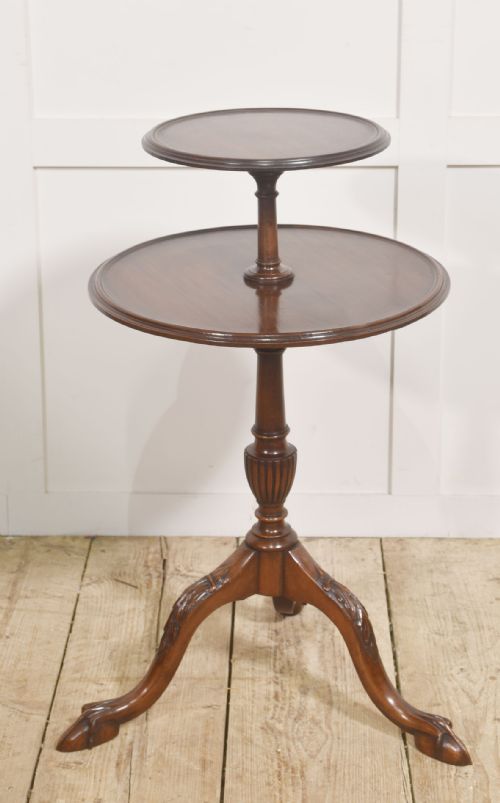
A carved mahogany display table combines structural timber work with glazed compartments or raised tiers designed to showcase small possessions. These pieces emerge predominantly from Victorian and Edwardian workshops, alongside Georgian revivals and Chinese export traditions.
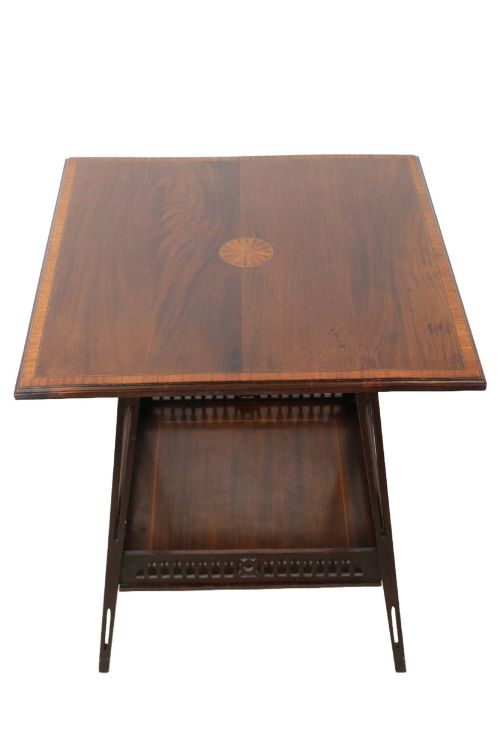
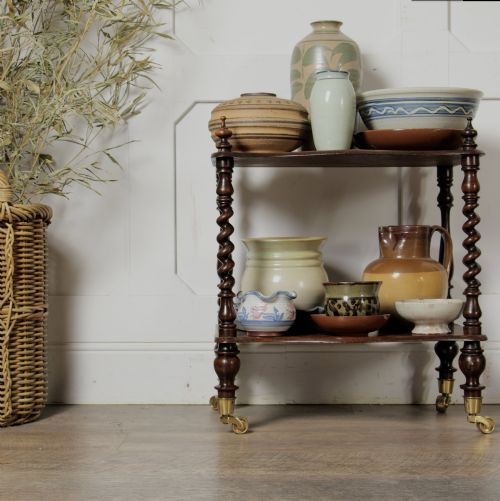
Buyers encounter forms ranging from serpentine-shaped bijouterie tables with glass lids to tall jardiniere stands and tiered étagères. The mahogany used frequently displays rich grain, often accented with satinwood inlay or brass hardware.
Most examples date from the late nineteenth century through to the early twentieth century, reflecting a domestic culture focused on curated interior display. Proportions vary from compact occasional tables to substantial pedestal cabinets.
Materials and construction methods
Makers utilised solid mahogany and selected hardwoods, shaping timber frames with hand carving, turned supports, and occasionally barley twist columns. Surfaces frequently incorporate delicate wood inlay, marquetry, and contrasting stringing.
Display elements rely on fitted glass panels, mirrored bases, and brass hinges or latches to secure compartments safely. Structural integrity was achieved through traditional joinery, supporting tiered shelves, galleried edges, and marble inserts.
One unexpected twentieth-century piece arrived bearing sign-writing for Breitling watches beneath its glass top.
Distinguishing quality across examples
Quality rests in the crispness of the hand carving and the selection of the mahogany timber, where depth of grain and rich natural colour elevate a piece above standard utility items. Superior examples feature precise wood inlay, tight joinery, and heavy cast brass fittings that operate smoothly.
The sophistication of the internal lining, such as original fabric or bevelled glass panes, marks the distinction between workshop-produced utilitarian stands and finer drawing room display furniture.
Trevor Page & Co
The Carved Mahogany Display Table Glossary
- Bijouterie table
- A glass-topped display table specifically constructed to exhibit small precious objects, medals, or jewellery.
- Jardiniere stand
- A tall, sturdy table designed to hold potted plants or floral arrangements, often featuring a waterproof insert or marble top.
- Inlay
- A decorative technique where pieces of contrasting wood, such as satinwood, are inserted into recessed cavities in the mahogany surface.
- Étagère
- A set of open tiered shelves used for display, combining structural vertical supports with multiple horizontal surfaces.
- Torchiere
- A tall stand or pedestal originally intended to hold a light source, now commonly utilised for displaying vases or sculptures.
Carved Mahogany Display Table: Frequently Asked Questions
What is a bijouterie table used for?
These tables were designed for Victorian drawing rooms to display collections of small valuables, fans, and personal ornaments under glass.
The glazed compartment protected delicate items from dust while allowing guests to inspect them without handling.
How do I clean mahogany furniture?
Maintenance requires only a soft, dry cloth to remove dust and preserve the natural sheen of the timber. Avoid modern silicone sprays, relying instead on traditional beeswax to nourish the wood grain over time.
Are Edwardian tables different from Victorian ones?
Edwardian pieces generally favour lighter proportions, finer string inlay, and influences from earlier stylistic revivals. Victorian items tend to display heavier carving, darker timber tones, and more robust structural forms.
Can I use a plant stand indoors?
These tall stands were specifically built for interior domestic use, making them ideal for corner placements today. Protecting the surface with a saucer prevents moisture damage from potted plants.