

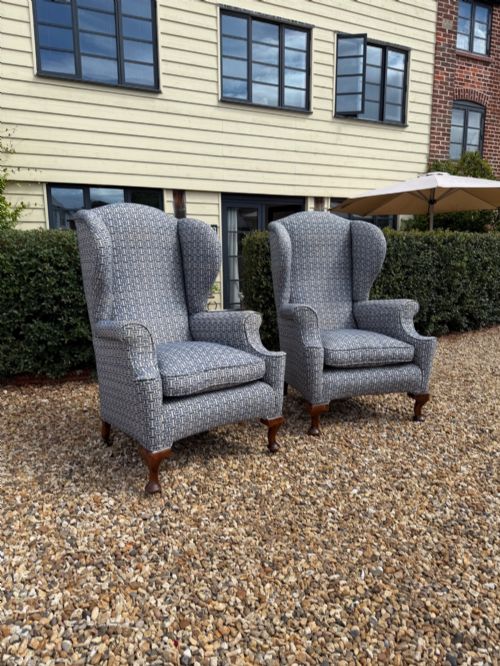
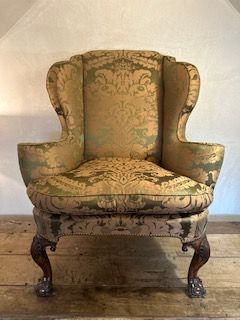
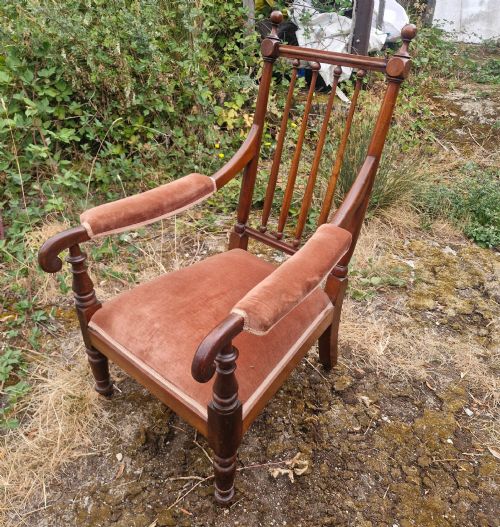
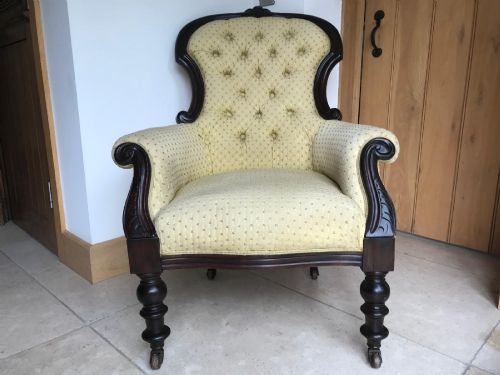
Carved Leg Fireside Armchair
A carved leg fireside armchair offers supportive seating by the hearth, combining period timber frames with comfortable upholstery.
Carved Leg Fireside Armchair
A carved leg fireside armchair brings traditional seating into living spaces, drawing on designs from the eighteenth and nineteenth centuries. These chairs frequently appear from the Victorian era and the Georgian period, alongside later revival styles.
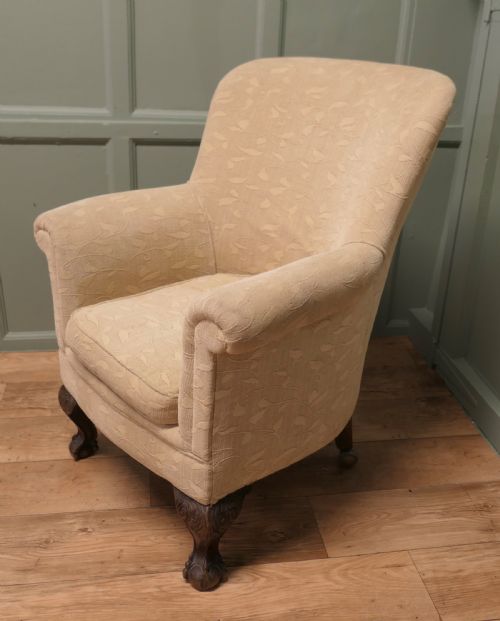
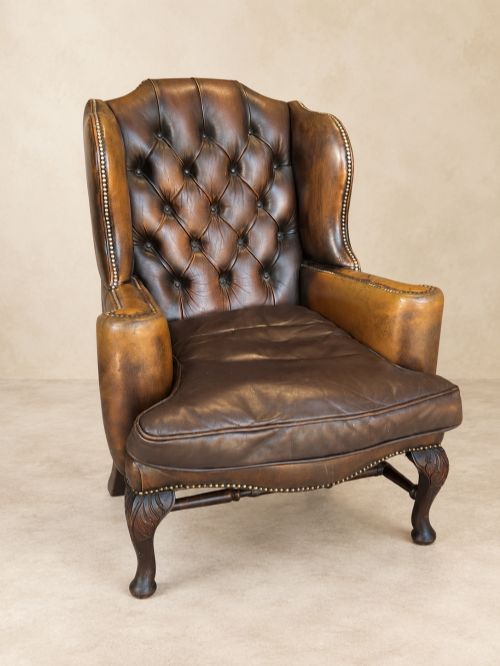
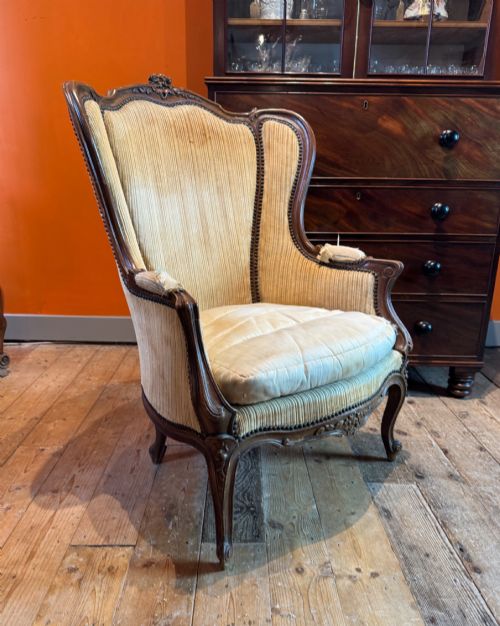
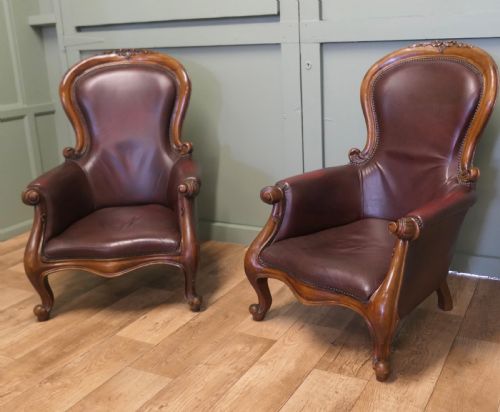
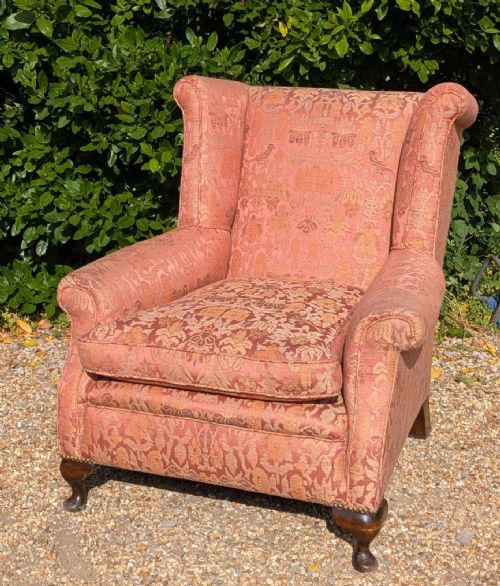
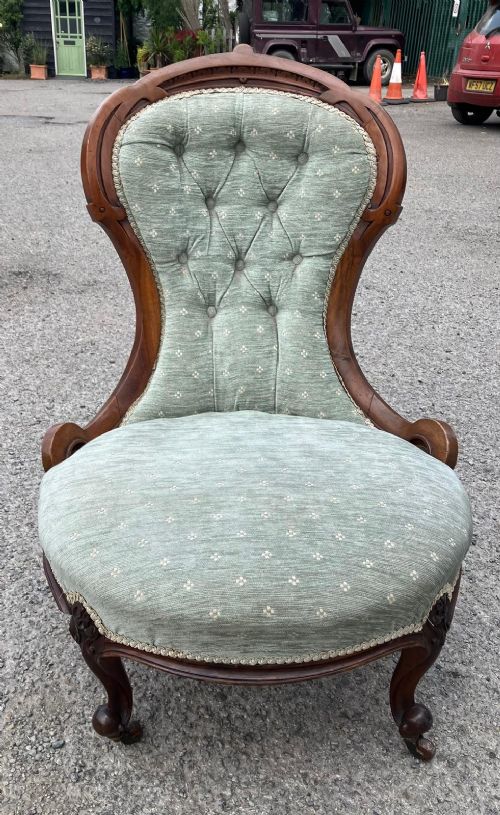
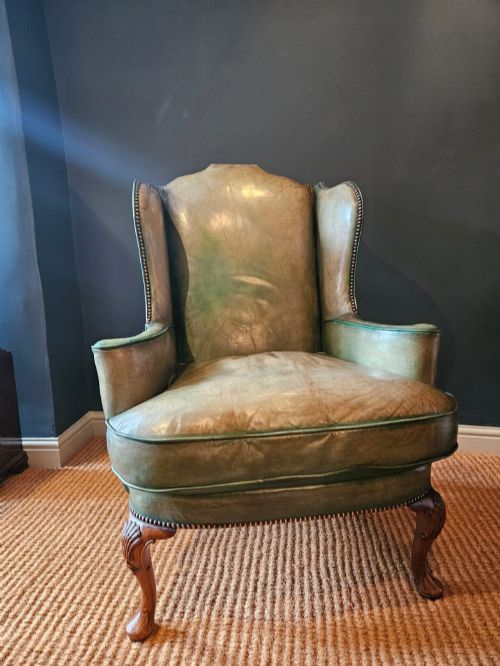
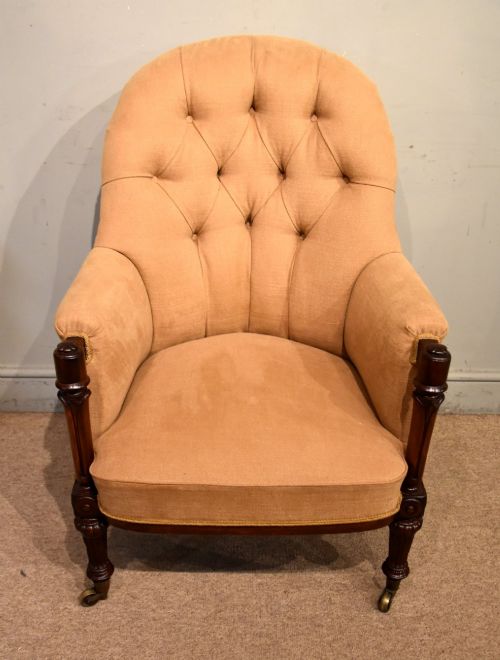
The selection ranges from mahogany wing armchairs and walnut wing chairs to compact nursing chairs and upholstered easy chairs. Buyers encounter various timber frames paired with leather, velvet, fabric, or textile coverings designed for fireside use.
Materials and construction
Cabinet makers utilised hardwoods such as mahogany, walnut, oak, and rosewood for the structural frames, applying carving to legs and arms. Brass details sometimes supplemented these wooden components.
Upholstery methods involved textile, velvet, leather, and fabric coverings, often filled with feathers or supported by traditional webbing and springs to ensure comfortable seating.
Listings feature woods such as mahogany, walnut, oak, and rosewood, alongside textiles including leather, velvet, and calico across Victorian and Georgian periods.
Assessing quality
The precision of the timber carving and the selection of cabinet wood distinguish different examples. Finer pieces demonstrate crisp detail in walnut or mahogany frames and robust structural joinery.
The standard of upholstery and the choice of covering materials, from premium leather to quality textiles, influence the overall presentation and comfort of each chair.
The Carved Leg Fireside Armchair Glossary
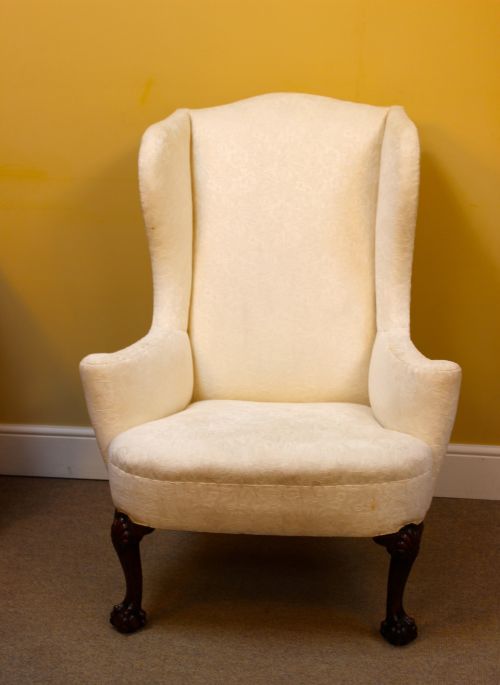
- Cabriole leg
- A furniture leg that curves outward at the knee and tapers inward toward the ankle, often finishing in a carved foot. This form derives from animal limbs and appears frequently on eighteenth-century and revival seating.
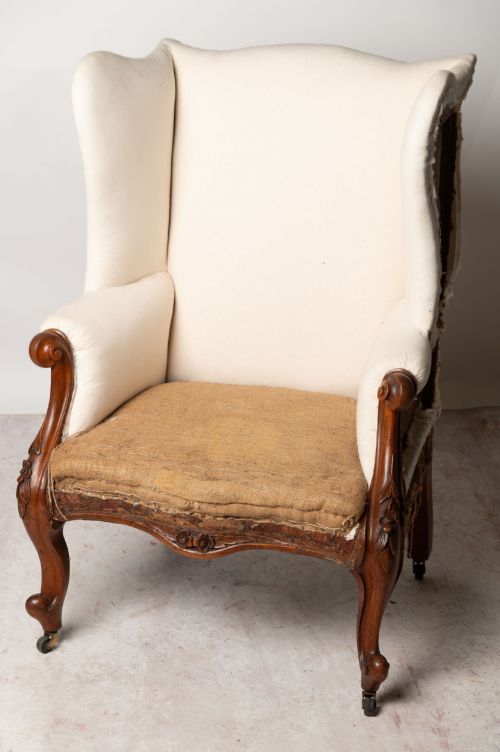
- Wingback
- An upholstered chair featuring protective side panels attached to the arms and back. These wings originally shielded the sitter from draughts near open hearths.
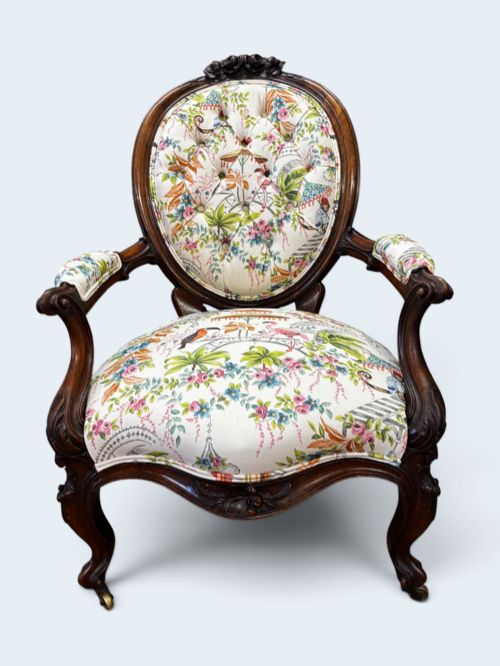
- Nursing chair
- A low-seated upholstered chair designed for comfort and ease of movement. Victorian examples frequently incorporate carved walnut frames and upholstered backs.
- Spoon back
- An oval-shaped upholstered chair back curved to resemble the bowl of a spoon. This form is characteristic of Victorian parlour and easy chairs.
Carved Leg Fireside Armchair: Frequently Asked Questions
What periods do these armchairs come from?
The listings include examples originating from the eighteenth century, the Georgian period, and the Victorian era. Later twentieth-century revival pieces also appear alongside these earlier designs.
Craftsmen across these periods utilised traditional hardwoods and upholstery styles that reflect the aesthetic preferences of their respective times.
Which woods were used for the frames?
Makers constructed the frames primarily from hardwoods such as mahogany, walnut, oak, and rosewood. These timbers provided the structural strength required for carved legs and arms.
Selected pieces also incorporate brass elements to complement the woodwork and enhance the visual appearance of the chair.
What types of upholstery are common?
Upholstery materials span leather, velvet, traditional fabric, and textiles, often paired with feather fillings. Many chairs retain period upholstery or have been recovered in calico and other suitable materials.
Selection depends on the specific style, ranging from buttoned leather wing chairs to low nursing seats.
How do wing armchairs function?
Wing armchairs provide enclosed seating designed to retain heat and deflect cold air currents near an open fireplace. The characteristic side panels protect the head and shoulders of the person seated.
These chairs combine deep upholstery with sturdy frames to create a comfortable resting place by the hearth.