
Carved Leg Dressing Stool
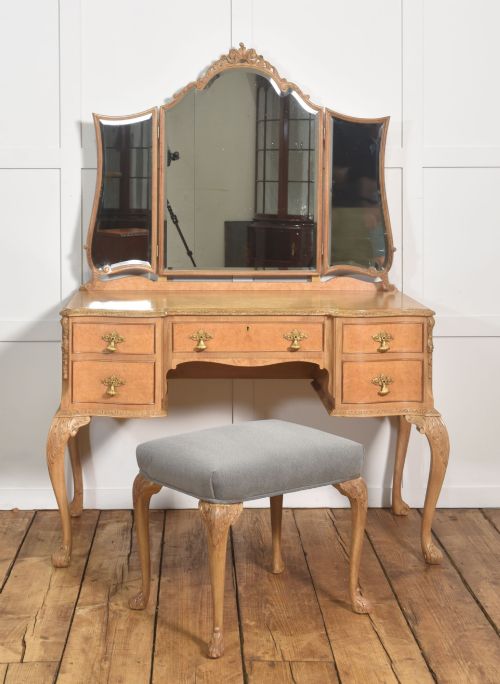
A carved leg dressing stool brings period charm to a vanity space, offering a compact, decorative seat finished with traditional woodwork.
Carved Leg Dressing Stool
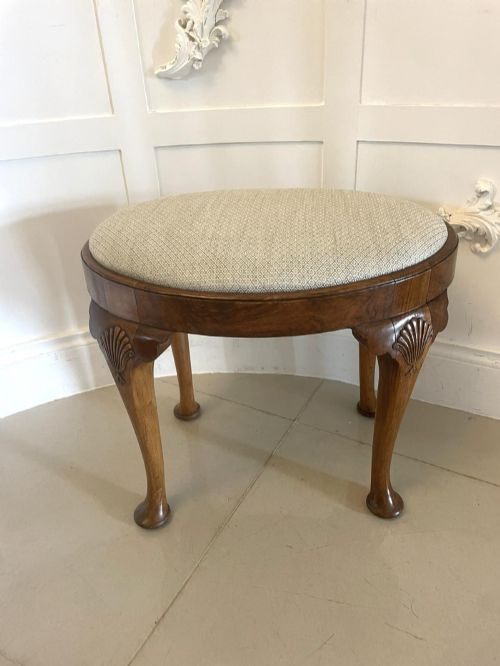
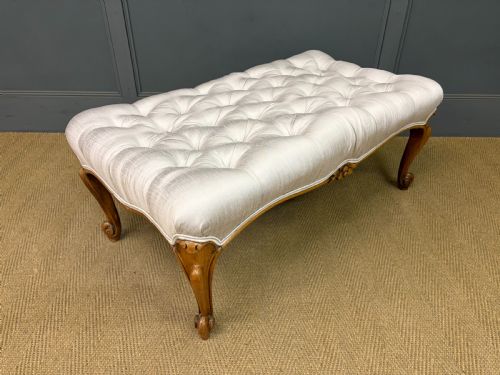
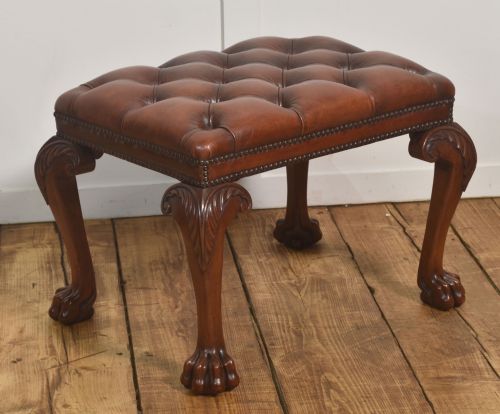
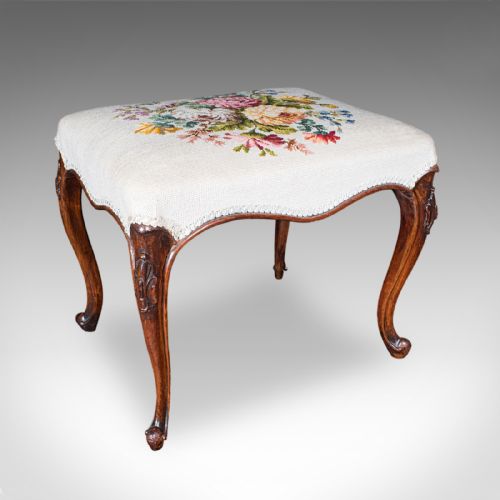
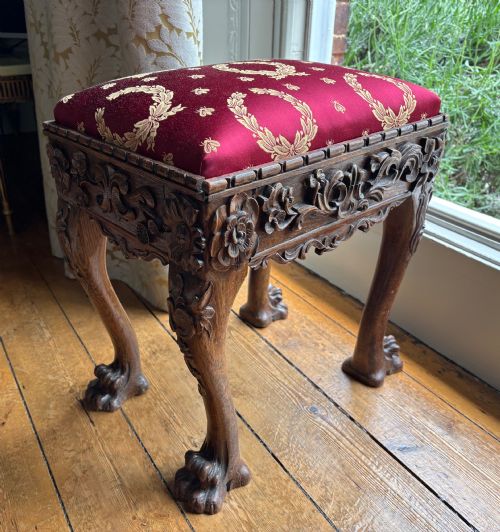
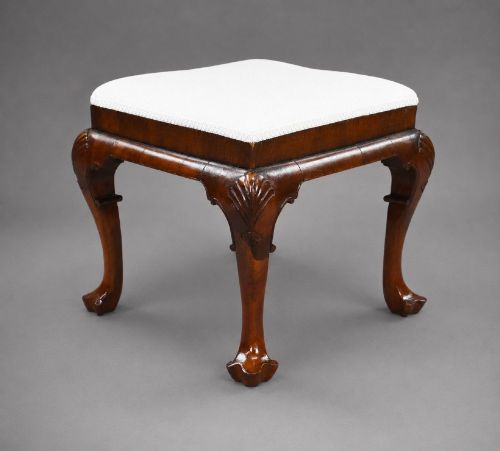
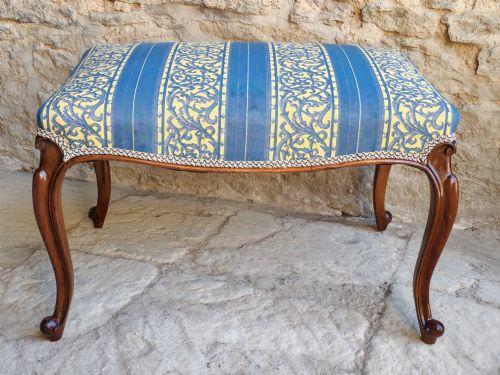
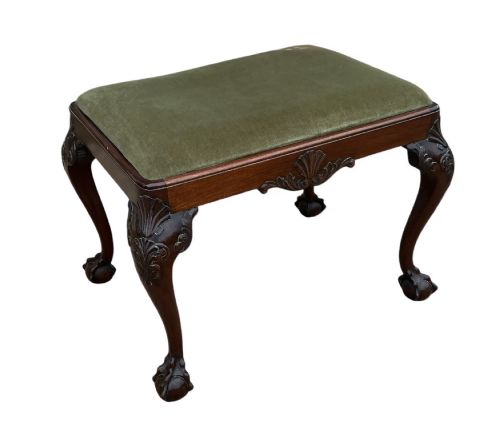
A carved leg dressing stool is a small, movable seat designed to sit beneath a vanity or dressing table, though many examples function equally well as footstools or fireside seats. When you search for this phrase, you encounter forms ranging from simple Victorian walnut designs to elaborate revival pieces shaped in the Queen Anne and Chippendale styles.
Materials and construction methods
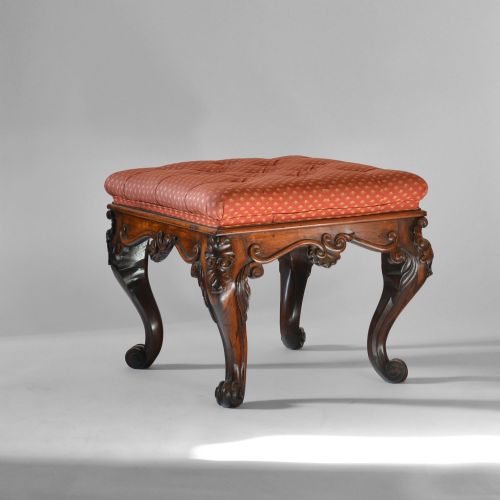
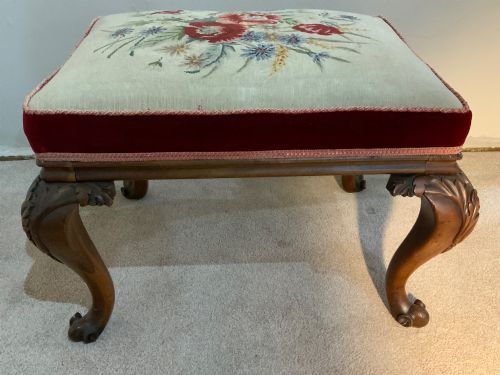
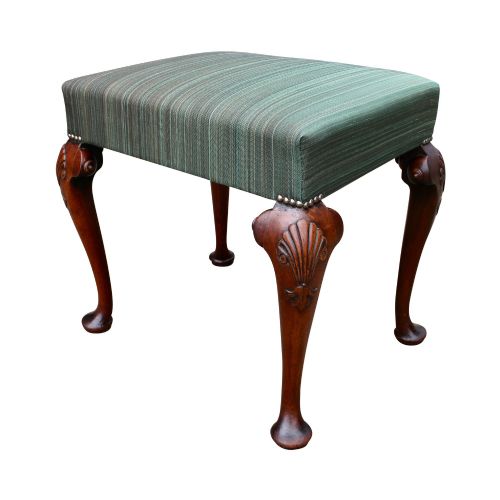
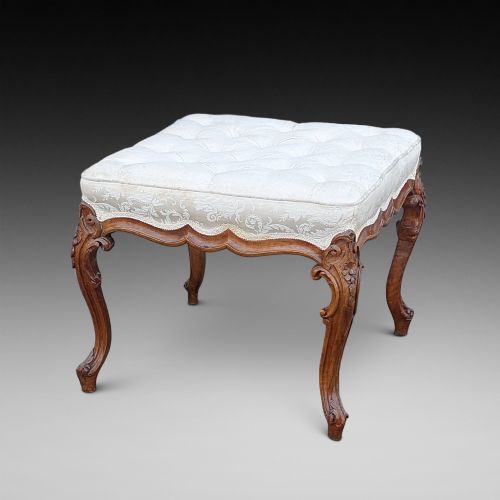
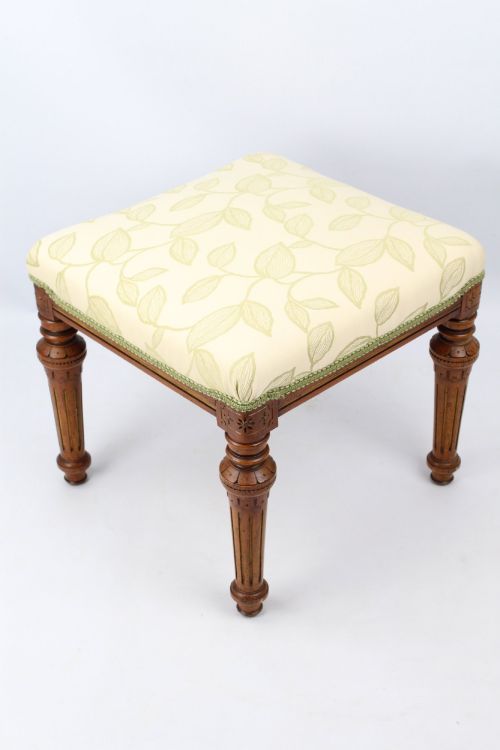
Cabinetmakers built these frames using dense hardwoods like walnut, mahogany, and rosewood, occasionally utilising exotic timbers such as goncalo alves or burr maple for visual impact. Skilled artisans shaped the wooden frames by hand, turning spiral twist legs or carving flowing cabriole lines adorned with shell or scroll motifs.
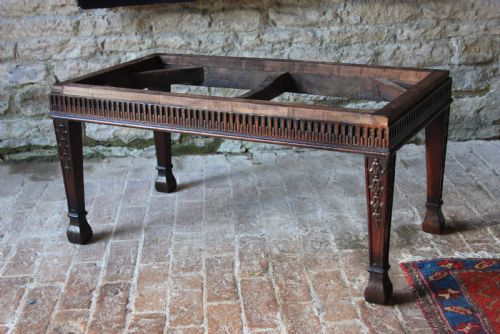
Seats were traditionally upholstered over webbing and stuffing using durable textiles, velvet, needlepoint, or leather, secured with brass tacks. Many surviving pieces retain updated upholstery while preserving the original solid timber frames underneath.
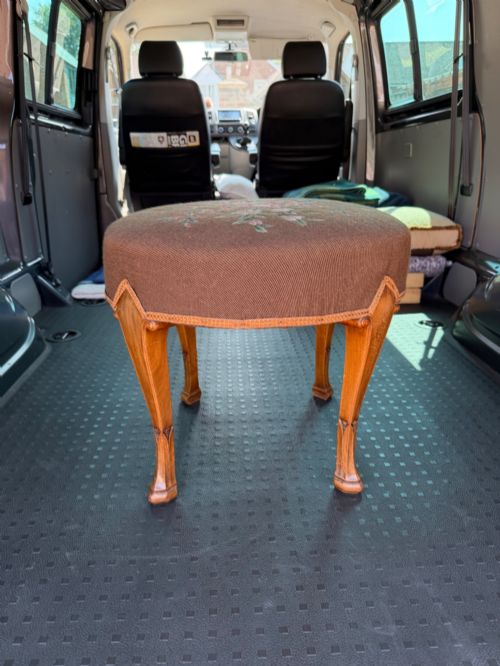
One cheerful Victorian specimen arrives dressed in brilliant gilt oak, proving that dressing seats were meant to shine as brightly as the mirrors above them.
Judging quality and craftsmanship
Quality rests upon the crispness of the timber carving and the structural integrity of the frame joints rather than the upholstery, which is frequently renewed. Superior examples display deeply sculpted cabriole legs with well-defined knees and feet, whereas simpler pieces show softer, less detailed woodwork.
The choice of primary timber also distinguishes the range, with dense figured walnut and rich rosewood commanding greater visual depth than standard domestic hardwoods.
The Carved Leg Dressing Stool Glossary
- Cabriole leg
- A furniture leg that curves outward at the knee and tapers inward to an ankle, mimicking an animal's leg. This popular shape defines many Victorian and Queen Anne style frames.
- Needlepoint
- A type of canvas work embroidery traditionally used to cover seat pads. This durable textile finish appears frequently on antique fireside and dressing stools.
- Oyster veneer
- Slices of wood cut cross-wise from small branches to reveal circular growth rings resembling oyster shells. This decorative technique surfaces on seventeenth and eighteenth-century inspired revival pieces.
- Barley-sugar twist
- A column or leg carved in a spiral shape resembling twisted confectionery. This decorative turning method adds vertical texture to wooden framing.
- Giltwood
- Timber coated with a thin layer of gold leaf or metallic gilt paint. This ornamental surface treatment appears on decorative Continental and Victorian salon seating.
Carved Leg Dressing Stool: Frequently Asked Questions
What is a carved leg dressing stool used for?
These low seats were originally designed to sit neatly beneath dressing tables and vanities while users applied makeup or arranged their hair. They also serve smaller domestic roles as fireside footstools or decorative accent seats in bedrooms and halls.
Because of their compact proportions, they fit easily into awkward corners or small spaces where a larger chair would overwhelm the room.
How do I date a Victorian stool?
Dating relies heavily on wood selection, leg profiles, and construction clues within the frame. Mid-nineteenth-century examples frequently utilise solid walnut or rosewood with hand-carved cabriole legs, reflecting prevailing revival tastes.
Later Victorian and Edwardian pieces often incorporate machine-finished elements or lighter secondary timbers while mimicking earlier Georgian styles.
Are these stools comfortable to sit on?
Most antique dressing stools provide firm, upright support rather than deep cushioning, consistent with their original functional purpose. The padding depth varies depending on whether the piece has retained its historic stuffing or undergone modern reupholstery.
Buyers planning for daily use often select pieces with professionally restored upholstery and supportive webbing.
Can I use a dressing stool as a footstool?
Their low height and sturdy timber construction make these stools entirely suitable for use as footstools or low ottomans. Many surviving examples share identical proportions with dedicated footstools from the same era.
Placing one beside an armchair or settee provides both a functional rest and a decorative focal point.