


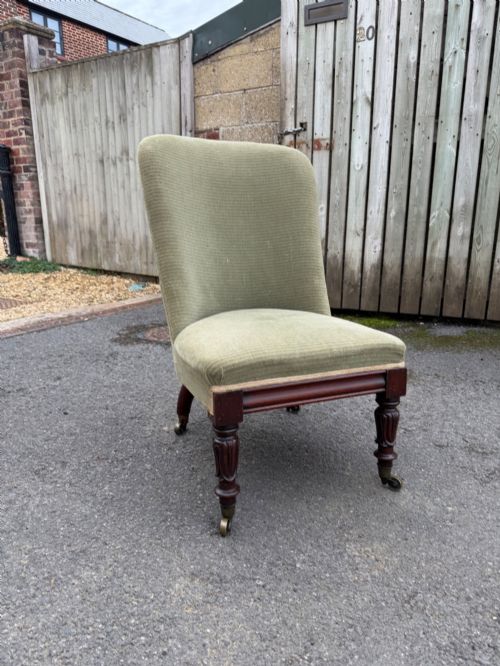
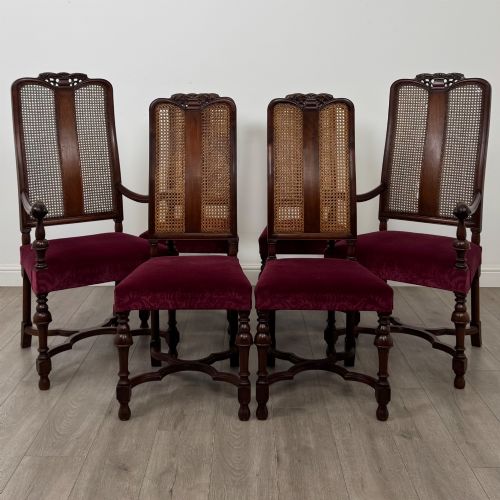
Carved Leg Armchair
A carved leg armchair offers sturdy seating shaped by cabinetmakers across the eighteenth and nineteenth centuries.
Carved Leg Armchair
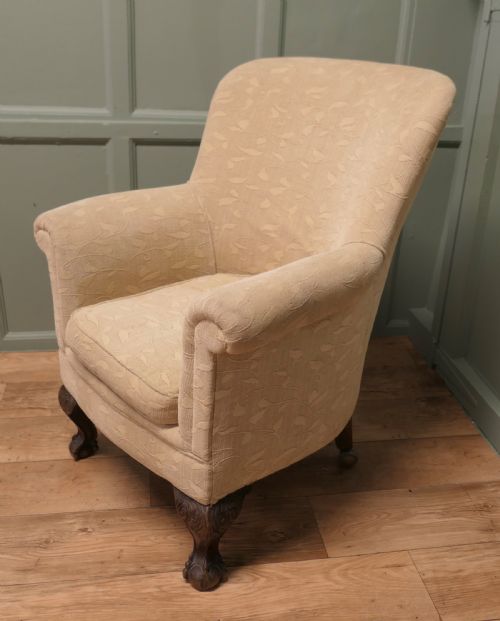
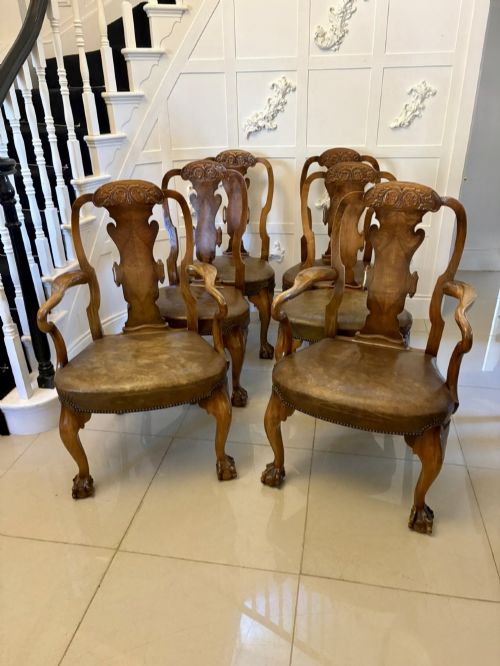
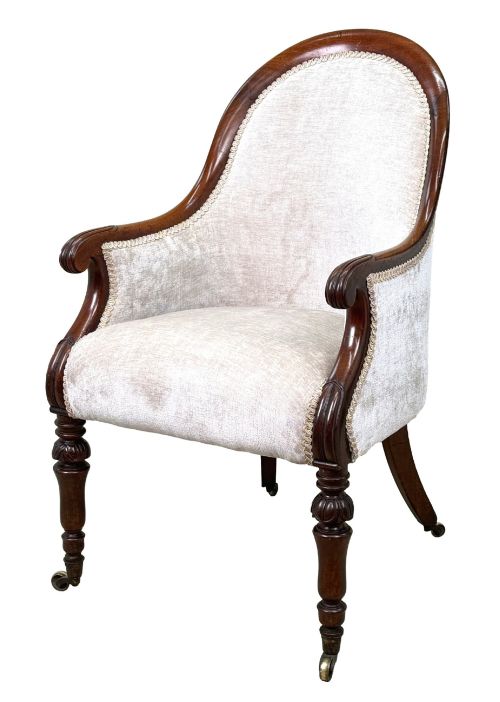
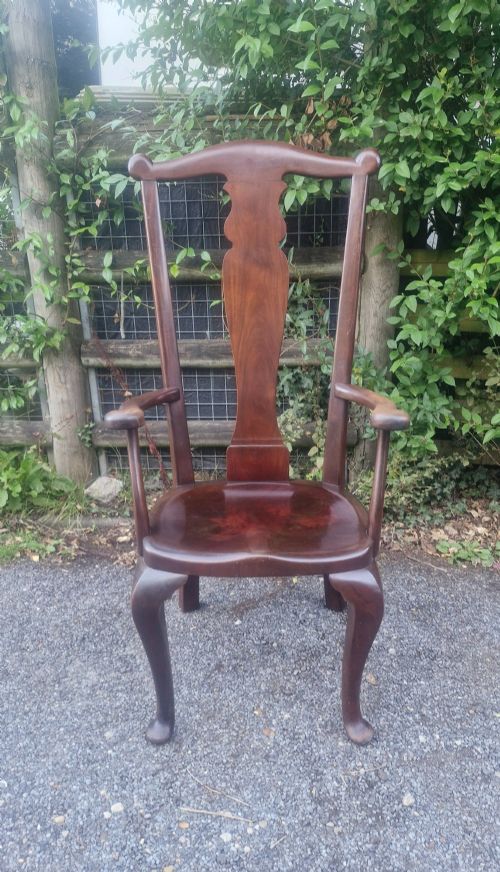
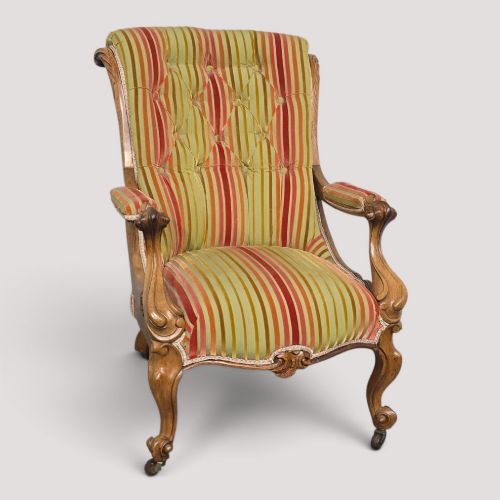
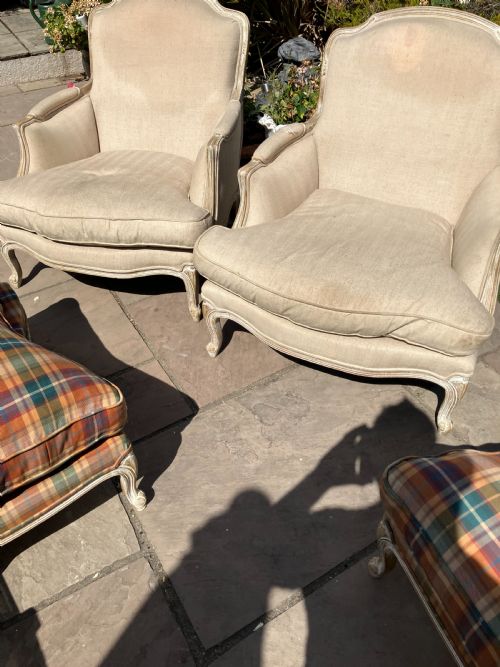
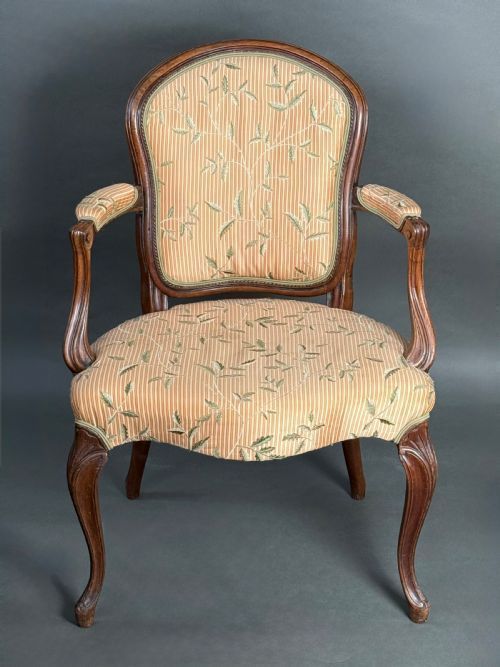
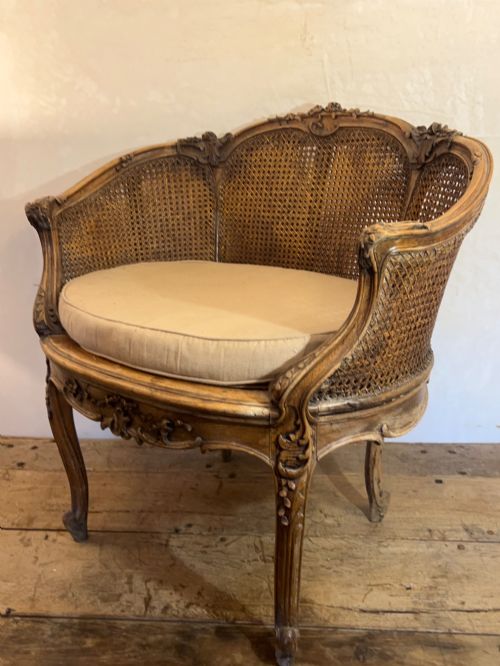
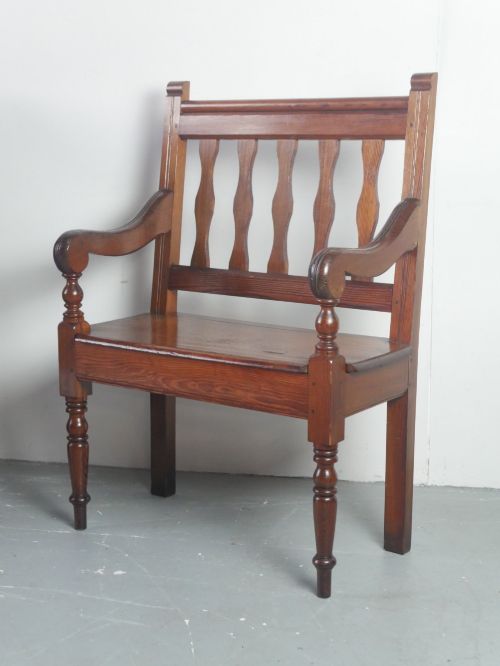
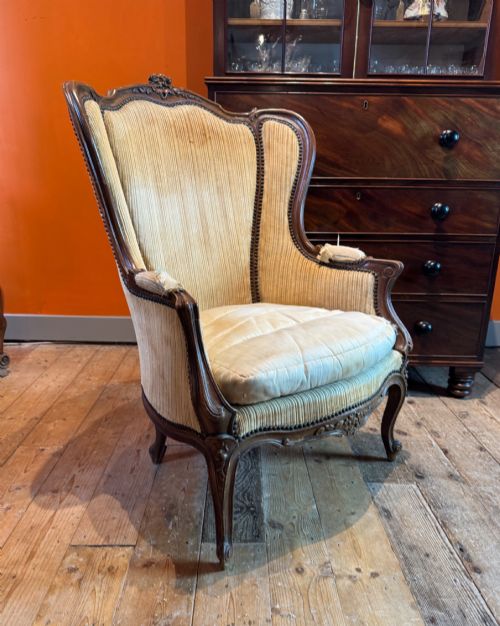
A carved leg armchair is a seat featuring shaped wooden supports, commonly found in nineteenth-century Victorian and earlier eighteenth-century periods. These pieces appear in forms ranging from library armchairs to dining carvers and upholstered salon suites.
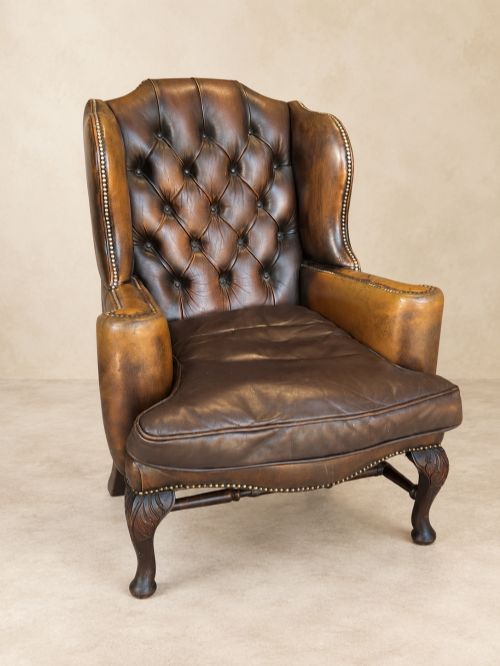
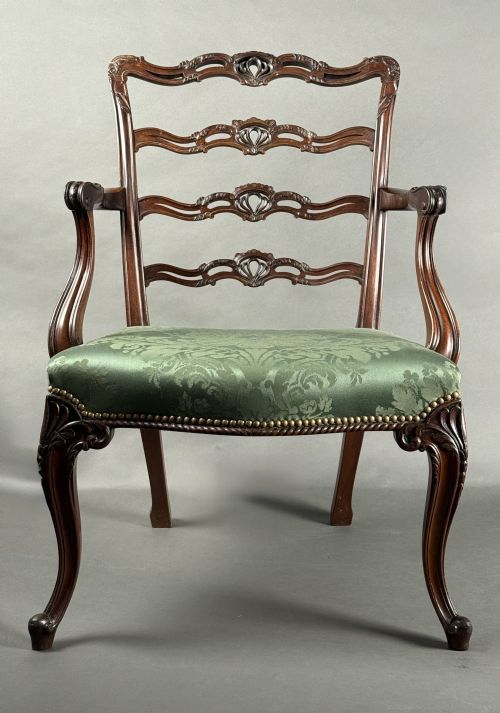
The selection here includes mahogany, walnut, and rosewood frames alongside various revival styles such as Queen Anne, Louis XV, and Hepplewhite. Buyers frequently encounter open armchairs and wing chairs resting on cabriole or carved forelegs.
How They Were Made
Cabinetmakers shaped dense hardwoods such as mahogany and walnut to form structural frames capable of supporting detailed chisel work on the knees and legs. Joinery relied on traditional mortise and tenon methods to secure the arms and backrests to the seat rail.
Upholstery techniques combined horsehair stuffing with textiles like leather, velvet, silk, and printed fabric, secured with brass tacks or piping. Giltwood frames utilised thin layers of gold leaf applied over a prepared gesso base on carved softwoods or hardwoods.
Listings feature mahogany, walnut, and rosewood frames spanning the eighteenth century through the Edwardian period.
What Varies in Quality
The crispness of the hand-carved detail on the knees and legs distinguishes finer examples from simpler production pieces. Sharp, deep relief work indicates skilled carving, whereas softened contours suggest hurried execution or excessive wear.
Timber selection and frame integrity dictate longevity. Heavy, well-seasoned mahogany or walnut prevents structural movement, while tightly pegged joints maintain stability through centuries of daily use.
Warings·Whytock and Reid
The Carved Leg Armchair Glossary
- Cabriole leg
- A furniture leg that curves outward at the knee and tapers inward toward the ankle, finishing in a pad, claw, or scroll foot. This form derives from animal legs and appears frequently on eighteenth-century revival seating.
- Giltwood
- Wood that has been coated with gold leaf or gold paint to give a metallic sheen. It appears regularly on French salon armchairs.
- Library armchair
- A sturdy, upholstered seat designed for reading rooms, often featuring padded arms and a supportive high back. Mahogany and walnut were standard timbers for these frames.
- Carver
- An armchair designed to match a set of single dining chairs, traditionally placed at the heads of a dining table. These seating pieces incorporate armrests to accommodate the host.
Carved Leg Armchair: Frequently Asked Questions
What is a carved leg armchair?
A carved leg armchair is a wooden seat featuring decorative ornamentation chiselled directly into the supports, commonly associated with eighteenth-century styles and nineteenth-century revivals.
These pieces function as reading seats, desk chairs, and dining carvers within traditional interiors.
How do I identify the period?
Dating relies on examining timber choices, upholstery methods, and stylistic motifs such as cabriole legs or spoon backs. Eighteenth-century examples display different joinery and proportions compared to Victorian or Edwardian interpretations.
Consulting the listed century helps narrow down whether a piece is an original period item or a later revival.
Are these chairs comfortable for daily use?
Most of these seating options were built with supportive padded backs and upholstered seats designed for extended sitting in libraries or parlours. Leather and fabric coverings provide practical surfaces for modern living spaces.
Some occasional or salon chairs prioritize decorative frames over deep cushioning, making them better suited for accent placement.
How should I care for mahogany frames?
Maintenance involves dusting the wooden frame with a dry cloth and avoiding placement near direct heat sources that can dry out the timber. Leather and fabric upholstery require specialised cleaning depending on the textile.
Keeping the carved details clean preserves the crispness of the cabinetmaker's original chisel work.