


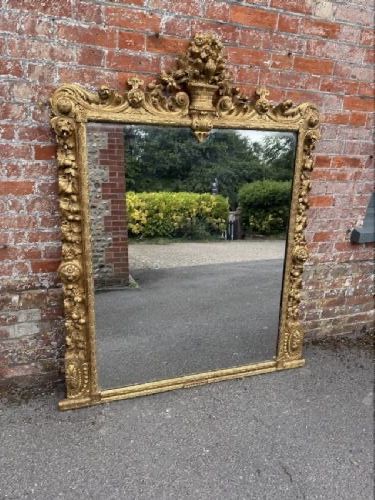
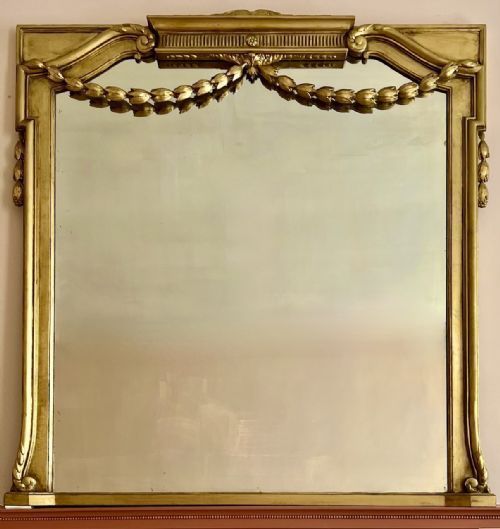
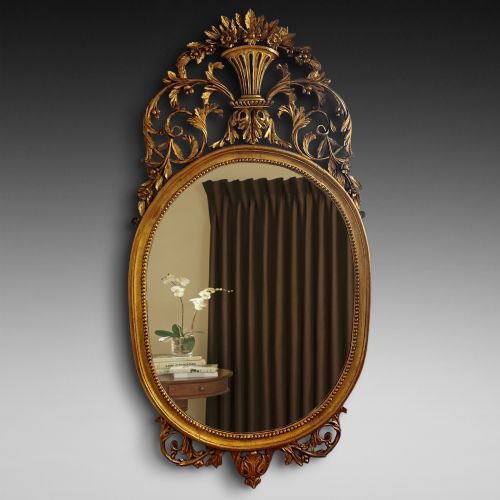
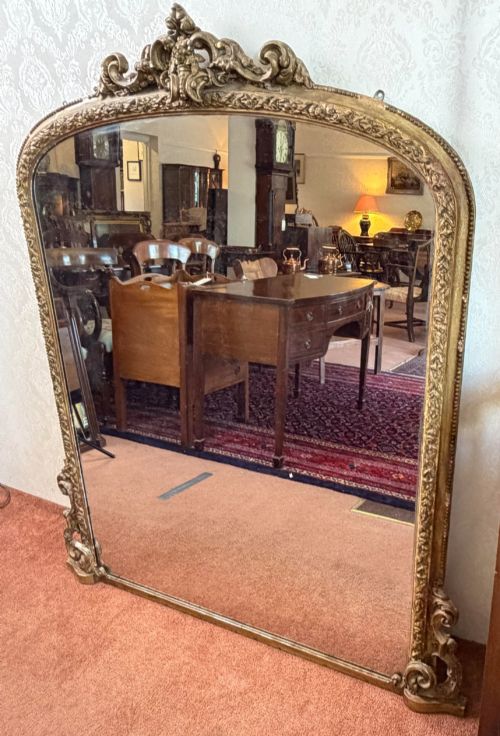
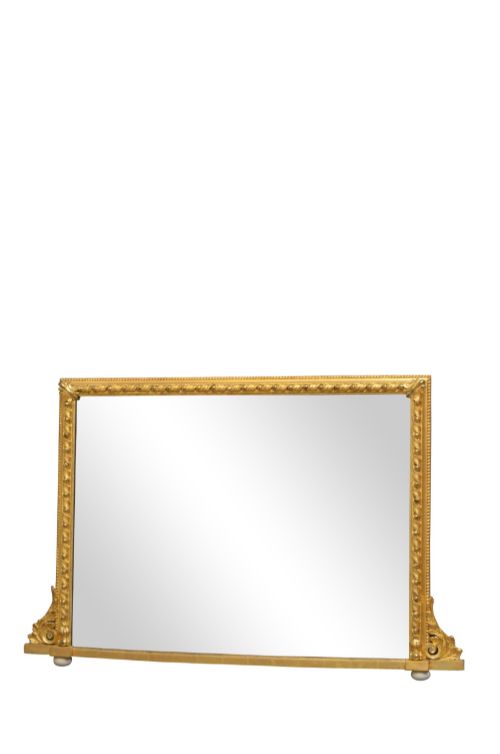
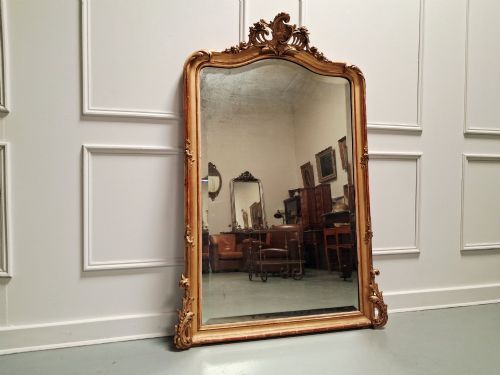
Carved Leaf Mantel Mirror
A carved leaf mantel mirror brings a grand architectural presence to a room, offering large gilded frames that sit above a hearth.
Carved Leaf Mantel Mirror
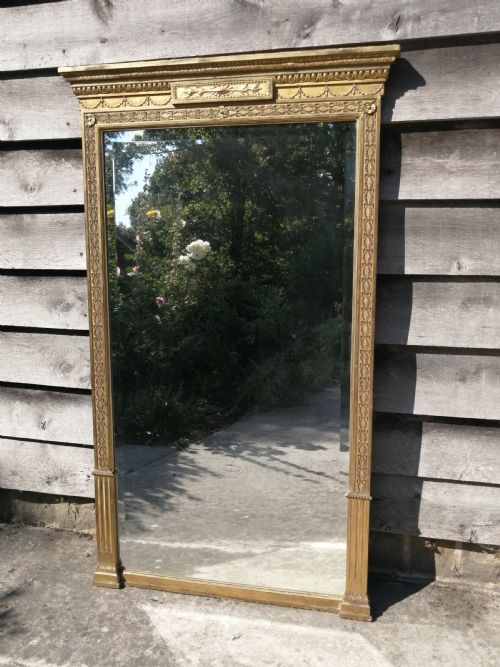
When you search for a carved leaf mantel mirror, you encounter substantial overmantel and wall mirrors designed to command attention above a fireplace. The pieces on this page span from the Georgian and Regency eras through the Victorian period, originating from English country houses and French chateaux.
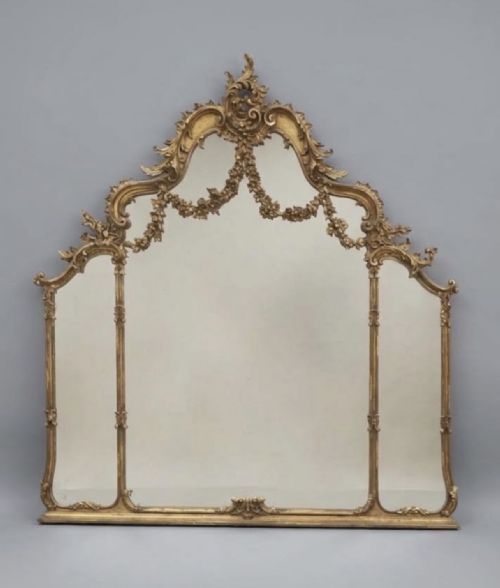
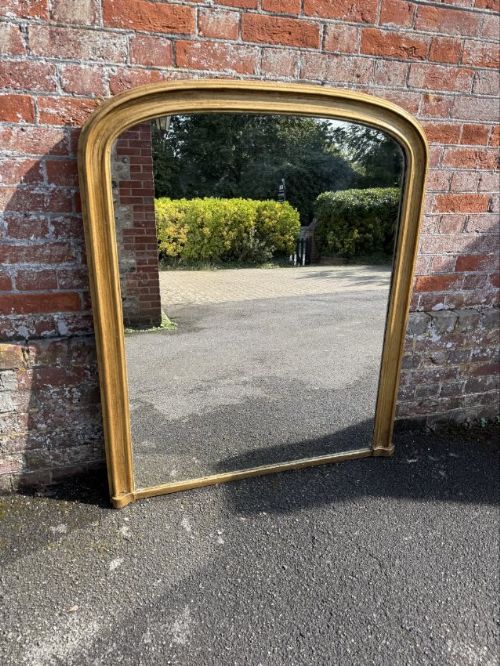
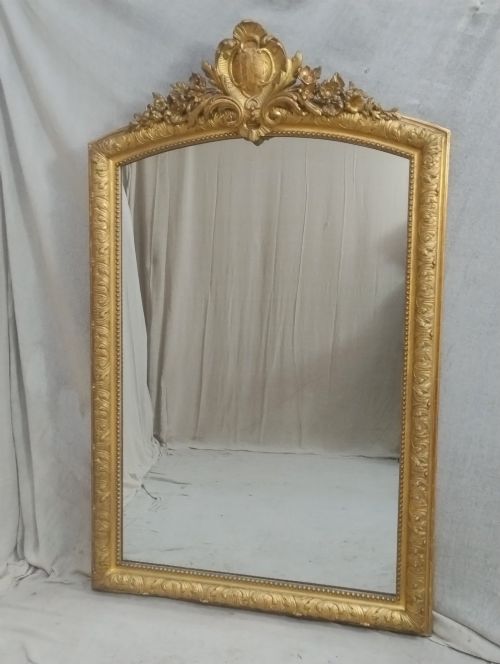
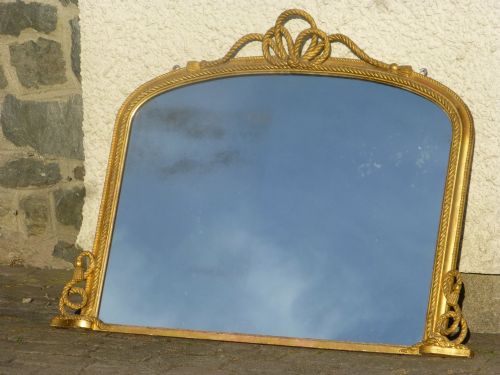
The dominant forms are large rectangular, arched top, and shaped top frames built to rest upon a mantelpiece or hang on a primary wall. These mirrors reflect light deeply into a room and establish a formal focal point utilising classic proportions.
Materials and construction
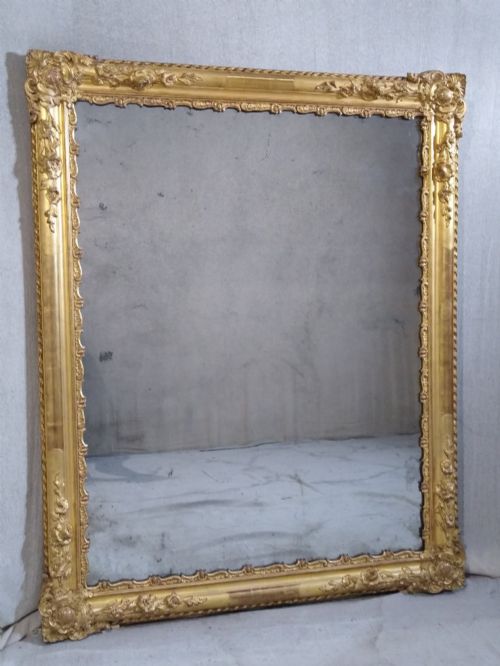
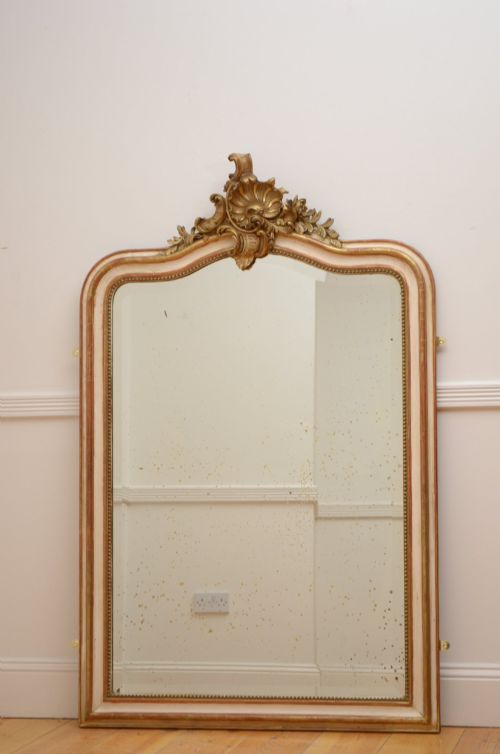
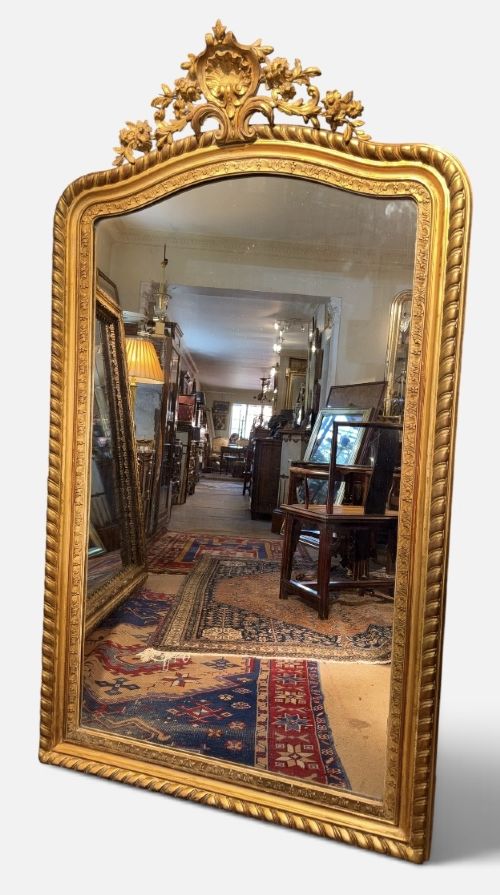
The frames rely upon a wooden base foundation overlaid with gesso, a plaster-like mixture sculpted and moulded into decorative leaf and rope twist motifs. Artisans then applied gold leaf or oil gilding directly onto the prepared surface to achieve a brilliant metallic lustre.
Mirrors from the earlier centuries incorporate original mercury plates or antique glass featuring natural foxing and ageing. Construction methods combine sturdy joinery in the underlying timber to support the considerable weight of the glass and heavy gesso ornamentation.
Listings feature 19th-century pieces rendered in giltwood, gesso, and wood with neoclassical and rococo revival styles.
Quality and execution
Quality rests in the crispness of the hand-carved wooden details and the depth of the gesso relief work surrounding the plate. Superior examples exhibit finely rendered leaf patterns and scrolls that retain their original gilding without heavy modern intervention.
The integrity of the mirror plate itself distinguishes finer pieces, particularly those retaining original mercury glass or period silvering that shows uniform age. The balance between the massive scale of the frame and the refinement of its decorative moulding dictates the standing of an individual mirror.
The Carved Leaf Mantel Mirror Glossary
- Overmantel
- A large mirror specifically proportioned to hang on the wall directly above a mantelpiece. These pieces often feature wide horizontal or vertical formats to suit fireplace dimensions.
- Gesso
- A prepared mixture of chalk, gypsum, and binder applied to wooden frames to create a smooth surface for carving and gilding. It allows for intricate relief ornamentation.
- Giltwood
- Timber that has been coated with gold leaf or metallic powder. It provides a rich, reflective surface characteristic of formal period frames.
- Mercury plate
- An early type of mirror glass backed with a mercury and tin amalgam before modern silvering processes were invented. It produces a distinctive soft, mottled reflection.
- Foxing
- Small dark spots and speckles that develop within antique mirror glass over time due to oxidation. Collectors value this natural ageing as evidence of authenticity.
Carved Leaf Mantel Mirror: Frequently Asked Questions
How do I place a mantel mirror?
These mirrors rest securely upon a fireplace mantel or mount directly to the wall above a hearth. Their grand scale helps anchor a room's primary seating arrangement.
Ensure the wall fixings or the mantel shelf can support the substantial weight of the timber and gesso frame.
What is the difference between an overmantel and a pier mirror?
An overmantel mirror is designed specifically for the wide wall space situated directly above a fireplace mantel. They typically feature horizontal or arched formats tailored to room proportions.
Pier mirrors are taller and narrower, traditionally built to hang on the wall space between two windows.
How do I identify a Victorian mirror?
Victorian mirrors display robust frames utilising heavy gesso and carved wood details, often incorporating neoclassical or rococo revival motifs. They frequently appear in large formats intended for substantial nineteenth-century interiors.
Examining the construction behind the frame and the style of the gilt decoration helps confirm the period origin.
Why does antique mirror glass look speckled?
The speckled appearance, known as foxing, occurs as the backing material reacts subtly with air and moisture over many decades. This ageing process creates soft, uneven reflective qualities unique to older glass.
Original foxed plates are preserved by collectors as proof of a mirror's genuine historical age.