



Carved Lacquer Stand
A carved lacquer stand brings together deep oriental craft and solid timber, offering a grounded platform for display.
Carved Lacquer Stand
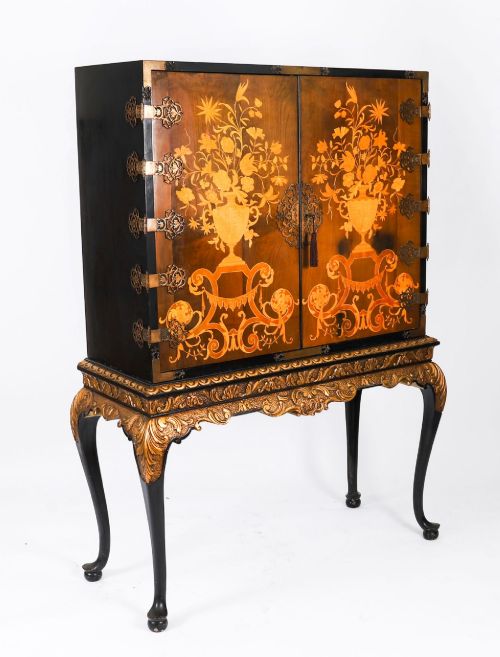
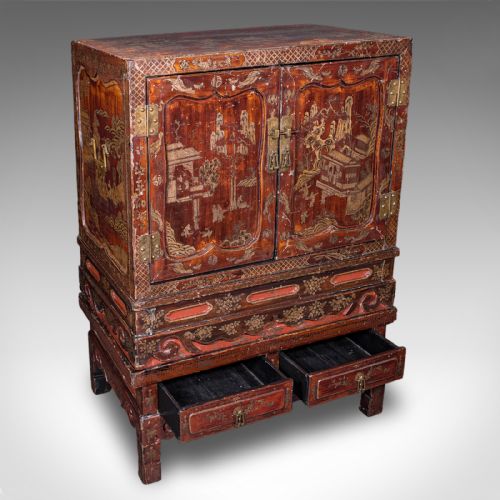
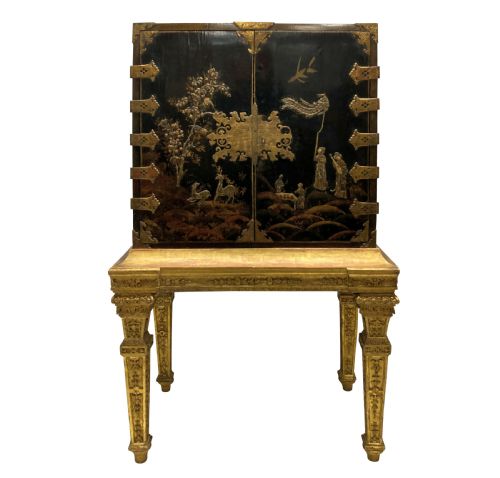
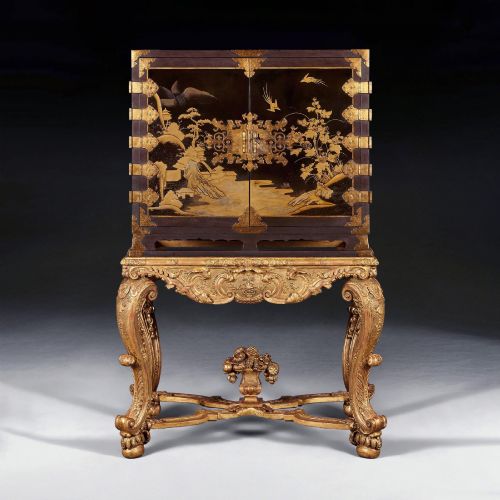
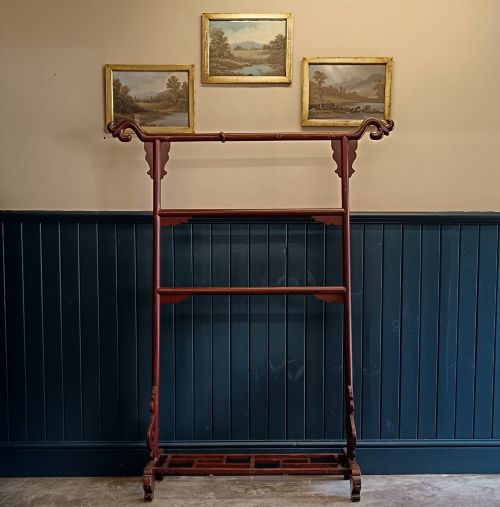
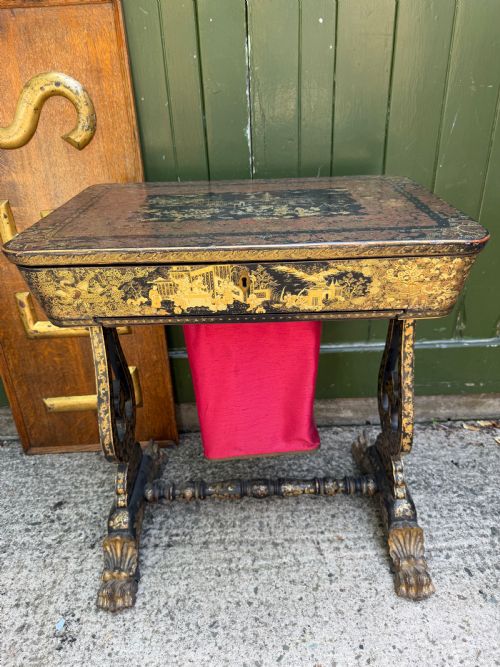
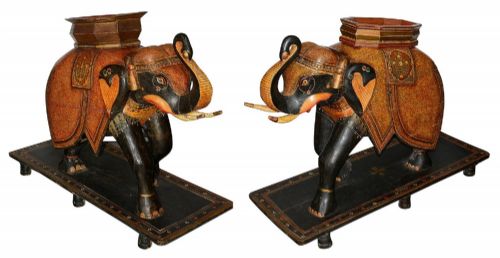
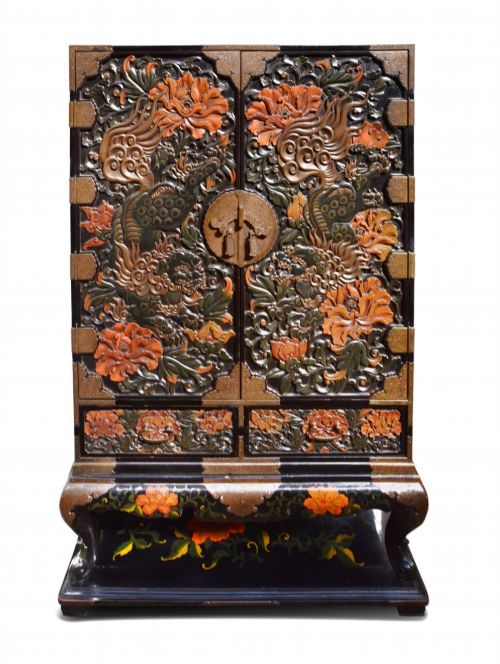
A carved lacquer stand encompasses cabinets on stands, plant pedestals, and small tables rooted in diverse traditions such as Chinese Chinoiserie, Japanese Meiji, and Anglo-Indian design. These pieces combine fitted wooden supports with lacquered surfaces, functioning primarily to elevate vases, cabinets, or statues.
The versions most commonly met here range from nineteenth-century Chinese export forms to early twentieth-century Japanese Shodana cabinets and plant pedestals. They arrive in various colourways, from rich red lacquer and black lacquer to gilt wood and ebonised finishes.
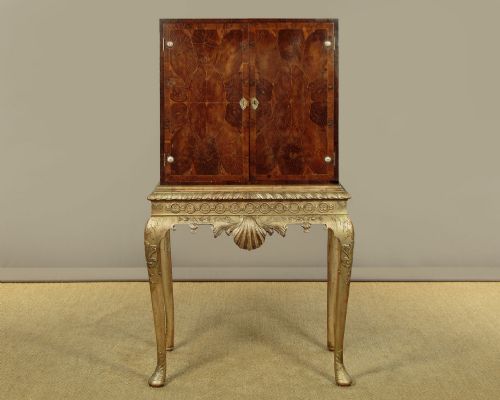
Many examples pair a substantial storage trunk or cabinet with a separate or integrated carved base, reflecting international trade and cross-cultural aesthetic movements across the Victorian era and the early twentieth century.
How They Were Made
Construction relies upon a core of hardwood, soft wood, or rootwood, shaped into tables, cabinets, and pedestals before receiving multiple coats of lacquer. Artisans applied layers of resin or sap, allowing each application to cure before carving intricate patterns directly into the surface.
Many pieces incorporate supplementary materials such as mother of pearl, hardstone, brass, and gold leaf to accent the lacquered ground. In certain instances, gilt wood and silver gilt stands support cabinets or trunks, uniting European furniture frames with oriental lacquer panels.
Carved Lacquer Stand Retail Price Guide 2026
Typical asking prices for carved lacquer stand among the pieces listed under this phrase on Sellingantiques today, from the lower quarter to the upper quarter. They describe what is for sale here now, not the wider market.
The listings here span the seventeenth century through to the 1930s, incorporating Victorian and Edwardian interpretations alongside Asian export pieces.
What Varies in Quality
Quality depends upon the depth and precision of the carved lacquer work, where crisp detail separates superior execution from flat decoration. The harmony between the upper cabinet or table and its supporting stand also dictates the integrity of the piece.
The selection of underlying timber, the stability of the joinery, and the preservation of delicate embellishments like gold leaf or hardstone mounts define the enduring standard of an example.
The Carved Lacquer Stand Glossary
- Chinoiserie
- European artistic interpretation and imitation of Chinese and East Asian artistic traditions, popular in furniture and decorative arts. This style frequently employs lacquered panels and gilt motifs.
- Shodana
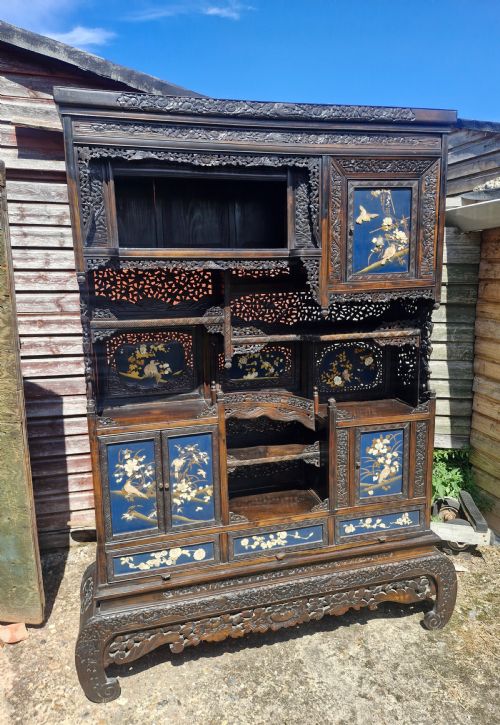
- A traditional Japanese multi-tiered display cabinet featuring staggered shelving and cupboards, often richly decorated with lacquer. These cabinets were designed to display small precious objects.
- Cinnabar
- A bright scarlet mineral form of mercury sulphide used to create a deep red lacquer that can be carved when thick. Carved cinnabar pieces display layers that reveal subtle tonal variations.
- Torchere
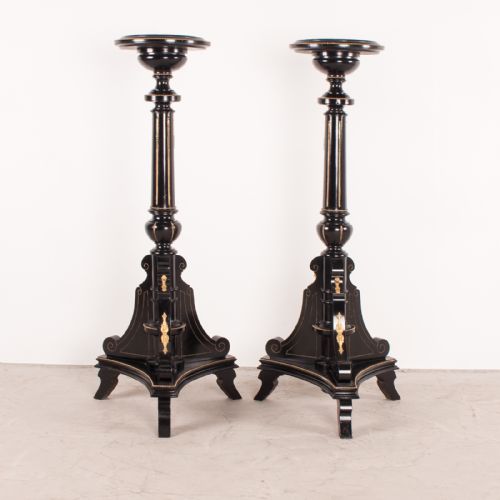
- A tall ornamental stand or pillar designed to support a candelabrum, lamp, or decorative object. In these listings, they appear as heavily decorated ebonised vertical pedestals.
Carved Lacquer Stand: Frequently Asked Questions
What is a carved lacquer stand used for?
These pieces serve primarily as elevated platforms for display, holding plants, vases, bronze figures, or smaller cabinets. Their sturdy wooden frames and decorative surfaces allow them to function as focal points within a room.
Historically, they also provided fitted storage through integrated cupboards or trunk bases while simultaneously lifting precious objects away from damp floors.
How do I care for lacquered wood?
Lacquered surfaces require gentle maintenance using a soft, dry cloth to remove dust without abrasive cleaners. Direct sunlight and sudden temperature changes must be avoided to prevent the lacquer from drying out or cracking.
Keeping the timber in a stable environment preserves both the underlying wood and the delicate carved details.
How can I tell the period of a stand?
Dating relies upon examining the construction methods, timber types, and stylistic indicators such as Meiji period motifs or Victorian cabinet proportions. Tool marks, fixings, and the composition of the lacquer layers offer further clues to the manufacturing era.
Comparing the piece against documented export patterns from China, Japan, and India helps narrow down the decade of origin.
Are the stands separate from the cabinets?
Many examples feature a distinct cabinet or trunk resting upon a separate carved stand, a configuration typical of nineteenth-century export furniture. Other pieces are built as a single unified entity where the support and the upper section are permanently joined.
Checking the contact points and mounting brackets reveals whether the upper section was designed to lift off.