



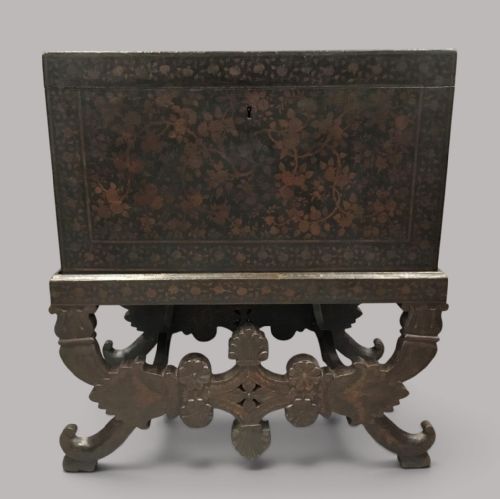


Carved Lacquer Chest on Stand
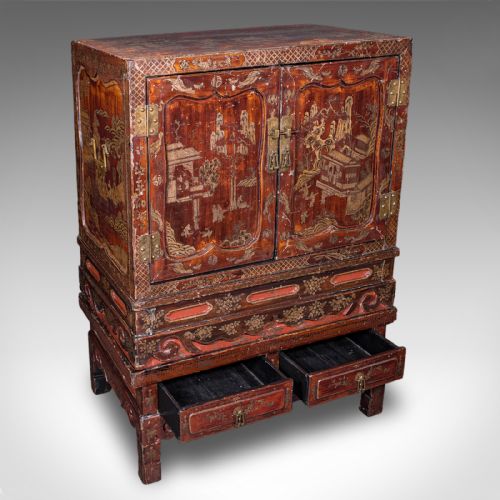
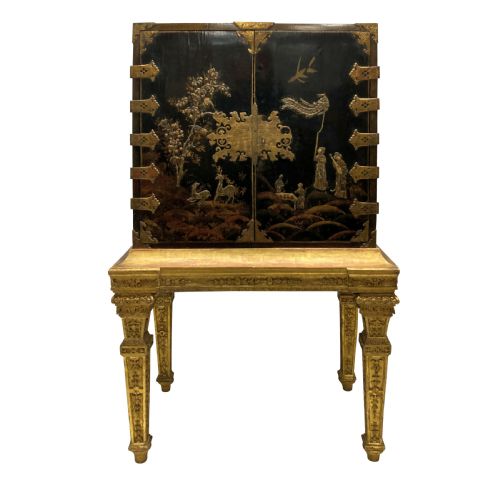
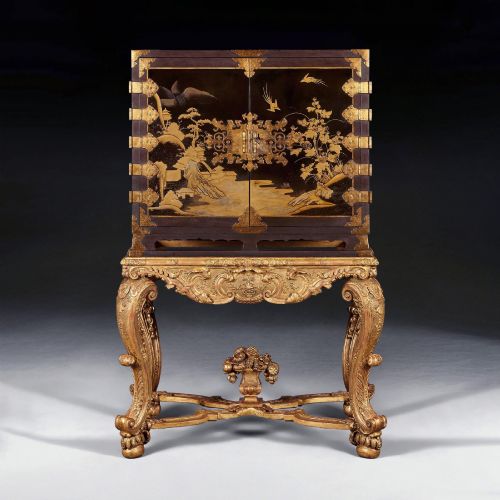
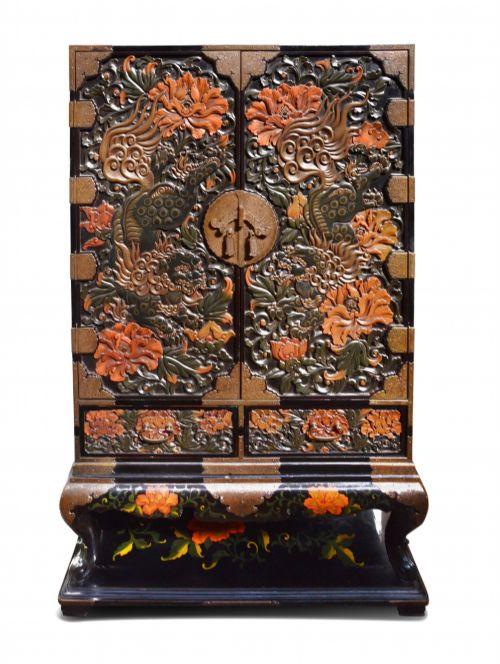
These carved lacquer chest on stand pieces combine storage with intricate surface work, offering a striking focal point for a room.
Carved Lacquer Chest on Stand
A carved lacquer chest on stand brings together a main storage body and a dedicated supporting base, uniting various historical aesthetics. These items appear across the seventeenth, nineteenth, and twentieth centuries, reflecting diverse origins from Japanese export to Anglo-Indian and Chinoiserie traditions.
The primary forms listed include cabinets, cupboards, drinks cabinets, and trunks raised upon stands. Versions range from William & Mary influences and French giltwood Regence bases to more straightforward campaign and oriental designs.
Buyers will encounter green, red, and black lacquered finishes alongside japanned lacquer and urushi lacquer variations. The overarching style leans heavily towards Chinoiserie and related decorative schemes applied to wood structures.
How they were made
Construction relies on wood carcasses finished with multiple layers of lacquer, often utilising japanned or urushi techniques to build a deep, reflective surface. Artisans then carve into this layered medium or apply detailed pictorial motifs characteristic of Chinoiserie.
Stands are constructed from timber, occasionally featuring giltwood or carved elements to support the weight of the chest above. Metal components such as brass or engraved brass provide hinges, locks, and structural mounts.
Carved Lacquer Chest on Stand Retail Price Guide 2026
Typical asking prices for carved lacquer chest on stand among the pieces listed under this phrase on Sellingantiques today, from the lower quarter to the upper quarter. They describe what is for sale here now, not the wider market.
Listings span multiple eras, including seventeenth-century pieces, Victorian interpretations, and twentieth-century cocktail cabinets.
What varies in quality
The depth and precision of the carved lacquer surface distinguish finer examples from simpler production. Relief work that maintains sharp definition and smooth layering demonstrates superior craftsmanship.
The integration between the chest and its stand matters greatly, with period-matching bases holding more stylistic integrity than later marriages. The quality of the underlying wood and the refinement of subsidiary materials like engraved brass hardware also separate grades.
The Carved Lacquer Chest on Stand Glossary
- Lacquer
- A durable finish derived from tree sap or resin, applied in successive coats and polished to a smooth sheen. It provides both protection and a canvas for carving.
- Chinoiserie
- European decorative style executed in a Chinese taste, featuring painted or carved motifs of landscapes, figures, and pavilions. This aesthetic dominates many of the lacquer pieces.
- Japanned Lacquer
- European imitation of East Asian lacquerwork, created using layers of varnish and polished shellac. It often depicts raised gilt figures on a dark ground.
- Urushi Lacquer
- Traditional East Asian sap-based lacquer known for its deep lustre and durability. It forms a hard, moisture-resistant surface when cured.
- Regence
- French transitional style spanning the early eighteenth century, characterised by curved lines and restrained ornamentation. Stands from this period often accompany earlier lacquer chests.
Carved Lacquer Chest on Stand: Frequently Asked Questions
How do I care for lacquer furniture?
Lacquer requires a stable indoor environment away from direct sunlight and extreme humidity fluctuations, which can cause the wooden substrate to expand or contract. Dusting should be done gently with a soft, dry cloth.
Avoid using modern chemical polishes or abrasive cleaners, as these can permanently dull or damage the delicate lacquer surface and gilt details.
How are different periods distinguished?
Seventeenth-century examples often display formal William & Mary proportions or French Regence support stands alongside traditional Japanese lacquer techniques. Nineteenth-century pieces frequently show Anglo-Indian or Chinoiserie influences with varied trunk and cabinet forms.
Twentieth-century items, such as cocktail cabinets from the 1930s, adapt the traditional lacquer aesthetic to modern interior uses while retaining oriental decorative motifs.
Were these stands made for the chests?
Many stands are contemporary with their chests, designed as a unified ensemble during manufacture. However, historical trading practices and later interior updates mean some chests have been paired with stands from different periods or origins.
Examining the joinery, wear patterns, and stylistic harmony helps determine whether the chest and its stand originated together.