
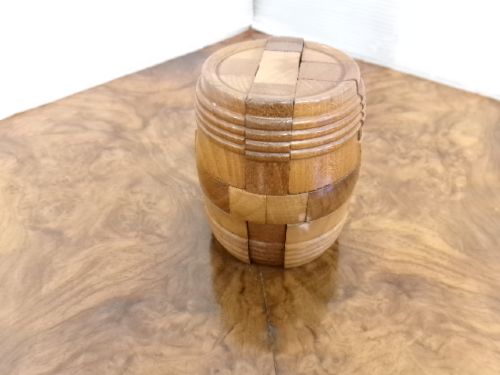


Carved Hardwood Box
When you handle a carved hardwood box, you hold a piece shaped by traditions ranging from Victorian folk art to Anglo-Indian craftsmanship.
Carved Hardwood Box
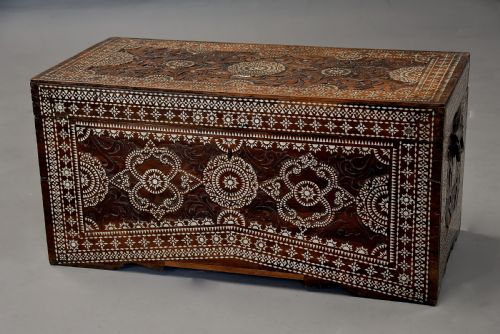
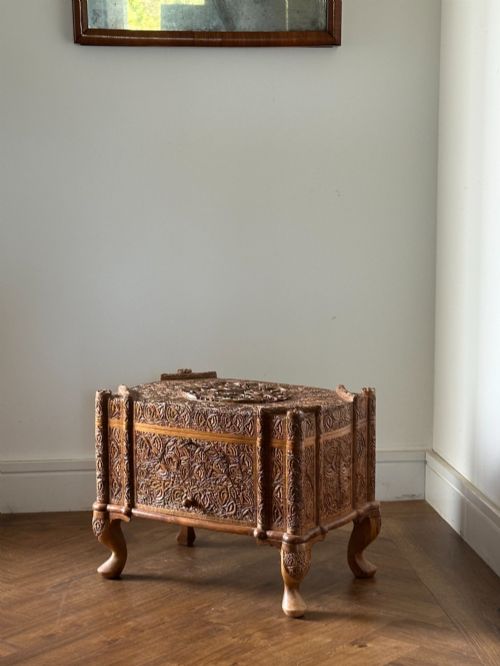
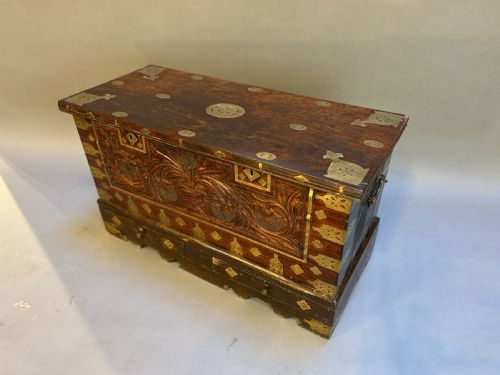
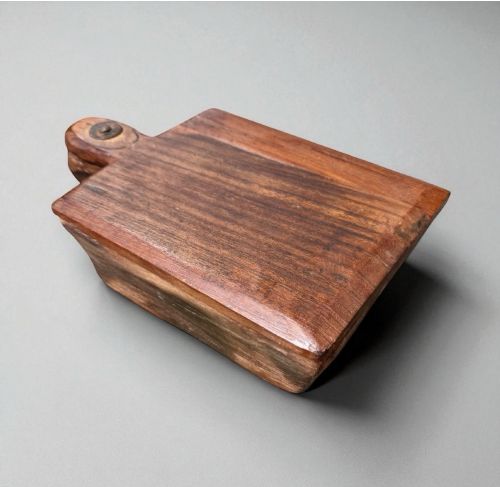
A carved hardwood box encompasses everything from small snuff boxes and trinket caskets to large storage trunks, chests, and cellarettes.
You meet pieces originating from Indian, Chinese, Middle Eastern, and British workshops spanning the nineteenth century through the early decades of the twentieth century.
The selection ranges from utilitarian spice boxes and campaign chests to novelty items modelled as hands, barrels, or footballs.
How they were made
Maker utilise dense woods such as teak, rosewood, sandalwood, and walnut, often combined with brass hinges, iron straps, and mother of pearl inlay.
Surfaces receive deep chisel work, open fret-work, or lacquer, depending on whether the piece comes from an Anglo-Indian, Chinese, or Ottoman tradition.
One novelty box is cleverly carved to look like a humble soccer football.
What varies in quality
Quality rests in the crispness of the carving and the depth of the patina built over generations of handling.
Finer examples show precise joinery, intact inlay work, and robust hardware that secures heavy lids without sagging.
The Carved Hardwood Box Glossary
- Cellarette
- A fitted cabinet or box used for holding bottles of wine or spirits. They often appear in large dining rooms.
- Sarcophagus
- A coffin-shaped box, which cabinet makers adopted during the nineteenth century for decorative jewellery caskets.
- Fret-work
- Ornamental design created by cutting patterns through wood using a piercing saw.
- Patina
- The surface sheen and colour developed through age, use, and polishing.
Carved Hardwood Box: Frequently Asked Questions
How do I date a carved hardwood box?
Examine the timber species, the style of the carving, and the construction methods used inside the joints.
Hardware such as brass hinges and iron straps also offers strong clues to the decade of manufacture.
What were these boxes originally used for?
Smaller vessels held snuff, spices, or trinkets, while larger trunks stored garments, documents, or valuables.
Specialist pieces functioned as travelling campaign chests or fitted cellarettes for beverages.
How should I care for hardwood?
Keep the wood away from direct heat sources and sudden humidity changes to prevent splitting.
Feed the surface occasionally with appropriate wax to maintain the patina without building up residue.
How do regional styles differ?
Indian and Anglo-Indian items tend to feature dense, floral relief carvings in teak or sandalwood.
Chinese examples frequently incorporate mother of pearl inlay, camphor wood, or open fret-work frames.