

Carved Hardwood Art
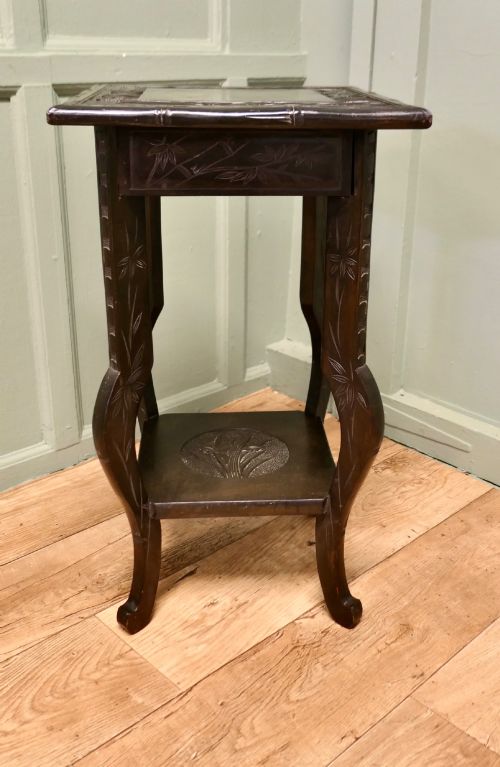
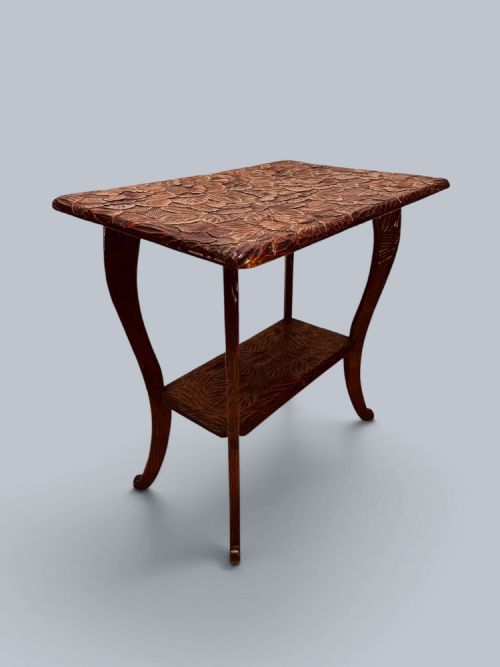
Carved hardwood art brings together global tribal artefacts, traditional sculptures and domestic treen spanning the nineteenth and early twentieth centuries.
Carved Hardwood Art
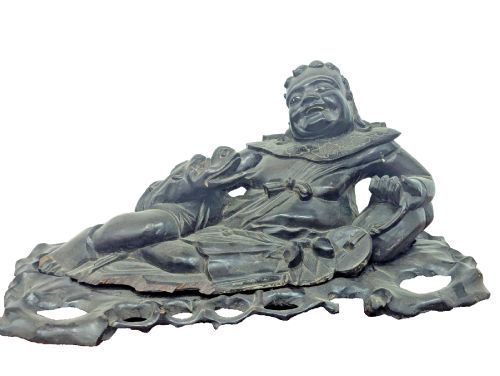
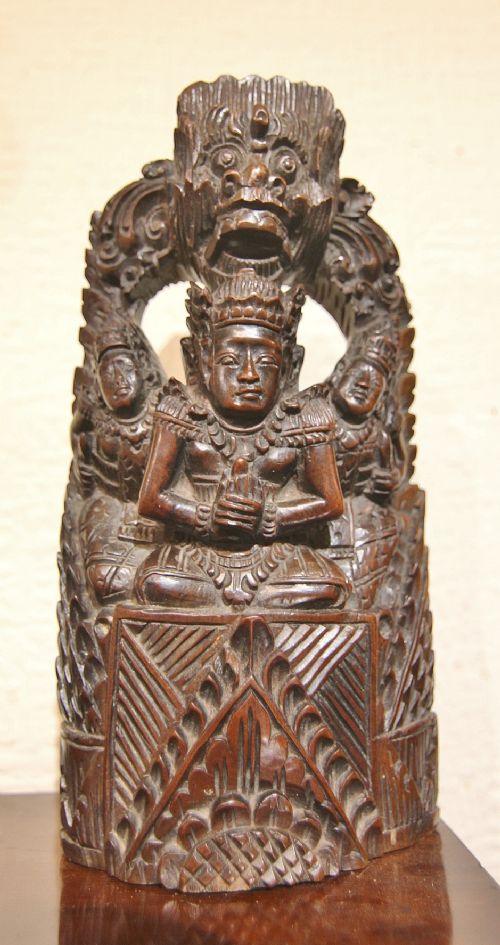
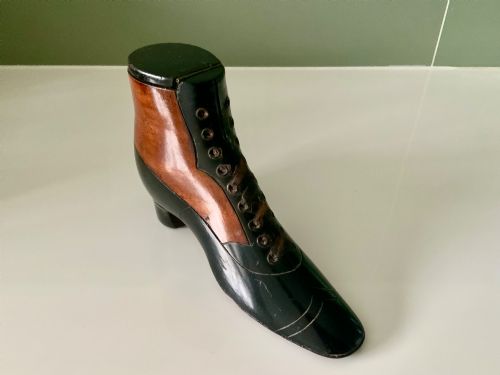
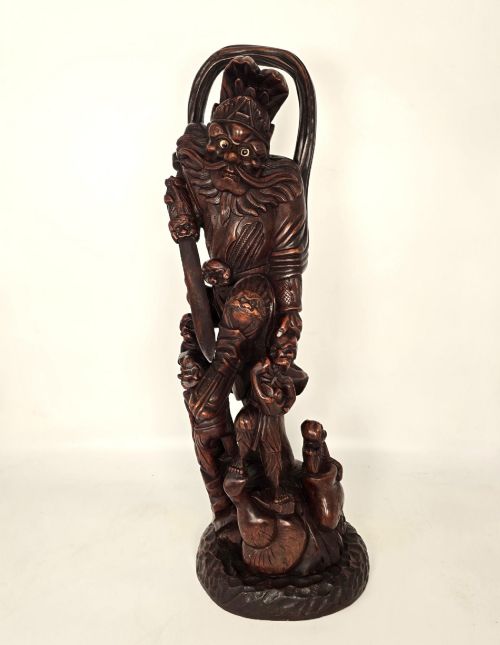
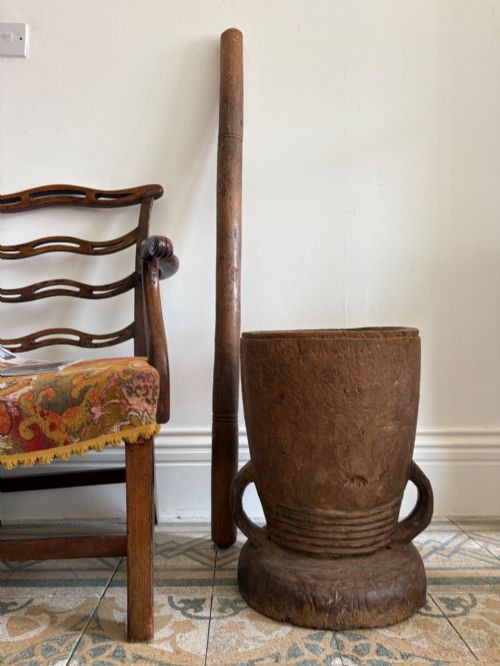
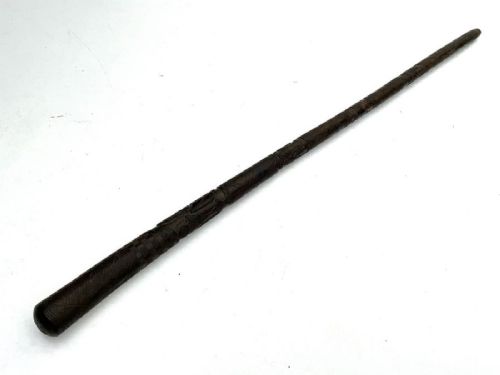
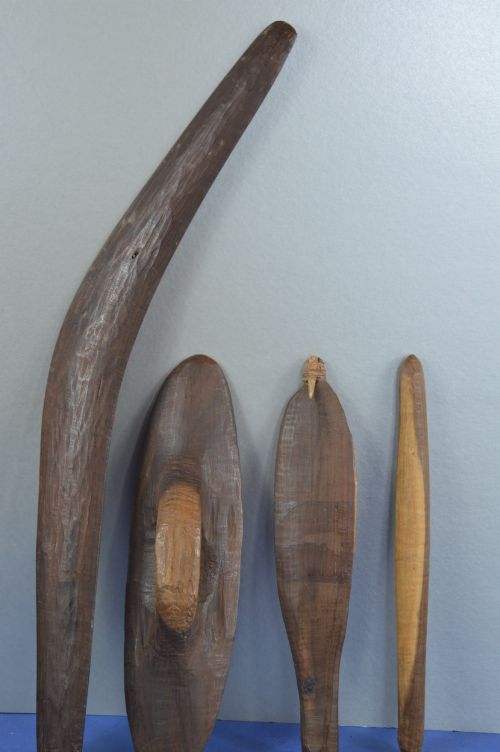
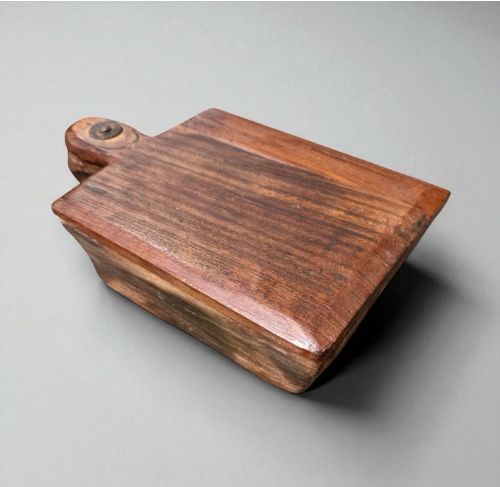
When you search for carved hardwood art, you encounter a diverse range of objects originating from African, Asian, Oceanic, and Indigenous traditions alongside European decorative pieces. The selections on this page bridge domestic items such as snuff boxes and nutcrackers with monumental guardian figures, tribal weapons, and ceremonial sculptures.
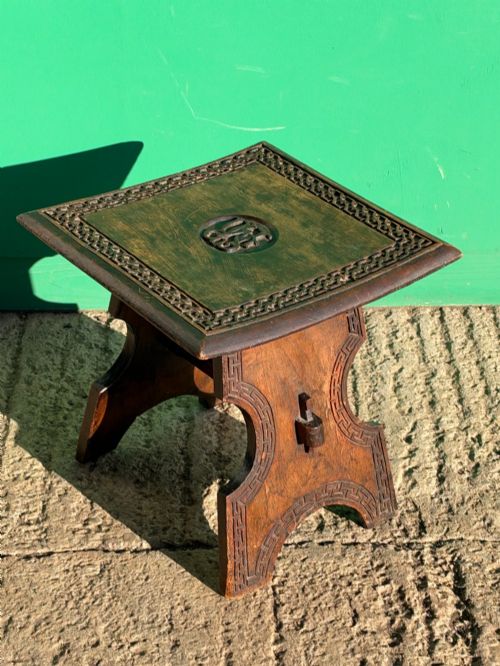
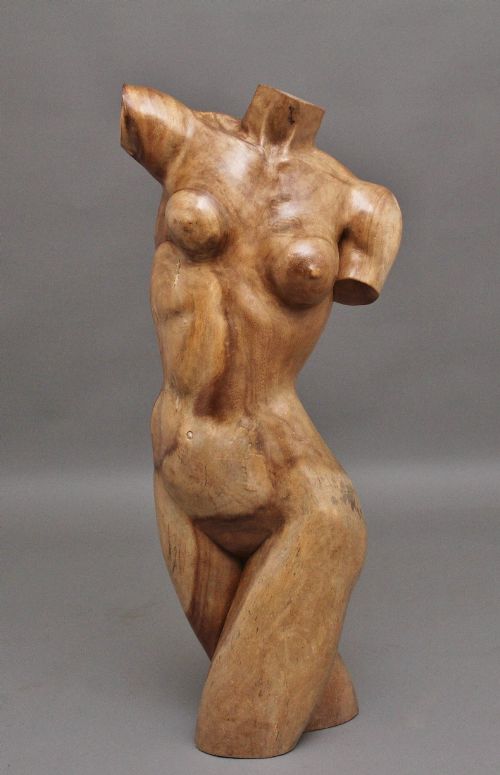
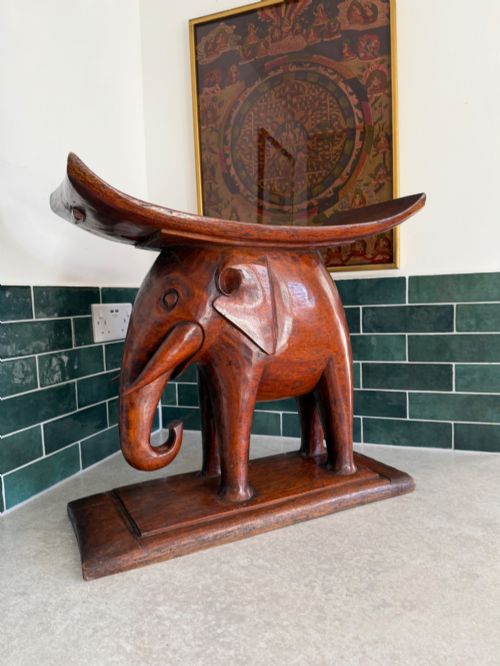
Most items you meet here date from the nineteenth century through the Art Deco era of the 1920s and 1930s. The forms vary from root wood carvings and furniture components to figures of deities, animals, and warriors carved from dense timbers.
The objects serve multiple functions, encompassing utilitarian village items, ritual weapons, personal accessories, and pure display sculpture. This variety reflects the global reach of traditional wood carving traditions over two centuries.
Materials and construction
The pieces rely on dense, durable timbers chosen for their ability to hold intricate detail under hand tools. Carvers utilised regional woods such as teak, root wood, and various unnamed hardwoods, often combining the timber with secondary elements like bone, brass, glass, and silk embroidery.
Makers shaped these materials using hand-carving techniques, ranging from deep relief panels and root wood manipulation to freestanding figurative sculpture. Surface finishes developed through repeated handling, natural oils, and occasional painted highlights rather than heavy modern varnishes.
Carved Hardwood Art Retail Price Guide 2026
Typical asking prices for carved hardwood art among the pieces listed under this phrase on Sellingantiques today, from the lower quarter to the upper quarter. They describe what is for sale here now, not the wider market.
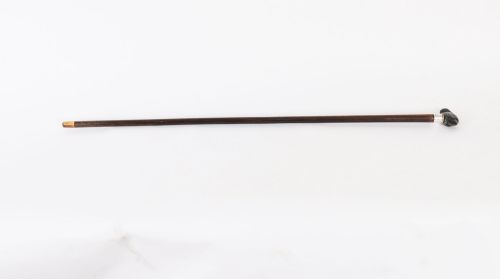
An anonymous carver once transformed a plain branch into a novelty parrot walking stick with glass eyes.
Evaluating the pieces
Quality rests in the precision and confidence of the carving, where deep relief work and facial expressions reveal the hand of a skilled artisan rather than mass production. Sculptures that capture dynamic movement or precise anatomical detail demonstrate superior execution.
The depth and warmth of the natural patina significantly influence the character of the object, showing evidence of age and handling over decades. Pieces retaining their original structural integrity, auxiliary materials such as silk or bone inserts, and uncompromised carved surfaces stand apart from heavily restored examples.
V Ramirez Bolivia
The Carved Hardwood Art Glossary
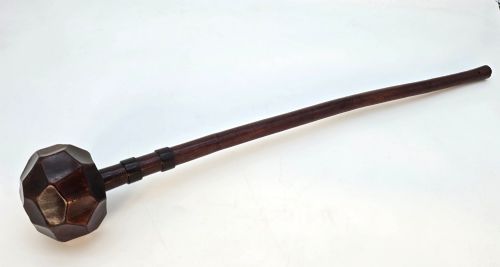
- Knobkerrie
- A traditional African southern club featuring a heavy wooden knob at the end of a stout shaft. These items served as both functional hunting weapons and status symbols.
- Lokapala
- A Guardian King in East Asian Buddhist art, typically depicted in armour and fierce posture. These monumental sculptures guarded sacred spaces and tombs.
- Root wood
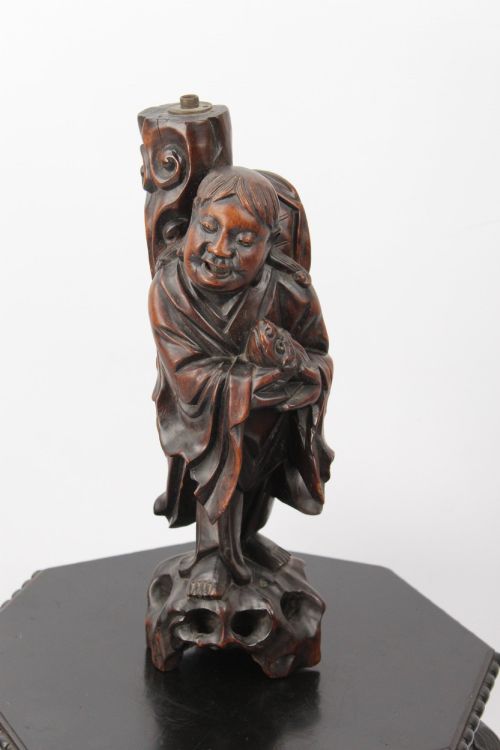
- Timber taken from the root mass of a tree, prized for its gnarled, organic grain and twisted natural shapes. Chinese carvers frequently shaped these sections into table lamps, stands, and figurative displays.
- Treen
- Small handmade wooden domestic objects such as snuff boxes, spoons, and nutcrackers. These items combine utility with decorative carving.
- Ula
- A traditional throwing club from Fiji, characterised by a lobed head designed for warfare or hunting. They represent significant examples of Oceanic material culture.
Carved Hardwood Art: Frequently Asked Questions
What is carved hardwood art?
Carved hardwood art encompasses sculptural figures, tribal artefacts, and decorative objects shaped from dense timber across various global traditions.
The pieces range from nineteenth-century ethnographic items and traditional Asian sculptures to Art Deco animal figures and domestic treen.
How do I date these carvings?
Dating relies on stylistic markers, tool marks, wood shrinkage, and the accumulated patina on the surface of the timber.
Reference points include distinct periods like the Qing Dynasty, Victorian era, and Art Deco movement, matched with traditional tribal motifs.
How were these objects used?
The items served diverse roles, from utilitarian village objects and tribal weapons to religious figures, ancestor memorials, and domestic accessories.
Many pieces held ritual or ceremonial significance within their cultures before entering the decorative sphere.
How do I care for hardwood art?
Keep wooden sculptures away from direct heat sources and dramatic humidity fluctuations to prevent splitting or warping of the dense material.
Dust gently with a dry, soft cloth and avoid applying modern polishes or oils that interfere with the historic patina.