




Carved Grey Armoire
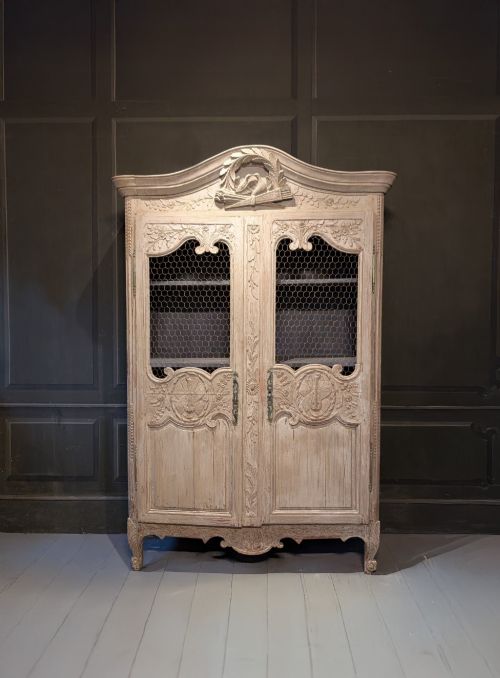
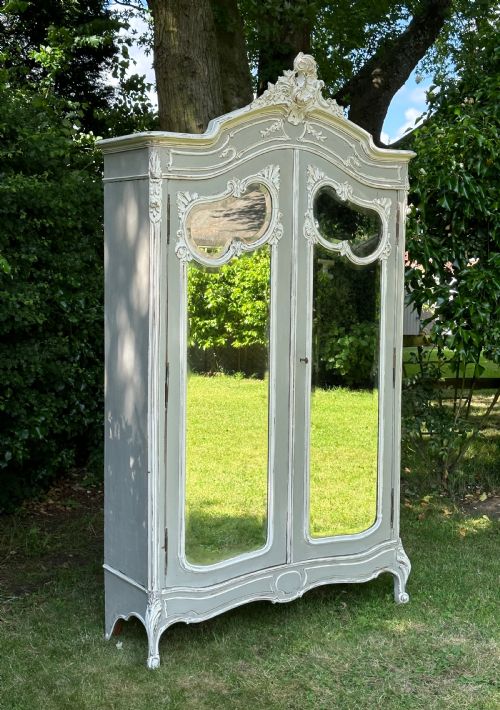
A carved grey armoire brings substantial storage and painted French character to a bedroom.
Carved Grey Armoire
A carved grey armoire combines generous storage capacity with traditional timber construction and painted surface finishes. These large storage pieces mostly originate from French provincial contexts and English country houses.
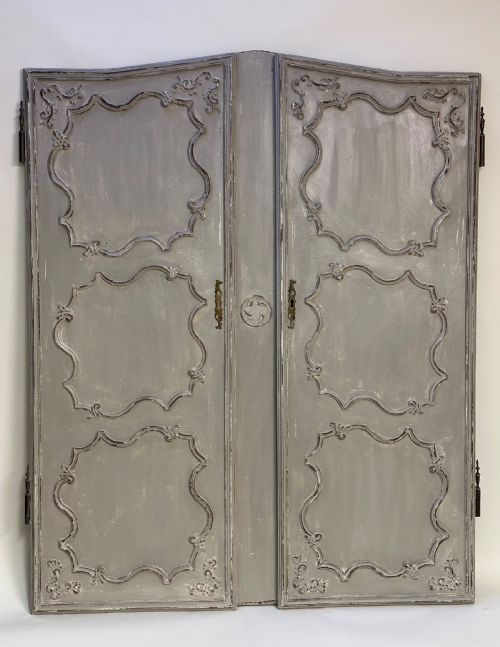
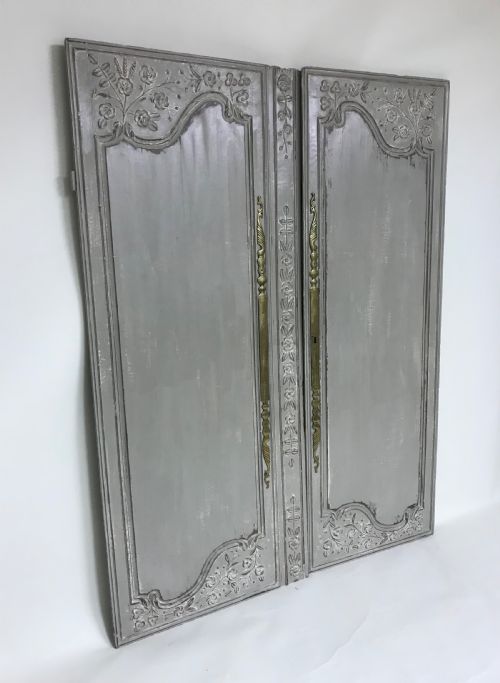
The selections available span periods from the eighteenth century through to the early twentieth century. Common forms include double door wardrobes, vitrines, and storage cupboards alongside related architectural elements like carved wooden doors.
Buyers encounter styles ranging from French Rococo and Provincial to Gothic Revival and Victorian country designs. Painted wood finishes dominate the selection, often appearing in muted grey tones across pine, oak, walnut, and cherrywood substrates.
Materials and construction methods
Makers utilised solid timbers including oak, walnut, cherrywood, and pine for the main structures of these large furniture items. Carpenters joined panels and frames using traditional joinery methods suited to heavy domestic service.
Surface decoration frequently involves hand carving applied directly to the wooden doors and cornices. Layers of paint and paint finishes in grey tones are applied over the wood, sometimes showing limed or distressed effects from age and use.
Carved Grey Armoire Retail Price Guide 2026
Typical asking prices for carved grey armoire among the pieces listed under this phrase on Sellingantiques today, from the lower quarter to the upper quarter. They describe what is for sale here now, not the wider market.
Assessing quality and craftsmanship
Superior examples demonstrate crisp, deep hand carving on the wooden elements rather than shallow mechanical moulding. The quality of the underlying timber, whether dense oak or figured walnut, dictates the structural integrity of the wardrobe.
Finishing work sets the better pieces apart, particularly where historical paint layers survive intact on the wood. The proportion of the architectural details and the balance of the double doors reflect the skill of the original workshop.
The Carved Grey Armoire Glossary
- Armoire
- A large freestanding cupboard or wardrobe used for storing clothing and household goods. These pieces typically feature double doors opening to reveal hanging space or shelves.
- Vitrine
- A glass-fronted cabinet or display case designed for showing ceramics, books, or decorative objects. Many examples combine glazed upper doors with panelled lower storage sections.
- Gothic Revival
- An architectural and decorative style drawing inspiration from medieval forms. This aesthetic employs pointed arches, heavy linenfold panelling, and vertical emphasis.
- Cherrywood
- A dense, close-grained hardwood prized for its smooth texture and rich warm tone under paint or clear finishes. Cabinet makers selected it for fine panel work and doors.
Carved Grey Armoire: Frequently Asked Questions
How do I choose the right size?
Measure your ceiling height and floor space carefully before selecting an armoire, noting that these pieces arrive as substantial single units or large paired doors. Check the internal depth to ensure it accommodates modern coat hangers and folded garments.
Account for the clearance needed to swing large wooden doors open fully within your bedroom or hallway. Consider the visual weight of a painted grey finish against your existing wall colours and room proportions.
Where should I place an armoire?
Bedrooms provide the natural home for these large wardrobes, offering practical storage for clothing and linens. They also function effectively in large hallways or landing spaces as linen cupboards.
Keep wooden furniture away from direct heat sources and strong sunlight to protect the painted surface and timber substrates. Allow adequate ventilation around the back and sides of the cabinet.
How do I care for painted wood?
Dust the surfaces regularly with a soft, dry cloth to prevent dirt accumulation on the carved details and painted finish. Avoid using harsh chemical cleaners or abrasive scourers that can strip historical paint layers.
Maintain stable humidity levels in the room to prevent the solid timber doors from warping or splitting over time. Apply a mild beeswax sparingly only if the finish appears dry and unsealed.
How do I date an antique wardrobe?
Examine the construction joints, panel thickness, and nail types to determine the manufacturing period of the piece. Hand-cut joinery and pegged frames typically indicate eighteenth or nineteenth-century origins.
Compare the decorative vocabulary, such as Rococo curves or Gothic arches, with documented style periods. Look at the wear patterns on the painted wood and the patina of the underlying timber for clues about age.