


Carved Gothic Oak Bookcase
A carved gothic oak bookcase brings ecclesiastical architectural presence and sturdy storage into a room.
Carved Gothic Oak Bookcase
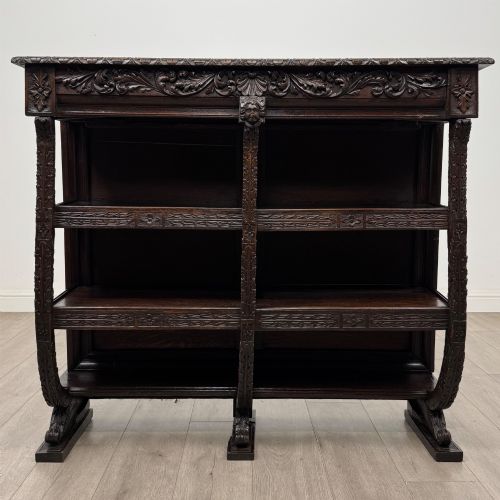
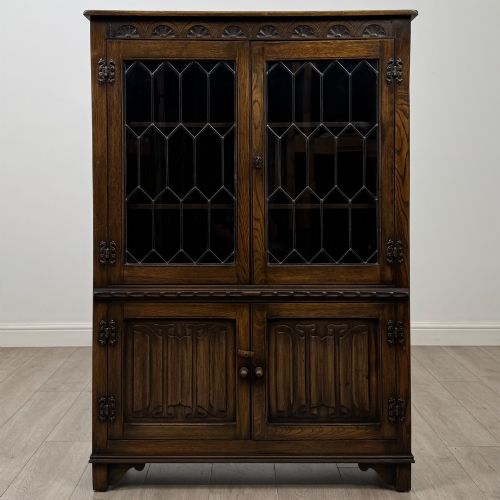
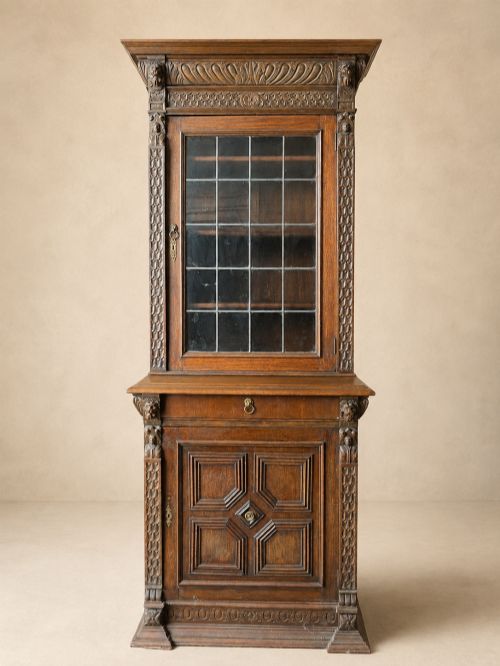
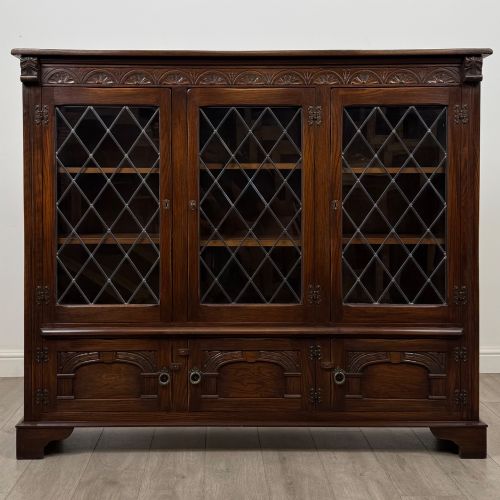
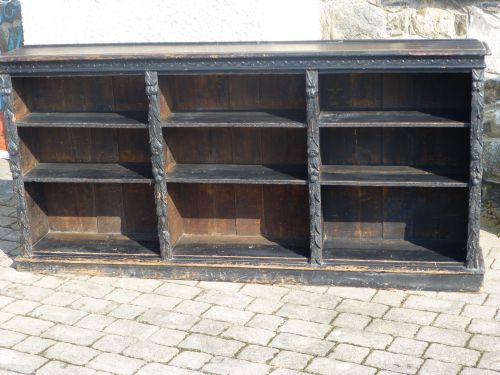
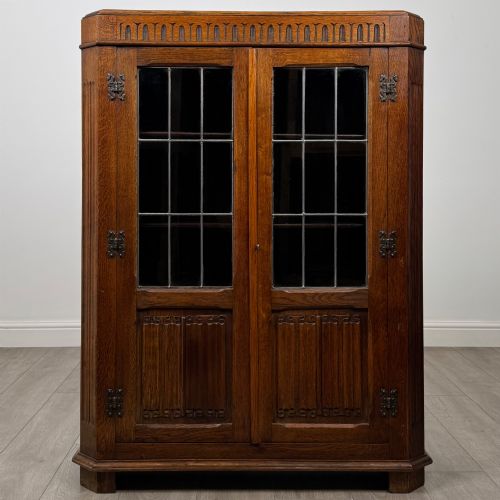
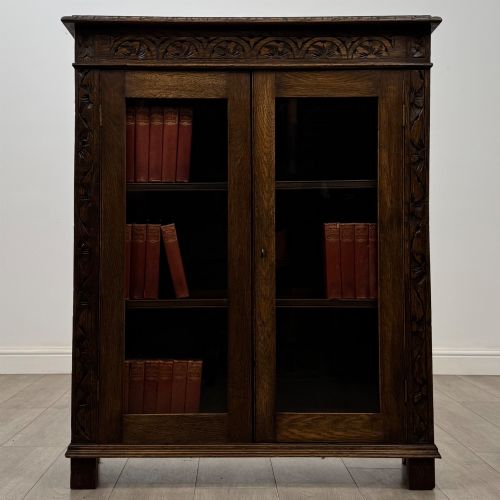
When searching for a carved gothic oak bookcase, buyers encounter robust storage furniture shaped by Victorian revivals and later periods. These items typically span open front designs, tall cabinet versions with glazed doors, and low dwarf shelving.
The aesthetic draws heavily on medieval ecclesiastical motifs, frequently incorporating pointed arches, tracery, and figurative carvings such as green man masks. Pieces range from modest nineteenth-century wall shelves to monumental breakfront libraries built to dominate large rooms.
Originating largely from nineteenth-century British and continental workshops, the surviving examples reflect an era deeply enamoured with architectural revivalism. Solid timber construction unites the selection, providing heavy structural support for extensive book collections.
How they were made
Makers relied primarily on solid oak, frequently paired with stained or leaded glass panels, brass hardware, and iron fittings to construct these heavy items. Timber was seasoned and joined using traditional methods to support the substantial weight of dense shelving and carved facades.
Surface decoration involved deep hand-chiselling, producing layered relief carvings of foliage, linenfold patterns, and architectural tracery. Some pieces feature ebonised elements or specialised wood selections like pollard oak to add visual depth to the dark grain.
Listings feature items spanning the Victorian era through to the twentieth century, constructed primarily in solid oak with glass, brass, and iron.
What varies in quality
The depth and crispness of the hand-carved detailing separate standard workshop output from exceptional furniture. Superior items display meticulously undercut foliage and sharply defined figures rather than shallow, mechanical moulding.
Proportion and architectural integrity dictate the standing of a piece within the range. Well-balanced proportions, integrated glazing bars, and heavy timber carcasses distinguish the finer nineteenth-century library cabinets from simpler utility shelving.
John Moyr Smith
The Carved Gothic Oak Bookcase Glossary
- Green man
- A sculptural carving of a human face emerging from or entwined with foliage. This motif appears frequently on nineteenth-century revival furniture to symbolise rebirth.
- Linenfold
- A style of wood carving that imitates folded parchment or linen cloth. It is commonly utilised on cabinet doors and panels within revival pieces.
- Tracery
- Openwork architectural ornamentation based on intersecting ribwork. It is frequently carved into the wooden framework of glazed doors.
- Breakfront
- A cabinet design where the central section projects forward from the flanking wings. This layout creates depth and visual rhythm in large bookcases.
- Secretaire
- A desk form incorporating a pull-down writing flap concealed within a drawer or cabinet structure. Such compartments often sit above open or glazed bookshelves.
Carved Gothic Oak Bookcase: Frequently Asked Questions
What rooms suit a gothic oak bookcase?
These imposing cabinets anchor studies, libraries, and living rooms where their dark timber and architectural carvings complement traditional interiors. Their sturdy construction handles heavy volumes easily.
Smaller open versions or wall shelves fit narrower hallways and alcoves without overwhelming the floor space.
How do I care for solid oak furniture?
Maintain the wood by dusting regularly with a dry cloth and avoiding direct exposure to strong heat sources or sunlight. This prevents the timber from drying out.
Applying a traditional beeswax occasionally helps nourish the grain and preserve the rich patina developed over the centuries.
Are the shelves adjustable?
Many nineteenth-century examples include adjustable shelving systems supported by wooden ratchets or metal pins. This adaptability accommodates books of varying heights.
Fixed shelves remain common in smaller openfront models and specific cabinet configurations designed for structural rigidity.
How can I tell the period?
Dating relies on examining construction techniques, hardware materials, and stylistic shifts between early Victorian revivals and later Edwardian interpretations. Tool marks and joint types reveal manufacturing methods.
Archival clues, such as nineteenth-century registration marks or specific regional revival styles, help narrow down the decade of production.