
Carved Gothic Furniture
Carved gothic furniture brings heavy timber and medieval ornament into rooms through revival benches, tables, and cabinets.
Carved Gothic Furniture
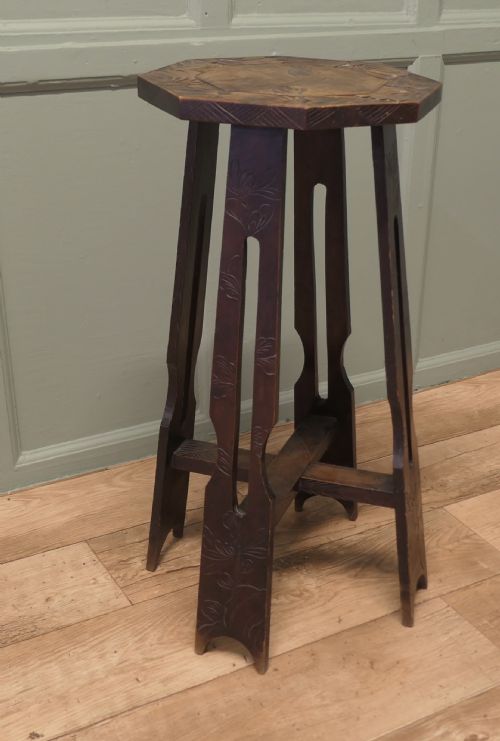
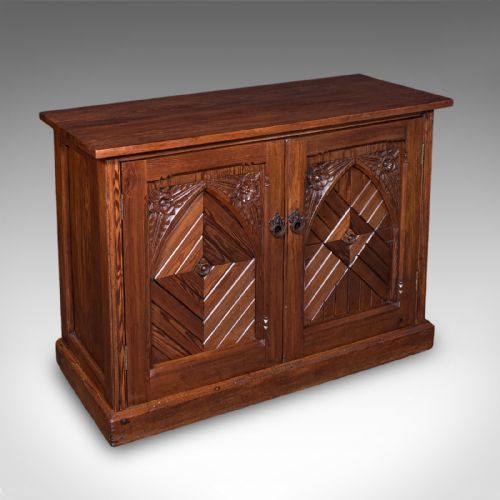
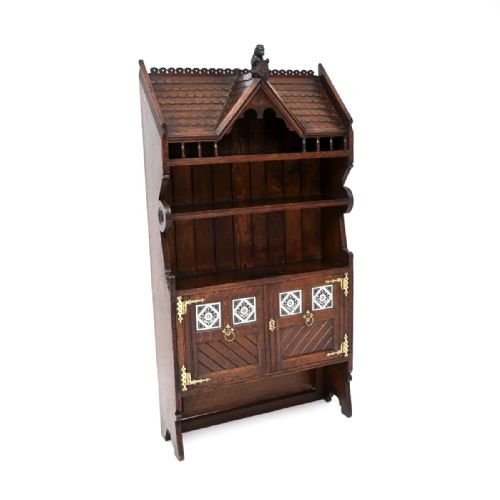
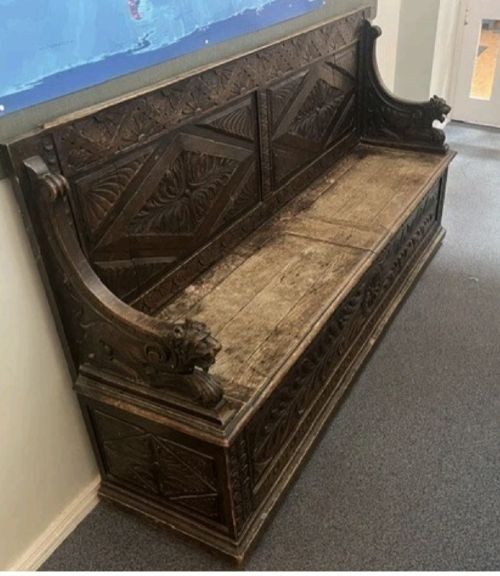
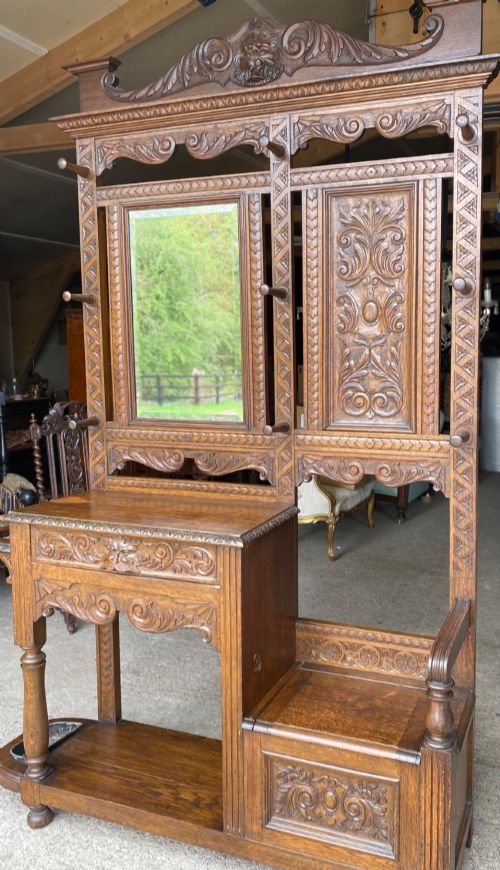
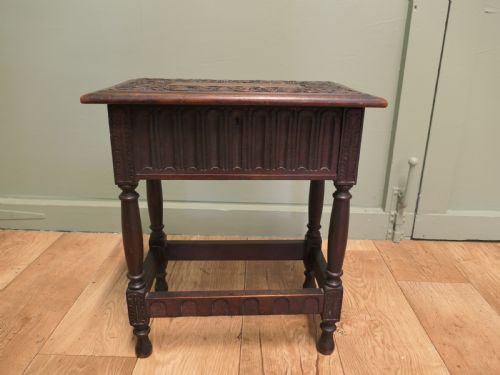
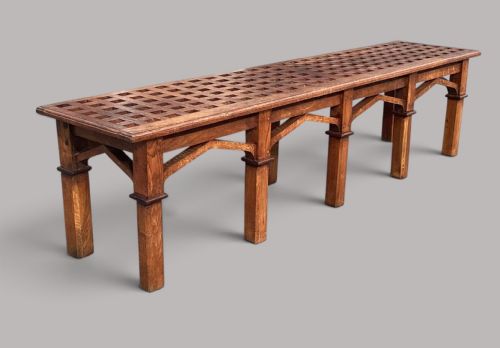
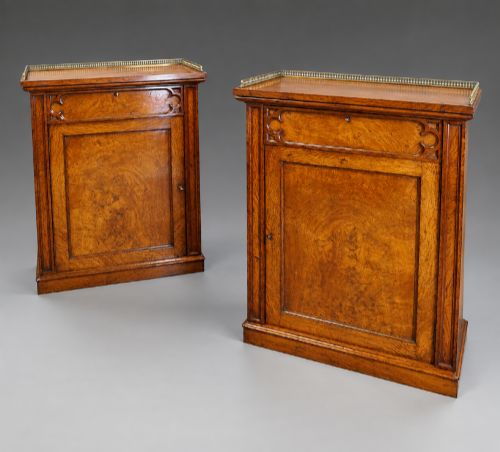
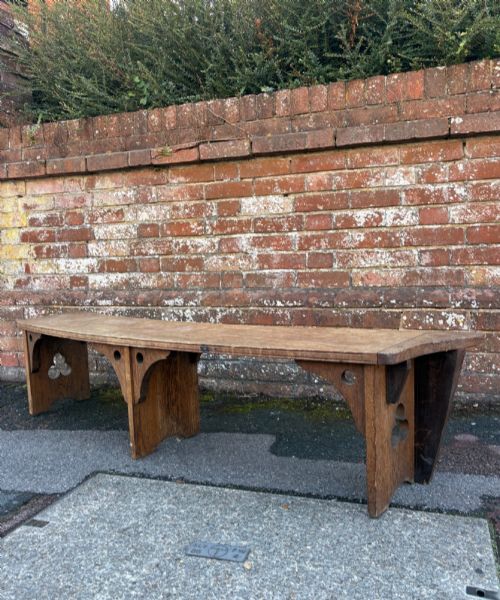
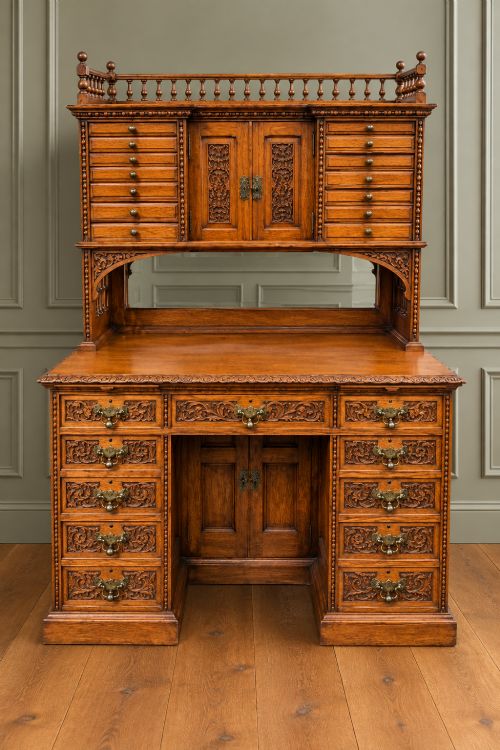
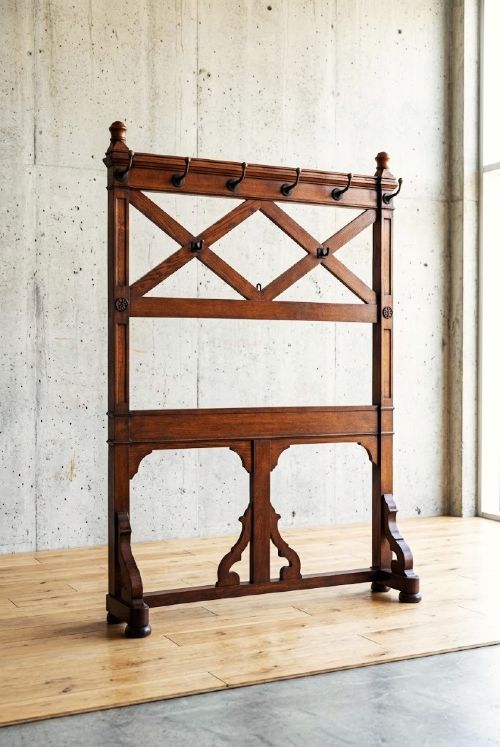
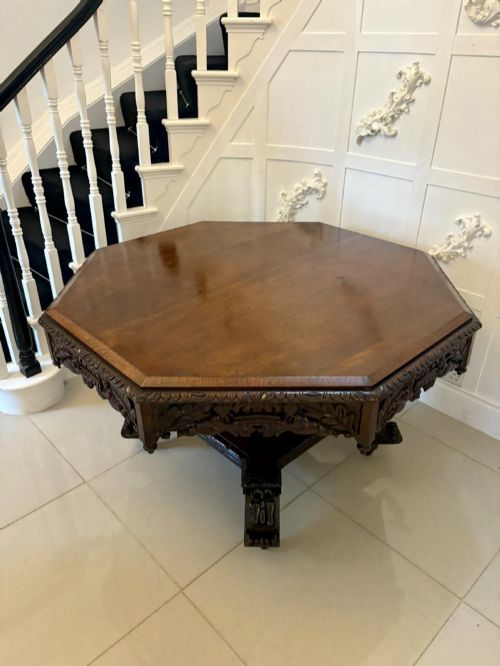
When you search for carved gothic furniture, you encounter robust timber items built primarily during the nineteenth century in revival styles. These pieces draw heavily on medieval ecclesiastical and architectural motifs, taking the form of hall stands, benches, side tables, and desks.
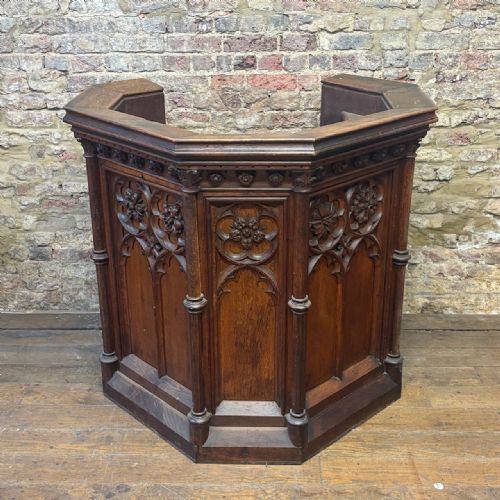
The selection here relies heavily on nineteenth-century craftsmanship, with Victorian interpretations dominating the offerings. Makers channelled mediaeval monastery aesthetics into domestic settings, producing heavy oak seating and tables adorned with tracery and linenfold panels.
What varies in quality
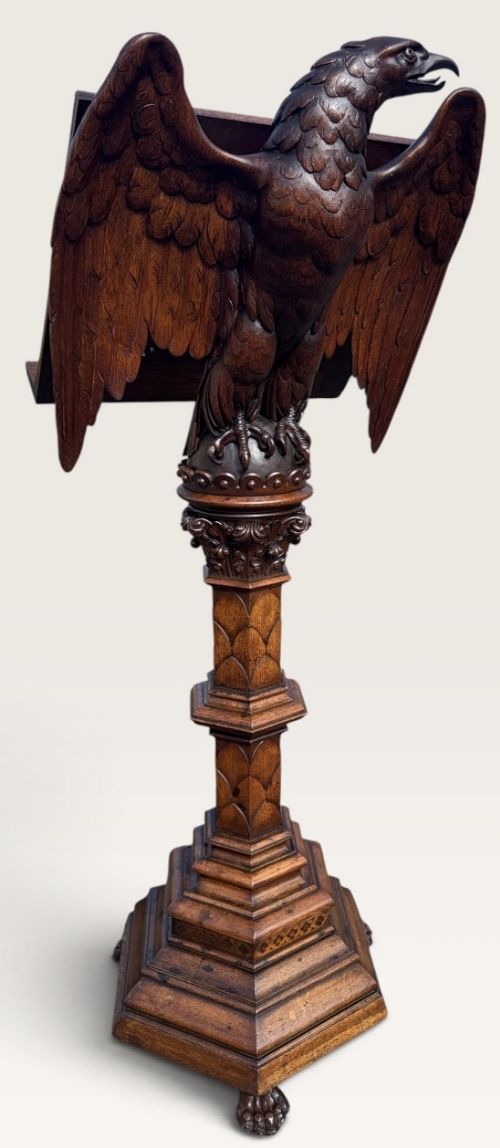
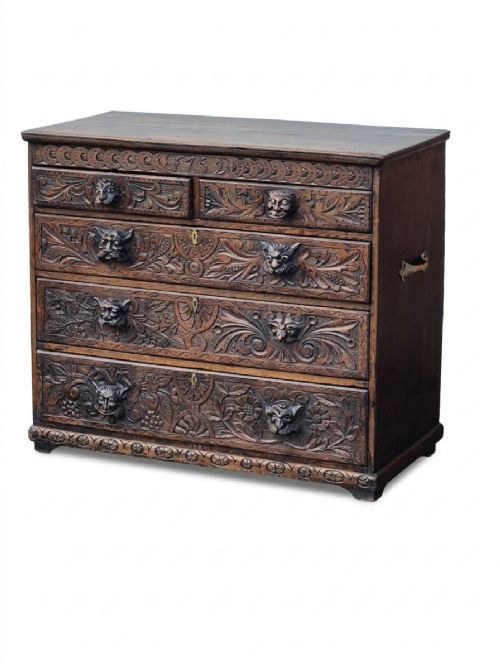
Depth and crispness of the chisel work separate standard production pieces from master-carved examples. Sharp undercut foliage, expressive green man faces, and balanced proportions indicate skilled hand execution rather than mechanical shaping.
The selection of timber grain and structural integrity also dictate the standard of a piece. Quarter-sawn oak displaying strong medullary rays combined with tight, enduring joints marks the upper tier of nineteenth-century revival craftsmanship.
Watch out for hidden green men peering from dark oak foliage across nineteenth-century panels.
Gillows·W A Willcocks
The Carved Gothic Furniture Glossary
- Green man
- A sculptural face carved from foliage or branches, symbolising rebirth. This motif frequently appears peering out from Victorian oak furniture and architectural woodwork.
- Trefoil
- A three-lobed graphic ornament resembling clover leaves. Carvers often pierced this shape into the wooden supports of tables and benches.
- Pugin style
- Design influenced by the architect Augustus Pugin, champion of the Gothic Revival. It prioritised structural honesty and authentic medieval ornamentation.
- Coffer
- A heavy wooden chest used traditionally for storage. Early examples featured robust panel construction and simple hinged lids.
- Tracery
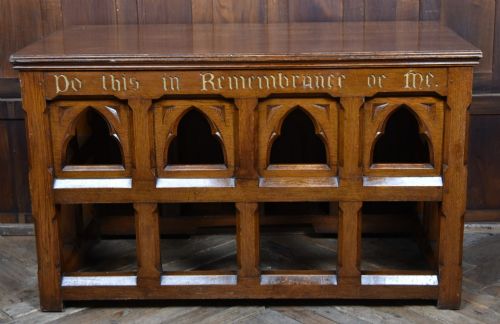
- Architectural stonework patterns translated into woodwork. It frames panels and glass doors with intersecting Gothic arch designs.
Carved Gothic Furniture: Frequently Asked Questions
Where did these pieces fit in a Victorian home?
Heavy hall stands and benches anchored entranceways, providing practical storage for coats and hats while setting a serious tone for visitors.
Smaller side tables and desks found places in libraries and studies, where darker timbers matched panelled walls and heavy drapery.
How do I identify nineteenth century gothic revival work?
Look for characteristic architectural elements such as pointed arches, quatrefoils, and heavy chamfered edges carved into solid oak.
Dates from this era often align with Victorian revivals of medieval forms rather than actual medieval manufacture, supported by nineteenth-century hardware and construction methods.
How should I care for dark oak surfaces?
Apply traditional beeswax sparingly with a soft cloth to nourish the wood and maintain a gentle sheen without building up heavy residues.
Keep pieces away from direct heat sources and strong sunlight to prevent the timber from splitting or the original polish from fading.
Are these items suitable for modern rooms?
Their strong vertical lines and rich timber tones anchor minimalist spaces when balanced with lighter walls and neutral soft furnishings.
Practical forms like side tables and benches integrate easily into everyday use, offering sturdy surfaces and functional seating.