


Carved Gold Brooch
A carved gold brooch combines intricate hand-carved relief work with precious metal framing, spanning periods from the Georgian era to the mid-century.
Carved Gold Brooch
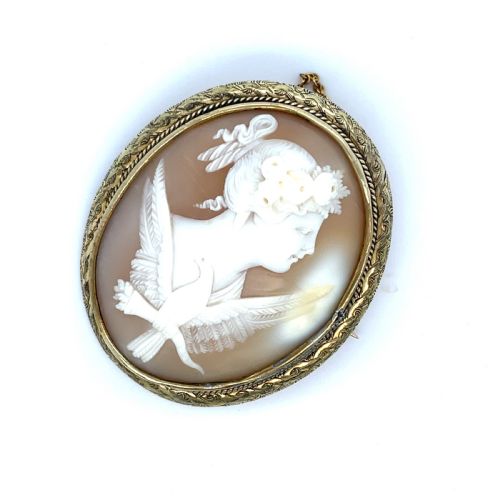
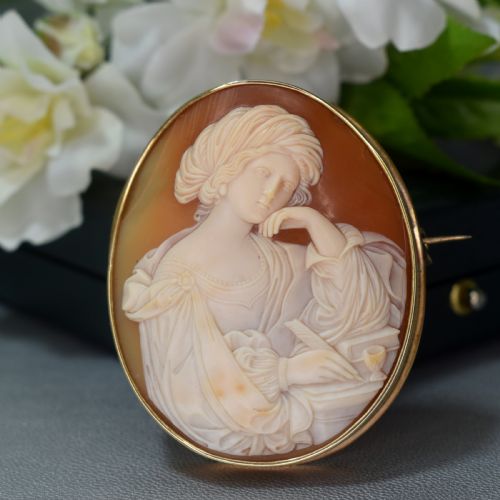
When you search for a carved gold brooch, you encounter pieces dominated by Victorian shell and hardstone cameos, alongside crystal and gemstone settings. These ornaments function primarily as wearable art, often doubling as pendants when fitted with integrated loops.
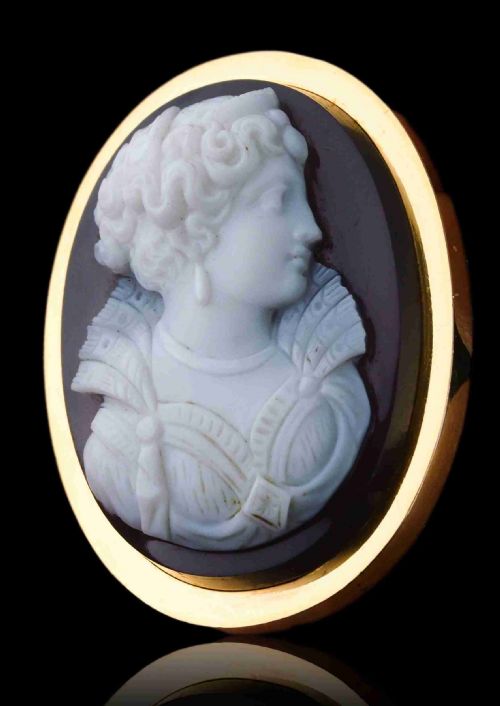
The Victorian examples form the backbone of this selection, frequently depicting classical mythological figures and deities carved from shell or layered agate. Alongside these, pieces from the Georgian period through to the mid-century introduce diverse framing styles and alternative carved materials.
How they were made
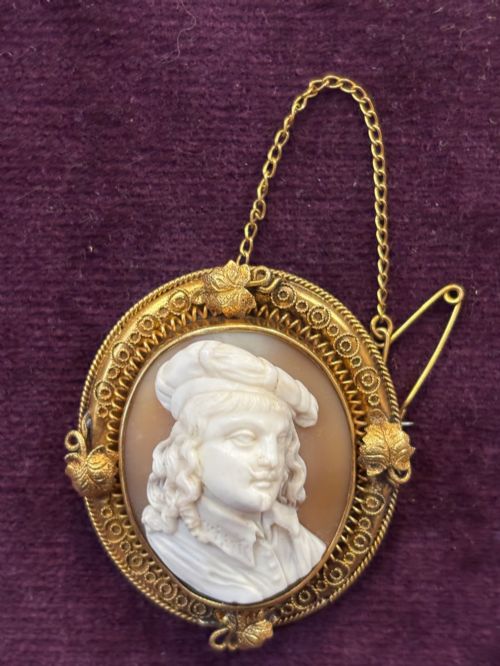
Carvers shaped natural materials like helmet shell, agate, lava, coral and hardstone to exploit the contrasting colour layers within the medium. This reduction technique left a raised opaque motif set against a darker, recessed background.
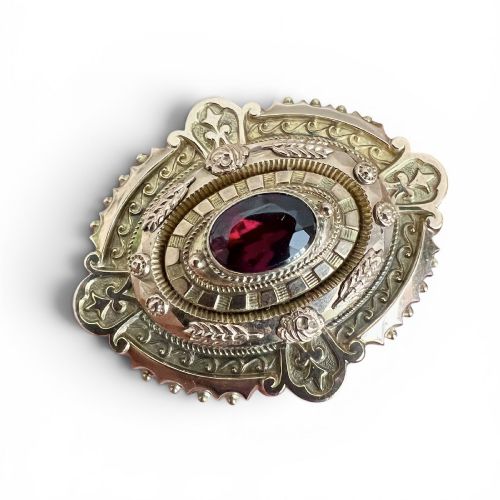
Master goldsmiths housed these carvings in secure mounts fashioned from yellow and white gold, ranging from standard nine-carat alloys up to twenty-carat standards. Elaborate frames incorporated granulation, filigree wirework, and gemstone accents including diamonds, pearls and emeralds.
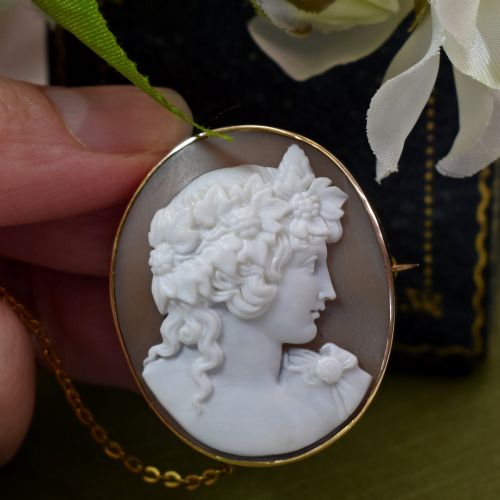
Several brooches depict ancient mythological figures immortalised in shell, ready to pin securely onto your modern winter coat.
What varies in quality
Mount construction also drives distinction, where substantial metal weight, intricate bezel work, and integrated safety components elevate the piece. Signed mounts by notable makers further separate standard decorative items from museum-standard artefacts.
R. Pernice·Gubelin
The Carved Gold Brooch Glossary
- Cameo
- A method of carving where a relief image is raised above a contrasting background. This technique utilises layered materials such as shell or banded agate.
- Hardstone
- A collective term for semi-precious stones harder than ordinary marble, including agate, onyx and jasper. Carvers utilise these dense minerals for durable, finely detailed intaglios and cameos.
- Etruscan Revival
- A nineteenth-century design movement inspired by archaeological discoveries of ancient Italian jewellery. Pieces feature characteristic granulation, wirework, and high-purity gold settings.
- Pinchbeck
- An alloy of copper and zinc invented in the eighteenth century to imitate gold. This material provides a warm metallic lustre without using precious content.
- Essex Crystal
- A technique where rock crystal is carved into a dome on the reverse side and painted in intaglio. This creates an illusion of a three-dimensional subject trapped within the stone.
Carved Gold Brooch: Frequently Asked Questions
What subjects appear on these brooches?
Motifs draw heavily from classical mythology, featuring deities, sibyls, and ancient heroes such as Venus, Flora, and Psyche. Portraits and allegorical scenes also recur frequently across both shell and hardstone mediums.
Carvers also utilised subjects from historical art, adapting compositions by master painters into miniature relief sculptures.
How were these brooches worn historically?
Victorian and Georgian wearers pinned these ornaments securely to high collars, heavy wool shawls, and ceremonial sashes. Many examples include folding loops on the reverse, allowing the piece to transition from a breast ornament to a pendant hung from a chain.
This dual functionality made them versatile components of a nineteenth-century wardrobe, easily shifted between daytime attire and evening wear.
How do I distinguish shell cameos from hardstone?
Shell cameos display a translucent quality when backlit, revealing the natural layers of the mollusc shell with a warm organic tone. Hardstone examples, cut from agate or onyx, remain opaque and feel substantially heavier in the hand.
Hardstone carving also exhibits crisper, sharper edges due to the extreme hardness of the quartz material compared to softer shell.
How do I care for an antique carved gold brooch?
Protect organic materials like shell, coral, and lava from moisture, perfumes, and harsh chemical cleaners which can strip their natural lustre. Store each piece separately in a lined box to prevent the gold mount from scratching the softer carved surface.
Professional cleaning should be reserved for checking the security of the claw settings rather than scrubbing the delicate relief work.