





Carved Glass Accent Mirror
A carved glass accent mirror brings depth and historic craftsmanship to a room, drawing the eye through reflective light and carved detail.
Carved Glass Accent Mirror
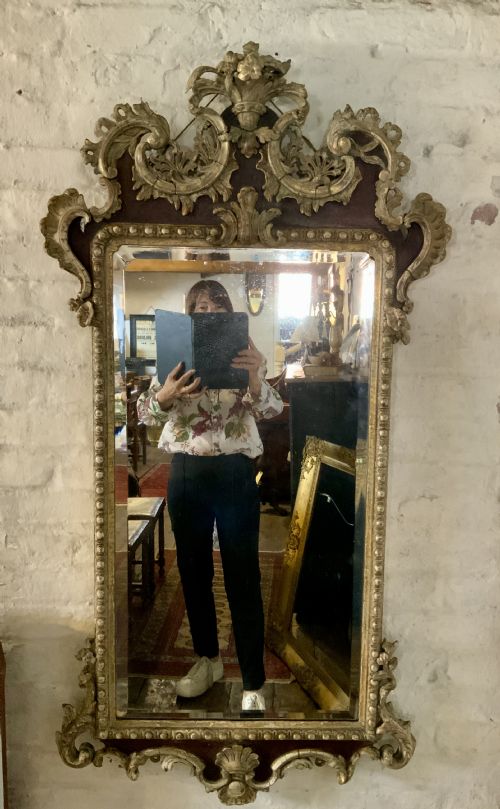
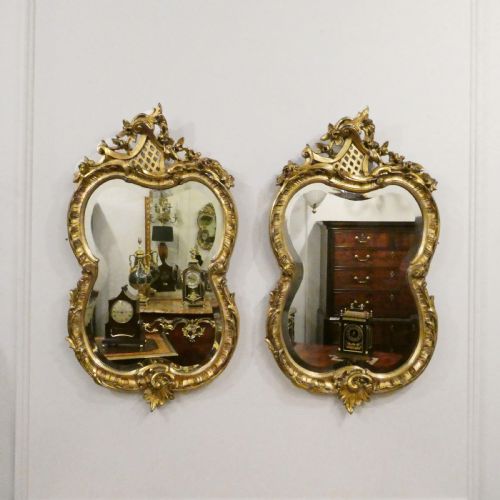
A carved glass accent mirror combines reflective glass plates with ornamental frames shaped from wood or gesso. When searching for a carved glass accent mirror, collectors encounter forms ranging from compact wall hangings to grand overmantel pieces.
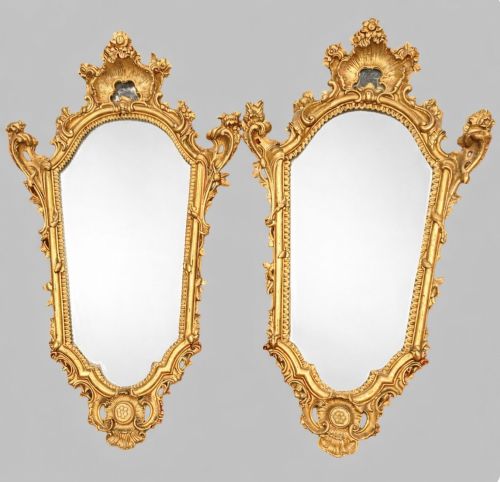
The selection draws heavily from 18th and 19th century traditions, including Italian Rococo, Georgian, Regency, and Venetian design influences. Wall mirrors and pier glasses dominate the forms currently available.
Originating from British, French, and Italian workshops, these pieces employ regional motifs such as giltwood scrolls, carved floral panels, and hand-painted foliate details. Each regional school brings distinct decorative characteristics to the frame and glass plate.
Materials and construction methods
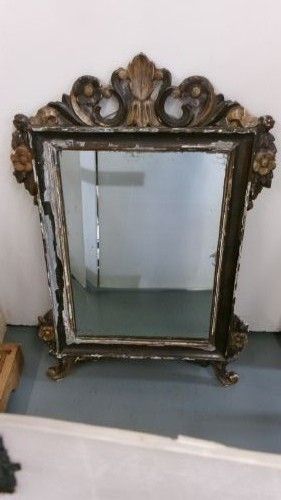
Frames rely on timber foundations such as walnut, oak, and mahogany, often overlaid with gesso and gold leaf or silver-leaf. Carvers shaped these materials by hand to create intricate foliage, ribbon, and scroll motifs.
Mirror plates include engraved glass, marginal mirror sections, and original silvered surfaces fixed within the timber or gilt framework. Joinery techniques and applied carving reflect the distinct period styles of Georgian, Victorian, and Baroque makers.
Faux bamboo frames appear among the offerings, proving that even 19th century makers enjoyed a touch of botanical whimsy.
Distinguishing quality across periods
The precision of the hand-carved woodwork and the depth of the gilding set superior examples apart from standard decorative pieces. Crisp relief work in gesso and wood demonstrates high artisan capability.
The condition and authenticity of the mirror plate itself dictate the standing of the piece. Engraved details, marginal plates, and period silvering contribute significantly to the character and desirability of the mirror.
John Belchier
The Carved Glass Accent Mirror Glossary
- Giltwood
- Timber coated with gold leaf over a prepared gesso ground. This technique creates a luminous surface common on formal mirrors.
- Pier glass
- A tall mirror designed to hang on the wall between two windows. These pieces often feature integrated console shelves or elaborate upper crests.
- Gesso
- A plaster-like mixture applied to wood frames to provide a smooth base for carving and gilding. Artisans model fine details directly into this compound.
- Overmantel mirror
- A wide horizontal mirror scaled to fit above a fireplace mantel. These large frames frequently incorporate architectural mouldings.
- Marginal mirror
- A mirror plate surrounded by smaller separate bevelled or engraved glass segments. This style creates a faceted frame effect.
Carved Glass Accent Mirror: Frequently Asked Questions
Where should I hang a carved glass accent mirror?
These mirrors suit spaces that benefit from reflected light and historic focal points, such as above a fireplace, across from a window, or in a hallway.
Positioning the piece at eye level maximises its decorative impact while allowing viewers to appreciate the carved frame details.
How do I identify a Georgian style mirror?
Georgian style mirrors typically feature symmetrical carved wood frames, often utilising walnut or mahogany with parcel gilt accents and scrollwork crests.
Craftsmen of this era favoured architectural proportions and refined foliate carving inspired by classical design principles.
What distinguishes a Venetian mirror?
Venetian mirrors stand out through their extensive use of engraved glass plates and applied glass ornamentation rather than heavy wooden frames.
Many examples feature delicate floral etchings directly onto the reflective surface, showcasing specialised glass-cutting techniques.
How should I clean an antique mirror plate?
Maintenance requires gentle dusting with a dry, soft cloth to protect vulnerable silvering and aged glass surfaces from moisture damage.
Avoid chemical glass cleaners, which can seep behind the plate and degrade the historic backing or original gilt framing.