
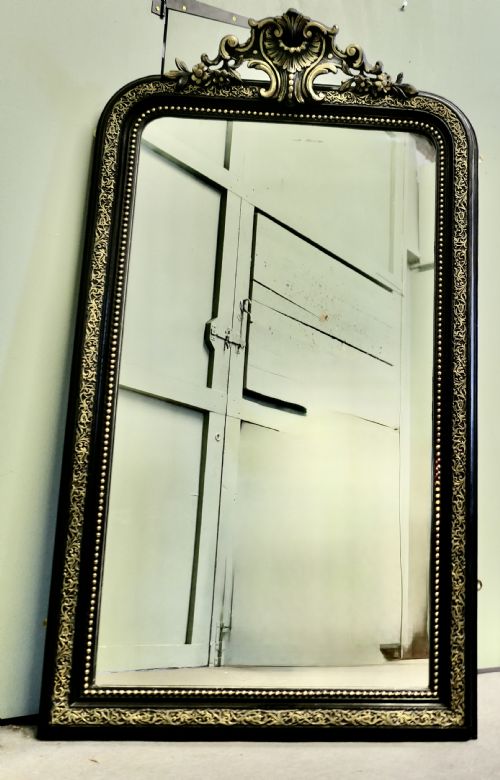
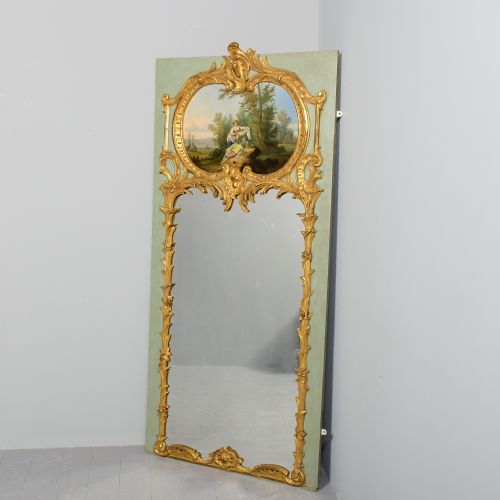
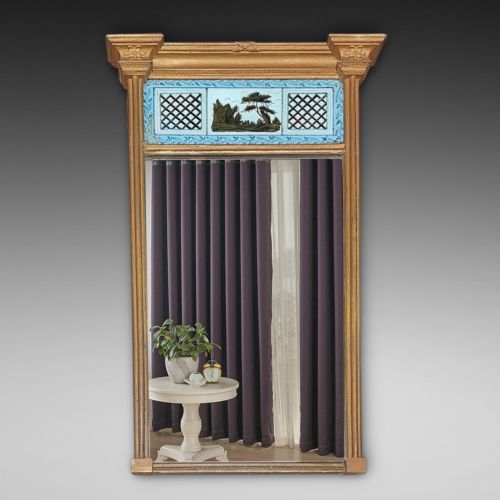

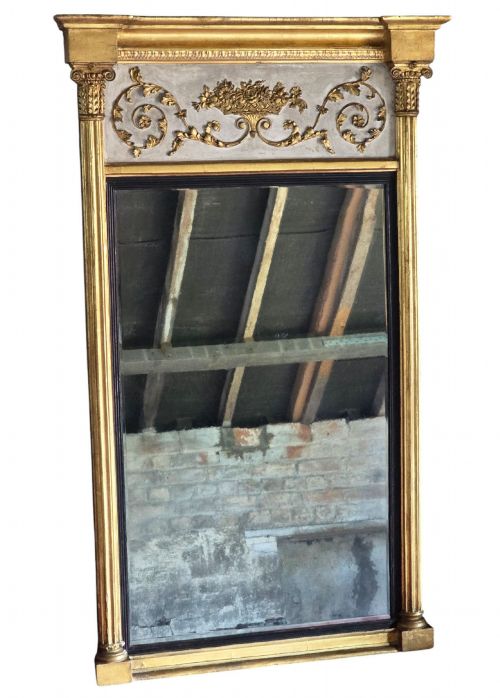
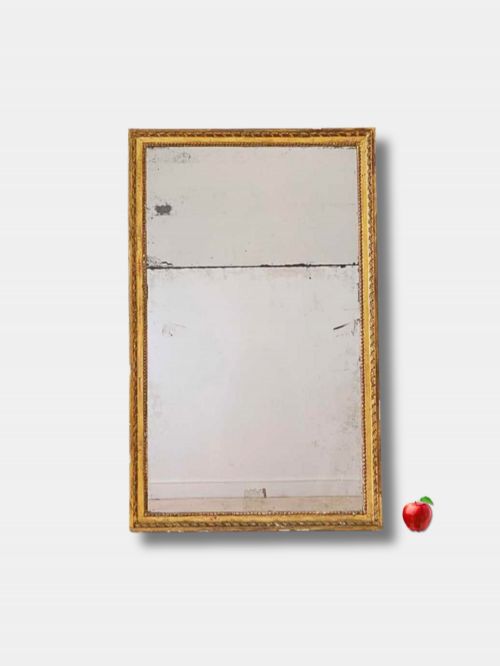


Carved Giltwood Trumeau
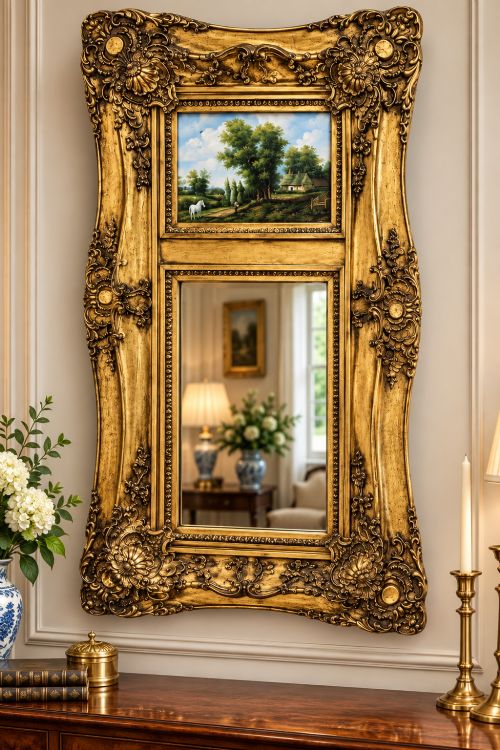
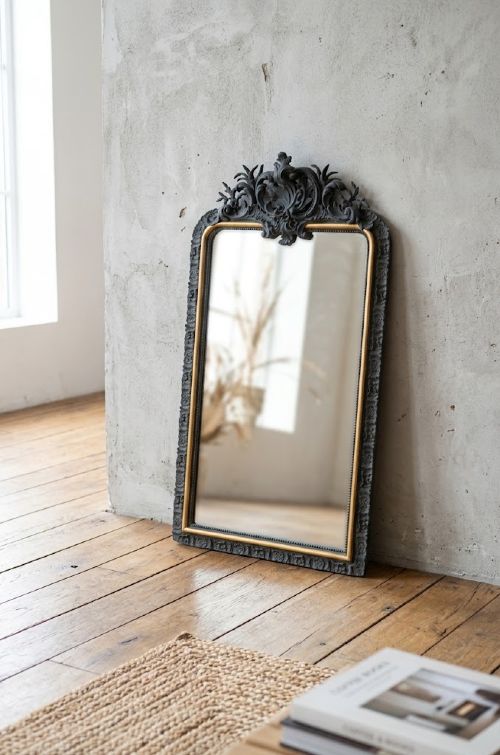
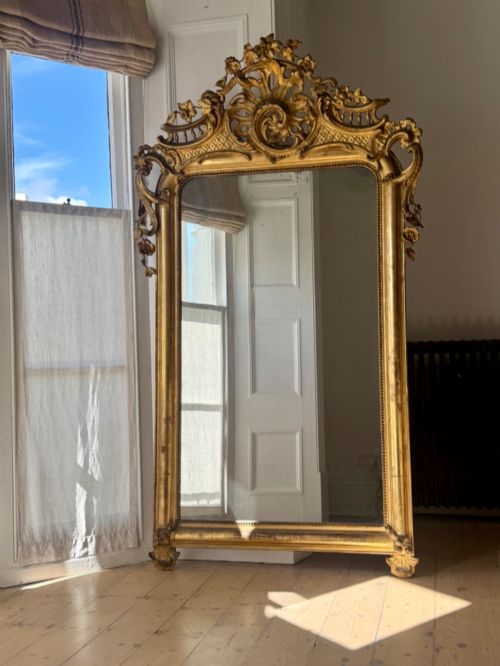
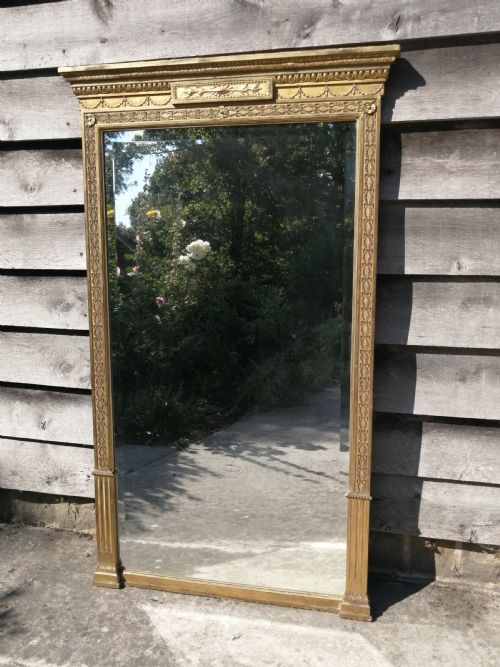
These carved giltwood trumeau mirrors bring architectural presence to a room, combining painted or carved panels with tall looking glasses.
Carved Giltwood Trumeau
The versions most commonly met on this page date from the eighteenth and nineteenth centuries, spanning styles such as Louis XVI, Regency, and French Empire. They typically arrive in proportions that demand high ceilings, with frames built from wood and gesso before receiving their gold leaf application.
How they were made
Craftsmen shaped the core frames from timber such as pine or oak, then applied layers of gesso to build up the relief for carving. Artisans laid fine sheets of gold leaf over these prepared surfaces, burnishing the metal to achieve a bright finish alongside areas left matte.
Makers integrated mercury glass plates or early silvered plates into the frames, often pairing the glass with painted wooden panels depicting classical motifs or pastoral scenes. Some examples incorporate verre églomisé panels, where reverse-painting on glass creates a decorative upper section.
Listings span the eighteenth and nineteenth centuries, incorporating styles from Georgian and Regency to Louis XV Rococo and French Empire.
What varies in quality
The crispness of the wood carving dictates much of the visual strength, separating pieces with sharp, deep relief from softer, more moulded ornament. Hand-carved detail displays an individual touch in the foliate scrolls and classical motifs that machine-pressed composition ornament cannot replicate.
The survival of original components such as mercury glass plates and untouched gilt surfaces determines the integrity of an example. Depth of colour in the underlying bole beneath the gold leaf and the preservation of original painted panels indicate the level of care a piece has received over centuries.
The Carved Giltwood Trumeau Glossary
- Trumeau
- An architectural term for the decorative section between windows or doors, applied here to mirrors containing an upper panel above the glass plate. These panels often feature oil paintings or carved wood reliefs.
- Giltwood
- Timber coated with a thin layer of gold leaf over a prepared gesso and bole ground. This technique creates a luminous metallic finish that ages with a warm patina.
- Verre églomisé
- A process of cold painting and gilding on the reverse side of glass to produce decorative panels. It appears frequently in the upper sections of Regency pier mirrors.
- Mercury glass
- An early form of mirror plate backed with an amalgam of tin and mercury before the widespread adoption of modern silvering processes. It produces a distinctive mottled, dark reflection.
- Pier glass
- A tall mirror designed specifically to hang on the wall space between two windows. These mirrors often stood above matching console tables.
Carved Giltwood Trumeau: Frequently Asked Questions
Where should I hang a trumeau mirror?
These mirrors suit rooms with high ceilings, particularly above a mantelpiece or on a substantial wall between windows where their vertical proportions command the space.
Their architectural character allows them to anchor a room without requiring heavy surrounding furniture.
How do I clean an antique giltwood frame?
Dust the carved surfaces gently with a soft, dry brush to prevent any disturbance to the delicate gold leaf layers.
Avoid using water, chemical sprays, or abrasive cloths, as moisture strips the historic gesso and gilding.
What is the difference between a trumeau and a pier mirror?
A trumeau specifically incorporates a decorative painted or carved panel alongside the glass plate, usually filling an architectural pier space.
A standard pier mirror focuses primarily on the tall glass plate itself, though the terms often overlap in nineteenth-century cabinetmaking.
Are the mirror plates original?
Many examples retain their original mercury glass plates, identifiable by subtle foxing, dark spots, and a deep, uneven reflection.
Replacements occur frequently over centuries of use, which alters the clarity and historical character of the piece.