
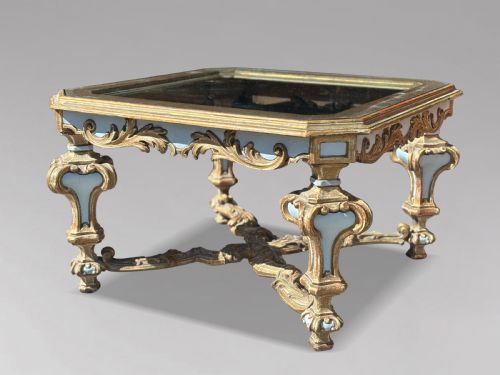


Carved Gilt Low Table
A carved gilt low table brings golden warmth and low-slung proportion to a room, drawing the eye through rich surface gilding and carved detail.
Carved Gilt Low Table
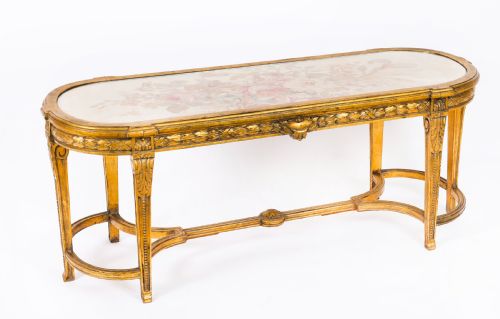
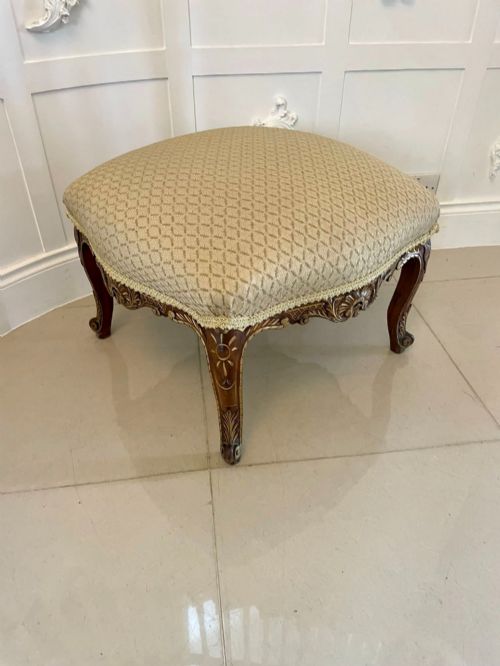
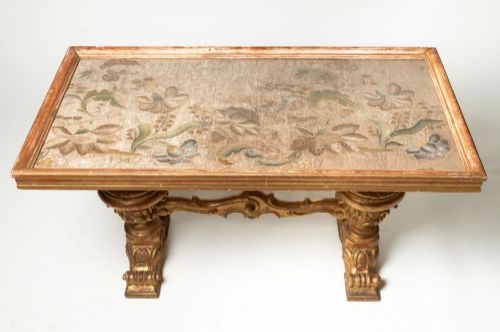
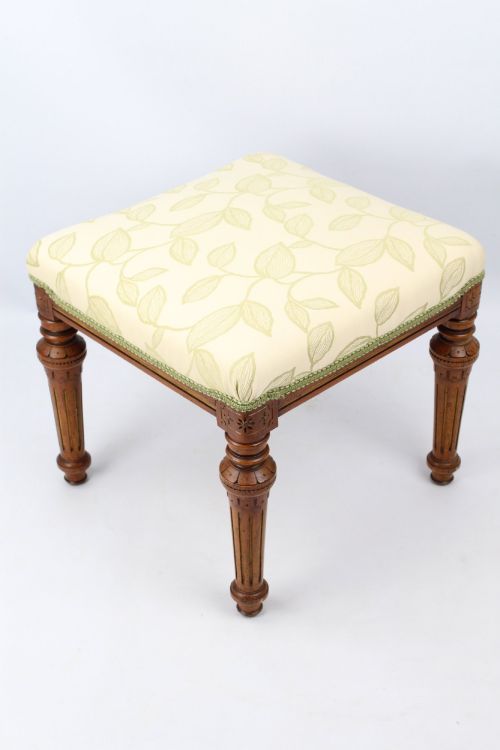
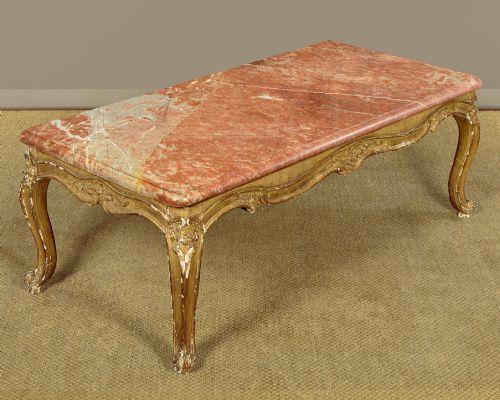
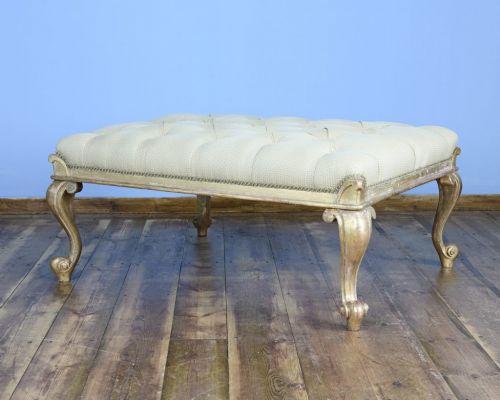
A carved gilt low table covers a broad span of low furniture formats, appearing most frequently as coffee tables, footstools converted or built low, and occasional tables dating from the nineteenth and early twentieth centuries. These pieces emerge across revival idioms, notably Rococo and Louis XVI, alongside Italian Baroque and classical styles.
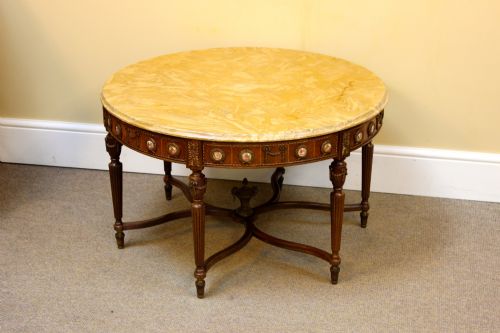
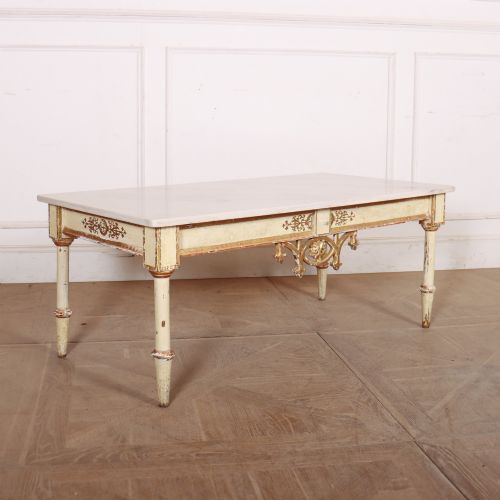
The form adapts traditional seating or taller centre tables into lower profiles suited to modern sitting rooms. Marble tops frequently accompany giltwood or painted and parcel-gilt frames, creating sturdy surfaces designed for domestic use.
Origins span English, French and Italian workshops, with twentieth-century iterations reflecting continental tastes and department store commissions. Buyers encounter everything from grand scaled parcel-gilt footstools to intimate occasional tables and painted coffee tables.
What varies in quality
The depth and crispness of the hand-carving dictate the visual weight of the piece, separating robust sculptural work from softer, more mechanical execution. Artisanal precision in applying gold leaf or giltwood determines how light catches the carved contours over decades of wear.
The selection of secondary materials, such as the thickness and veining of inset marble tops or the structural integrity of walnut and oak foundations, distinguishes standard production items from grander commissions.
Dolphin motifs occasionally swim into the design, appearing as gilt metal supports holding up heavy stone tabletops.
The Carved Gilt Low Table Glossary
- Giltwood
- Wood that has been treated with gold leaf or a gold-coloured finish applied over a prepared ground. This technique provides the signature metallic brilliance seen across antique frames.
- Parcel-gilt
- A decorative treatment where only specific carved highlights, edges or motifs are gilded while the rest of the surface is painted or left as natural wood. It creates a subtle contrast between the gilt details and the underlying colour.
- Rococo Revival
- A nineteenth-century design movement drawing inspiration from the asymmetrical curves, scrolls and naturalistic plant motifs of the eighteenth-century French Rococo period. Tables in this style often feature elaborate, fluid carving.
- Louis XVI Revival
- A classical revival style characterised by straight tapered legs, architectural symmetry and restrained neoclassical ornamentation. Pieces reflecting this aesthetic prioritize geometric balance over exuberant curves.
- Centre Table
- A freestanding table traditionally finished on all sides to stand in the middle of a room rather than against a wall. Many such tables have been adapted into low table formats for contemporary interiors.
Carved Gilt Low Table: Frequently Asked Questions
Are these tables sturdy enough for daily use?
Most examples utilise solid timber frames made from walnut, oak or carved wood, ensuring structural stability for normal living room activities. Marble tops add considerable weight, keeping the tables firmly planted.
Lighter occasional tables and footstools require standard care, but their robust period construction makes them well suited to daily domestic placement.
How do I identify a French style from an Italian one?
French revival pieces often lean towards Louis XVI symmetry with crisp fluted legs and restrained leaf carving, or flowing Rococo Revival curves. Italian examples frequently showcase bolder Baroque or painted decoration with dramatic relief work.
Examining the underlying wood types and the character of the gesso and gilding helps reveal regional manufacturing traditions.
How should I clean a marble topped low table?
Marble surfaces benefit from gentle wiping with a soft, damp cloth and mild, pH-neutral soap to preserve the polished finish. Avoid acidic cleaners or abrasive pads that can etch or dull the stone.
Wooden and gilt frames require simple dusting with a dry cloth to protect the delicate gold leaf and painted details from moisture damage.