



Carved Gesso Portrait Frame
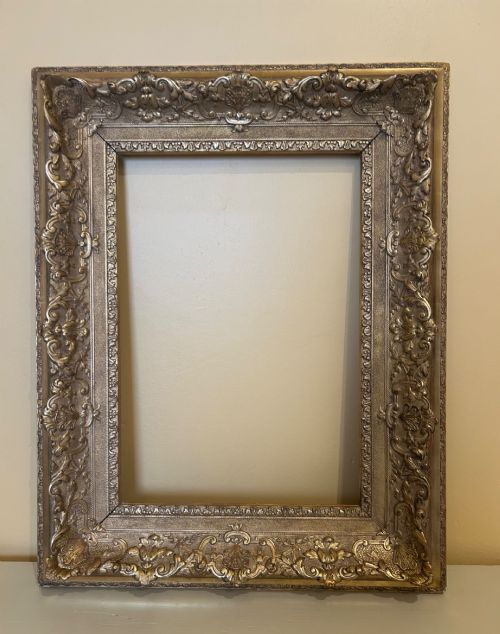
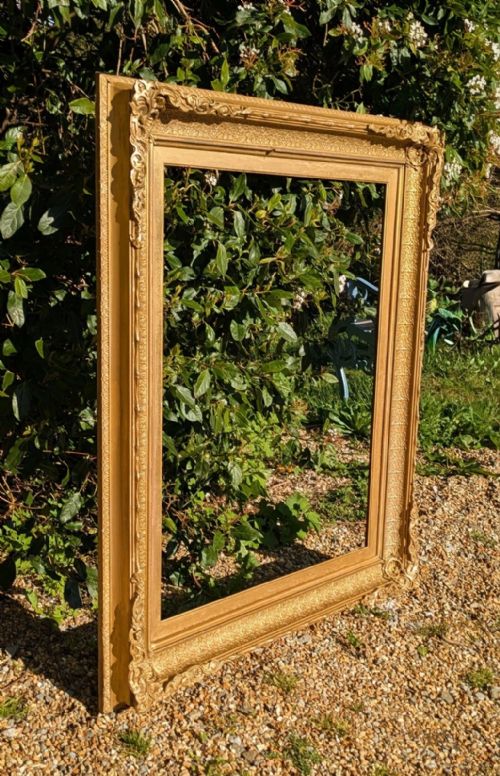
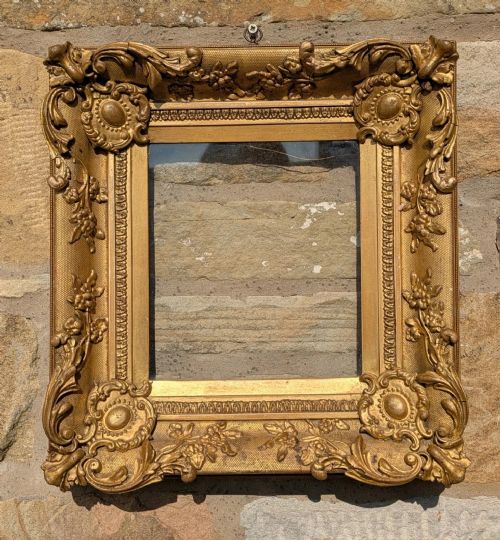
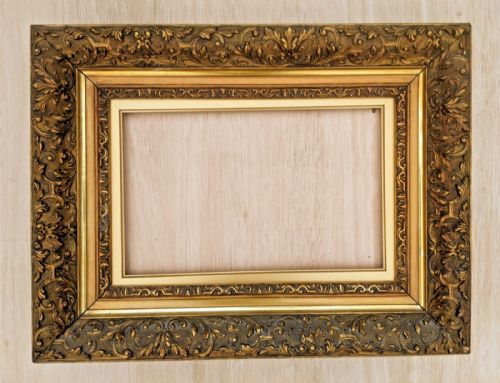
These carved gesso portrait frame examples bring rich moulded detail and period depth to any wall, holding oils, watercolours and mirrors alike.
Carved Gesso Portrait Frame
A carved gesso portrait frame provides a structured housing for artworks, photographs and mirrors, bringing architectural presence to interiors. When searching for a carved gesso portrait frame, buyers encounter examples spanning the seventeenth century through to the twentieth century.
The most common versions met on this page belong to the Victorian era, particularly the later decades of the nineteenth century. These pieces often exhibit deep mouldings and gilded finishes designed to complement classical portraiture.
Forms range from simple rectangular apertures to grand oval formats suited to oil paintings on board or canvas. Alongside dedicated picture frames, related wall mirrors and overmantel mirrors share the same underlying construction.
How they were made
Makers built these objects upon a core of timber, preparing the wooden base with successive coats of gesso to create a smooth, pliable surface for modelling. Craftsmen then carved directly into the built-up gesso or applied moulded ornament to achieve high-relief ornamentation.
Gilding completed the process, using gold leaf or silver leaf adhered to the gesso ground to reflect light across the room. Burnishing and toning added depth to the metallic surface, enhancing the contrast between raised ornament and recessed areas.
Carved Gesso Portrait Frame Retail Price Guide 2026
Typical asking prices for carved gesso portrait frame among the pieces listed under this phrase on Sellingantiques today, from the lower quarter to the upper quarter. They describe what is for sale here now, not the wider market.
Some nineteenth-century makers cleverly carved portrait frames deep enough to swallow an entire oil on board without letting the edges peek out.
What varies in quality
The sophistication of the modelling distinguishes standard production from finer work, with hand-tooled gesso showing crisper undercut details than mass-moulded alternatives. Depth of section also plays a role, as deeper frames create a more substantial architectural shadow around the portrait.
The integrity of the original giltwood or silver leaf surface determines the visual success of the object. Surviving gilding with natural patination holds greater aesthetic appeal than heavily repainted or modernly resurfaced examples.
The Carved Gesso Portrait Frame Glossary
- Gesso
- A traditional mixture of chalk, gypsum and size used as a preparation layer on wood before gilding. This material takes crisp impressions and holds intricate low-relief carving.
- Giltwood
- Timber that has been coated in gold leaf over a prepared gesso and bole ground. It offers a rich, warm metallic lustre that deepens with age.
- Rococo Revival
- A nineteenth-century design style emulating the exuberant, asymmetrical scrolls and naturalistic motifs of the eighteenth-century French movement. Frames in this style feature elaborate C-scrolls and floral elements.
- Overmantel mirror
- A large horizontal mirror designed to sit directly above a fireplace mantelpiece. These pieces often utilise identical gesso moulding techniques to contemporary picture frames.
Carved Gesso Portrait Frame: Frequently Asked Questions
Can I put a modern painting inside?
These surrounds accommodate contemporary artwork just as effectively as period canvases, provided the sight size and rebate match the dimensions of your piece.
Framers can easily adjust internal slips or backing boards to secure modern paintings safely within antique housings.
How do I clean the gilt surface?
Dusting requires only a very soft, dry brush to prevent abrasive particles from scratching the delicate metallic leaf.
Moisture and chemical cleaning agents must be avoided entirely, as they strip the historical gold or silver leaf from the underlying gesso.
Were these always meant for portraits?
While the format suits portraiture well, makers designed many of these mouldings for landscape paintings, mirrors and religious panels.
Historical interchangeability means a frame originally housing a landscape often suits a portrait or mirror of comparable proportions.
How do I date the gesso work?
Dating relies on examining the profile of the timber moulding, the composition of the gesso ground and stylistic cues like Rococo revival scrolls.
Earlier seventeenth-century examples display heavier hand-carved elements, whereas Victorian pieces frequently combine moulded composition ornaments with applied gesso.