

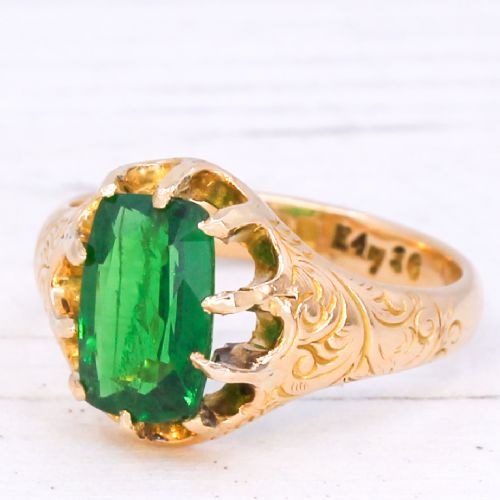
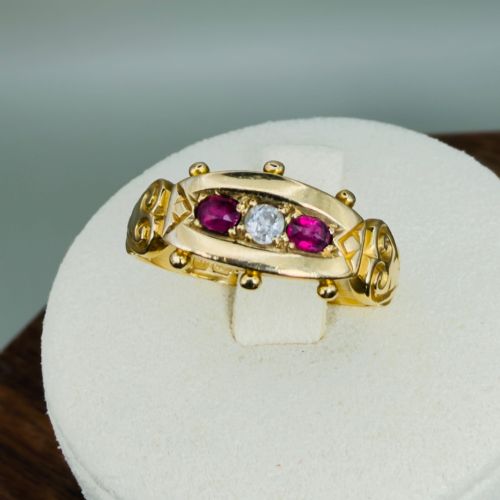
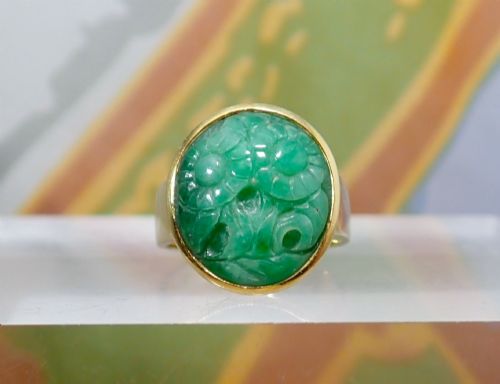
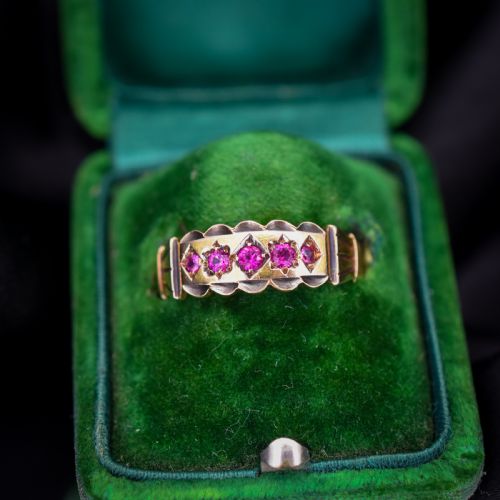

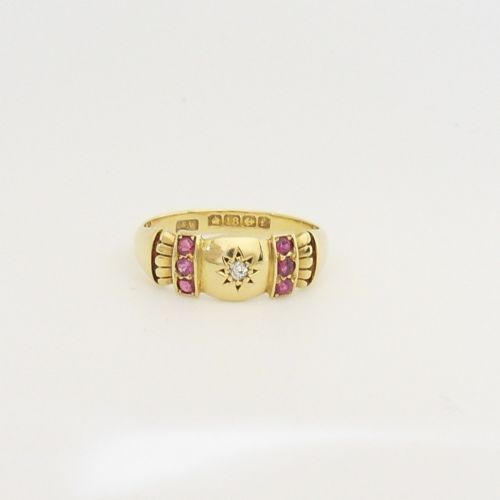
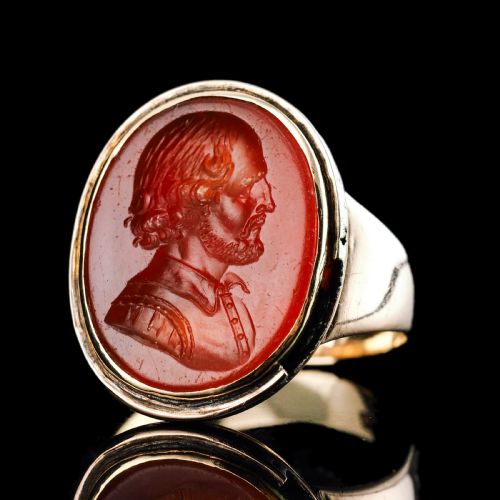
Carved Gemstone Ring
These carved gemstone rings are wearable pieces of history, prized for their intricate miniature portraits and classical motifs set in gold.
What They Are
A carved gemstone ring brings together historical craftsmanship and portable art, often featuring intaglios or cameos carved directly into stones like carnelian, chalcedony, and coral.
The selections encountered here span from the Georgian and Victorian eras through the Edwardian period and into Art Deco designs, showcasing styles from Classical Revival to allegorical figures and gentleman profiles.
Most examples present detailed portraits or symbolic scenes hand-carved into the gemstone, securely mounted in yellow gold or 18ct gold bands designed to be worn daily.
How They Were Made
Craftspeople utilised hand-carving tools to work directly into hard materials such as chalcedony and carnelian, creating recessed intaglios for sealing or raised cameos for display.
Retail Price Guide 2026
Typical UK retail prices for carved gemstone ring, calculated from the Sellingantiques database of over a million retail prices indexed since 2003. This retail price guide relies exclusively on Sellingantiques data; no external sources or auction records are used, so the figures do not describe the wider market.
Some gentleman intaglio rings were originally carved to press into hot wax, doubling as miniature stationery cupboard gatekeepers.
What Varies in Quality
The fineness of a carved gemstone ring rests entirely on the depth, clarity, and anatomical precision of the miniature carving itself, distinguishing master lapidaries from standard commercial work.
Quality also shows in the weight and proportion of the gold setting, where substantial mountings complement the stone rather than simply holding it.
The Carved Gemstone Ring Glossary
- Intaglio
- A gemstone carved with a depressed design so that it leaves a raised impression when pressed into wax. This technique was frequently used for signet rings and personal seals in earlier centuries.
- Cameo
- A method of carving where the subject is raised in relief against a contrasting background. Coral and layered stones were often worked this way to create portrait rings.
- Carnelian
- A reddish-orange variety of the quartz mineral chalcedony that was a favourite material for intaglio rings throughout the Georgian and Victorian periods.
- Chalcedony
- A cryptocrystalline form of silica used in Art Deco and earlier jewellery. It provides a smooth, translucent surface ideal for detailed carving.
- Classical Revival
- An artistic style inspired by the art and architecture of ancient Greece and Rome. This aesthetic strongly influenced the portrait and allegorical motifs carved into nineteenth-century rings.
Frequently Asked Questions
How do I care for an antique carved coral ring?
Coral is an organic material that is softer than gemstones like chalcedony or carnelian, requiring gentle cleaning with a soft cloth.
Avoid exposing coral jewellery to harsh chemicals, perfumes, or ultrasonic cleaners to preserve its natural finish.
How can I tell a Georgian ring from a Victorian one?
Georgian rings often feature closed-back settings and hand-carved allegorical or classical subjects typical of the late eighteenth and early nineteenth centuries.
Victorian pieces frequently utilise open-back gold settings and distinct portrait profiles reflecting changing sentimental and revivalist fashions.
Are these rings suitable for daily wear?
While gold and quartz-based stones like carnelian are durable, antique rings require mindful handling due to their age and delicate carved details.
Removing the ring during heavy manual tasks will help protect the miniature carving from accidental impact.