

Carved Furniture Feet
These carved furniture feet support centuries of seating, tables and cabinetry, offering a tactile detail that grounds period wood.
Carved Furniture Feet
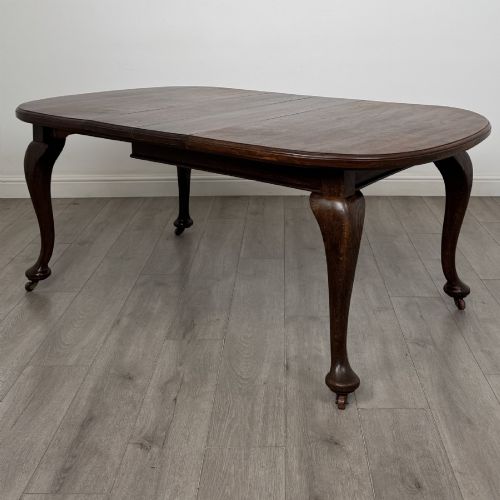
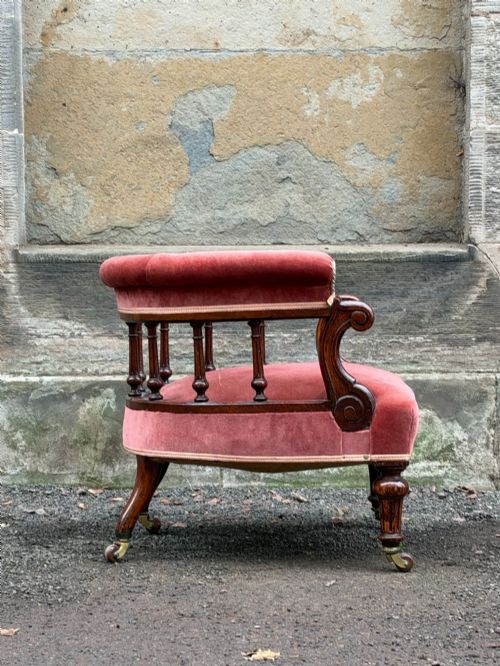
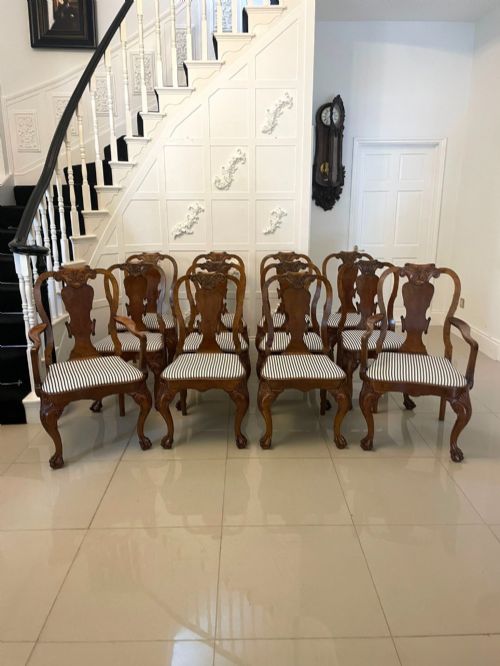
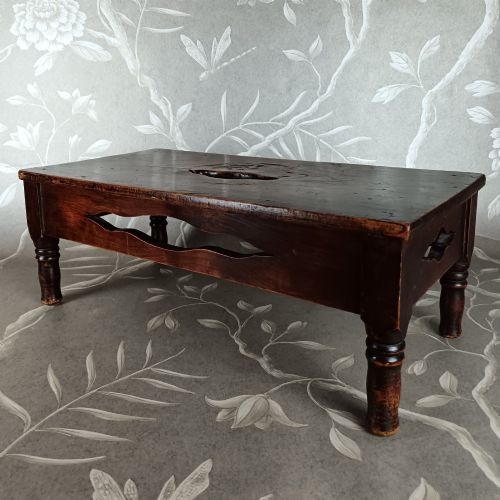
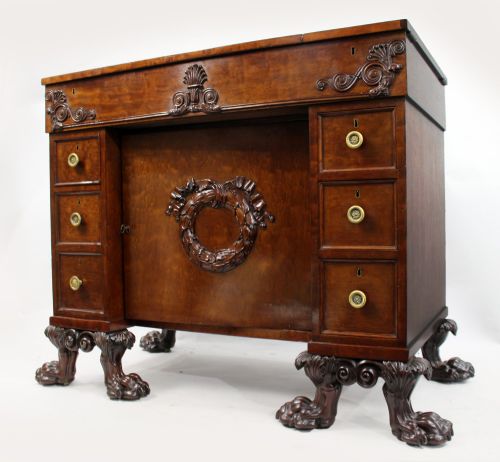
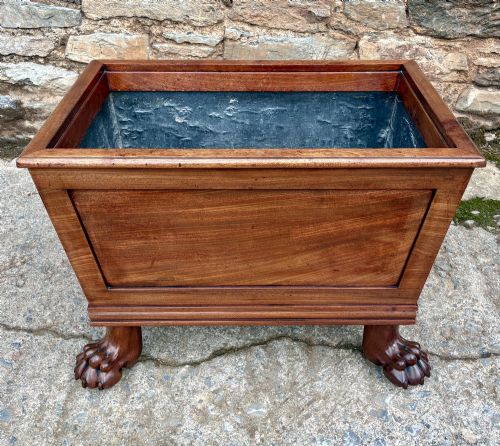
When you search for carved furniture feet, you encounter the terminal supports of tables, desks, chests of drawers and seating spanning from the seventeenth century through the Victorian era. These sculptural wooden elements anchor heavier case pieces and elevate lighter occasional tables, reflecting distinct regional tastes across Britain, Ireland, Europe and China.
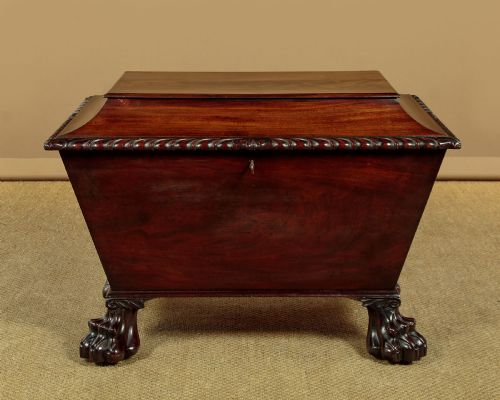
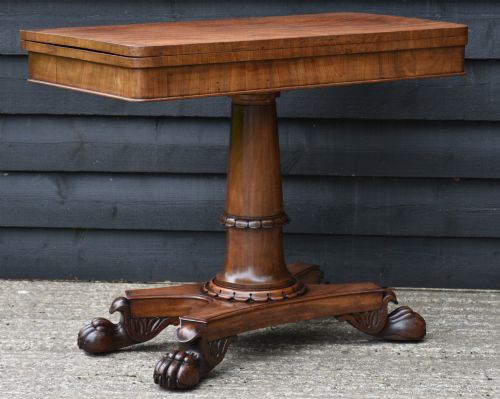
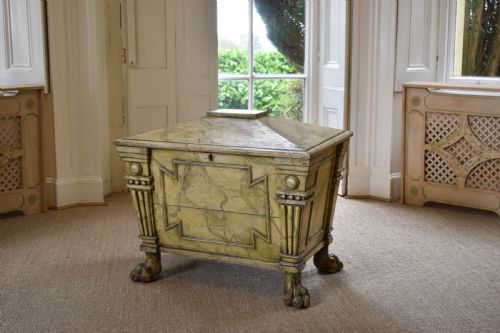
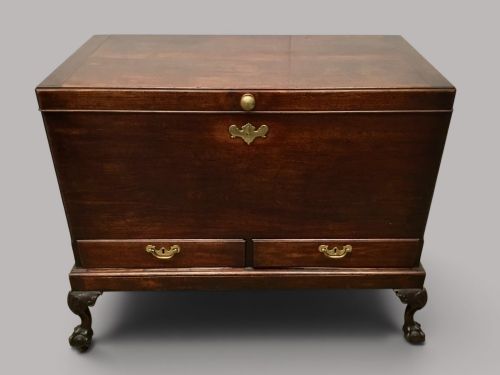
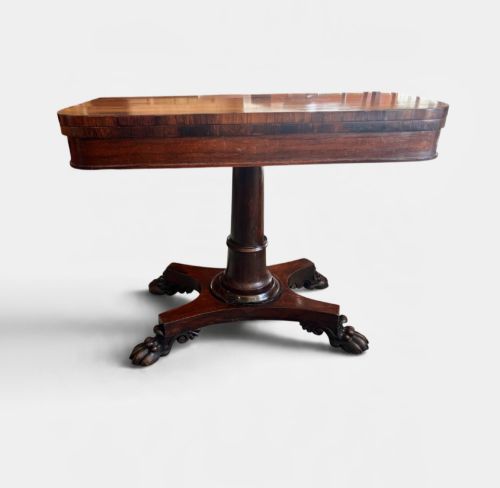
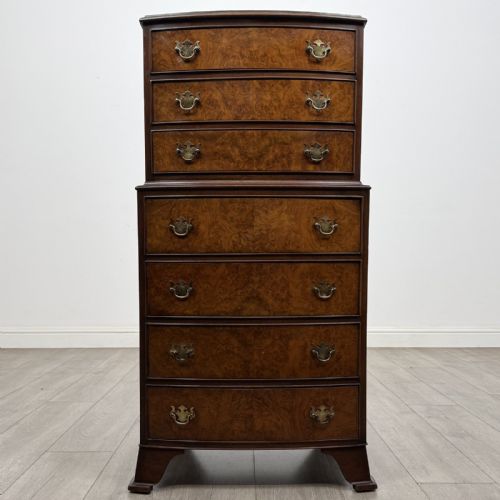
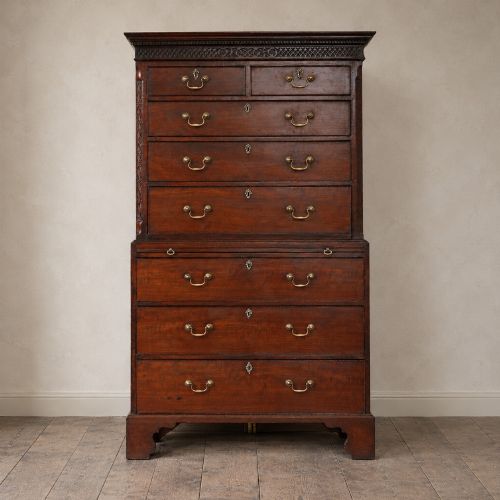
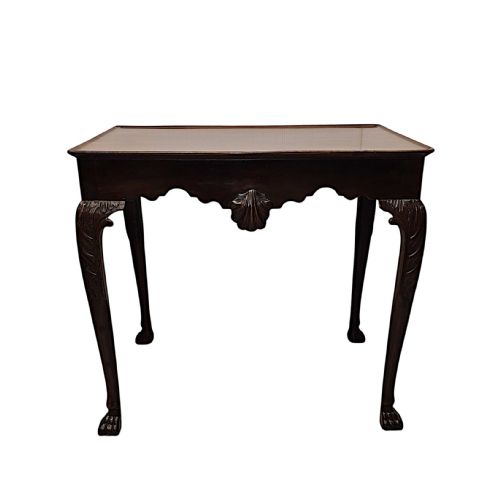
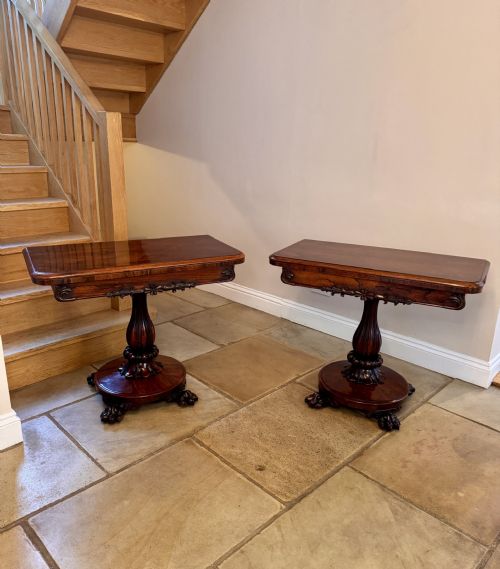
The versions most commonly met on this page appear on substantial mahogany dining tables, walnut chests and rosewood Pembroke or card tables from the Georgian and Regency periods. They range from the robust cabriole profiles with hoof terminals found on mid-eighteenth-century Irish furniture to the linear bracket and paw forms supporting Edwardian breakfront sideboards and Victorian commodes.
How they were made
Cabinetmakers shaped carved furniture feet directly from solid structural timber, selecting dense cabinet woods such as mahogany, oak, walnut and rosewood that could sustain intricate relief work without splitting. Artisans utilised sharp gouges and chisels to carve naturalistic motifs, including acanthus leaves and animal paws, ensuring the grain ran favourably along the load-bearing vertical axis.
Many elements were fashioned as integral extensions of the furniture leg or rail, while separate carved feet were securely pegged or doweled into the base frame. Surface finishes like traditional wax or polish were applied to unify the colour of the carved terminal with the broader timber body of the table or chest.
Carved Furniture Feet Retail Price Guide 2026
Typical asking prices for carved furniture feet among the pieces listed under this phrase on Sellingantiques today, from the lower quarter to the upper quarter. They describe what is for sale here now, not the wider market.
Materials span brass, mahogany, rosewood, walnut, burr walnut, oak, leather and ebony.
What varies in quality
The distinction between ordinary and exceptional carved furniture feet lies in the depth and crispness of the chisel work. Superior examples display sharp undercutting, confident symmetry and fluid organic lines that reveal a hand entirely comfortable with classical or regional ornament.
Material selection also dictates overall merit, as finer pieces utilise dense, highly figured hardwoods or exotic timbers like ebony and satinwood. Quality rests upon how harmoniously the carved terminal integrates with the architectural proportion of the furniture piece it supports.
Peters of Genoa·Ralph Turnbull·James Mein of Kelso·Gillows
The Carved Furniture Feet Glossary
- Cabriole
- A curved furniture leg that bends outward in a convex arc and tapers inward in a concave arc, terminating in a carved foot. This graceful form draws inspiration from animal limbs and gained prominence during the eighteenth century.
- Hoof foot
- A carved terminal shaped to resemble the foot of an animal such as a stag or goat. It frequently appears on mid-eighteenth-century Irish mahogany dining tables and brown furniture.
- Paw foot
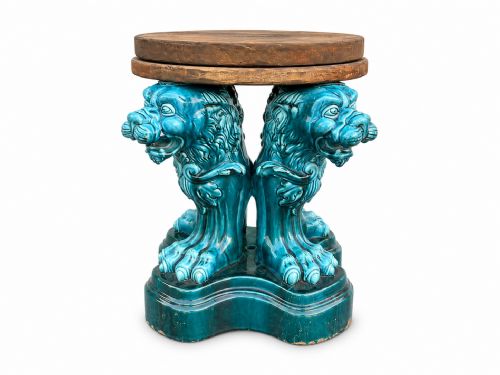
- A carved support mimicking the foot of a lion or bear, often adorned with fur texture or acanthus leaf transitions. This robust detail signals strength on large Regency and Edwardian case pieces.
- Bracket foot
- A structural corner foot composed of two mitred pieces of wood forming a simple L-shaped profile. It supports numerous eighteenth-century chests of drawers and desks.
- Acanthus
- A carved ornamental motif derived from the Mediterranean plant of the same name. Cabinetmakers utilised its stylized lobed leaves to enrich the knees and feet of classical furniture.
Carved Furniture Feet: Frequently Asked Questions
What periods do these pieces span?
The inventory encompasses items dating from the seventeenth century through the Victorian and Edwardian eras, capturing distinct stylistic shifts in British and European cabinetmaking.
You will find seventeenth-century oak and walnut pieces alongside grand Georgian dining furniture and mid-nineteenth-century rosewood tables.
Which timbers are most common?
Mahogany, walnut and rosewood dominate the listings, frequently accompanied by oak, satinwood and exotic veneers.
Cabinetmakers selected these dense hardwoods both for their structural integrity under heavy case pieces and for their ability to hold crisp carved detail.
How should I care for wooden feet?
Maintain these elements by applying traditional beeswax sparingly and buffing with a soft cloth to preserve the finish.
Avoid modern liquid silicone polishes and protect the wooden terminals from damp floors or direct heat sources.
Are these pieces strictly British?
While many items reflect English Georgian and Regency design, the listings also include Irish, Dutch, Italian, Swedish and Chinese export furniture.
Each regional school introduces unique material choices and characteristic regional interpretations of classical carving styles.