


Carved French Chairs
Carved french chairs bring historical seating into modern interiors through ornate woodwork, exposed frames and period upholstery.
Carved French Chairs
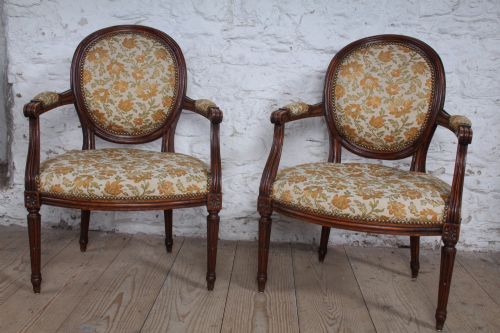
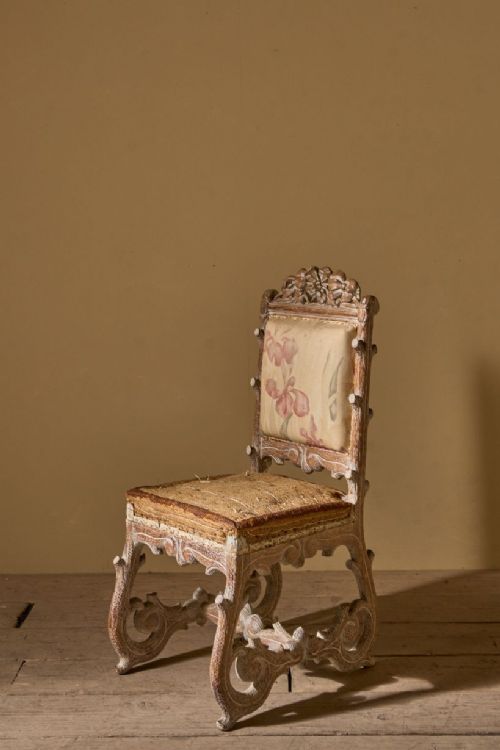
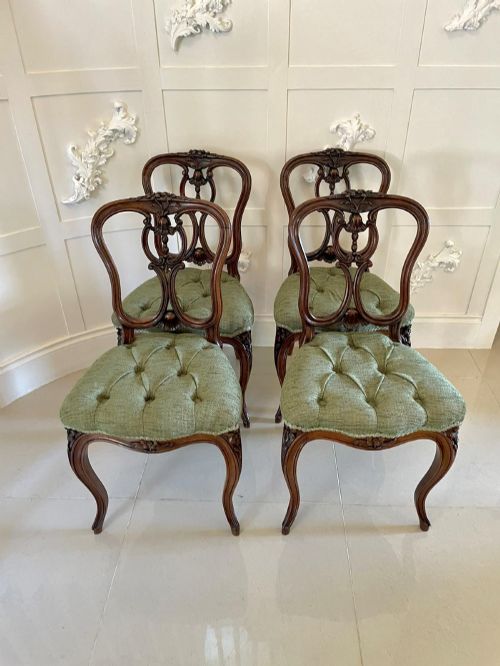
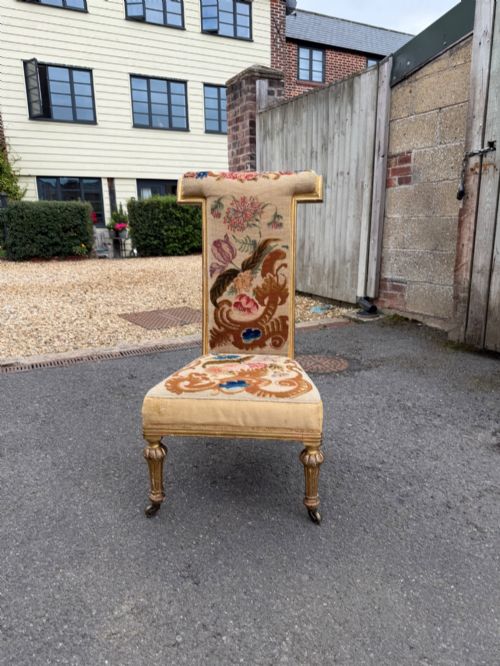
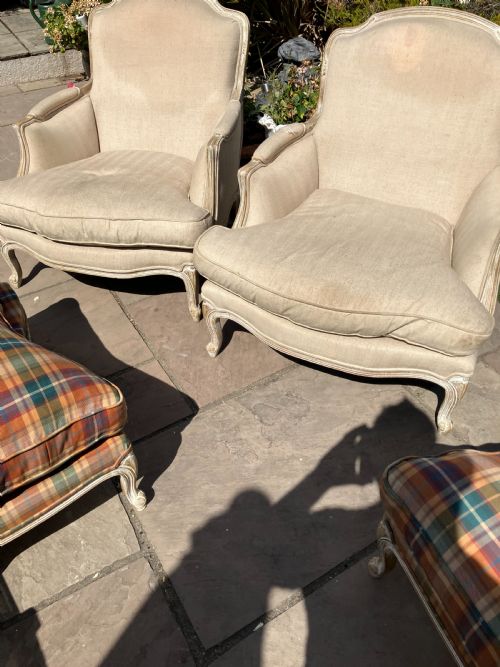
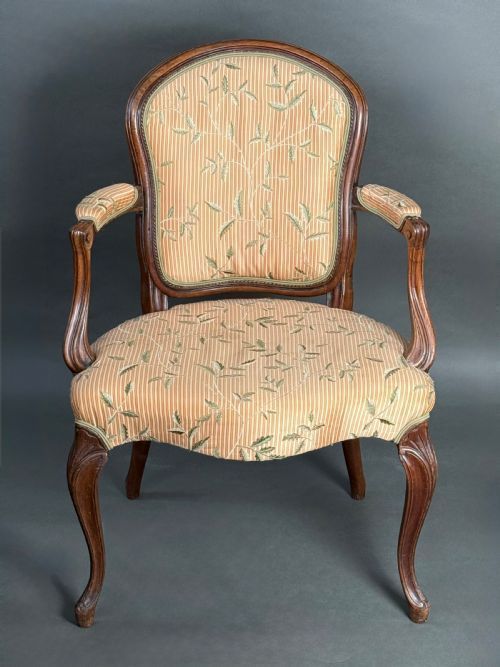
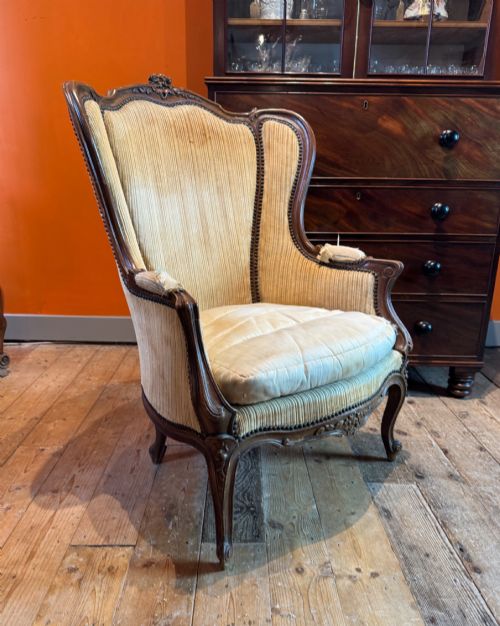
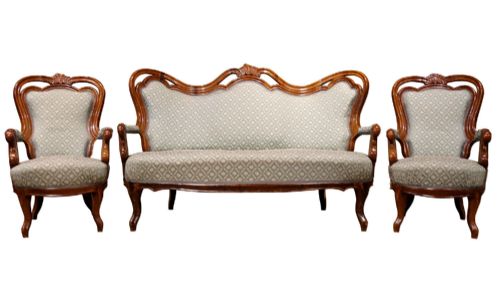
Carved french chairs encompass seating forms from dining chairs and armchairs to salon suites and chaise longues, originating across the eighteenth and nineteenth centuries. Buyers searching for carved french chairs encounter walnut and giltwood frames reflecting the Louis XV, Louis XVI and Rococo revival styles.
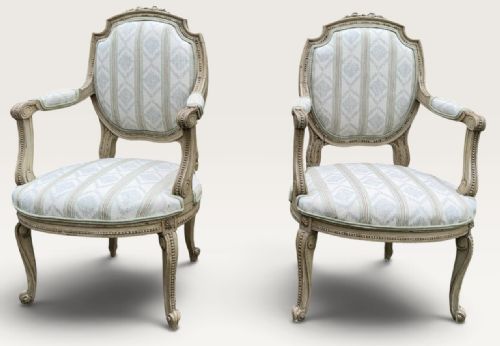
The selection ranges from provincial walnut armchairs to grand giltwood bergères and painted salon chairs. Nineteenth-century interpretations of earlier court aesthetics dominate the available range alongside provincial walnut and oak examples.
How They Were Made
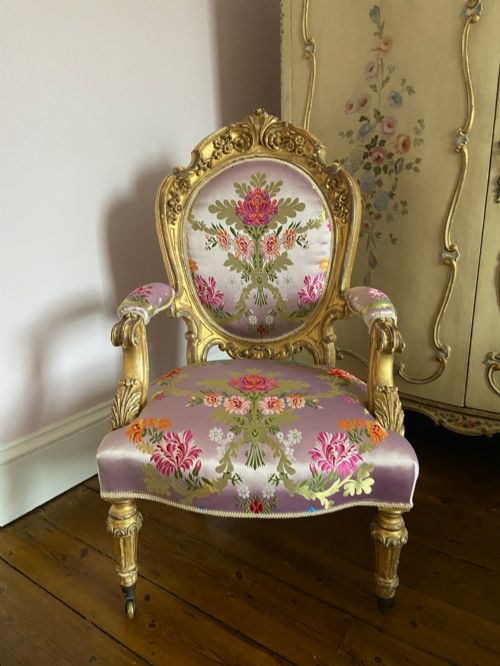
Frames rely predominantly on solid walnut, beech and oak, carved directly into organic motifs, scrollwork and channelled borders. Giltwood surfaces combine applied gold leaf over gesso grounds, while painted finishes utilise original or layered pigments on wood.
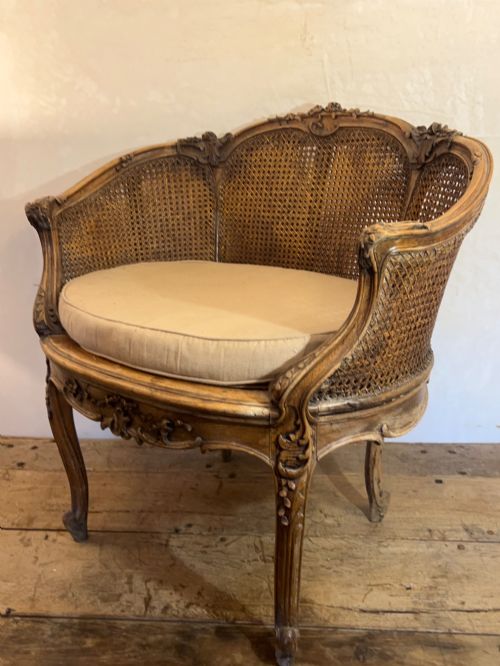
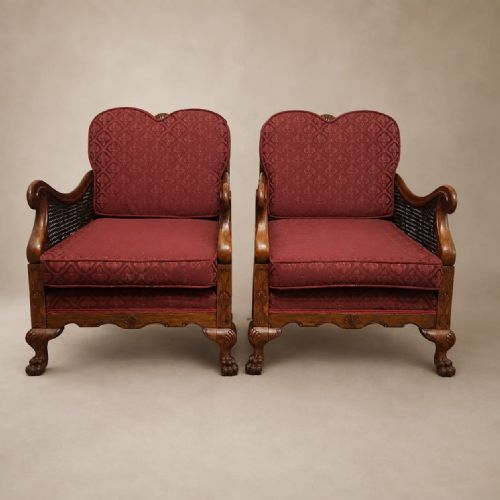
Upholstery relies on traditional stuffing secured over webbing, finished with textiles including silk, velvet, linen, tapestry and needlework. Split cane panels also appear within backrests and seats on specific light frames.
Listings feature walnut, giltwood, beech, oak and brass alongside textiles such as silk, velvet, linen and tapestry.
What Varies in Quality
Execution of the woodwork separates standard production from superior pieces, determined by the depth, crispness and hand-carved precision of the foliage and moulding. Frames that retain original gilding or authentic period paint surfaces command greater consideration.
The integrity of the structural joinery and the survival of period textiles, such as Aubusson tapestry or period silk, influence the standing of an individual chair or matching set.
Jacob-Desmalter
The Carved French Chairs Glossary
- Bergère
- An enclosed upholstered armchair with solid wooden sides and a loose seat cushion. This form gained popularity during the eighteenth century.
- Fauteuil
- An open-framed armchair with upholstered back and armrests, exposing wooden arm supports and legs. This form originated in French court seating.
- Cabriole leg
- A furniture leg that curves outward in a convex arc and tapers inward in a concave arc, ending in a pad or scroll foot. This shape derives from animal limbs.
- Giltwood
- Timber coated with a thin layer of gold leaf. Craftsmen apply this finish over a prepared gesso ground.
- Rococo
- An artistic style characterised by asymmetry, scrollwork and organic shell motifs. This aesthetic dominated mid-eighteenth-century design.
Carved French Chairs: Frequently Asked Questions
How do I identify Louis XV and Louis XVI styles?
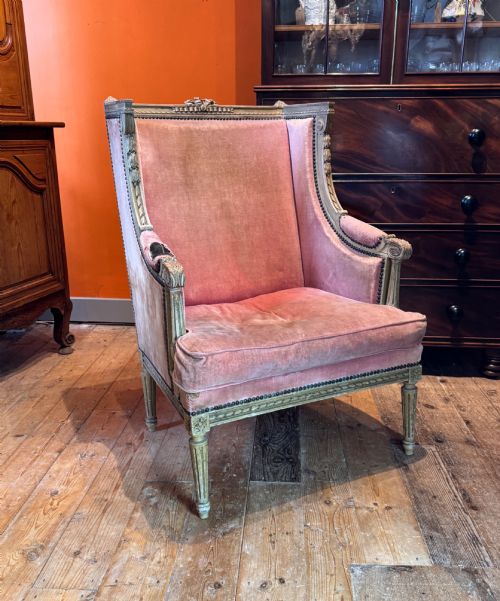
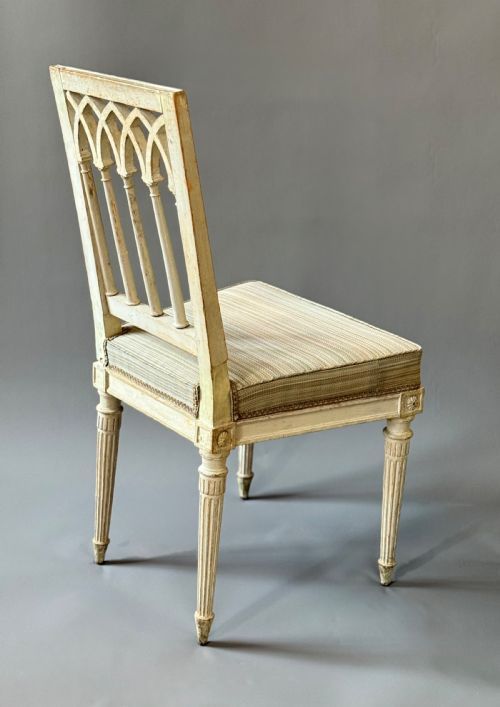
Louis XV pieces exhibit asymmetrical curves, cabriole legs and flowing floral carvings without straight lines. Louis XVI designs introduce geometric symmetry, fluted straight legs and oval or shield-shaped backs.
Studding the overall silhouette helps separate the exuberant curves of the mid-eighteenth-century rococo phase from the neoclassical restraint of the later period.
Are these chairs suitable for daily seating?
Historic frames provide sturdy support, though nineteenth-century and eighteenth-century joints benefit from professional inspection before heavy daily use. Many examples retain traditional webbing and stuffing that offer firm support.
Placing them in low-traffic areas or utilising them as accent seating preserves fragile antique textiles and delicate giltwood surfaces.
What is the difference between an armchair and a bergere?
Standard armchairs feature open wooden sides between the armrest and the seat rail. Bergères enclose the sides completely with upholstered padding framed in exposed wood.
This enclosed construction gives bergères a heavier silhouette and a more insulated seat than open-frame counterparts.
How should I care for antique giltwood frames?
Giltwood requires dusting with a dry, soft brush and protection from direct sunlight and moisture. Avoid liquid cleaners or chemical polishes that strip gold leaf.
Maintaining stable indoor humidity prevents the underlying gesso and wood from cracking or lifting the metallic leaf.