


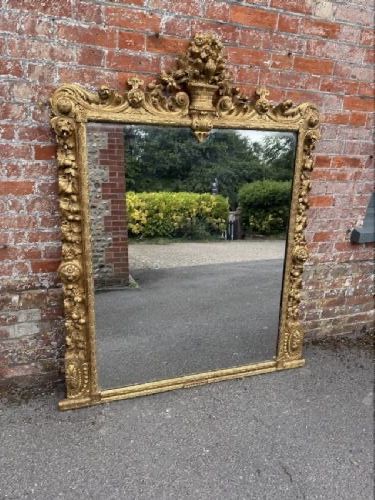
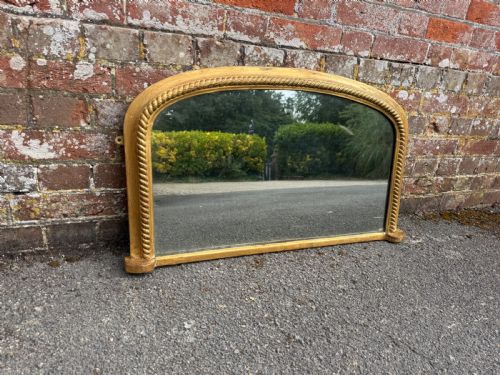
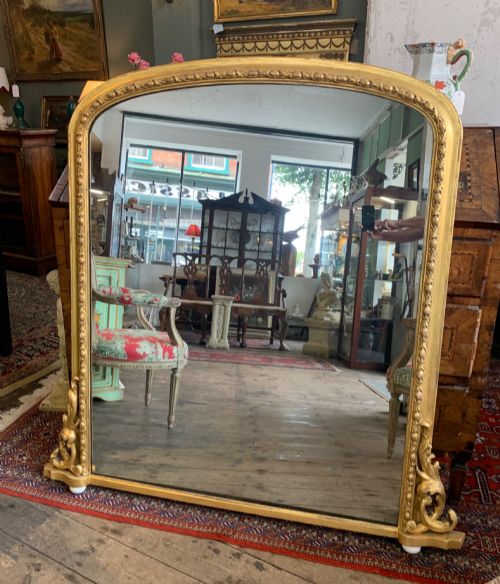
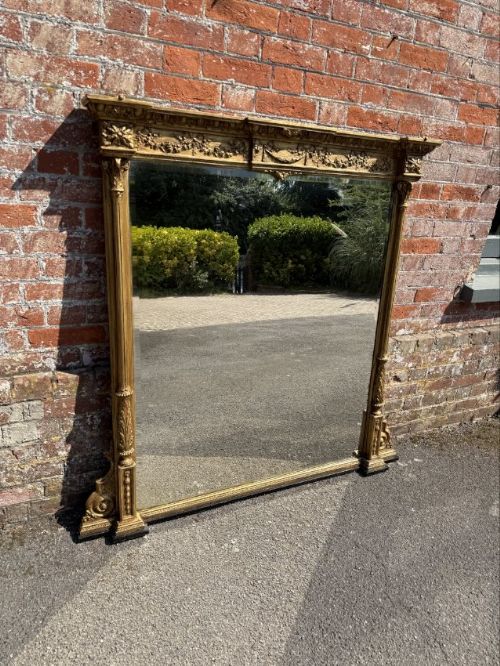

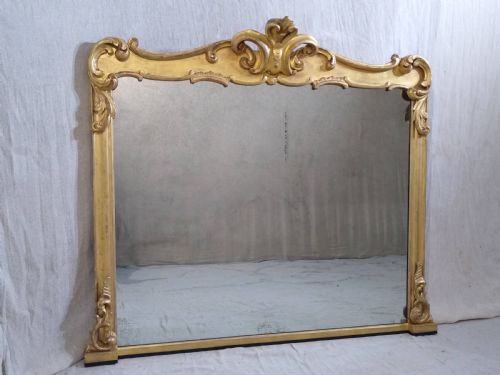
Carved Fireplace Frame
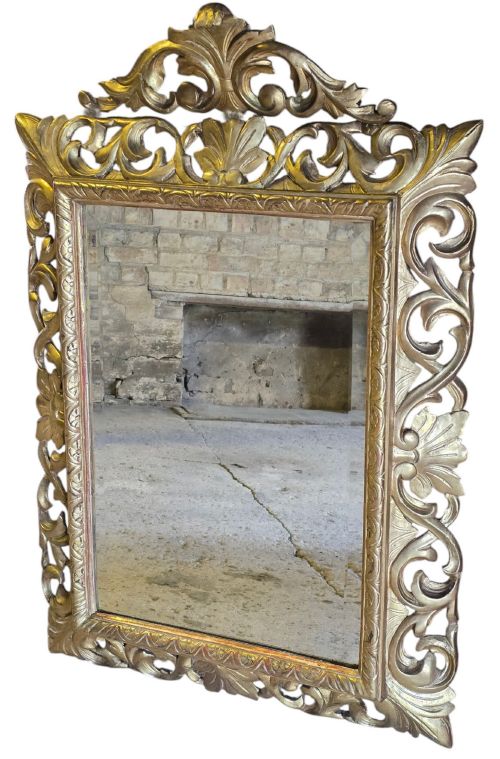
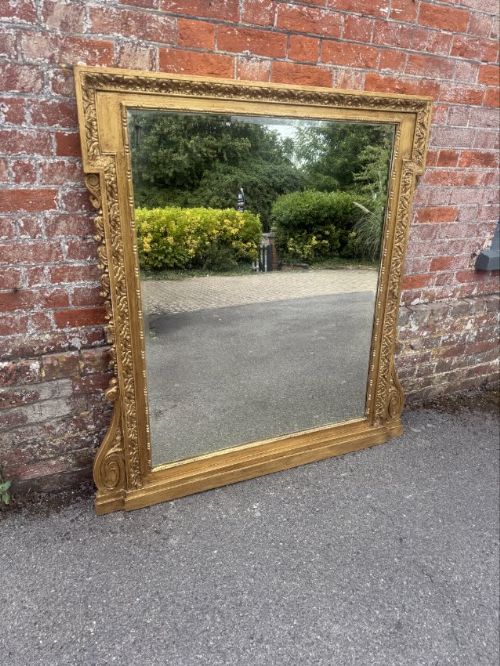
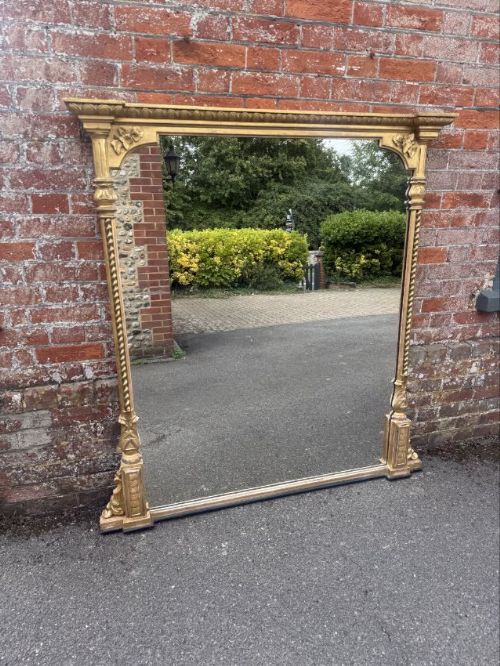
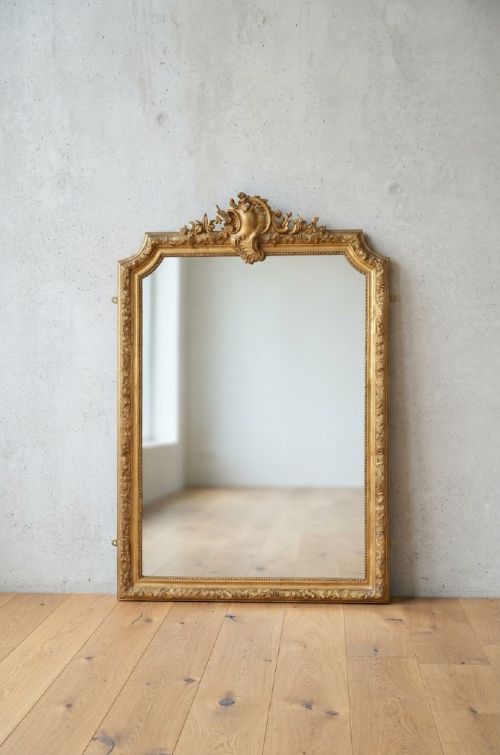
These carved fireplace frame listings present large 19th Century overmantel mirrors and fire surrounds that anchor a room with period proportion.
Carved Fireplace Frame
When you search for a carved fireplace frame, you encounter large overmantel mirrors and architectural fire surrounds designed to sit above a hearth. The selection spans the Victorian, Edwardian, and Regency periods, with a strong prevalence of large overmantel mirrors fitted with glass plates.
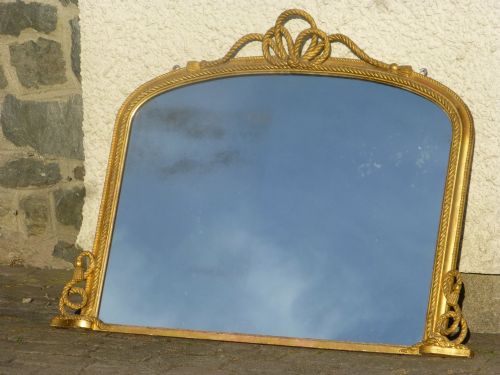
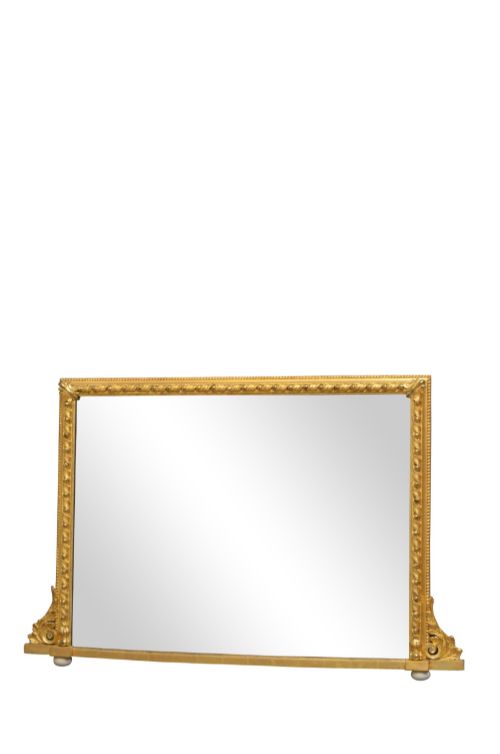
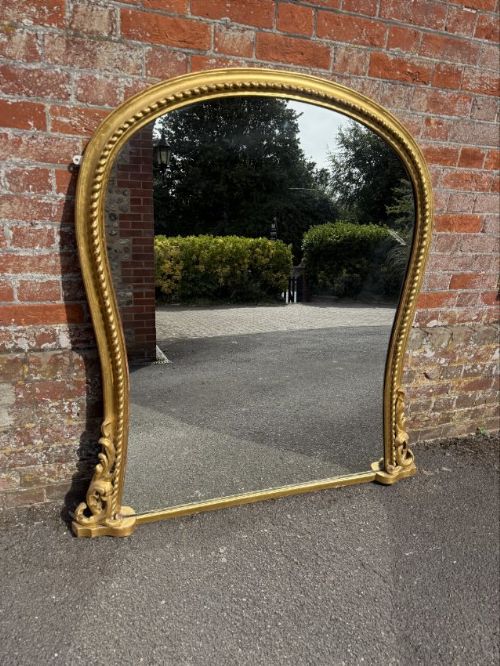
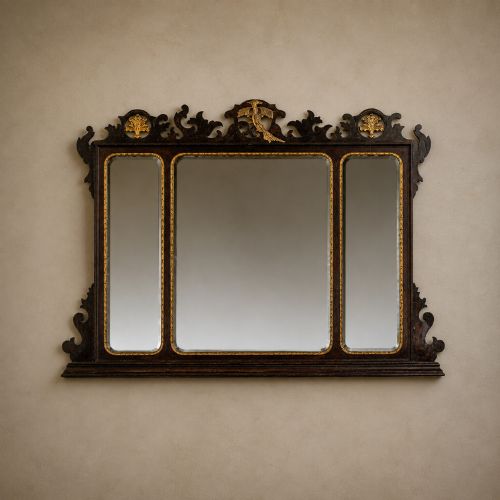
The objects take several distinct shapes, including arched top formats, triptychs, and rectangular wall-hanging frames. Many pieces are designed specifically to integrate with the chimney breast, matching the scale of period mantelpieces.
Originating largely from English and French workshops, these pieces incorporate styles ranging from Rococo Revival and Florentine to Chinese Chippendale. The forms function simultaneously as architectural surrounds and reflective wall pieces.
Materials and Construction
The frames are constructed primarily from carved wood, pine, oak, mahogany, and walnut, often built with underlying structural joinery before surface decoration is applied. Carved gesso and composition mouldings are layered onto the timber base to create intricate relief details such as rope twists, columns, and floral motifs.
Gilding techniques involve applying gold leaf or liquid gold finish over the gesso ground, creating the reflective metallic surfaces characteristic of the giltwood pieces. Alternative finishes include painted and parcel-gilt treatments, rosewood with marquetry inlay, and granite inserts fitted to Edwardian surrounds.
Mirror glass plates are set within the rebated timber frames, occasionally retaining original foxed glass that shows age through oxidation. Crestings such as Ho-Ho birds are carved separately and pinned to the top of mahogany Chippendale revival frameworks.
Materials documented across the inventory include giltwood, composition, pine, mahogany, oak, walnut, and mirror glass.
Assessing Quality
Quality in a carved fireplace frame rests on the depth and crispness of the hand-carved detail in the wood and gesso. Sharp relief work and well-defined rope twists or tulip motifs separate superior artisan production from simpler moulded alternatives.
The integrity of the gilding and the preservation of the original surface finish dictate the visual strength of the piece. Hand-applied gold leaf ages differently than later overpaints, and surviving original glass plates add historical depth to mirror frames.
Proportion and scale play a role in the execution, where balanced architectural elements like columns and arched tops demonstrate the maker's adherence to classical design principles.
The Carved Fireplace Frame Glossary
- Overmantel mirror
- A large mirror specifically proportioned to hang on the wall directly above a fireplace mantelpiece. These pieces often feature arched tops to follow the curve of chimney breasts.
- Gesso
- A plaster-like mixture applied to wood frames and carved into relief ornamentation before gilding. It provides a smooth base for gold leaf application.
- Giltwood
- Timber that has been coated in gold leaf or gilded finish. It was widely used on 19th Century decorative frames to catch candlelight and natural daylight.
- Parcel-gilt
- A finish where only specific carved portions of a painted or stained wooden surface are highlighted with gold leaf. This technique creates contrast between the base timber and the gilded ornaments.
- Rope twist
- A carved decorative moulding resembling twisted rope threads. It appears frequently along the inner or outer borders of Victorian mirror frames.
- Foxed glass
- Mirror glass that displays dark spots, discoloration, and oxidation due to age. Collectors value this characteristic as proof of original 19th Century manufacture.
Carved Fireplace Frame: Frequently Asked Questions
Where should an overmantel mirror be placed?
These frames are built to be mounted directly on the wall above a fireplace mantel, where their horizontal or vertical proportions balance the hearth below.
They can also be hung on large living room walls independently of a fireplace to function as statement wall mirrors.
How do I identify a Victorian mirror?
Victorian pieces often combine carved wood and gesso with heavy gilding, featuring arched tops, column sides, or rope twist borders. They typically display substantial scale and deep decorative relief.
Examination of the backboards, fixings, and glass plate composition helps confirm the 19th Century origin.
What is an Edwardian fire surround?
Edwardian surrounds are architectural frames made from woods like oak and rosewood, sometimes incorporating stone elements such as granite tops. They reflect early 20th Century tastes which favoured cleaner lines alongside revival styles.
These frames sit directly on the floor around the fireplace opening rather than hanging on the wall.
Can these mirrors be hung without a fireplace?
Yes, many overmantel mirrors are used as general wall mirrors in hallways or reception rooms. Their large dimensions and decorative frames make them effective focal points in rooms with high ceilings.