


Architectural Salvage Mantel
An architectural salvage mantel anchors a room with genuine period weight, offering carved timber, marble and stone recovered from historic interiors.
Architectural Salvage Mantel
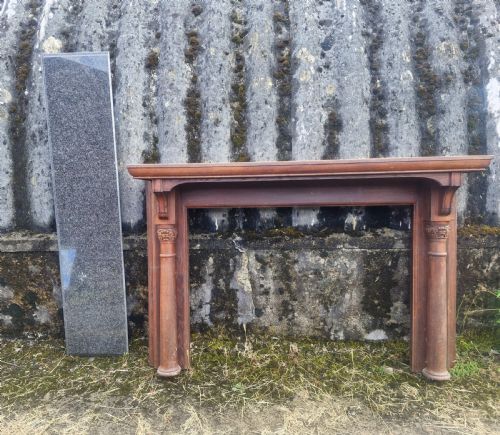
When you search for an architectural salvage mantel, you are looking at substantial fireplace surrounds, fire surrounds, and architectural elements rescued from period buildings. These pieces serve as the focal point of a room, bringing historical character and solid construction into modern spaces.
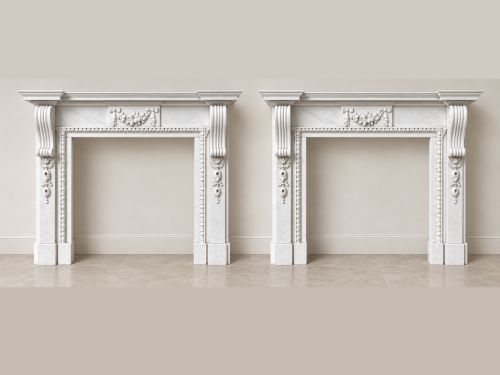
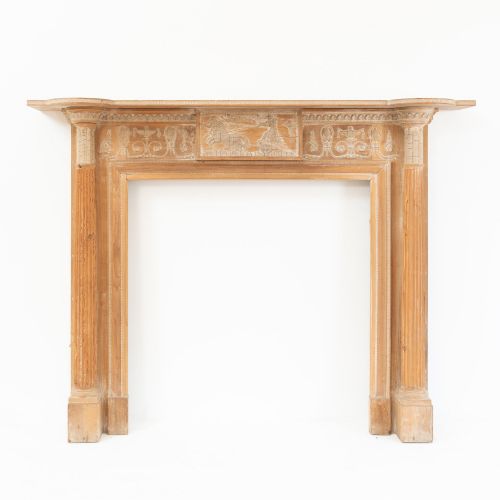
On this page, the most common forms you will meet are timber surrounds in oak or pine, alongside grand examples carved from white marble. They span periods from the Georgian era through Victorian Gothic and Edwardian Neoclassical designs up to Art Deco pieces from the 1930s.
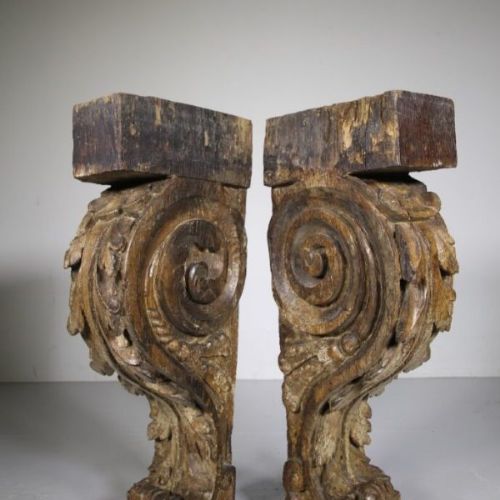
The selection also includes associated architectural fragments such as carved corbels, ornamental crowns, and fireplace dies. Each item retains the distinct material presence and decorative language of its original period of manufacture.
Materials and construction methods
These items were constructed using durable timbers like oak and pine, alongside natural hard materials including white marble and granite. Wood surrounds feature hand-carved details, whilst stone and marble pieces showcase precision masonry and polished surfaces.
Specialist elements incorporate secondary materials such as glass, mirror, composition stone, and plaster to achieve specific decorative effects. Joinery and carving techniques reflect the prevailing style of each era, from Gothic revival depth to clean Art Deco geometry.
Henry VIII maintains a watchful eye over the collection through an armorial coat of arms dated circa 1400.
Distinctions in craftsmanship and design
The distinction between standard examples and superior pieces lies in the depth and crispness of the carving. Master carvers achieved intricate relief work on marble and timber that lesser hands rendered flat or formulaic.
Material selection dictates overall presence, with dense white statuary marble and well-figured oak commanding greater visual weight than softer pine or simpler plaster details. The architectural ambition of the design itself, from restrained Georgian proportions to elaborate Victorian Gothic massing, determines the piece's authority.
The Architectural Salvage Mantel Glossary
- Corbel
- A structural bracket projecting from a wall to support a weight above. In fireplace surrounds, they often support the mantel shelf.
- Fire surround
- The decorative framing around a fireplace opening, comprising jambs and a lintel. It forms the main visual boundary of the hearth.
- Composition stone
- A moulded material used as an alternative to carved stone or wood. It allowed makers to produce ornate decorative details efficiently.
- Armorial
- A design featuring heraldic coats of arms. These are found on significant early fireplace installations to display lineage.
- Statuary marble
- A fine-grained white marble favored for classical sculpture and high-status fireplace surrounds. It takes a smooth, refined polish.
Architectural Salvage Mantel: Frequently Asked Questions
How do I choose the right size?
Measure your hearth opening and the available wall space before browsing. The surround must proportion correctly with the room height and the chimney breast.
Consider the projection of the mantel shelf into the room and ensure clearances comply with modern heating regulations if you intend to use a functional fire.
Can I install these with a modern fire?
Many historic surrounds accommodate modern inserts or stoves with appropriate hearth adjustments. You must check internal dimensions carefully.
Consult a qualified fitter regarding heat tolerances, particularly when combining older timber surrounds with high-output modern heat sources.
How do I clean marble and timber?
Dust timber regularly with a dry cloth and feed dry oak or pine with appropriate wax sparingly. Avoid silicon-based polishes that build up over time.
Wash marble gently with warm water and a neutral soap, avoiding acidic cleaners that etch the polished surface.
How do I tell Victorian from Georgian?
Georgian surrounds favor symmetrical classical proportions, often featuring delicate urns, swags, and simple bolection mouldings. They draw heavily on Palladian architecture.
Victorian designs encompass heavier gothic influences, robust corbels, and eclectic historical revivals reflecting industrial-era manufacturing capabilities.