


Carved Elm Wood Chairs
Carved elm wood chairs bring together the robust charm of English country workshops and the refined craftsmanship of nineteenth-century Chinese cabinetmakers.
Carved Elm Wood Chairs
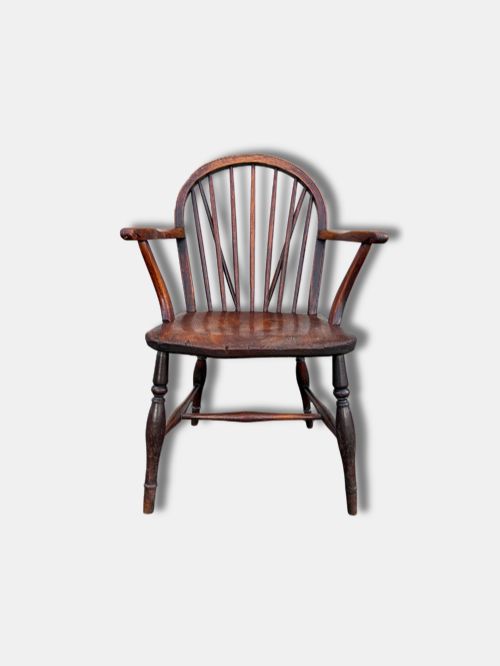
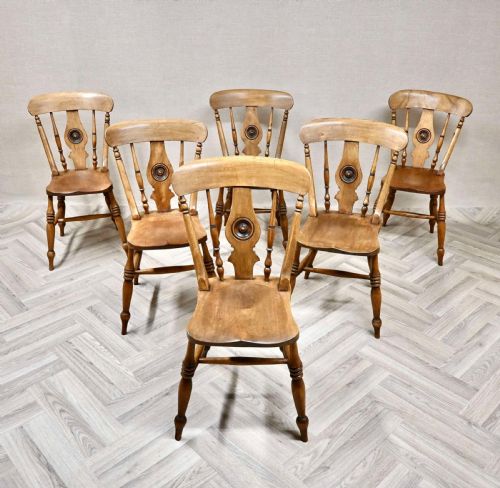
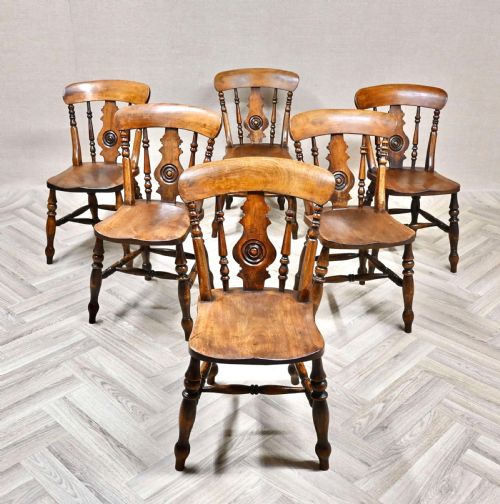
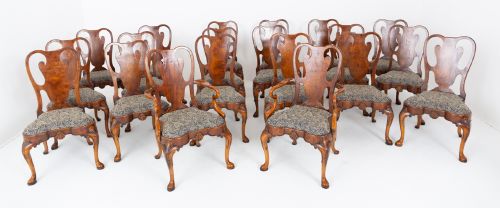
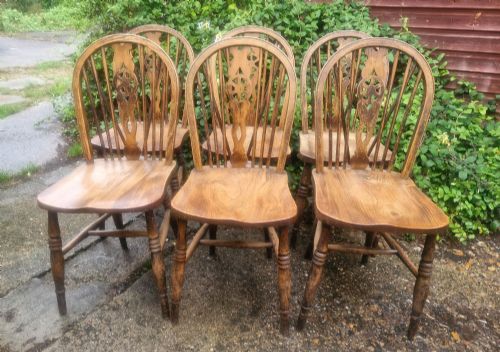
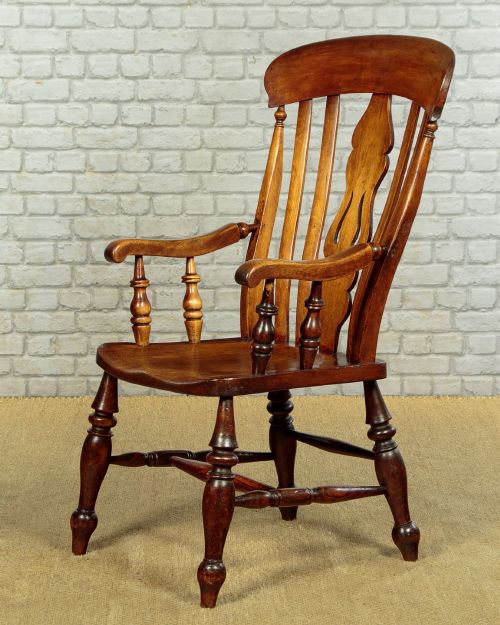
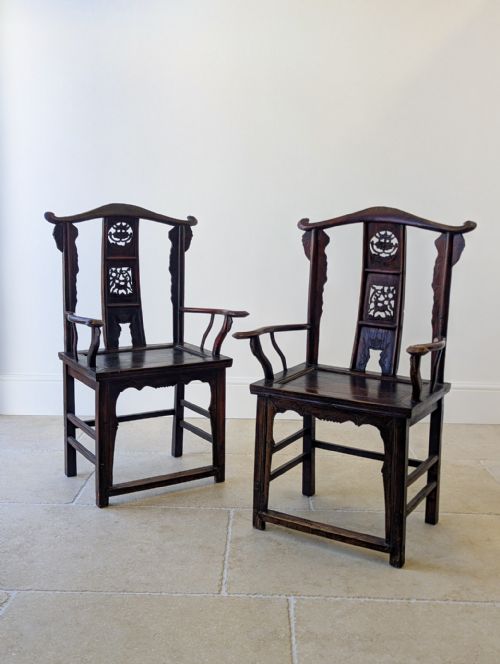
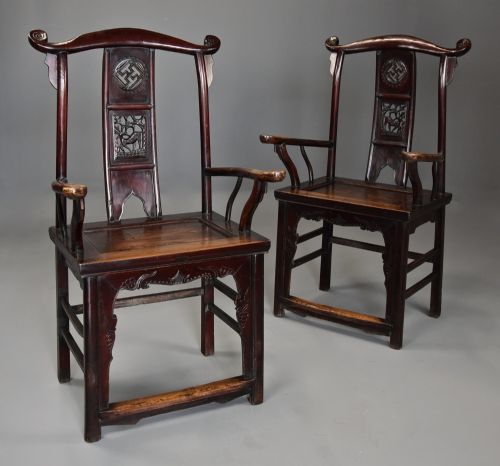
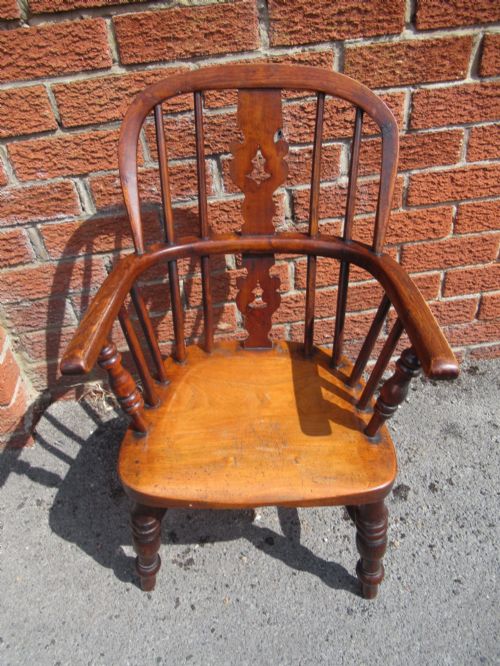
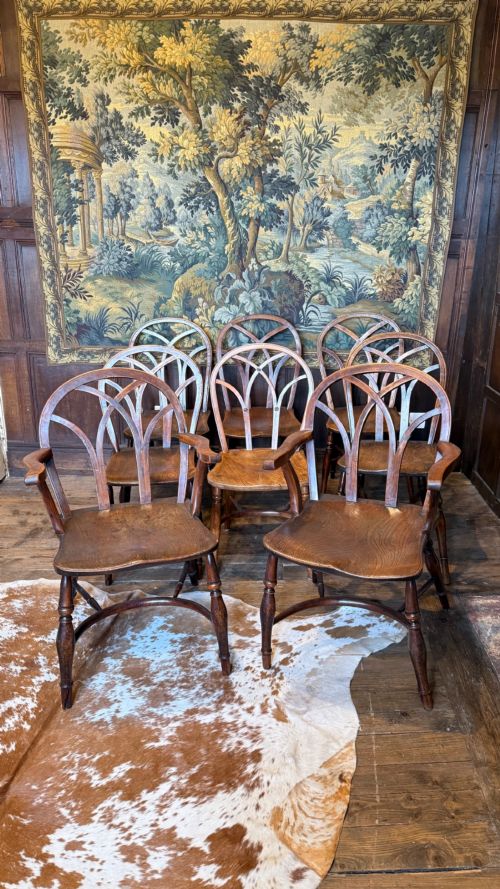
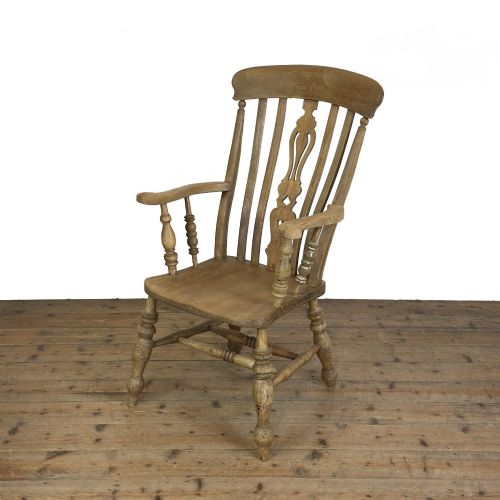
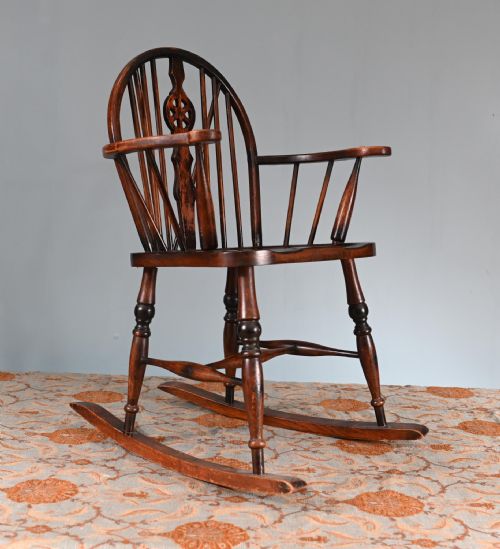
When you search for carved elm wood chairs, you encounter a diverse mix of vernacular forms ranging from English Windsor kitchen seating to Chinese yoke-back armchairs. The most common varieties on this page are nineteenth-century Windsor chairs and traditional farmhouse seating, alongside distinctive Qing Dynasty examples.
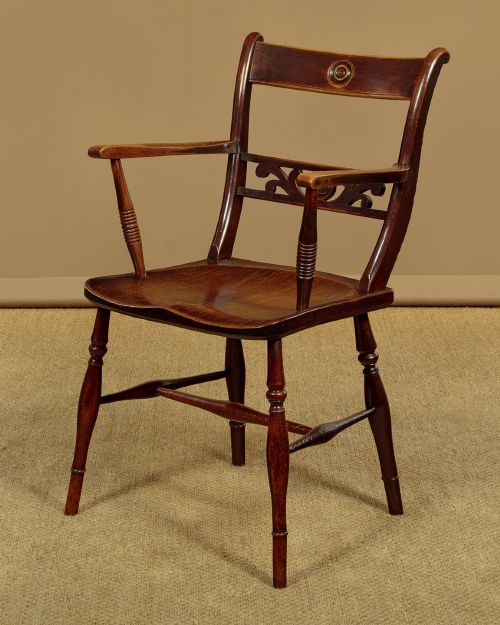
The selection spans armchairs, dining sets, rocking chairs, and desk chairs, crossing periods from the Georgian era through the Victorian period and into the 1930s. Regional British types, such as Thames Valley and East Anglian dish seat armchairs, sit alongside lacquered and blonde wood Asian forms.
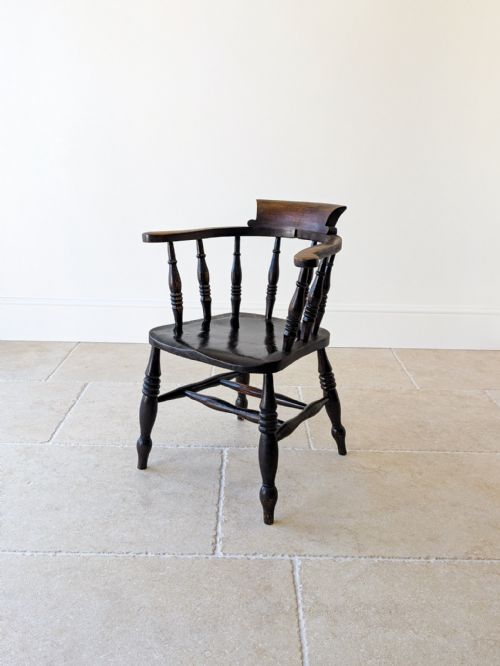
These pieces served practical domestic and commercial roles, from kitchen tables to writing desks and smokers' bows. Their survival demonstrates the enduring utility of robust timber framing shaped for daily use.
Materials and construction methods
Elm forms the primary material for seats, valued for its interlocking grain that resists splitting when shaped into solid saddles. Makers combined elm seats with ash, beech, yew, fruitwood, and oak for spindles, legs, and bentwood bows to utilise the specific properties of each timber.
Traditional construction relies on wedged through-tennised joints and steam-bent components, creating rigid frameworks without metal fasteners. Chinese pieces utilise precise mortise and tenon joinery, occasionally finished with original red lacquer or surface carving.
Current listings feature nineteenth-century English vernacular forms alongside Qing Dynasty Chinese armchairs in elm, yew, ash, and lacquer.
Assessing quality and character
Quality rests in the integrity of the timber selection and the retention of original surface patination. Examples retaining honest wear and untouched finishes command greater interest than those stripped or over-restored.
Structural harmony defines the better specimens, where turned spindles, comb backs, and wheel backs maintain balanced proportions. Subtle details like thick saddle seats, well-sculpted arm terminals, and crisp carving elevate individual chairs above standard utilitarian output.
The Carved Elm Wood Chairs Glossary
- Windsor chair
- A chair built with a solid wooden seat into which the legs and back spindles are separately inserted. This construction method provides notable strength and structural stability.
- Yoke-back armchair
- A traditional Chinese chair style featuring a top rail shaped like an ox yoke, curving comfortably for the user. These pieces often display refined joinery and carved accents.
- Smokers bow
- A low-backed Windsor armchair featuring a continuous curved arm rail supported by turned spindles. They were common in nineteenth-century public houses and domestic parlours.
- Dish seat
- A wooden chair seat hollowed out into a shallow basin shape for comfort. This technique requires skilled adzing by the maker.
- Patina
- The surface sheen and colour developed by wood over decades of handling, light exposure, and polishing. Original patination is a key indicator of authenticity and age.
Carved Elm Wood Chairs: Frequently Asked Questions
How do I date a Windsor chair?
Dating relies on examining construction clues such as tool marks, leg placement, and the thickness of the elm seat. Earlier examples often feature broader proportions and specific regional turning styles.
Changes in wood combinations, such as the transition from ash to beech for spindles, also help narrow down the period of manufacture.
Are these chairs suitable for daily dining?
Most of these pieces were built for rigorous everyday use in kitchens and farmhouses, making them remarkably sturdy. Solid elm seats and pegged joints provide the durability required for modern dining.
Checking the structural stability of the legs and arm joints ensures they remain fit for routine seating.
What is the difference between English and Chinese elm chairs?
English elm chairs typically follow vernacular Windsor traditions with turned underframes, spindle backs, and solid saddle seats. They reflect rural domestic life and regional woodworking trades.
Chinese elm chairs, such as yoke-back or lamp hanger forms, showcase formal cabinetmaking traditions with exposed joinery, lacquer finishes, and carved structural members.
How should I care for antique elm wood?
Maintain elm chairs by keeping them away from direct heat sources and rapid humidity changes, which can cause timber to split. Apply a microcrystalline wax occasionally to protect the surface and nourish the grain.
Avoid harsh chemical cleaners that strip the historic patination accumulated over generations.