
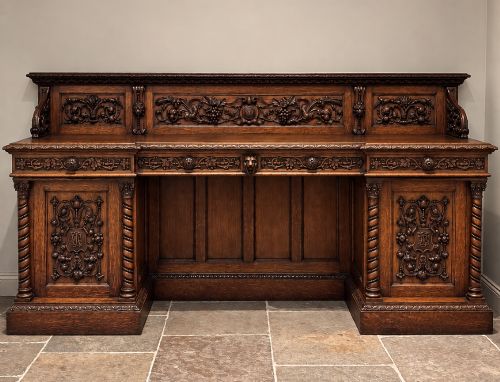


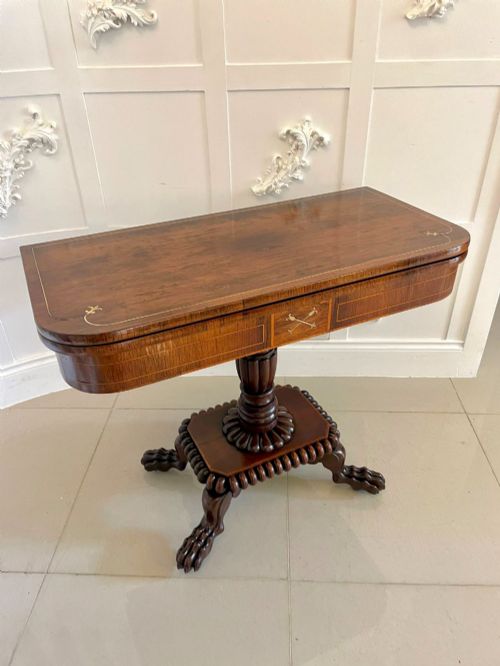
Carved Dark Wood Pedestal
These pieces known as carved dark wood pedestal examples provide sturdy elevated support for display, emerging mainly in Victorian and Edwardian periods.
Carved Dark Wood Pedestal
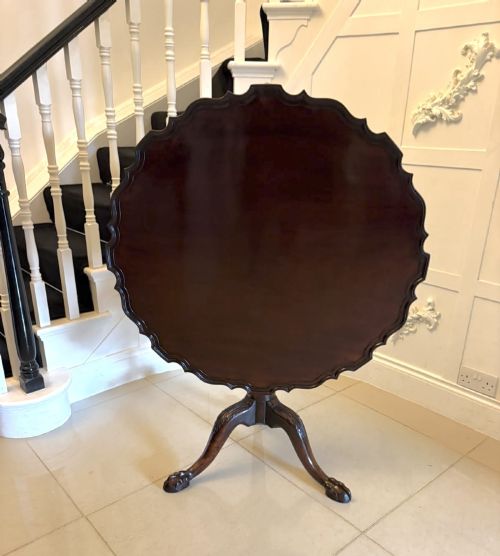
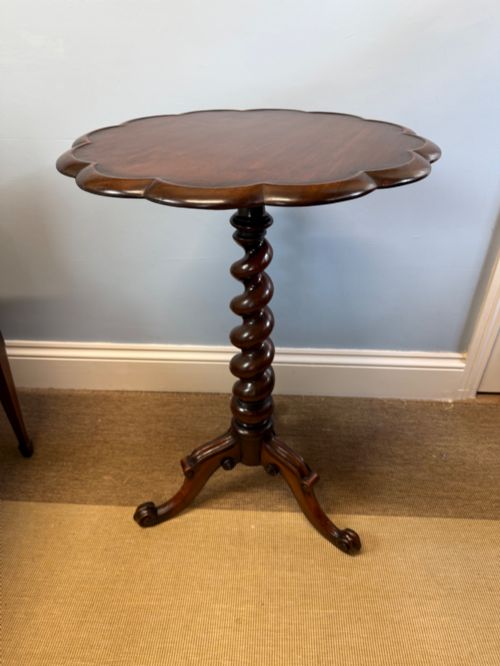
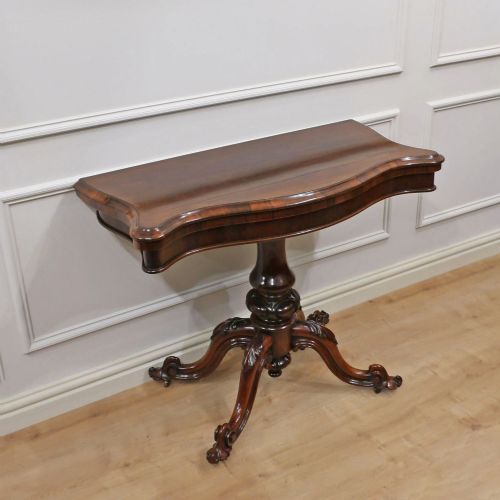
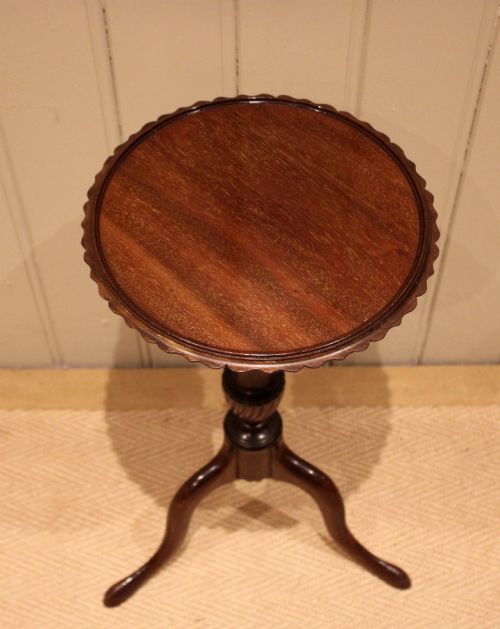
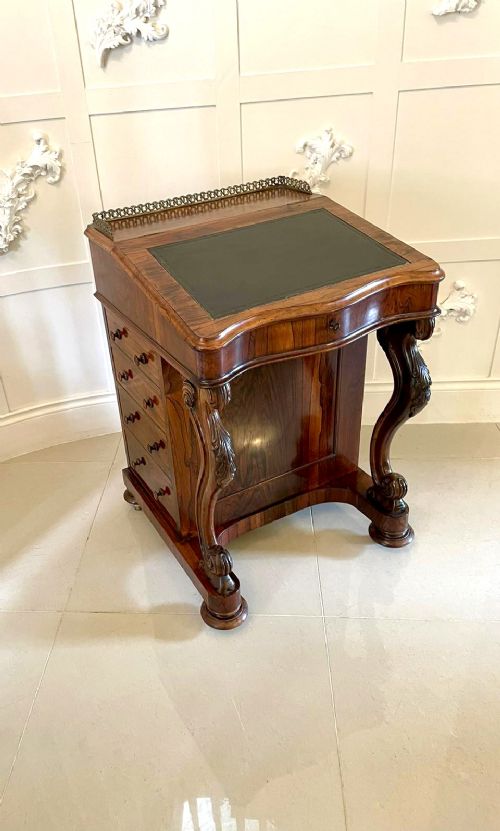
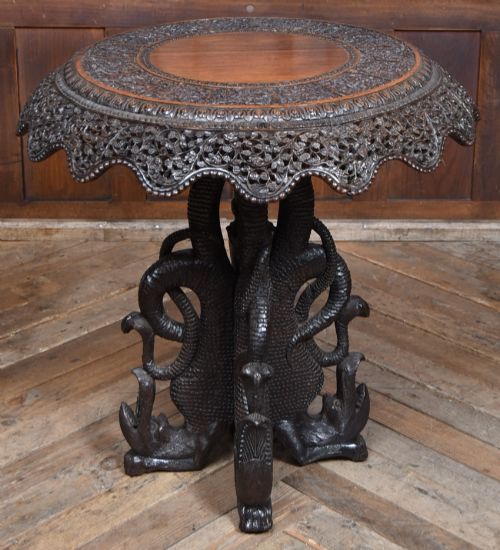
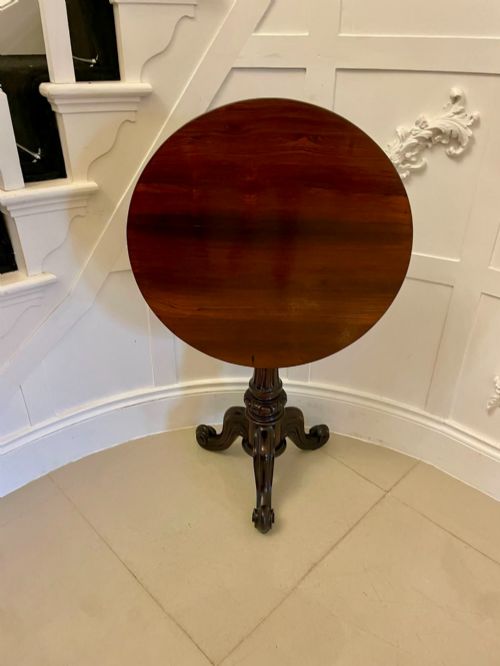
The versions met most frequently on this page originate from the nineteenth century, spanning Victorian, Edwardian, and Regency eras. They typically take the form of tripod tables, column pedestals, and torchieres with carved details.
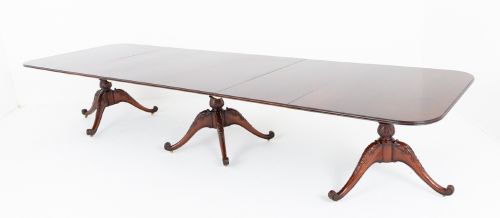
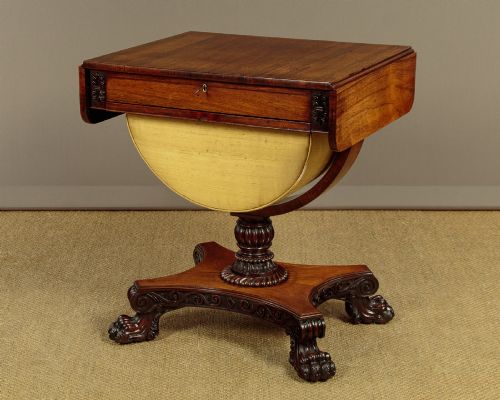
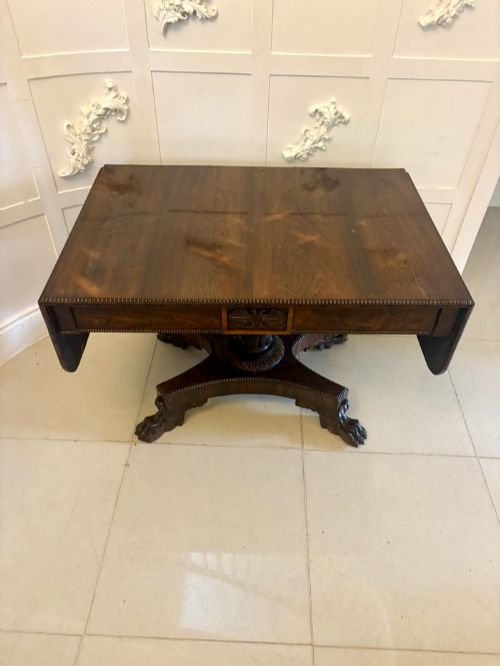
Makers utilised various object types alongside dedicated pedestals, including occasional tables, plant stands, and dining tables featuring central pedestals. The selection reflects diverse global influences, from English workshops to Anglo-Indian and Italian iterations.
What varies in quality
The distinction between standard items and superior examples lies in the depth and crispness of the hand carving on the pedestal shaft and base. Sharp detailing in foliage or figural work indicates skilled workmanship.
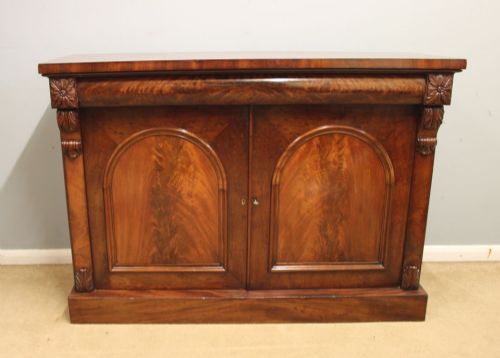
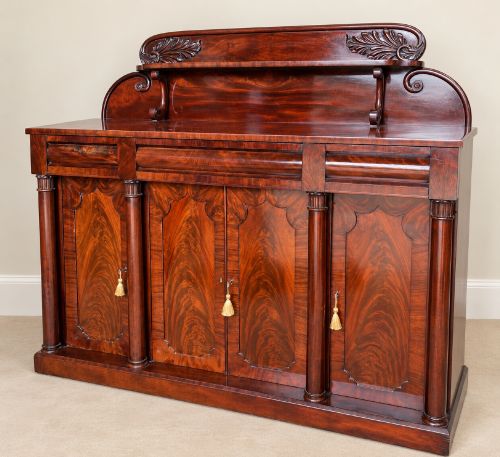
Timber selection and stability also dictate worth, as dense grain figures in rosewood or mahogany paired with solid triform or tripod bases ensure longevity and balanced weight distribution.
Listings feature mahogany, rosewood, walnut, and oak across Victorian, Edwardian, and Regency periods.
Gillows
The Carved Dark Wood Pedestal Glossary
- Torchiere
- A tall stand or pedestal designed specifically to hold a lamp or candle. These pieces typically feature a slender column and a stable base.
- Tripod base
- A three-legged support structure commonly found beneath pedestals and occasional tables. This design ensures stability on uneven floor surfaces.
- Triform base
- A three-sided platform base often resting on bun or paw feet. It provides substantial weight at the lower section of a pillar or table.
- Tilt-top
- A mechanism allowing the tabletop to pivot to a vertical position when not in use. This feature saved space in period parlours.
- Padauk
- A dense tropical hardwood displaying rich reddish-brown colouration. It was frequently utilised in Anglo-Indian and colonial furniture manufacture.
Carved Dark Wood Pedestal: Frequently Asked Questions
What is a carved dark wood pedestal used for?
These supports hold decorative items, lamps, and plants at a convenient height within a room.
They function primarily as display furniture rather than working surfaces.
How do I identify a Victorian pedestal?
Victorian examples often feature dark rosewood or mahogany timbers with heavy carved decoration.
Turned columns and triform bases frequently appear alongside floral motifs dating from the mid to late nineteenth century.
Where should I place a pedestal in my home?
Corner spaces and reception rooms suit these upright stands well without obstructing walkways.
They work effectively when topped with a bronze figure, ceramic bowl, or table lamp.
Are these pedestals stable enough for daily use?
Solid timber construction and weighted tripod or triform bases provide reliable foundational balance.
Placing them away from high-traffic areas protects the slender columns from accidental knocks.