

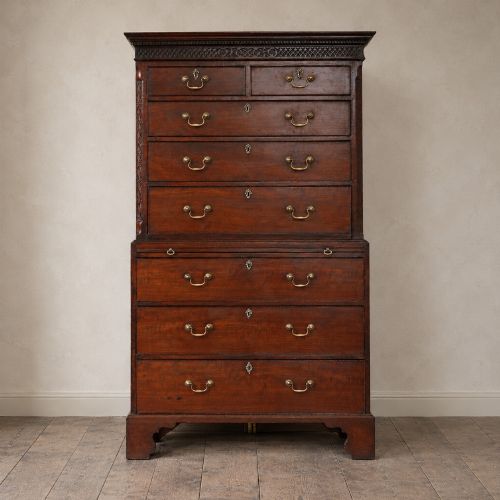
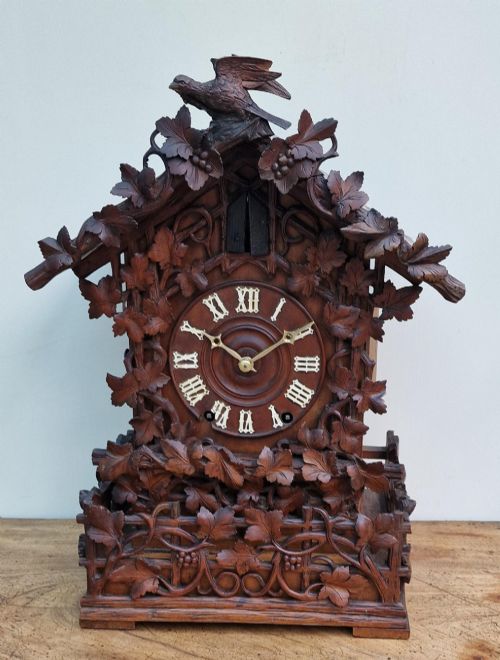
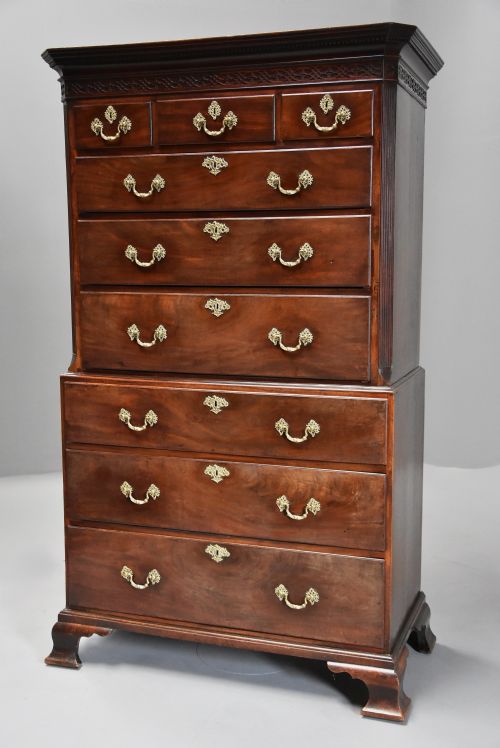
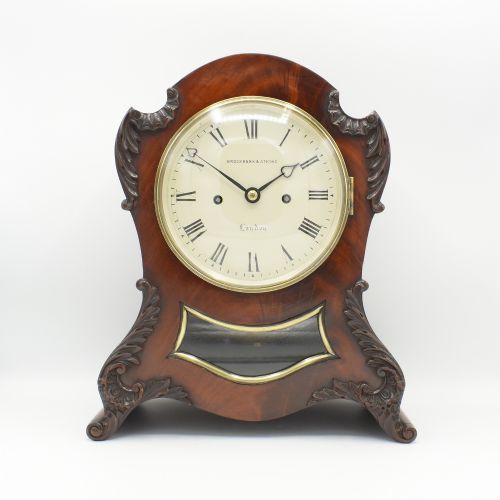
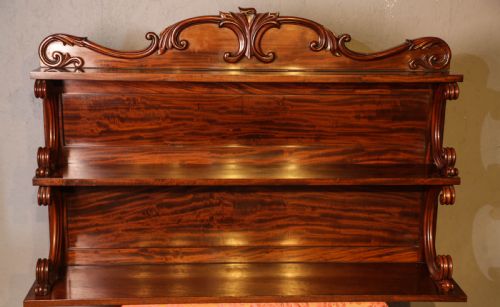
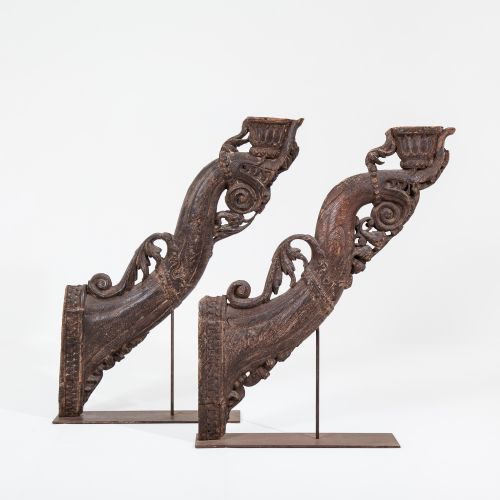


Carved Dark Wood Bracket
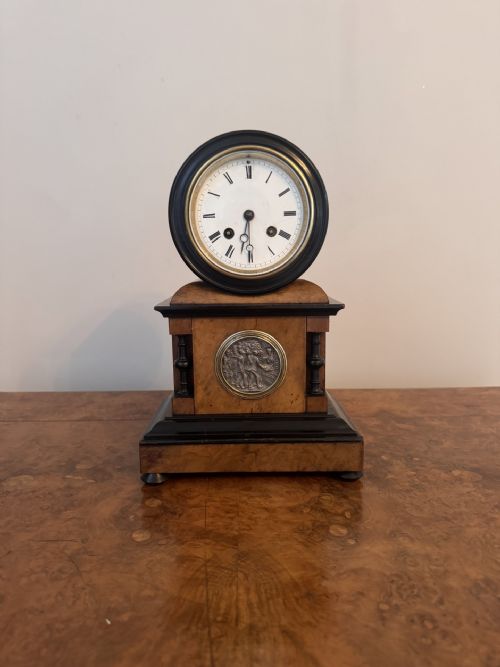
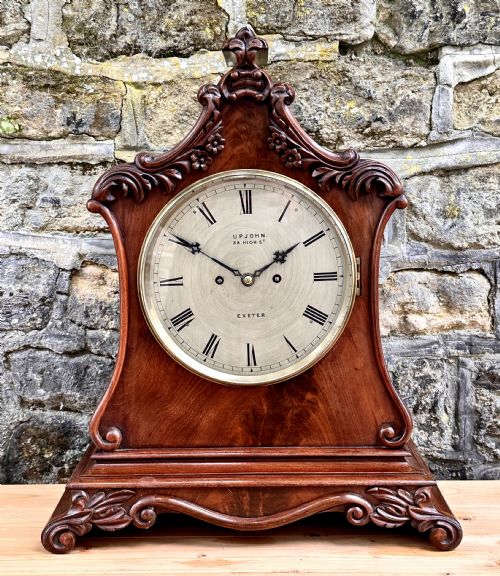
A carved dark wood bracket brings architectural depth to a wall, supporting small sculptures, timepieces or porcelain with disciplined form.
Carved Dark Wood Bracket
When you search for a carved dark wood bracket, you encounter architectural elements, wall shelves, and shelf supports produced primarily across the nineteenth and eighteenth centuries.
The selection ranges from Victorian Gothic Revival and Black Forest interpretations to Anglo-Indian hardwood pieces and heavy oak building brackets.
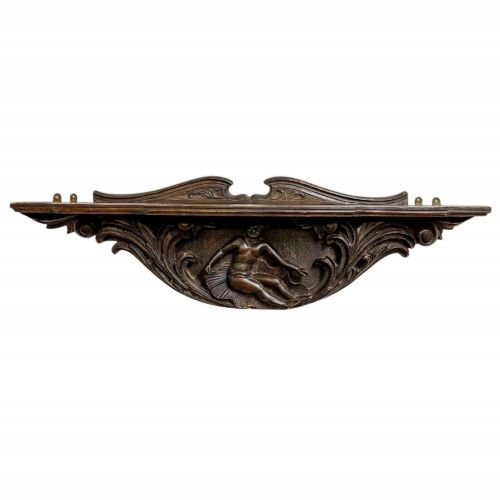
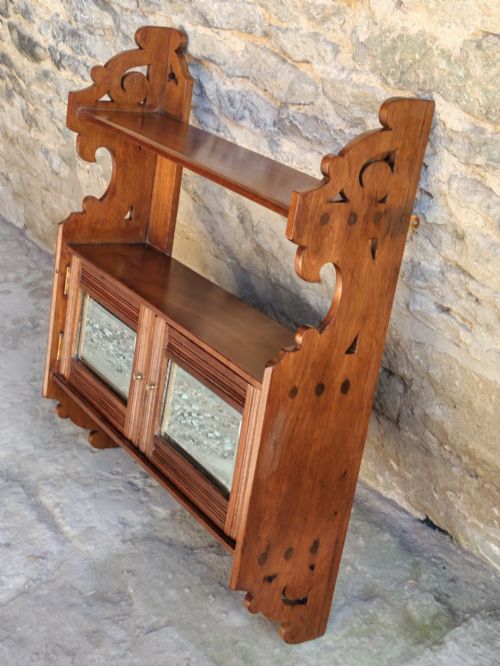
Most examples function as projecting ledges or corbels designed to bear weight while displaying intricate hand-carved ornamentation.
How they were made
Maker's workshops relied on dense timbers such as mahogany, walnut, padouk, and oak, chosen for their stability under deep sculptural relief.
Carvers utilised hand chisels and gouges to shape foliage, figures, and geometric mouldings directly from the solid dark wood.
Joinery techniques combined traditional tenon joints and structural backing plates to ensure rigid mounting against plaster or masonry walls.
Carved Dark Wood Bracket Retail Price Guide 2026
Typical asking prices for carved dark wood bracket among the pieces listed under this phrase on Sellingantiques today, from the lower quarter to the upper quarter. They describe what is for sale here now, not the wider market.
Listings for a carved dark wood bracket span periods from the seventeenth century through to Victorian Gothic Revival and Anglo-Indian production.
What varies in quality
The distinction between ordinary production and superior craftsmanship rests in the depth of the carving and the crispness of the undercutting.
Finely executed pieces display organic flow and anatomical accuracy in figurative motifs, whereas lesser examples rely on shallow stamping or mechanical routing.
The selection of timber grain and the integrity of the original polish or wax finish heavily influence the visual weight of the object.
George Wadham·Brockbanks & Atkins·Mappin & Webb·Barrett London·Luigi Frullini·Edwards Of London
The Carved Dark Wood Bracket Glossary
- Corbel
- A structural piece of stone, wood, or metal jutting from a wall to carry a superincumbent weight. In woodwork, it often takes decorative scroll or volute forms.
- Fusee
- A conical pulley used in clockwork driven by a chain or cord, maintaining equal power as the mainspring unwinds. This mechanism frequently accompanies bracket clocks mounted upon wooden shelves.
- Anglo-Indian
- Design style blending British structural forms with traditional Indian intricate carving techniques. These pieces utilise dense tropical hardwoods like padouk.
- Gothic Revival
- An architectural and decorative movement drawing inspiration from medieval forms. Carvings in this style utilise pointed arches, trefoils, and heavy oak.
Carved Dark Wood Bracket: Frequently Asked Questions
How do I hang a heavy wooden bracket safely?
Heavy carved brackets require direct fixing into wall studs or solid masonry using appropriate steel screws and concealed internal brackets.
Weight distribution matters because cantilevered wooden shelves exert significant leverage on their upper mounting points.
What is the difference between a corbel and a bracket?
A corbel functions primarily as a heavy weight-bearing structural support projecting from a wall surface.
Brackets often serve lighter decorative or display functions, holding clocks, shelves, or small ornaments.
How do I clean dark antique wood?
Dust surfaces gently with a dry, soft bristle brush to clear carved recesses without disturbing the patina.
Apply a neutral beeswax periodically to nourish dry timber and maintain a deep, protective sheen.
Are these brackets structurally sound to hold objects?
Most antique brackets retain robust timber joints capable of supporting weights comparable to their original intended loads.
Inspect the backplate and mounting screw holes to confirm the wood remains free from structural compromise before loading.