

Carved Cupboard Sideboard
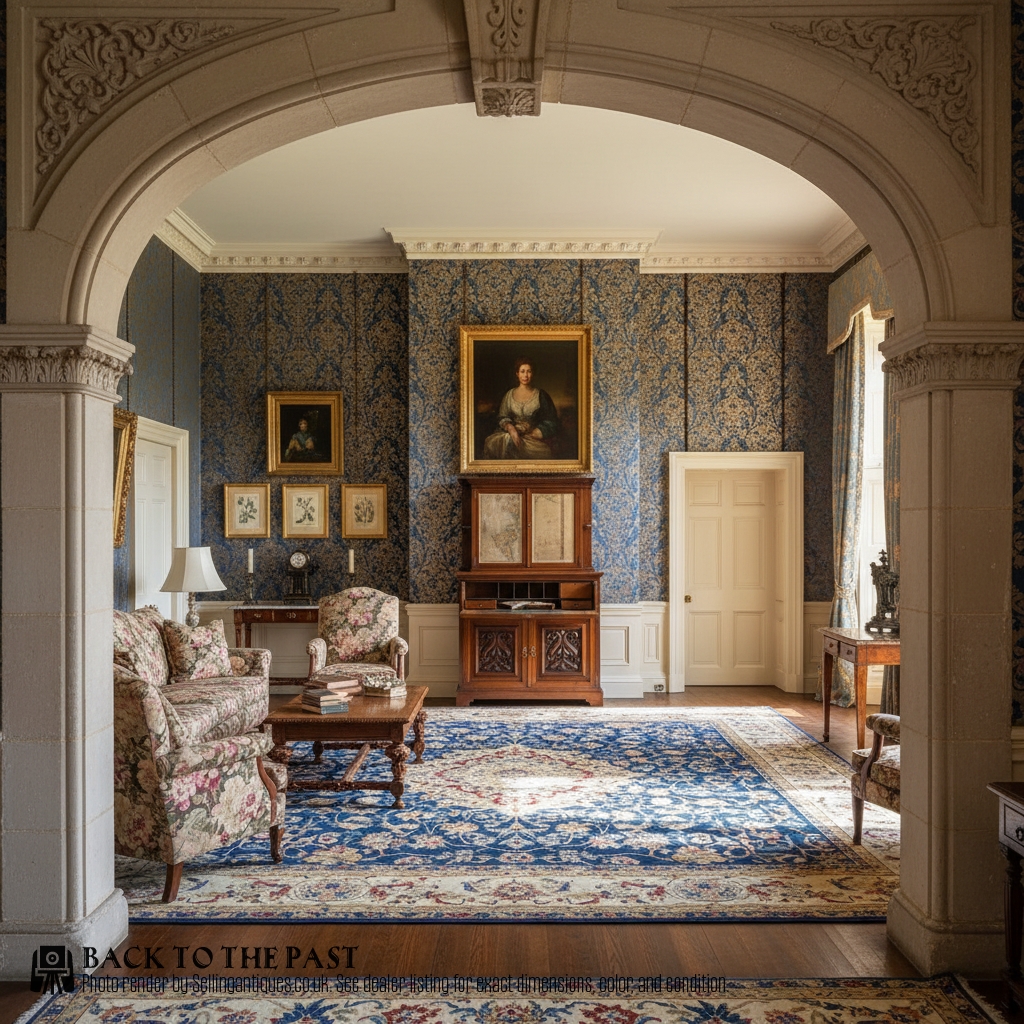
A carved cupboard sideboard brings solid timber, deep relief ornament and substantial storage into a room.
Carved Cupboard Sideboard
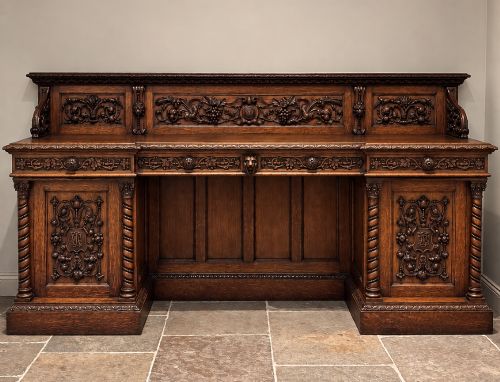
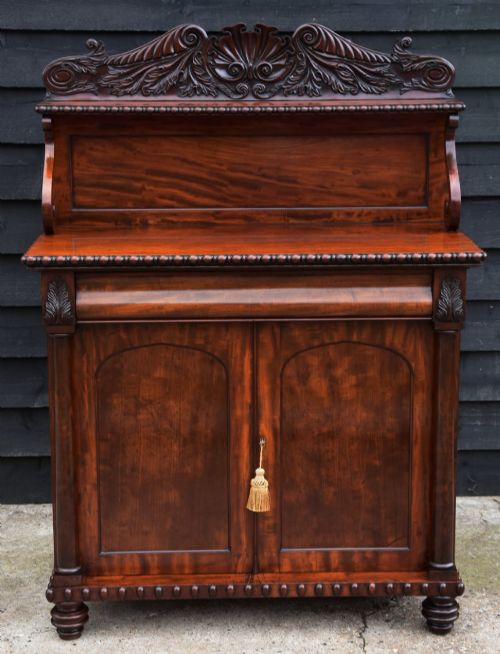
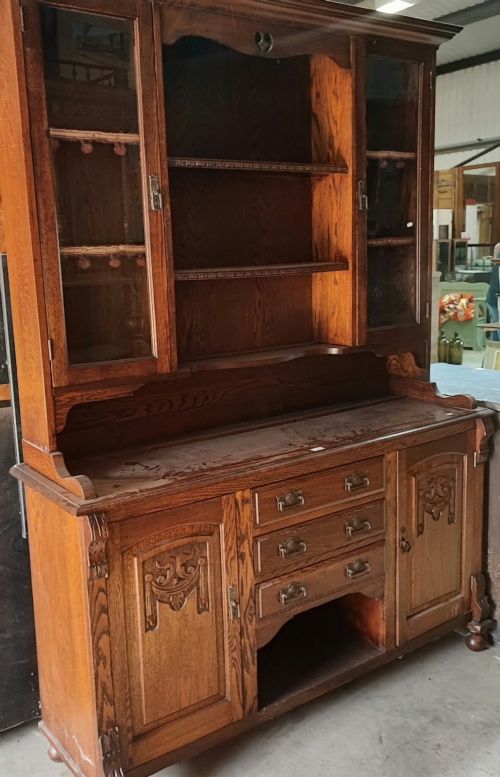
A carved cupboard sideboard combines enclosed cabinet storage with serving surfaces, drawing on forms produced across the seventeenth, eighteenth, nineteenth and early twentieth centuries. These pieces appear in regional English, Welsh, Scottish and continental European variants, spanning sideboards, court cupboards, dressers and chiffoniers.
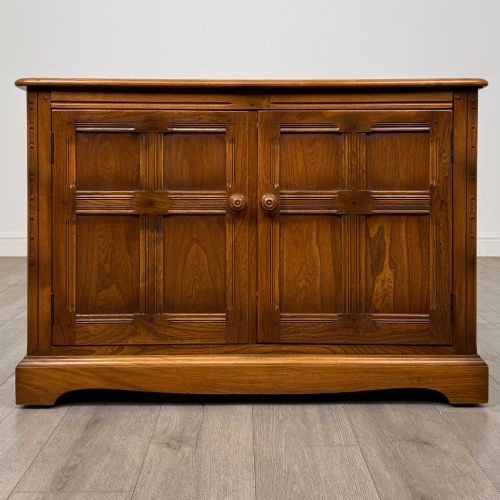
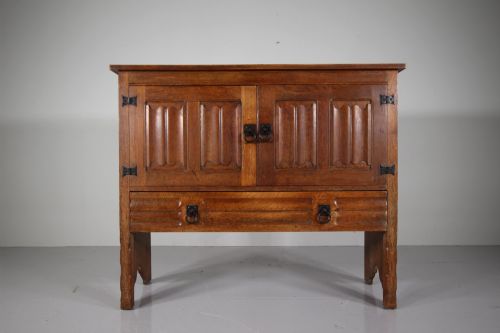
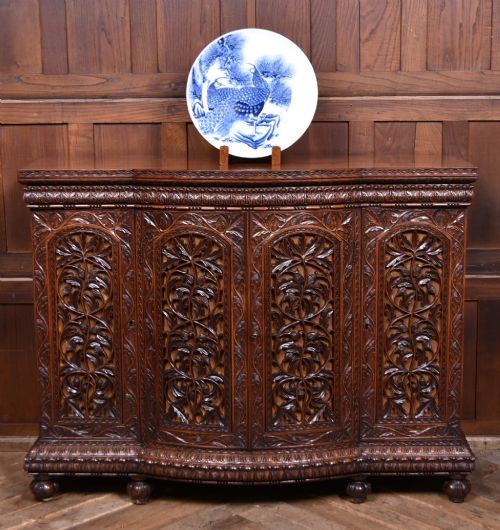
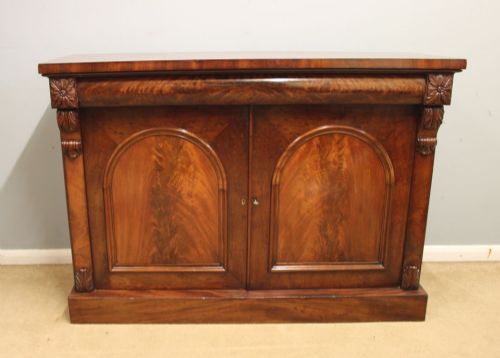
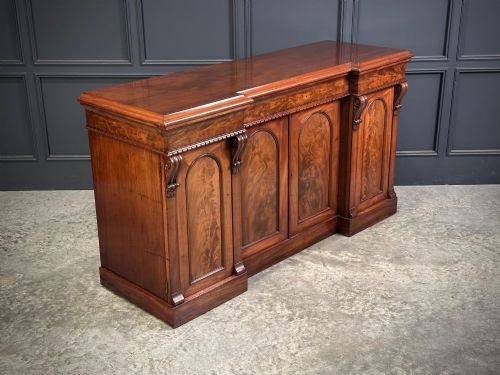
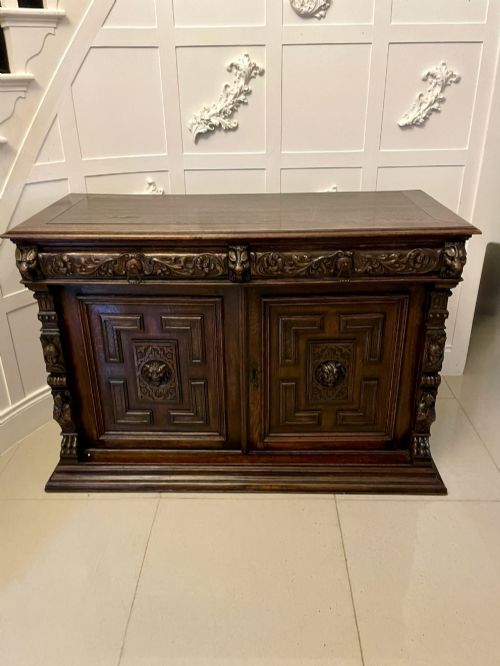
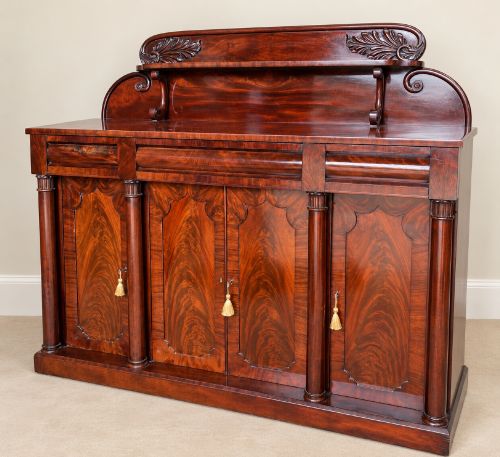
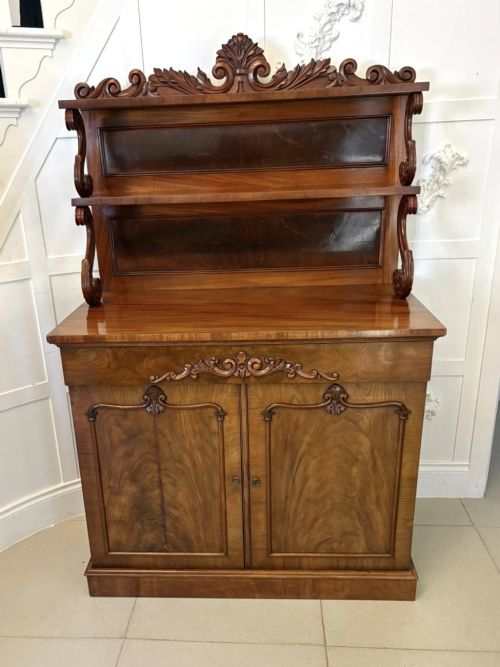
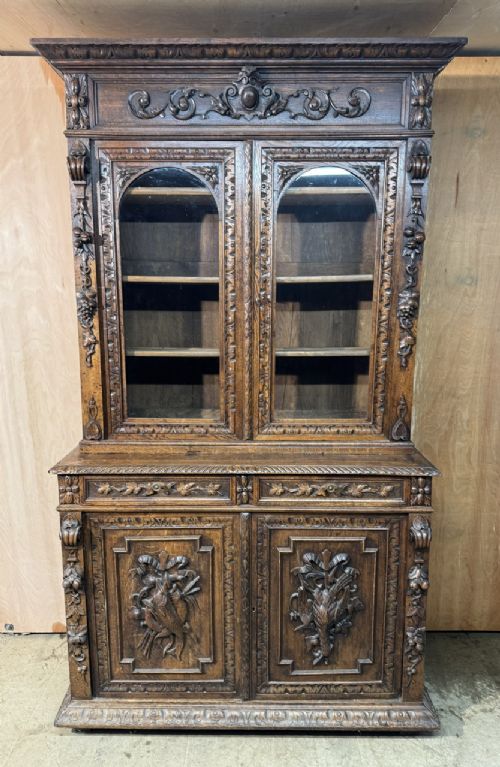
Oak dominates the vernacular and revival examples, frequently embellished with Jacobean style geometric moulding, linenfold panels or heavy Victorian and Gothic relief carving. Mahogany and walnut pieces also occur, offering smoother surfaces and rich grain patterns suited to Regency and Victorian interiors.
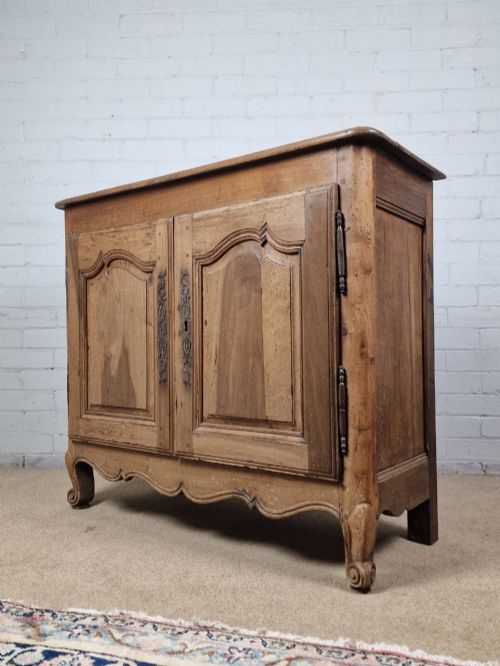
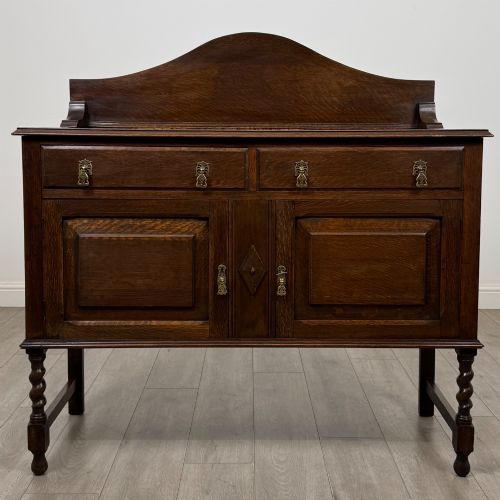
Buyers encounter substantial dining room servers alongside smaller hall cupboards and kitchen dressers. The category bridges functional storage and decorative display, featuring panelled doors, drawers and tiered plate racks in various regional interpretations.
Distinctions in Quality and Make
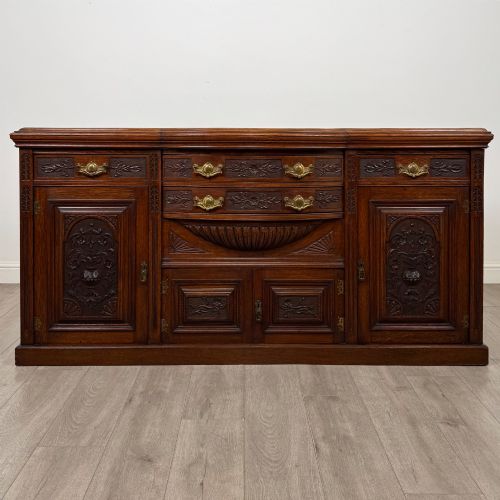
The depth and execution of the hand-carving separate standard production items from exceptional workshop pieces. Crisp relief work, well-defined proportions and balanced decorative motifs indicate skilled cabinet-making rather than mechanical replication.
Timber selection dictates the visual appeal, with figured mahogany, tiger oak and well-matched grain patterns commanding attention. The choice of solid primary timbers over secondary laminates influences the durability and weight of the structure.
Hardware integration, internal lining materials and drawer construction reveal the original tier of manufacture. Dovetailed joints, substantial brass or iron furniture and precise door fitting separate superior examples from simpler utilitarian cupboards.
Several Victorian oak cupboards stare back at you through watchful Green Man foliage masks.
Shoolbred and Co.·Arthur Simpson of Kendal
The Carved Cupboard Sideboard Glossary
- Court Cupboard
- A traditional English enclosed storage piece, often featuring an upper recessed cabinet supported by pillars above a larger lower section.
- Chiffonier
- A compact sideboard or low cabinet developed in the nineteenth century, commonly incorporating a raised shelf tier or small superstructure.
- Linenfold
- A carved wooden panel motif imitating folded fabric, frequently seen on sixteenth-century and revival oak furniture.
- Enfilade
- A long continental European sideboard or cabinet featuring a continuous sequence of doors across the front elevation.
- Barley Twist
- A turned furniture leg or column resembling a spiralling rope, popular in seventeenth-century and Edwardian revival pieces.
Carved Cupboard Sideboard: Frequently Asked Questions
What is a carved cupboard sideboard used for?
These pieces function as primary storage and serving furniture in dining rooms, hallways and kitchens. Enclosed cupboards and drawers house tableware, linens and provisions, while the upper surface serves as a sideboard for display.
Historically, they evolved from utility furniture into focal points for formal rooms. Their robust construction allows them to continue fulfilling both storage and decorative roles in modern settings.
How do I date a carved oak sideboard?
Dating relies on examining the joinery, hardware and stylistic motifs present on the carcase. Seventeenth-century examples typically feature joined oak construction with pegged joints and hand-cut mouldings, whereas Victorian and Edwardian pieces often incorporate machine-sawn timber and revival styles.
Revival furniture from the nineteenth century frequently mimics earlier Jacobean or Gothic patterns. Inspecting drawer linings, saw marks and the interior timber helps distinguish period originals from later interpretations.
Are these sideboards made of solid wood?
Most pieces utilise solid primary timbers such as oak, mahogany or walnut for their structural frames, doors and panels. Selected nineteenth-century variants apply flame mahogany veneer over supportive secondary woods to create decorative grain effects on large surfaces.
Internal elements like drawer bases and backboards may consist of secondary softwoods or lesser hardwoods. Examining panel edges and interiors clarifies the construction methods employed by the maker.
How do I care for antique wood furniture?
Maintaining these surfaces involves keeping timber away from direct heat sources and dramatic humidity fluctuations to prevent splitting. Regular dusting with a soft, dry cloth preserves the finish without requiring heavy chemical polishes.
Applying a traditional beeswax periodically helps nourish older wood surfaces. Avoiding synthetic sprays ensures the original patina remains undisturbed over time.