

Carved Console Base
These pieces of furniture bring architectural presence into a room, offering a sculptural support that holds a surface with genuine authority.
Carved Console Base
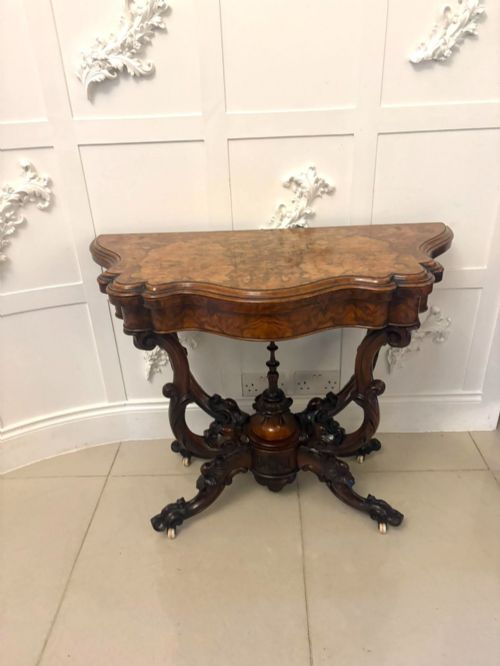
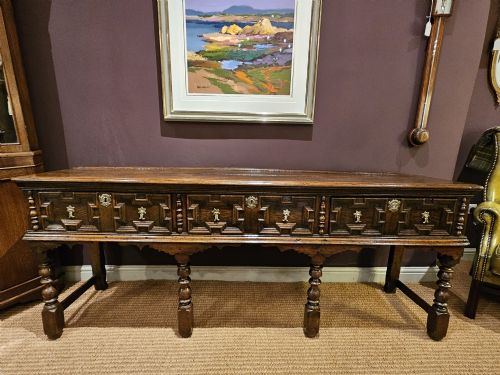
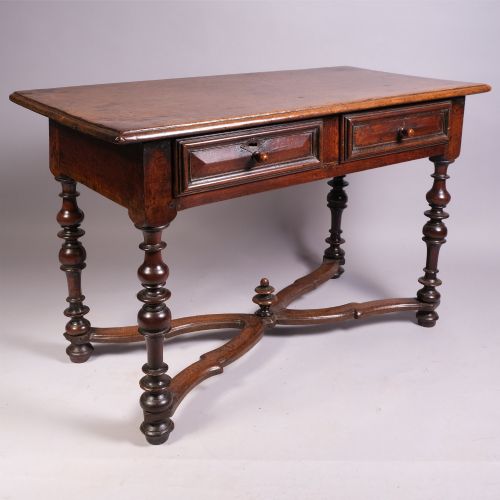
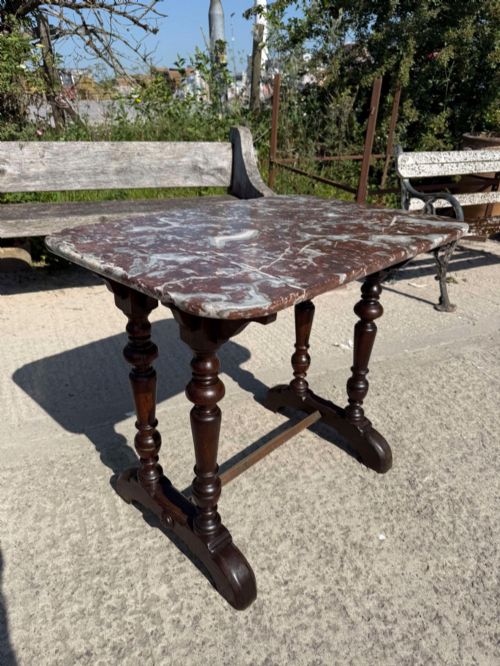
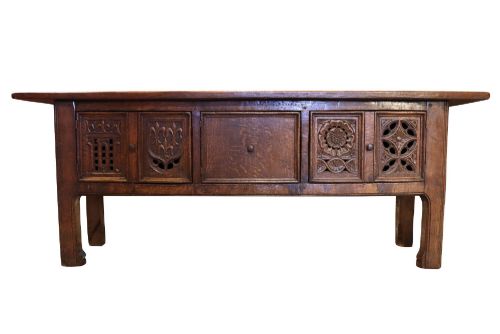
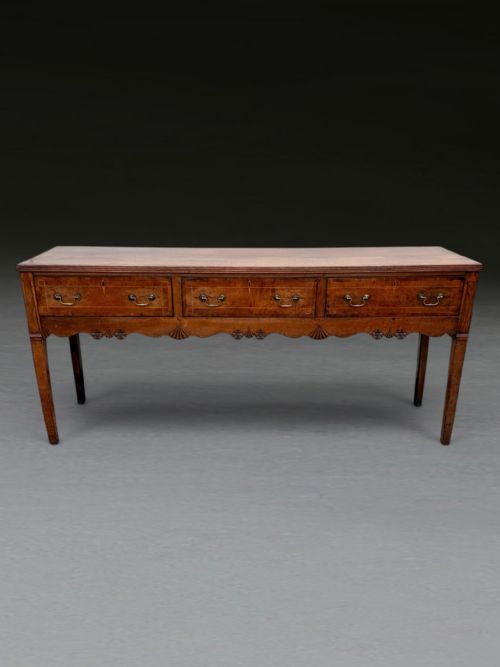
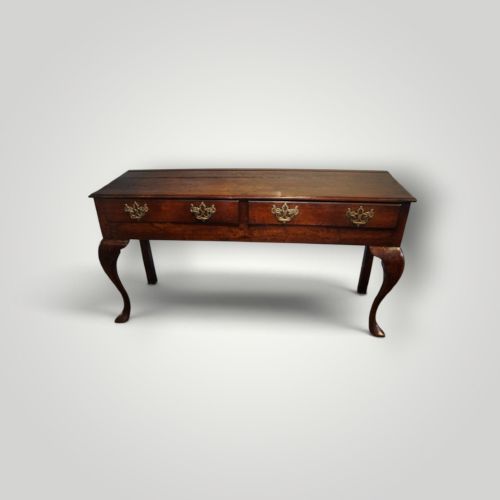
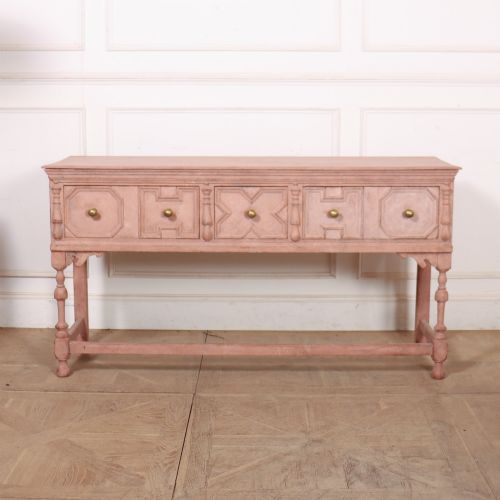
A carved console base provides structural support and sculptural interest, appearing most frequently in forms designed to stand against a wall or anchor a larger table. The selection spans periods from the seventeenth century through the twentieth, drawing from Georgian, Victorian, and Regency traditions.
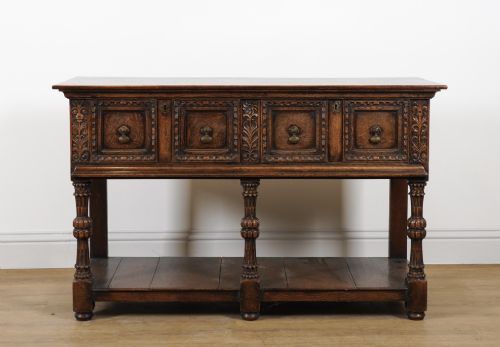
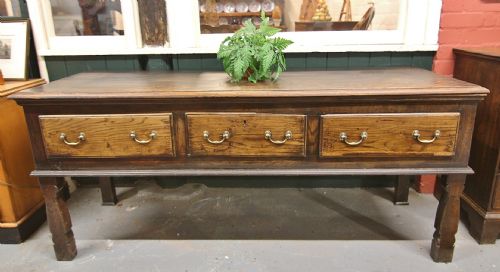
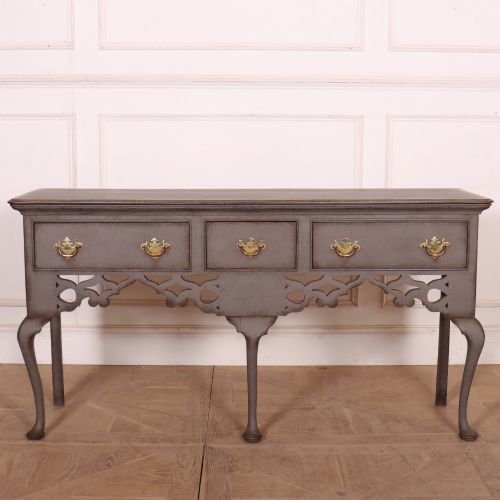
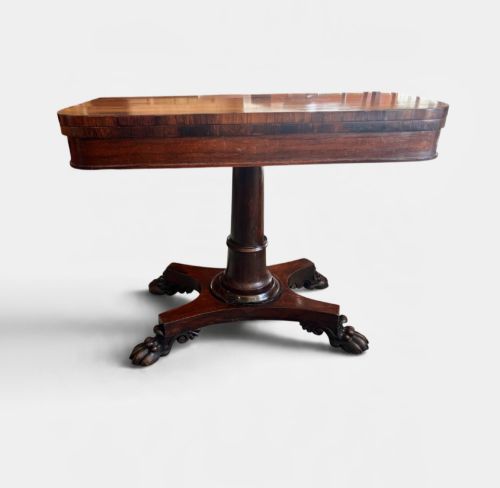
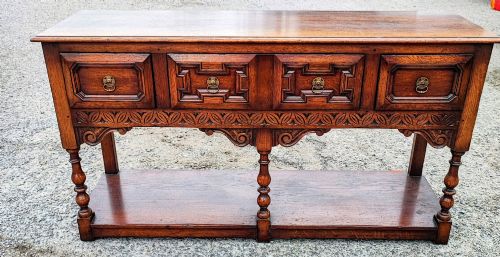
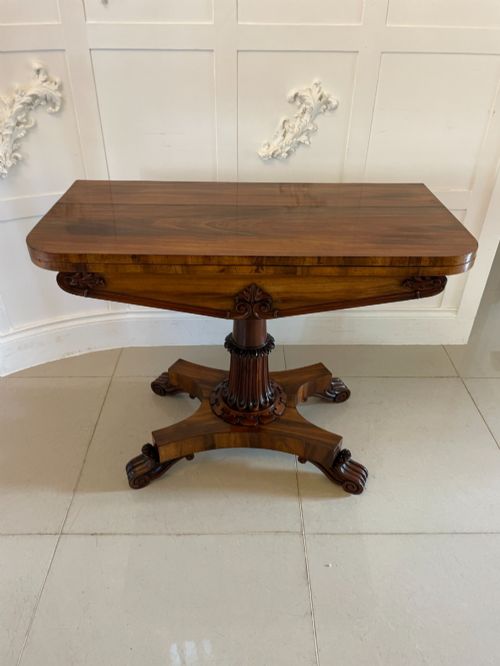
Many examples emerge within broader furniture types such as card tables, serving tables, and dresser bases rather than as standalone supports. Walnut, oak, and mahogany form the primary timber framework, occasionally accompanied by marble tops or giltwood finishes.
Revival styles surface throughout the record, including Gothic Revival, Jacobean Revival, and Carolean influences. These pieces reflect historical design motifs adapted for domestic interiors across different centuries.
Materials and Construction Methods
Makers utilised solid native and exotic hardwoods, predominantly oak, mahogany, rosewood, and walnut, selecting timber for grain pattern and structural durability. Giltwood and painted surfaces appear on specific decorative examples, while marble serves as a durable top material.
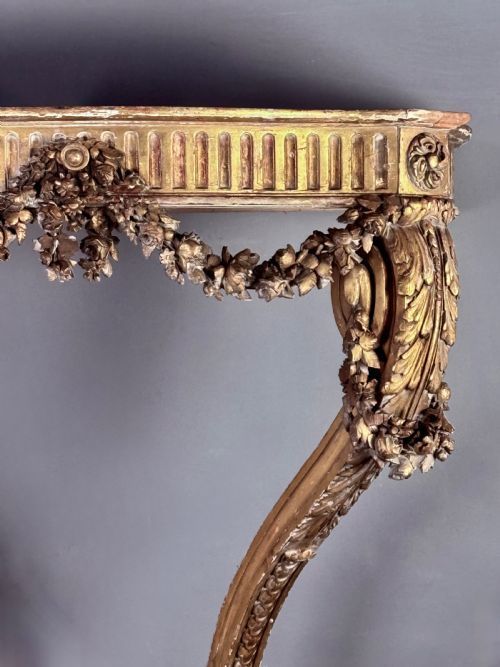
Carving technique defines the surface ornamentation, ranging from crisp floral motifs and scrolling acanthus to figurative elements like eagles and dolphins. Joinery relies on traditional methods appropriate to the period, supporting heavy tops and decorative carved basket or pedestal bases.
Carved Console Base Retail Price Guide 2026
Typical asking prices for carved console base among the pieces listed under this phrase on Sellingantiques today, from the lower quarter to the upper quarter. They describe what is for sale here now, not the wider market.
Listings span from the seventeenth century through the twentieth century, with oak and mahogany appearing alongside rosewood and giltwood.
Distinguishing Quality and Execution
The crispness and depth of the hand carving separate standard production from superior craftsmanship, as skilled carvers achieve realistic textures in wood and gilt. Proportion and balance dictate the visual success of the piece, particularly where heavy bases support substantial marble or timber tops.
The selection of timber grain and the integrity of the original surface finish influence the overall merit of the object. Pieces retaining patination and uncompromised structural joins demonstrate higher execution than heavily restored or altered examples.
Felix Alfred Ternisien
The Carved Console Base Glossary
- Console table
- A table designed to stand against a wall, traditionally fixed with brackets or supported by distinctive front legs and a heavy base.
- Dresser base
- A low wooden sideboard featuring drawers and sometimes an open potboard shelf underneath, common in oak throughout earlier centuries.
- Giltwood
- Timber coated with a thin layer of gold leaf or powder over a prepared ground, frequently utilised on decorative bases.
- Potboard
- An open lower shelf fitted beneath a dresser base or serving table, originally intended for storing pots and earthenware.
- Barley-twist
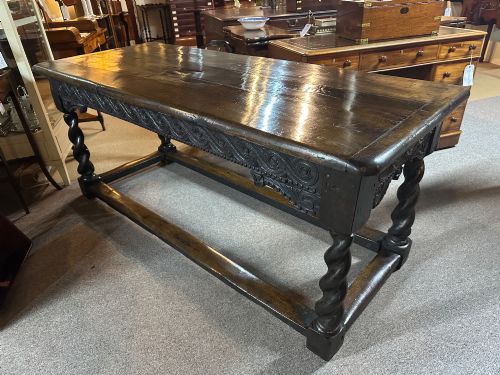
- A decorative turning style resembling a spiralling rope, popular in furniture supports during revival periods.
Carved Console Base: Frequently Asked Questions
What is a carved console base?
A carved console base is the structural and decorative support beneath a wall table, card table, or serving piece.
These supports range from formal giltwood figural carvings to sturdy oak pedestals designed to bear substantial tabletops.
How were these bases used historically?
These pieces functioned primarily as anchor furniture in reception rooms, halls, and parlours to display ornaments or serve food.
Many incorporated folding tops for games or functioned as side tables for serving dining items.
How do I care for antique timber?
Antique timber benefits from stable indoor humidity levels away from direct heat sources and direct sunlight.
Applying a traditional beeswax polish occasionally helps nourish the wood surface and maintain the natural patina.
How can I tell different periods apart?
Periods are identified by a combination of timber selection, carving styles, and structural joinery methods.
Earlier centuries rely heavily on solid oak with hand-cut joints, while later nineteenth-century examples often feature rosewood, mahogany, and revival motifs.