

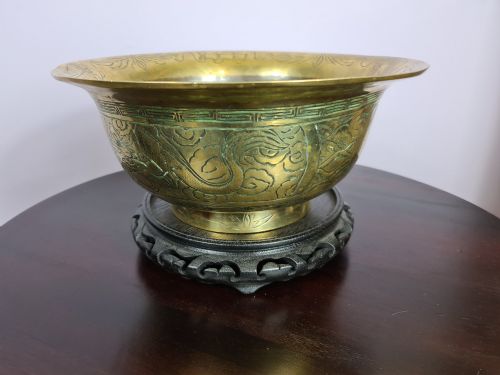


Carved Chinese Brass
These carved chinese brass pieces combine heavy cast metalwork with intricate surface detailing, offering both utilitarian storage and decorative weight for the room.
Carved Chinese Brass
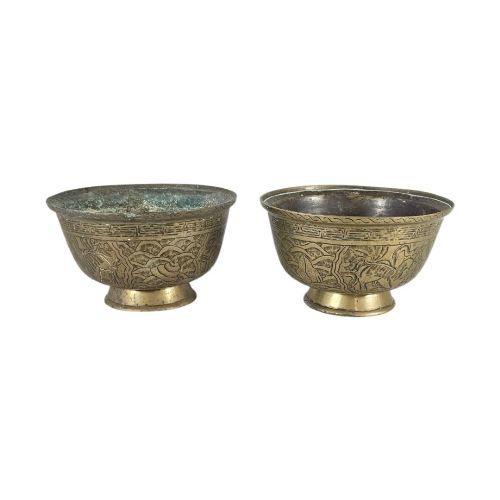
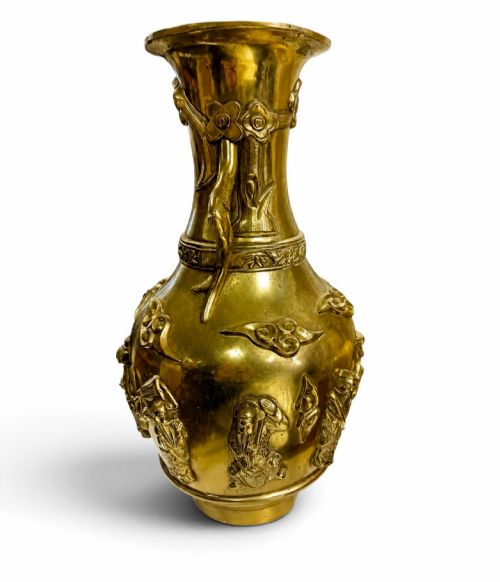
When you search for carved chinese brass, you encounter a selection spanning domestic vessels, ritual objects, and furniture accents originating from the nineteenth and early twentieth centuries. These items range from heavy metal bowls and censers to tea ceremony gongs and table tops mounted on folding stands. The most frequent metal forms include large decorative jardiniere planters, baluster vases, and temple bells bearing traditional motifs.
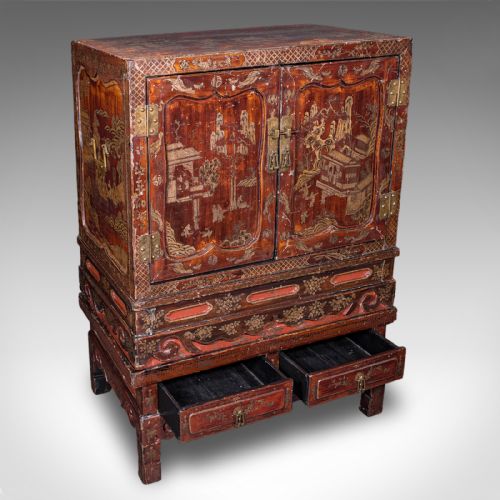
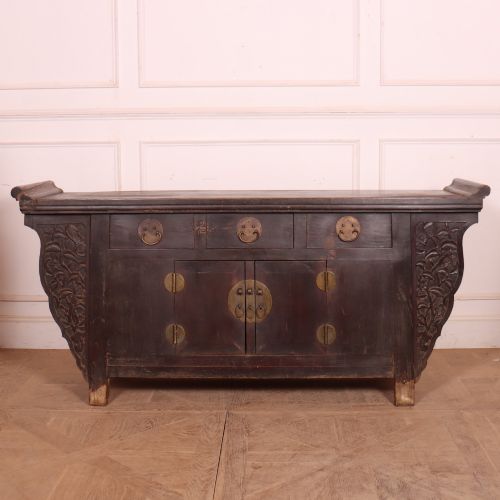
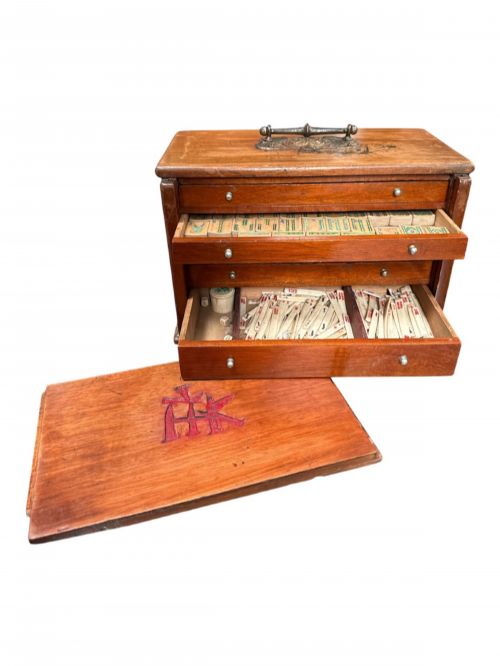
Alongside solid metal items, the broader category encompasses wooden chests and cabinets embellished with brass mounts, bindings, or relief panels. Many of these date from the Qing Dynasty and later export periods, reflecting both domestic utilitarian design and items made specifically for Western markets. The smaller desk pots and tripod censers sit alongside substantial floor-standing temple pieces.
The aesthetic bridges traditional symbolism with functional utility, capturing a period when trade and diplomacy brought oriental craftsmanship into British interiors. Pieces often display markers or cachets on their bases, connecting them to established casting traditions. Buyers encounter everything from simple brass-bound camphor trunks to elaborate figural bronzes and copper-alloy vessels.
How they were made
The metal objects rely on traditional casting techniques, utilising copper alloys, brass, and bronze to achieve substantial weight and durable vessel walls. Artisans employed lost-wax casting and sand-casting methods before finishing the surfaces by hand with chisels and gravers. This allowed for deep relief carving of dragons, flora, and Daoist immortals directly into the metal body.
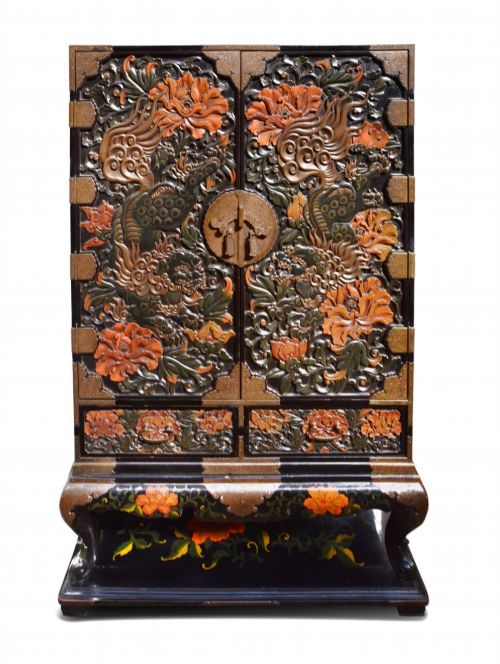
Wooden elements associated with the brass work, such as camphor wood trunks and elm cabinets, utilise traditional joinery paired with hand-carved panels. Metal mounts, hinges, and lock plates are secured by hand, integrating the brass components structurally as well as ornamentally. Lacquer finishes and gilt metal applications frequently complement the primary brass and bronze structures.
Listings feature camphor wood, elm, and hardwood alongside solid brass, bronze, and copper-alloy vessels dating from the Victorian era to the 1930s.
What varies in quality
Quality rests primarily in the crispness of the chasing and the depth of the metal relief work. Superior examples exhibit sharply defined motifs such as qilin finials or bird and lotus arrangements, where hand-chiselling remains distinct and purposeful rather than soft or smoothed by wear. The thickness of the metal alloy and the overall heft of a bowl or vase further distinguish masterwork castings from lighter, mass-produced export items.
The integration of materials determines the standard of furniture pieces and mounted objects. Where brass bindings, locks, or carved panels meet camphor wood or lacquer, the precision of the fit and the quality of the timber grain dictate the tier of the piece. Well-preserved patination and intact structural joinery separate items that retain their original integrity from those with heavily restored or replaced elements.
The Carved Chinese Brass Glossary
- Censer
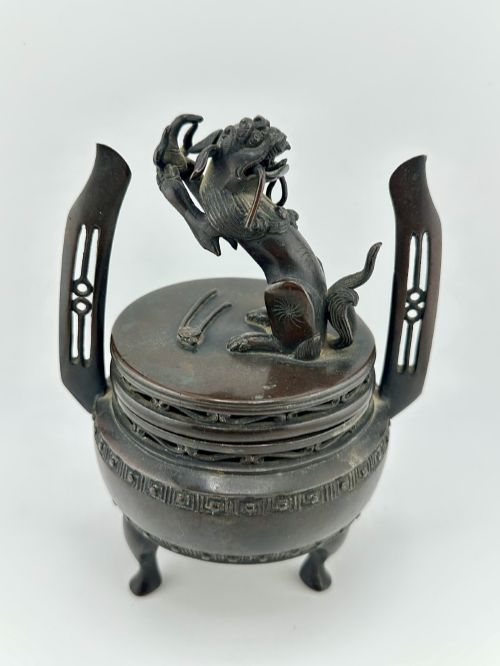
- A vessel used for burning incense, frequently cast in bronze or brass with three legs and a fitted cover.
- Jardiniere
- A large decorative pot or stand designed to hold plants or flowers, often executed in heavy brass or copper alloy.
- Qing Dynasty
- The final imperial dynasty of China, spanning from the mid-seventeenth to the early twentieth century.
- Chinoiserie
- The European interpretation and imitation of Chinese artistic traditions and motifs, prevalent in decorative arts.
- Baluster
- A tall vase form with a rounded body tapering to a narrow neck, common in nineteenth-century metalwork.
- Camphor Wood
- An aromatic timber native to Asia, frequently utilised for trunks and storage chests due to its insect-repellent properties.
Carved Chinese Brass: Frequently Asked Questions
How do I clean antique brass safely?
Antique brass requires gentle maintenance to preserve its historic patination and surface detail. Avoid harsh chemical cleaners or abrasive scouring pads that strip the aged finish.
Dust the surface regularly with a soft, dry cloth. If cleaning is necessary, use mild soap and warm water, drying the metal immediately afterwards.
What is the difference between brass and bronze here?
Brass and bronze are both copper alloys frequently grouped together in antique oriental metalwork. Bronze contains copper and tin, offering a darker, heavier material often seen in ritual vessels and figures.
Brass primarily combines copper and zinc, yielding a brighter golden tone suitable for decorative bowls, bells, and hardware mounts.
How can I date a camphor wood chest?
Dating these storage chests involves examining the construction methods, the style of the brass hardware, and the type of wood finish applied. Nineteenth-century examples often feature hand-cut dovetails and heavy, hand-forged brass binding.
Later pieces from the early twentieth century may show machine-sawn elements, limed oak treatments, or standardised lock plates.
Where were these export items originally made?
The majority of these pieces were produced in Chinese workshops and coastal trading ports catering to both domestic use and the Western export market. Centres of metalcasting and woodworking supplied goods that travelled via maritime trade routes into British homes.
Many items incorporate traditional motifs and reign marks referencing earlier imperial periods like the Xuande era.